Iguazu Falls was one of the “must-see” destinations for our South America trip and it certainly didn’t disappoint. We traveled by bus from Buenos Aires to Puerto Iguazu, the small tropical village where most people visiting the falls spend a night or two (if we were cashed up it would have been the Sheraton Iguazu hotel with panoramic views of the falls but no such luxuries for the backpacker)! Nevertheless, we enjoyed the humid change in the weather after being in BA city all week and with our friends Segal & Gal from Israel (some of the nicest Israelis you’ll meet), we enjoyed some grilled surubi (a local fish) for dinner at one of the many restaurants along the main road.
Arriving at Iguazu Falls the following morning, it could almost be likened to arriving at Disneyland – multitudes of tourists piling in, the passenger train ride to take you to different areas of the falls, but rather than Mickey Mouse they have food crazy creatures called Coatis (explained further below)!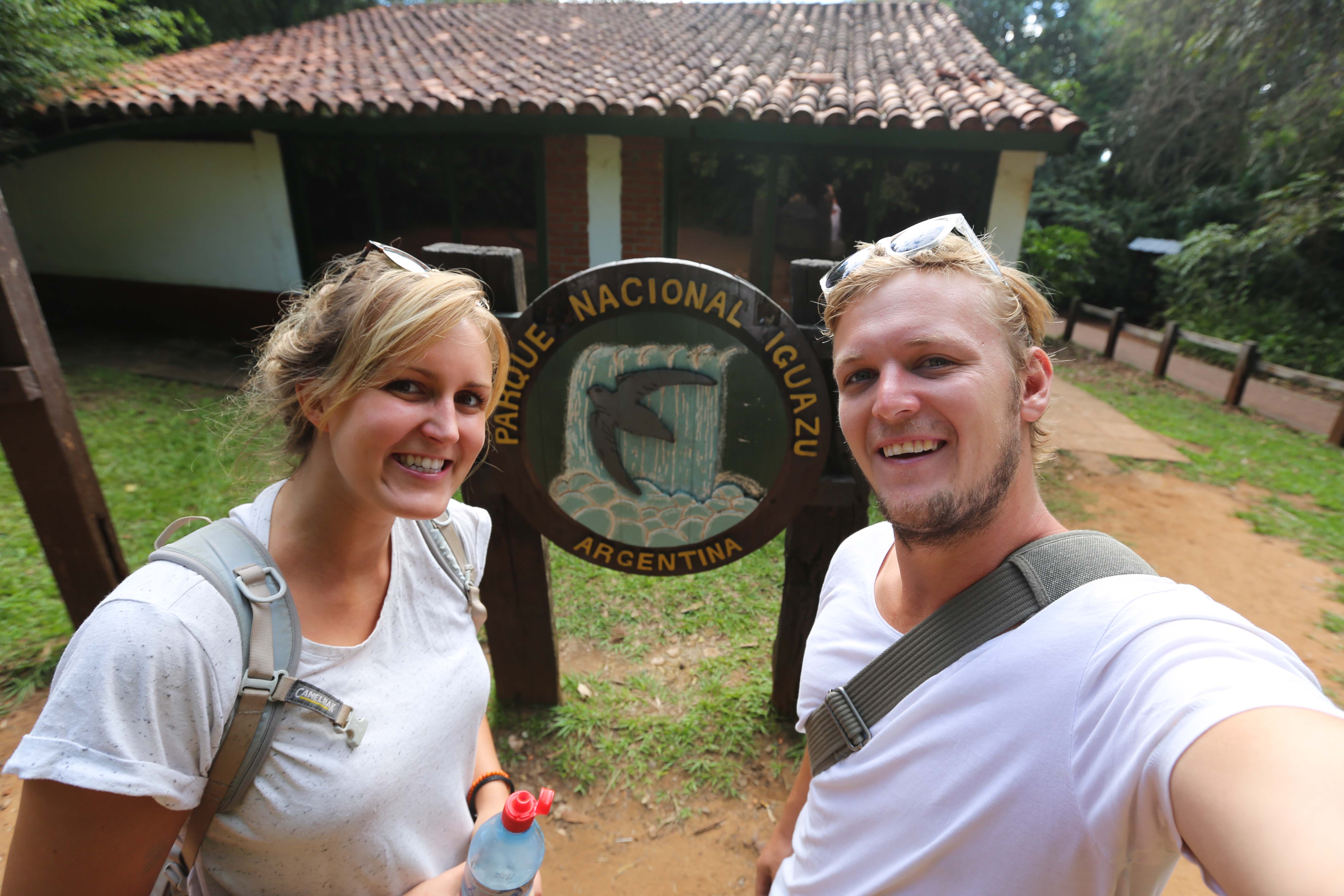
 We had decided to visit the Argentine side of the falls only, mainly to avoid having to get a visa or paying any reciprocity fee to visit Brazil. The Brazilian side is known for its full panoramic view of the falls whereas the Argentine side is made of platforms at different levels throughout the falls, allowing you to basically be standing within the falls at various points. As we commenced on the walking track we came across signs warning us that monkeys and coatis were throughout Parque Nacional Iguazu and these warnings were complemented by some disturbing photos of coati scratches as well as fantastic cartoons of the coatis in action.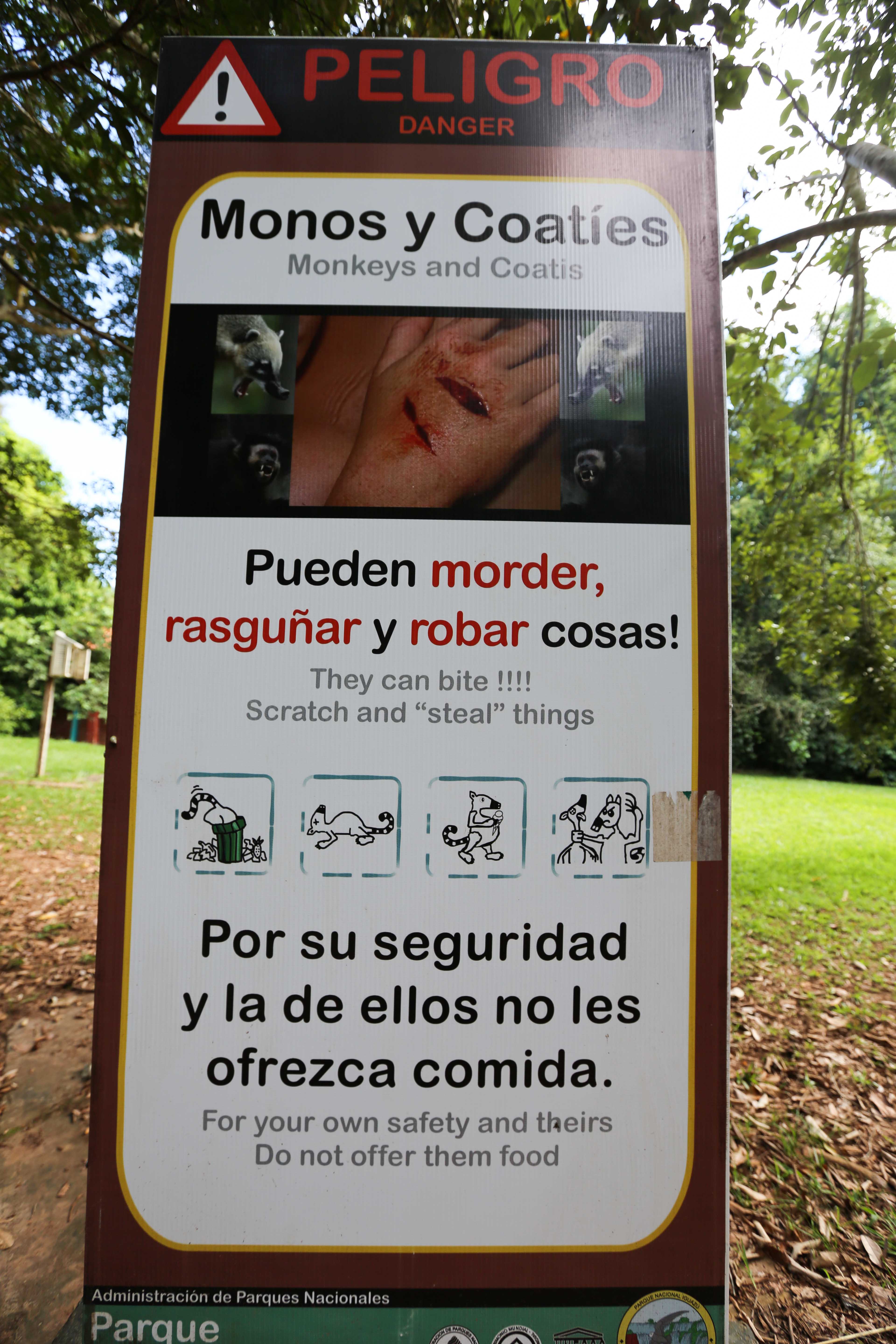
 Walking along the balconies, it wasn’t long until we had our first coati encounter and thanks to the signs we were slightly scared it was going to rip us apart but it just continued along the railing, looking rather harmless (not so much the case later on when Will was carrying two empanadas and they hunted him down!)
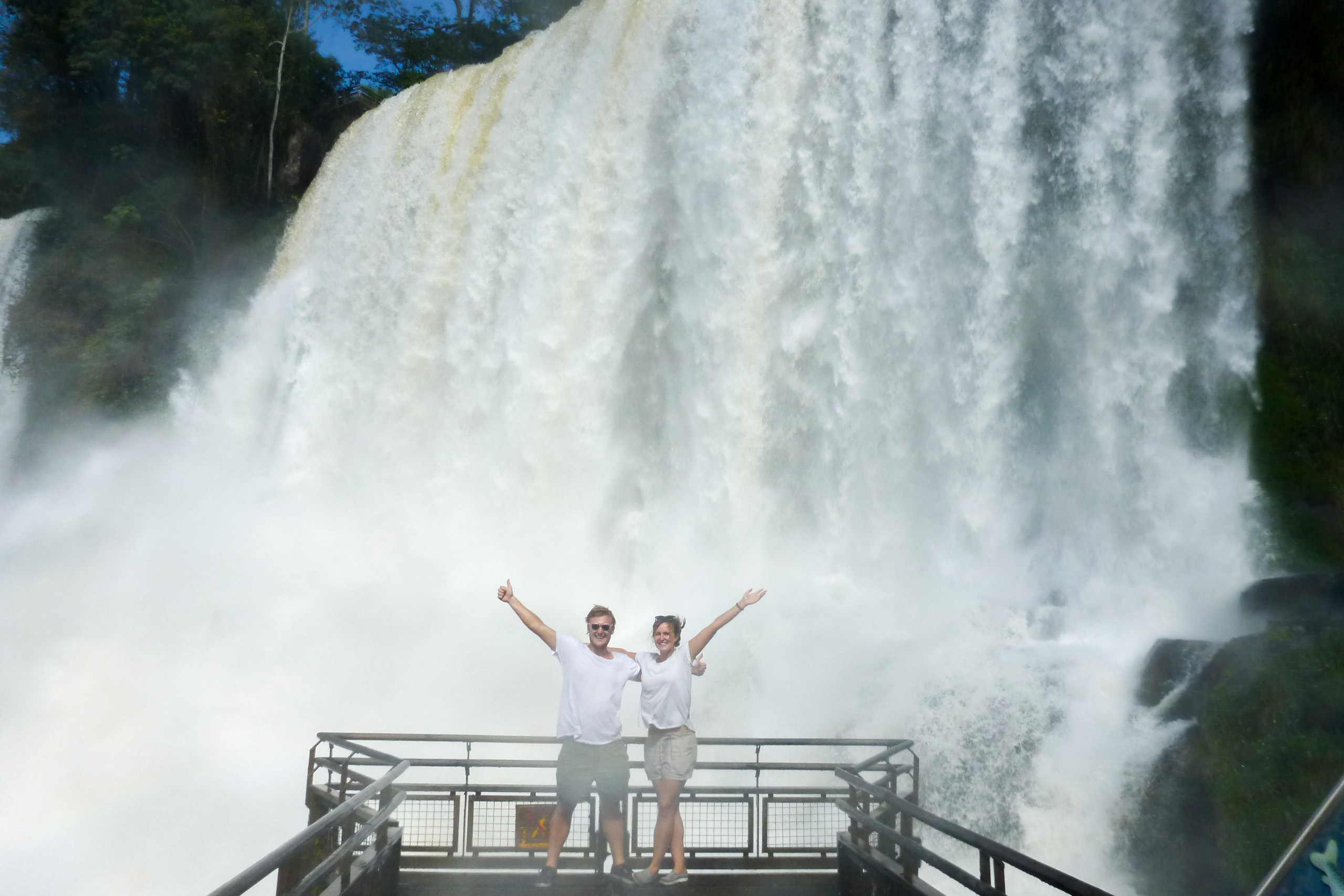
 Arriving at an opening with our first view of the falls, it really is absolutely incredible, breathtaking, beautiful – basically any cliché descriptive word you can think of could be applied here. The roaring sound of the water and the enormity of the falls consume all of your senses and we stood in admiration at that first viewpoint for quite some time before continuing for a closer look.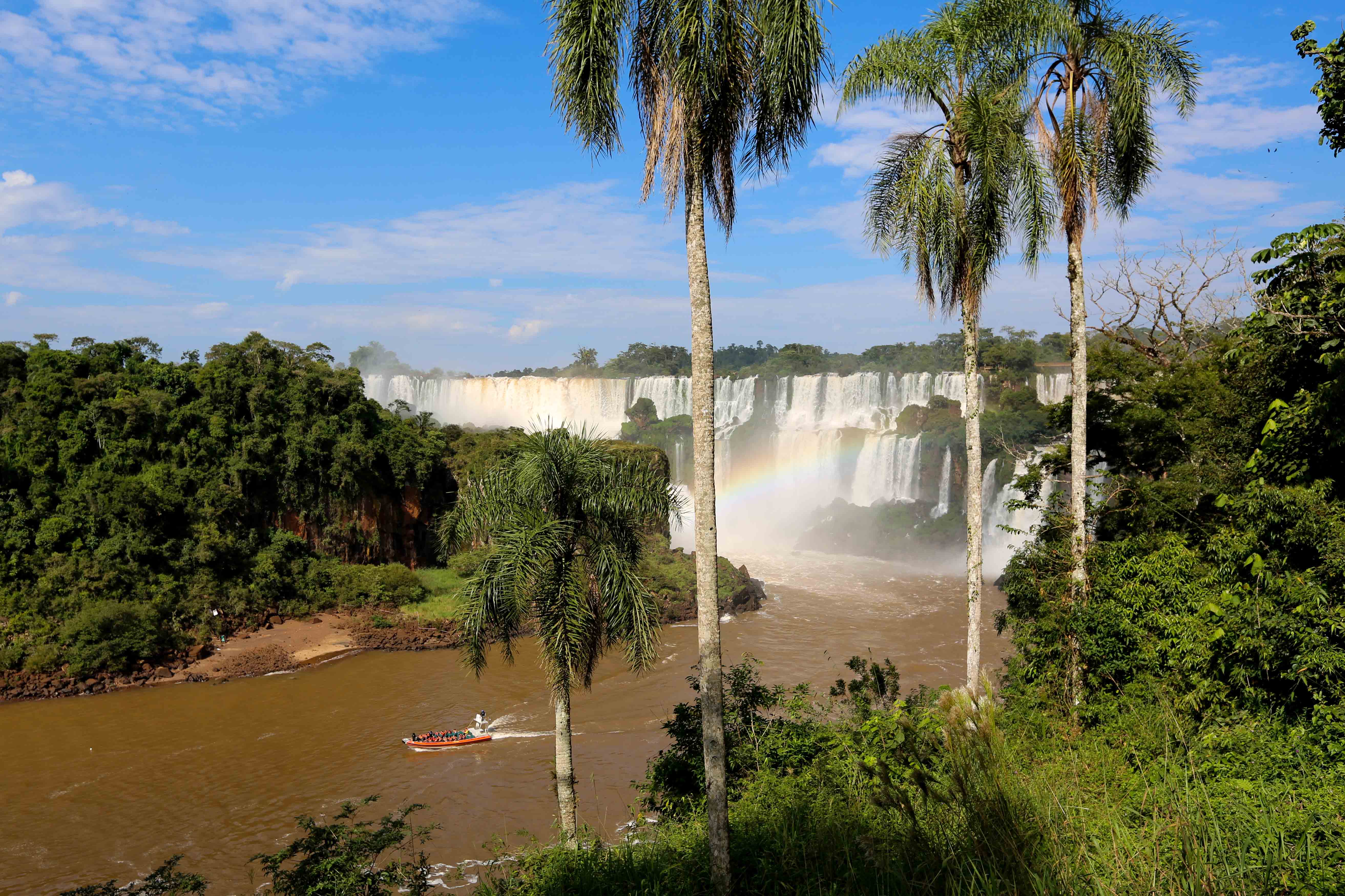

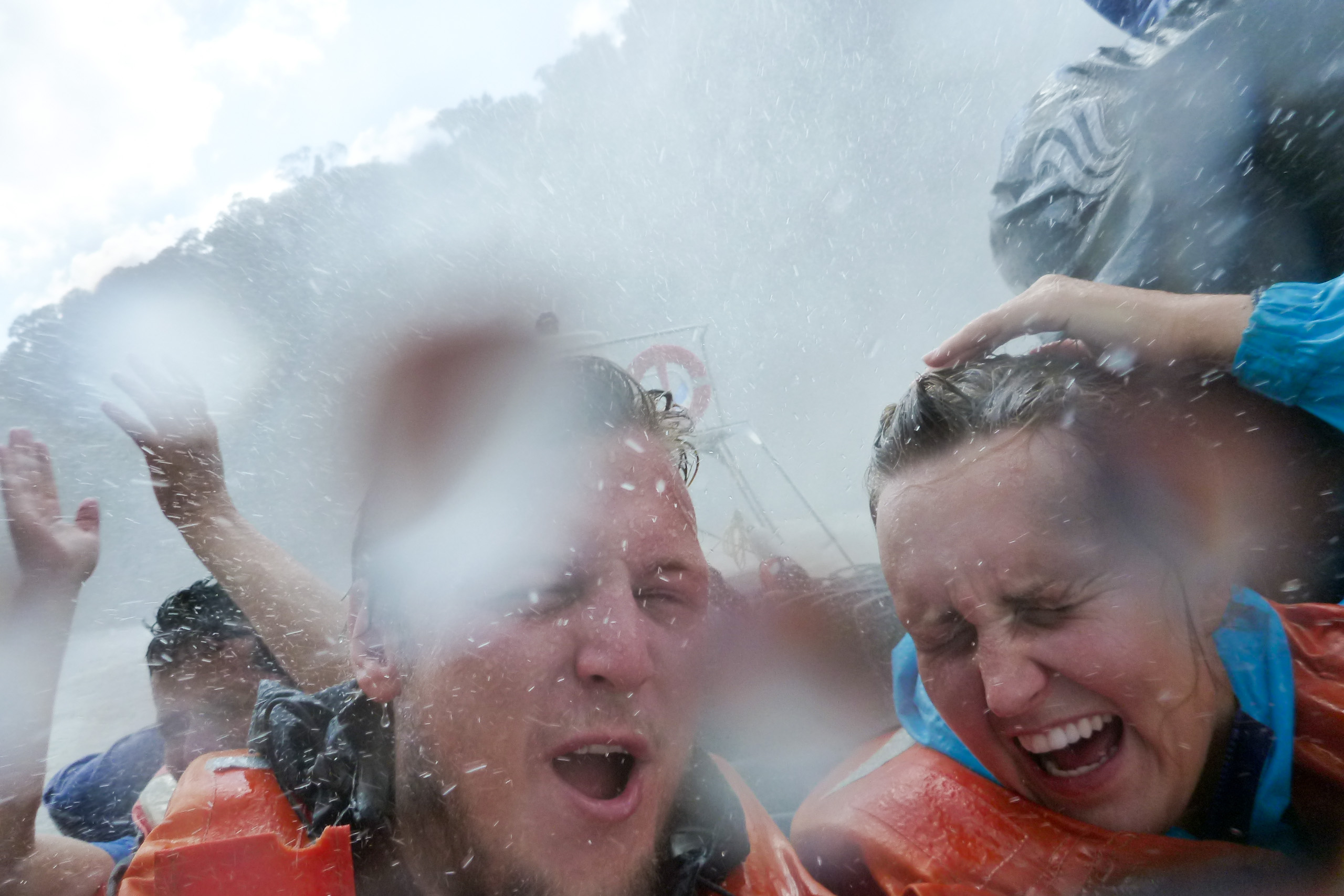
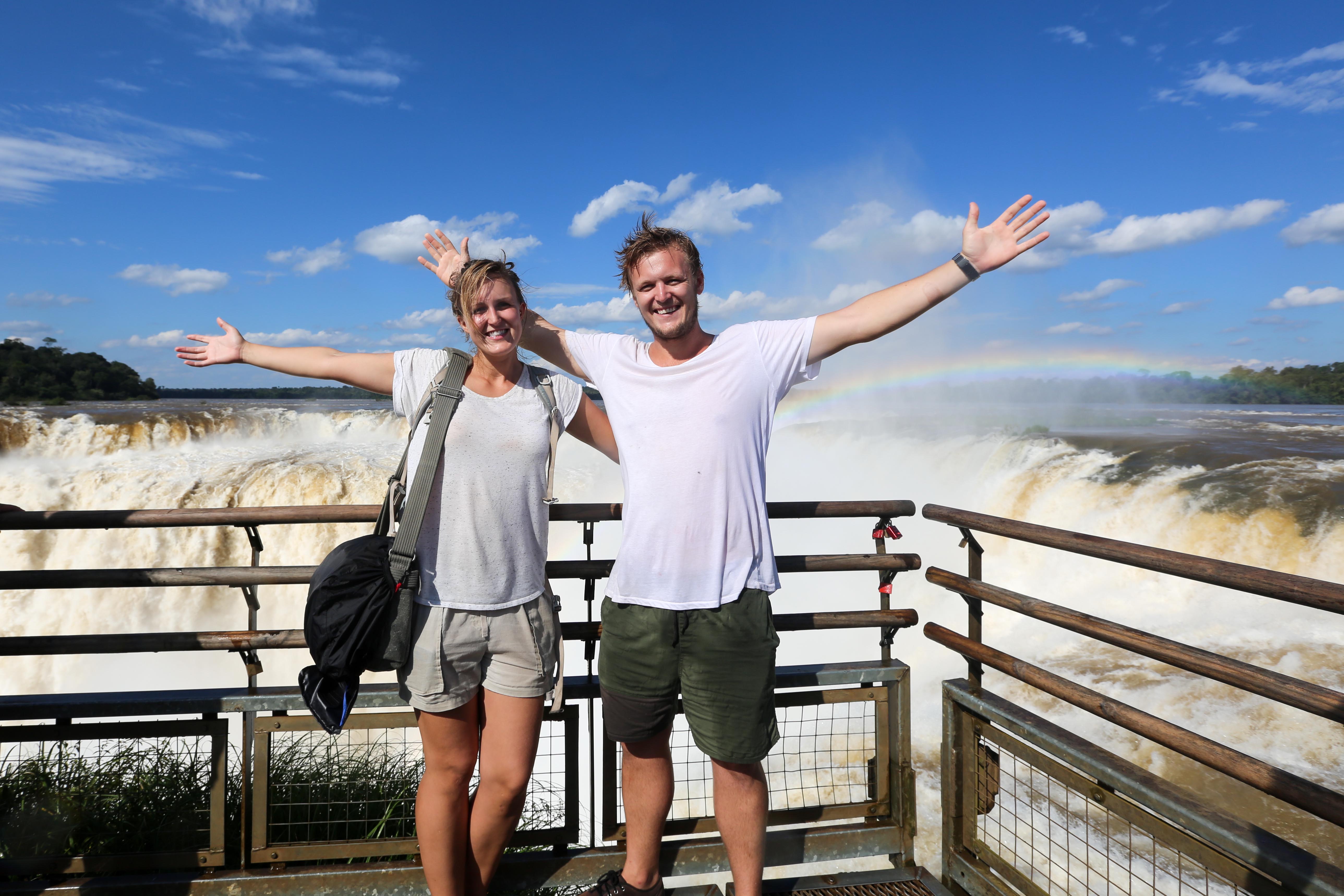
 We walked down to the river’s edge where we boarded a small boat to take us right in to the centre of the falls, know as the Garganta del Diablo (Devil’s Throat). As you board they give you dry bags for your belongings and you soon realise why as the powerful water absolutely saturates everything around you. It was hard to keep your eyes open as the water poured down and I found myself laughing hysterically as water sprayed in my eyes and nose and ears – we were really wet!
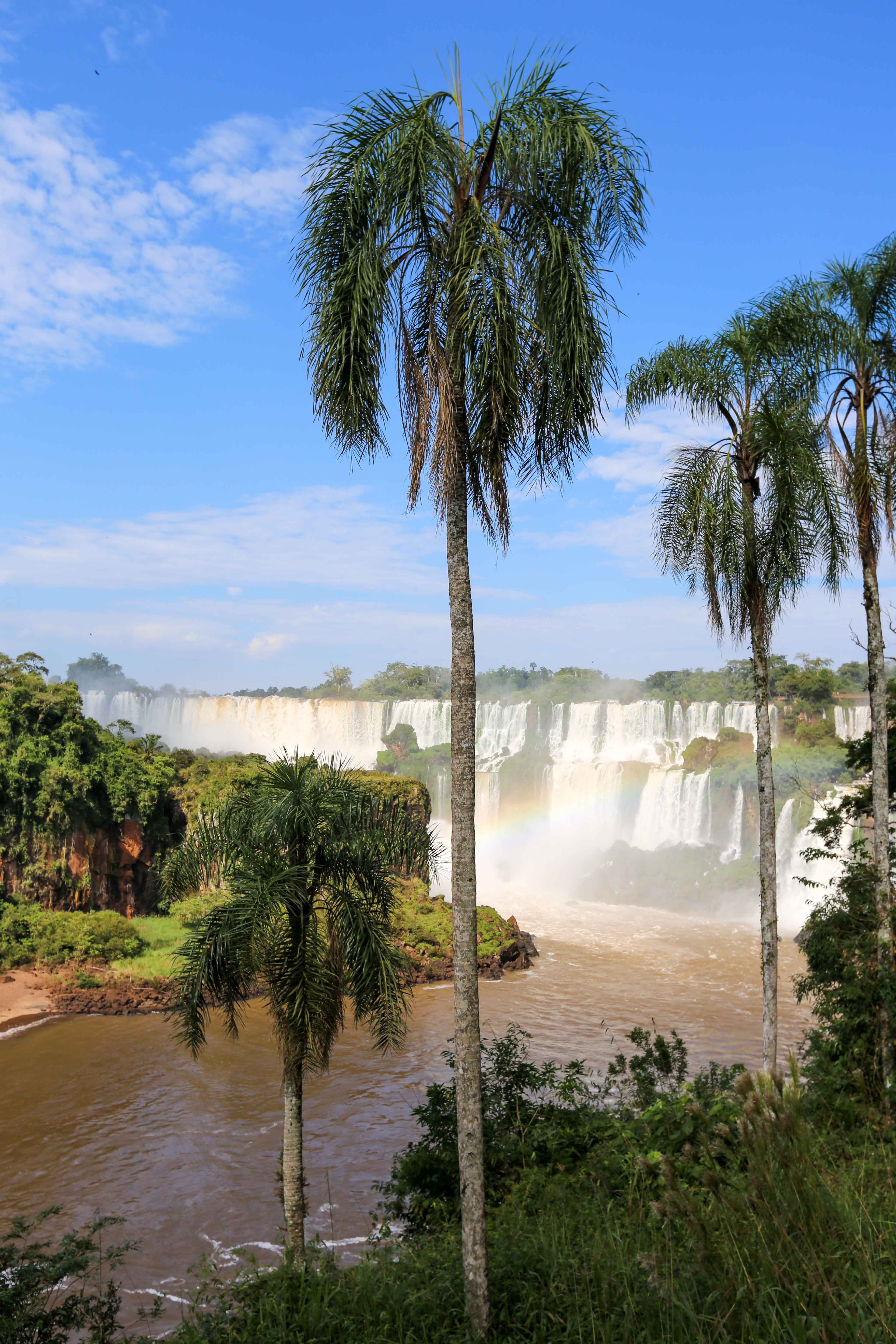
 After drying out a little, we continued walking the boardwalks around the falls. It was strange feeling safe and sound on the boardwalk, knowing that if you were just a metre to the other side you could be washed away. The scenery surrounding the falls is just as beautiful as the falls themselves, incredibly green with large palm trees and hundreds of butterflies flying around. The sun was shining which was great as it created many of the famous rainbows that hover above the falls.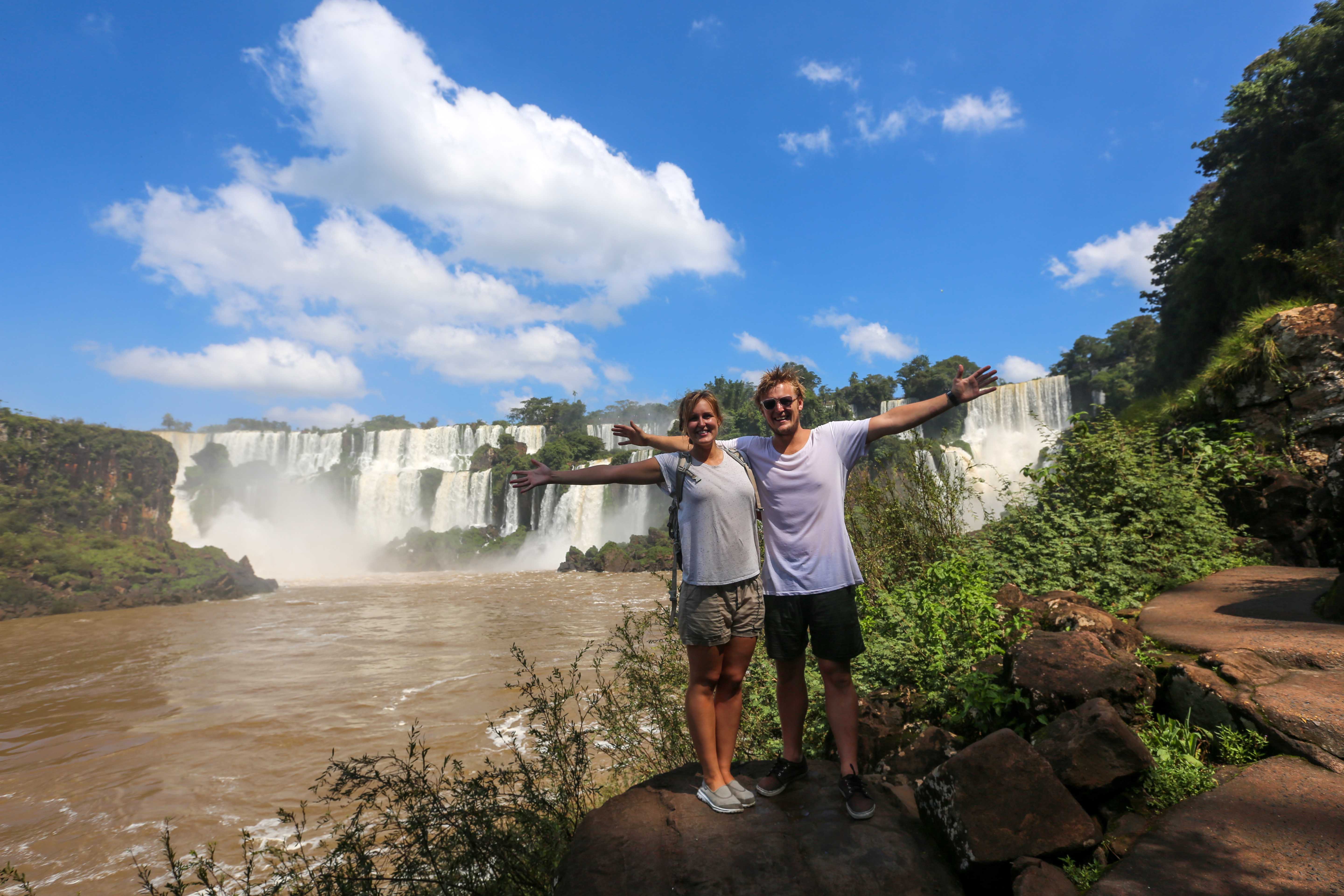


 We took photo after photo, competing against the hoards of Argentinian tourists that surrounded us. It seemed like every time you looked up, there was some different angle or area that you hadn’t seen before resulting in basically a million photos that look pretty much the same but it’s just so hard to not be continually amazed by the panorama.

 Finishing our day, we caught the train to the top of the falls where a boardwalk across the river takes you to the very centre, directly above the Garganta del Diablo. The volume of water falling down at this section is incredible and the roaring sound it creates gives you a real appreciation for just how powerful the falls are. Having now witnessed it for ourselves I think it is something that everyone should try and see in their lifetime.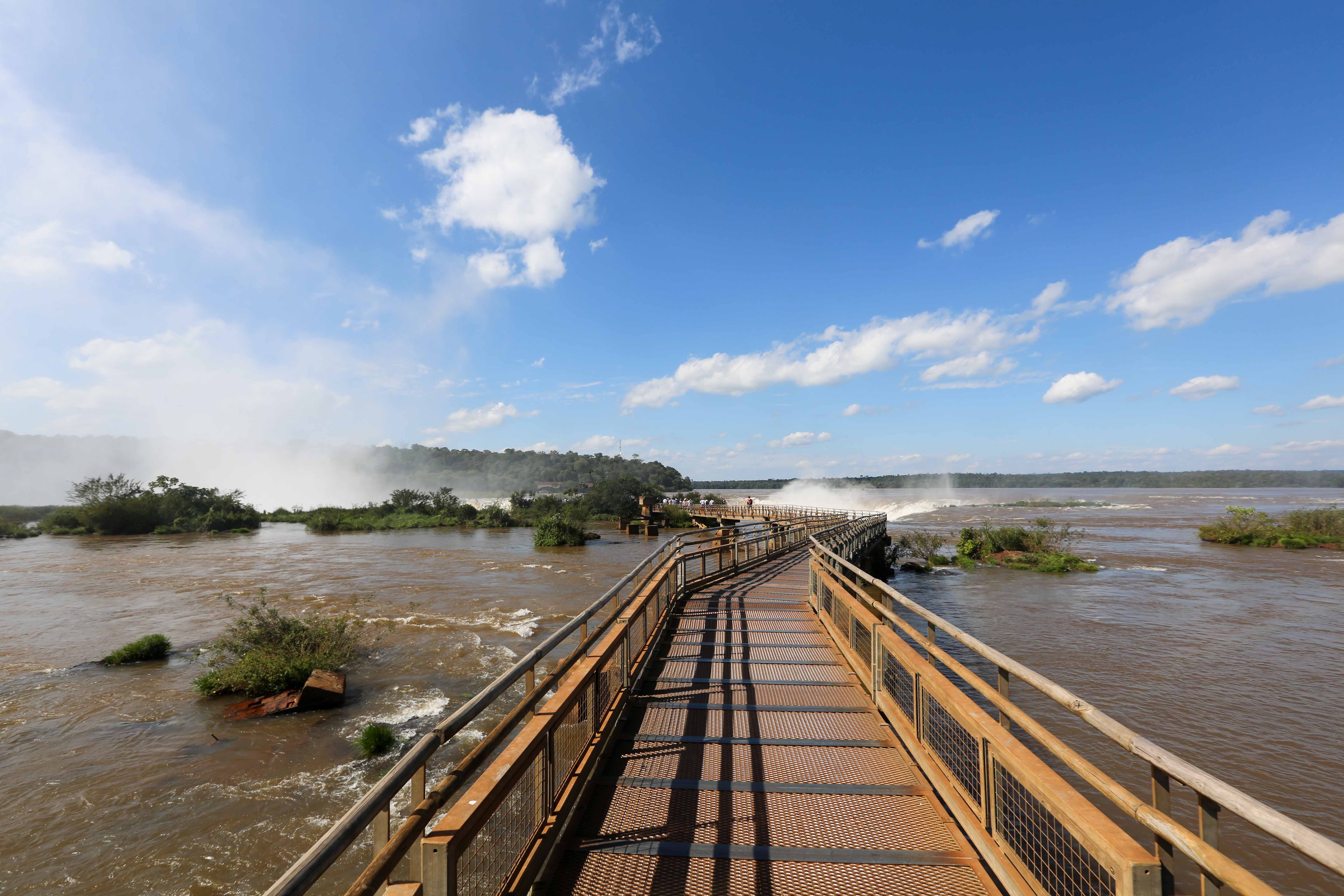









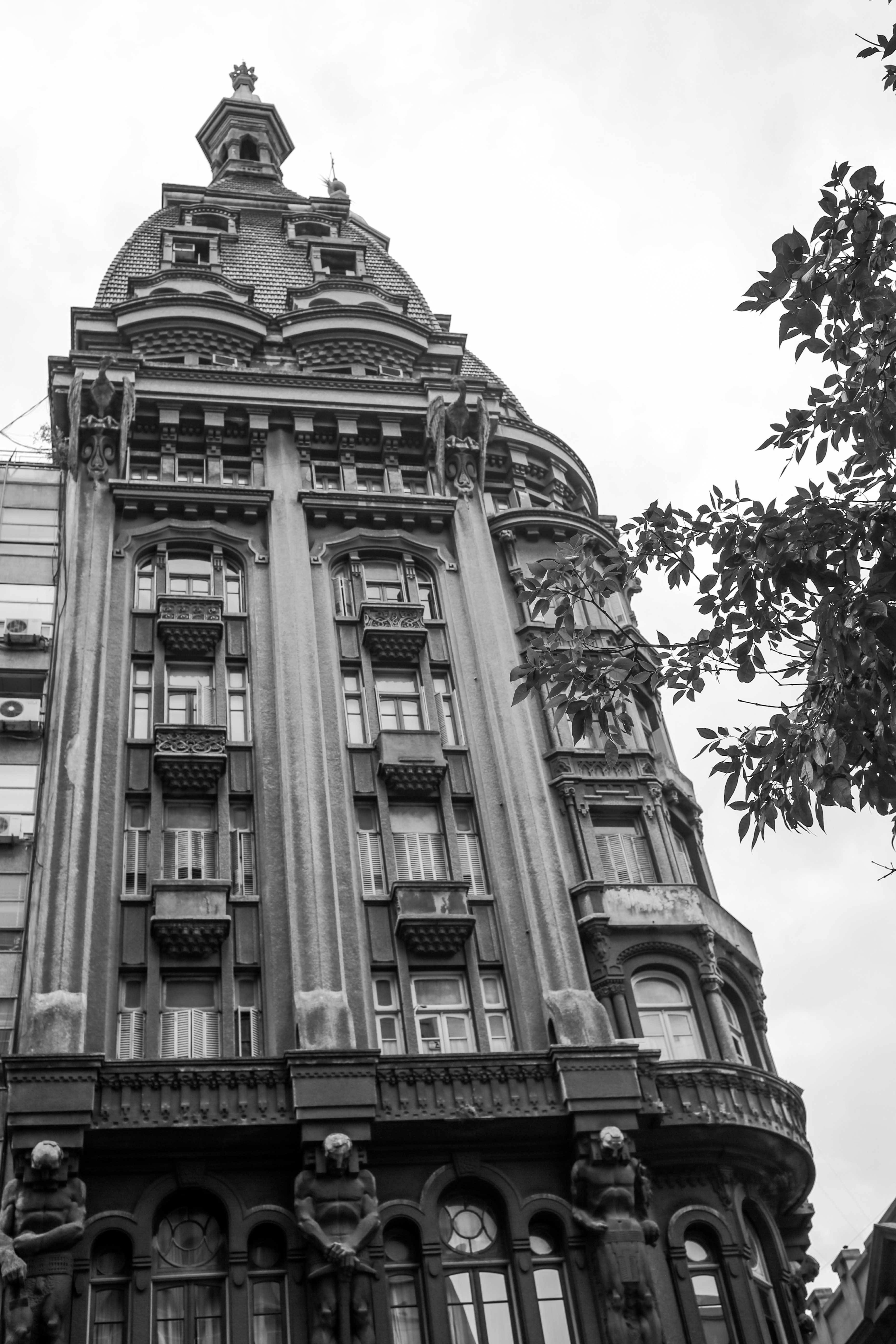
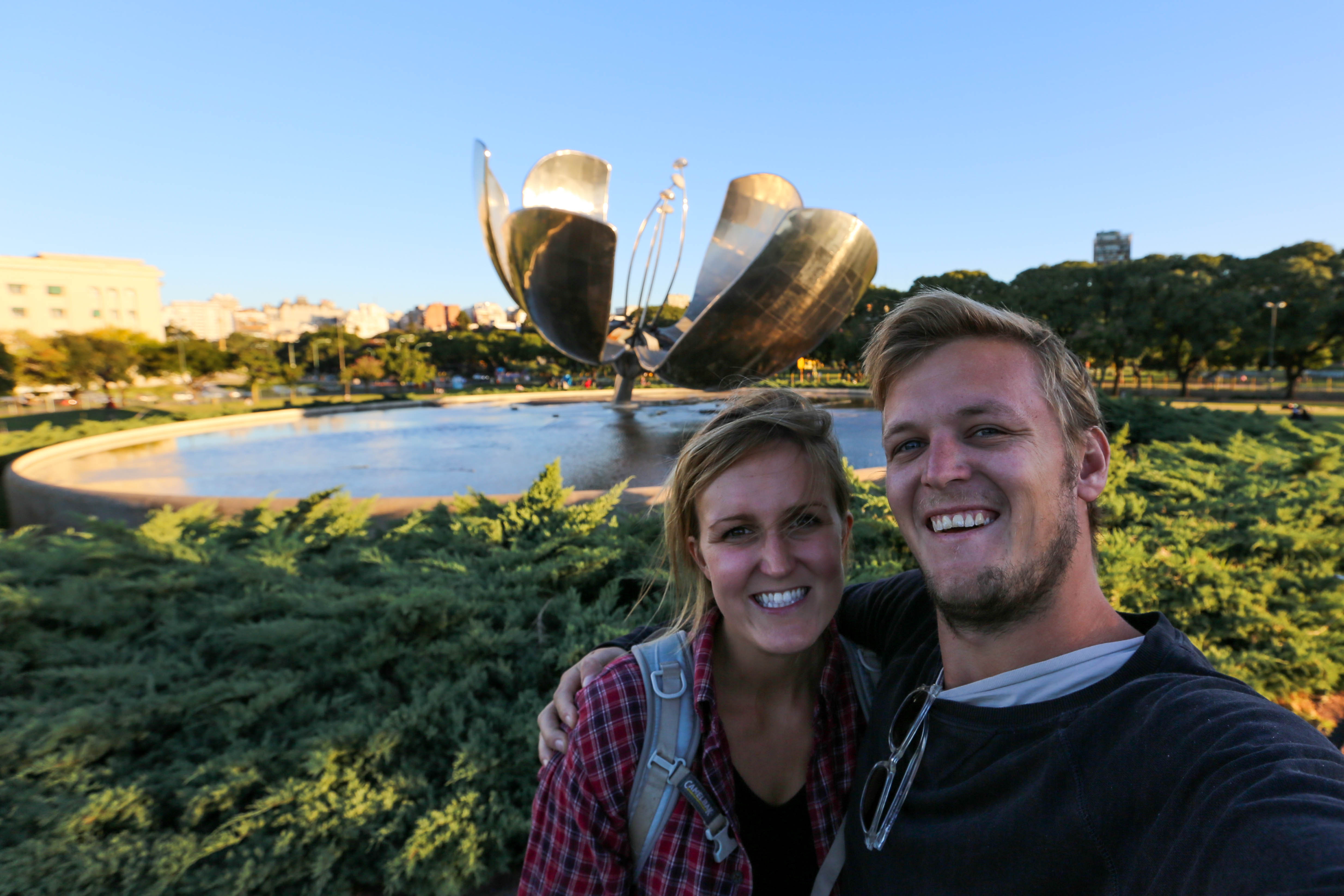
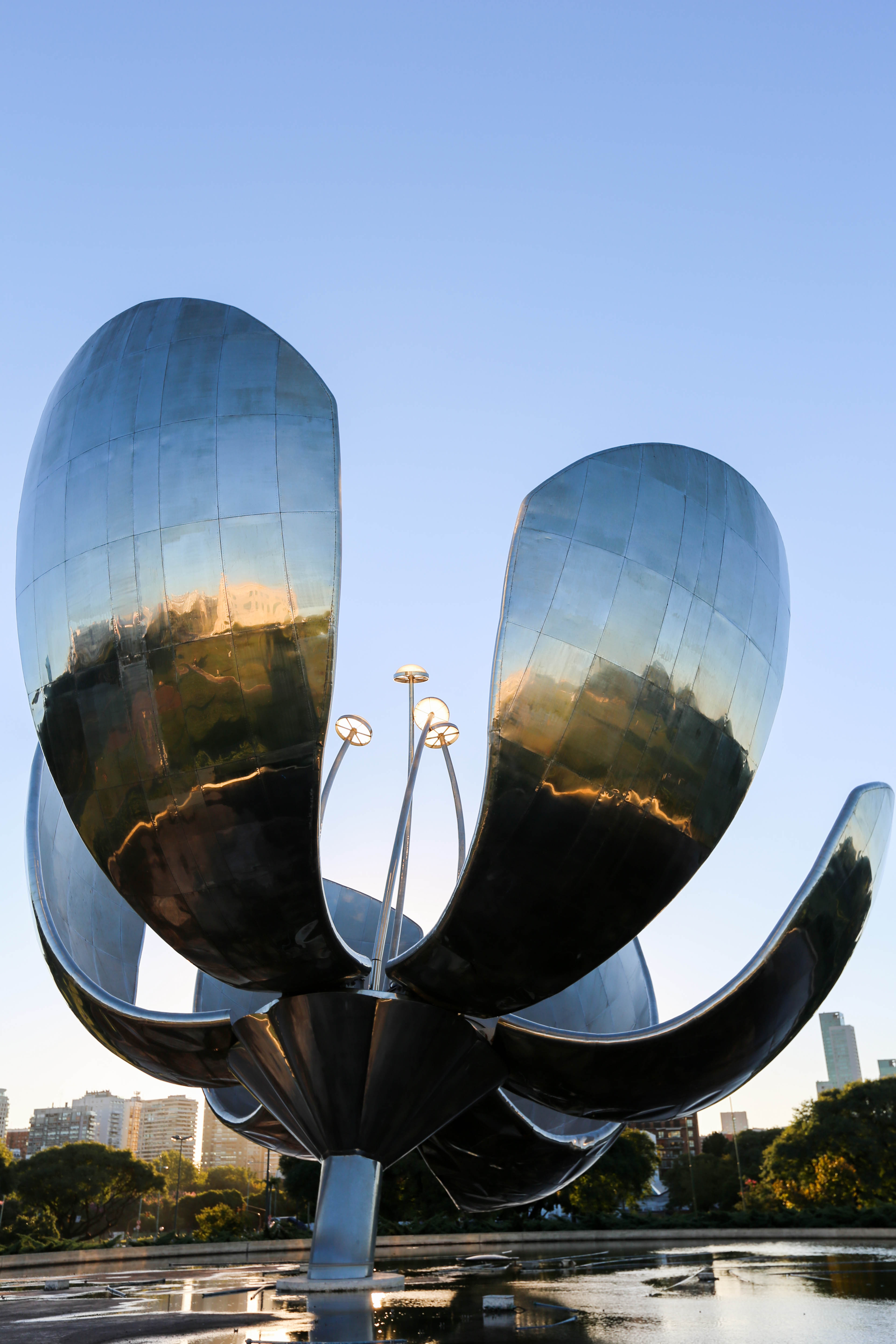
 In our days to follow we participated in various walking tours, our first to Retiro and Recoleta, two of the most exclusive and wealthy neighbourhoods of BA. We walked down Av Alvear which is full of impressive old mansions and continued to Recoleta Cemetery, home of the tombstone of Argentina’s most celebrated first lady, Eva Peron. The cemetery is quite incredible, almost like a small neighbourhood in itself (except your neighbours never stop to say hello… sorry, really bad joke). We walked through the grid of family crypts, containing the remains of the city’s elite before continuing on our tour and visiting the famous flower artwork which used to open and close its petals throughout the day however no longer works. It was given to BA as a gift from an artist but when it broke down, BA claimed it never actually wanted the gift and therefore refused to fix it, which is quite a shame.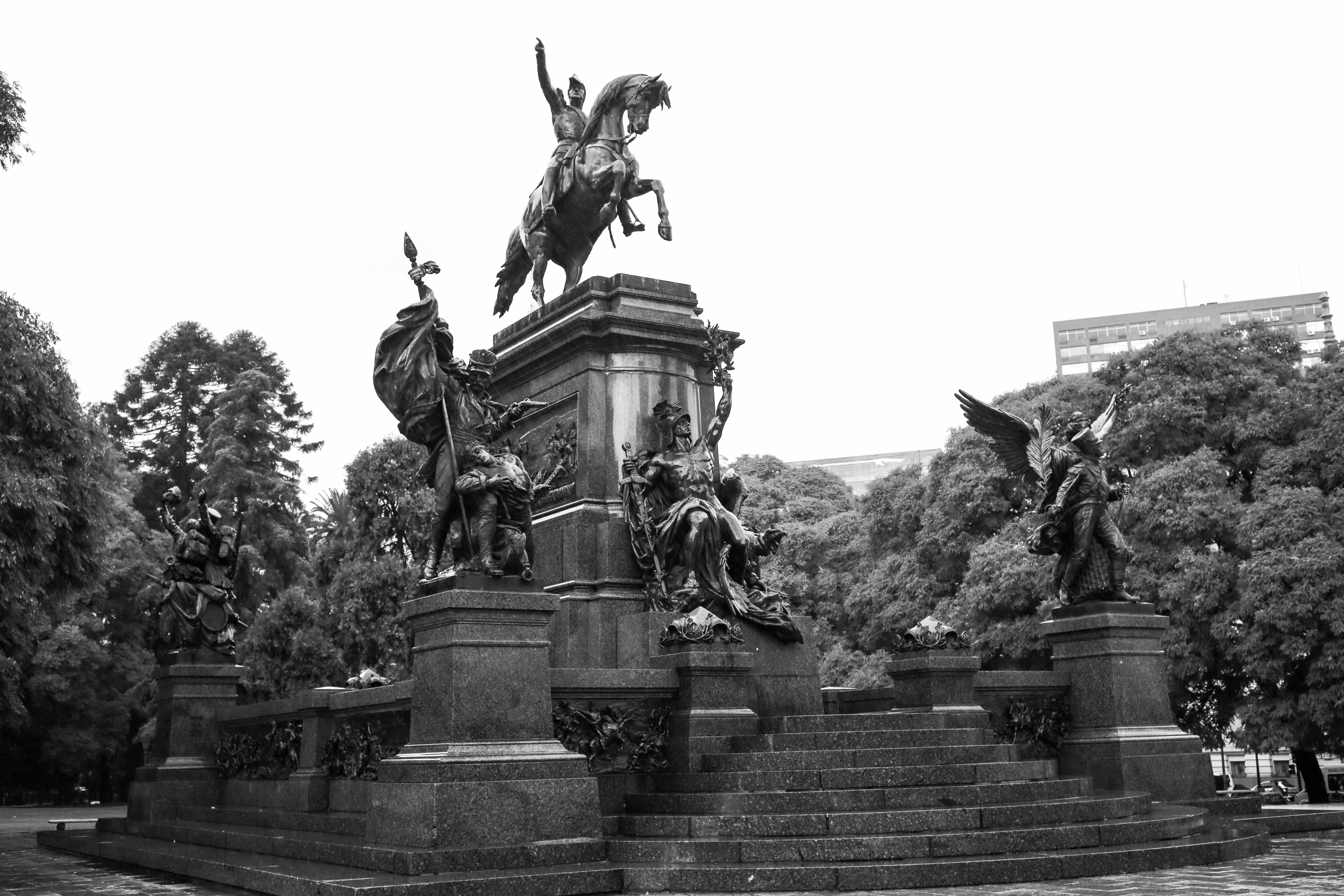

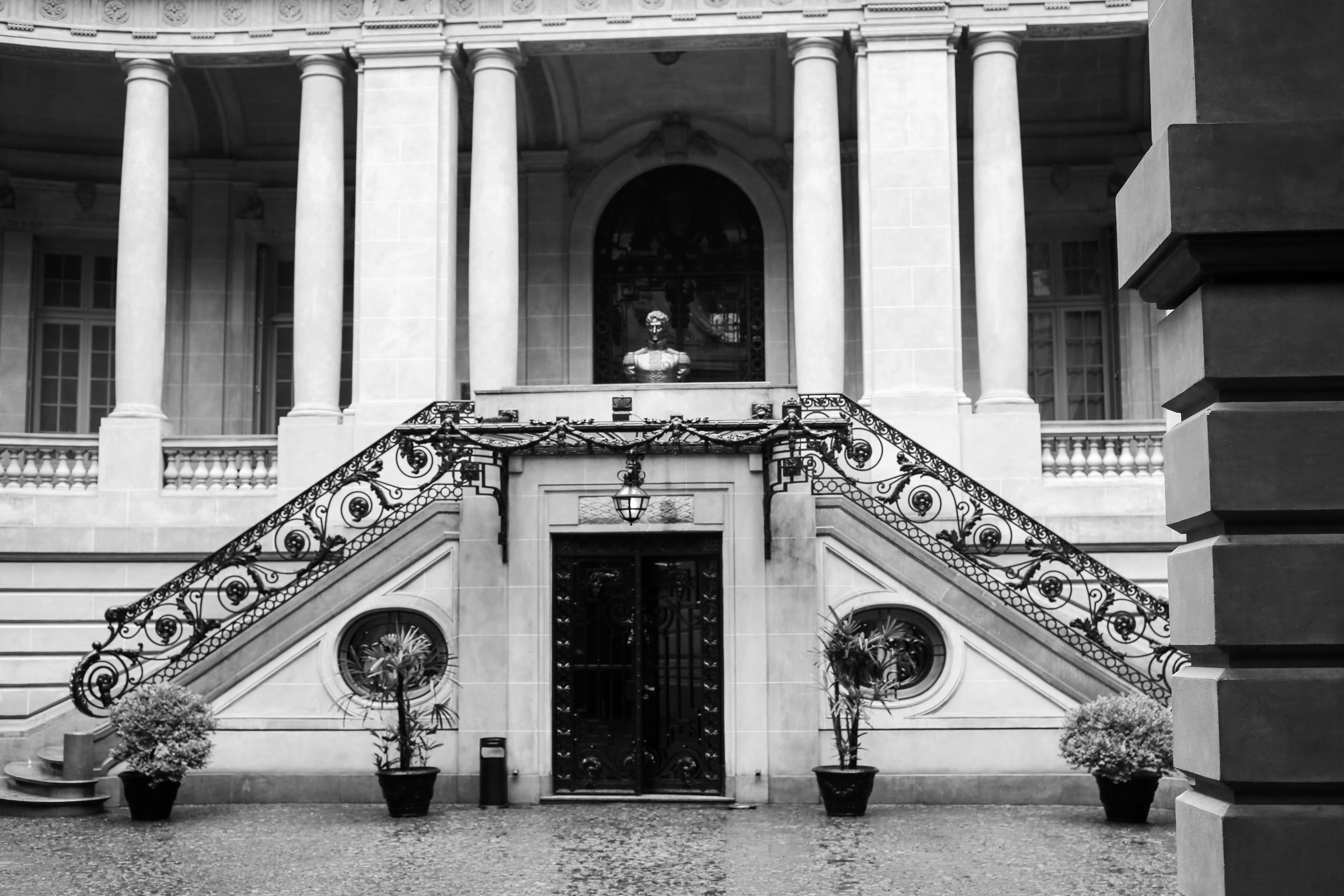
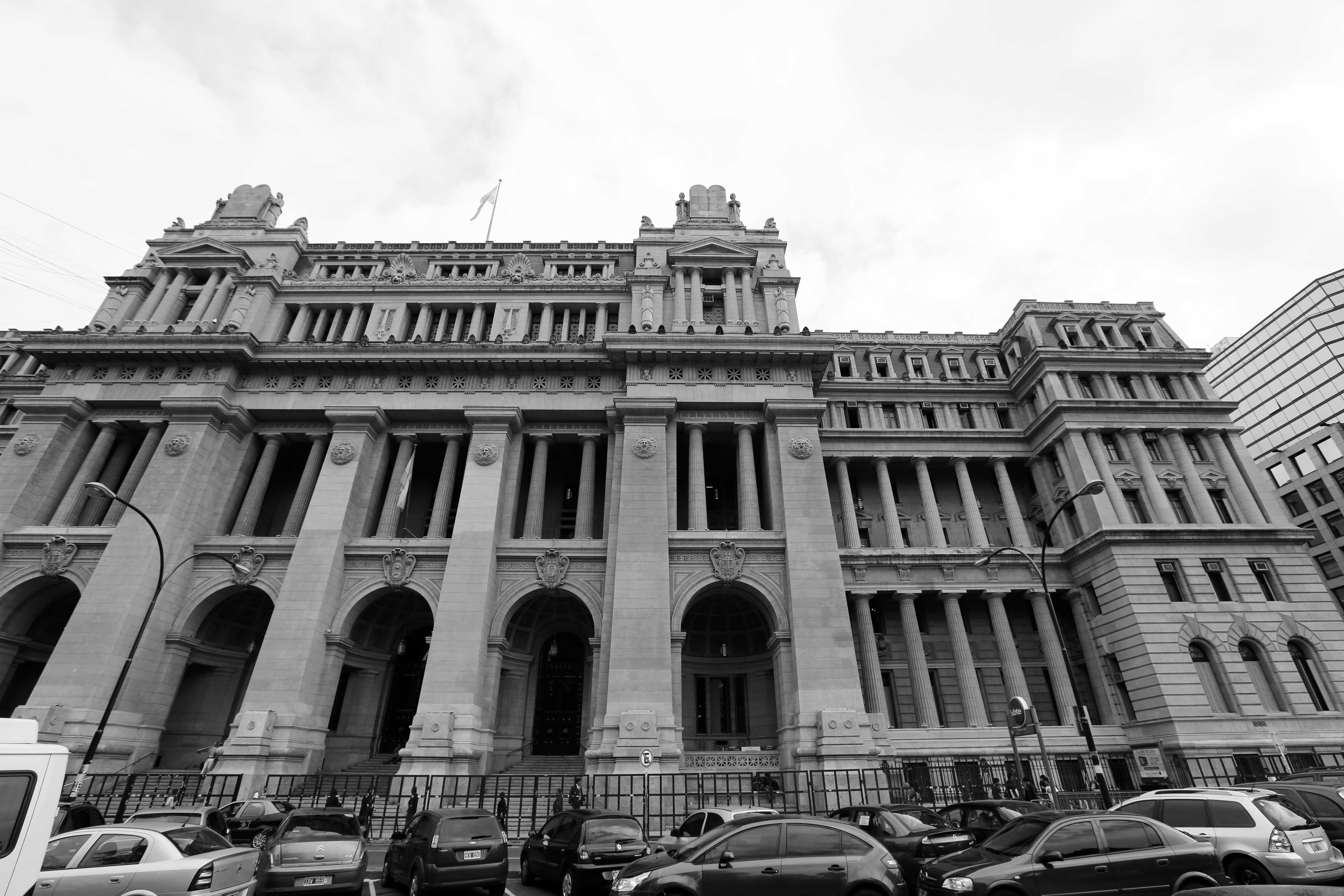
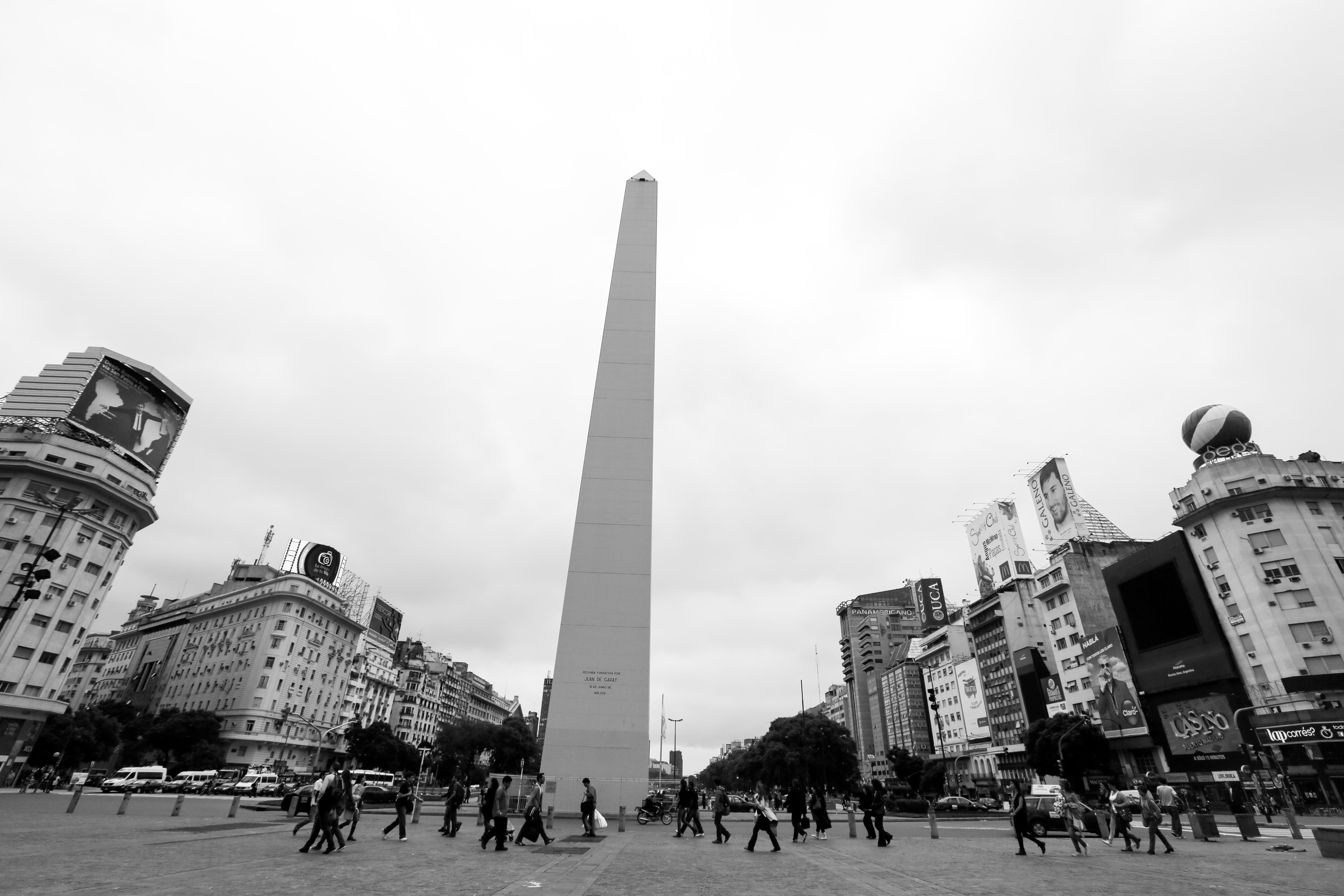
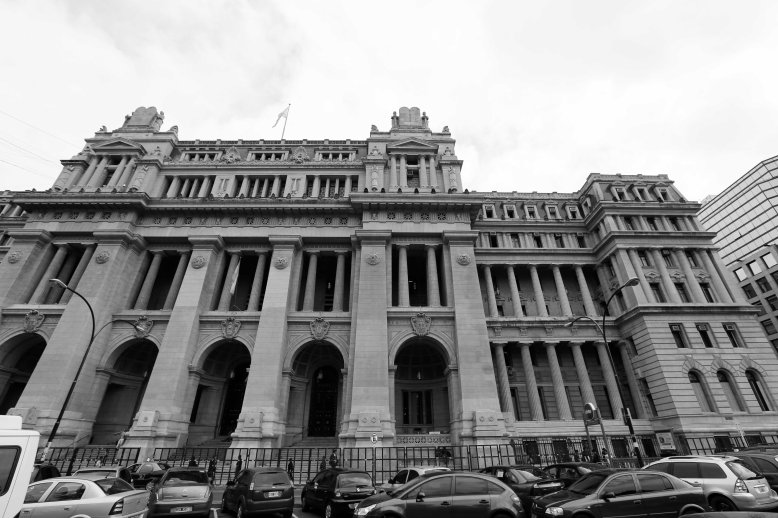
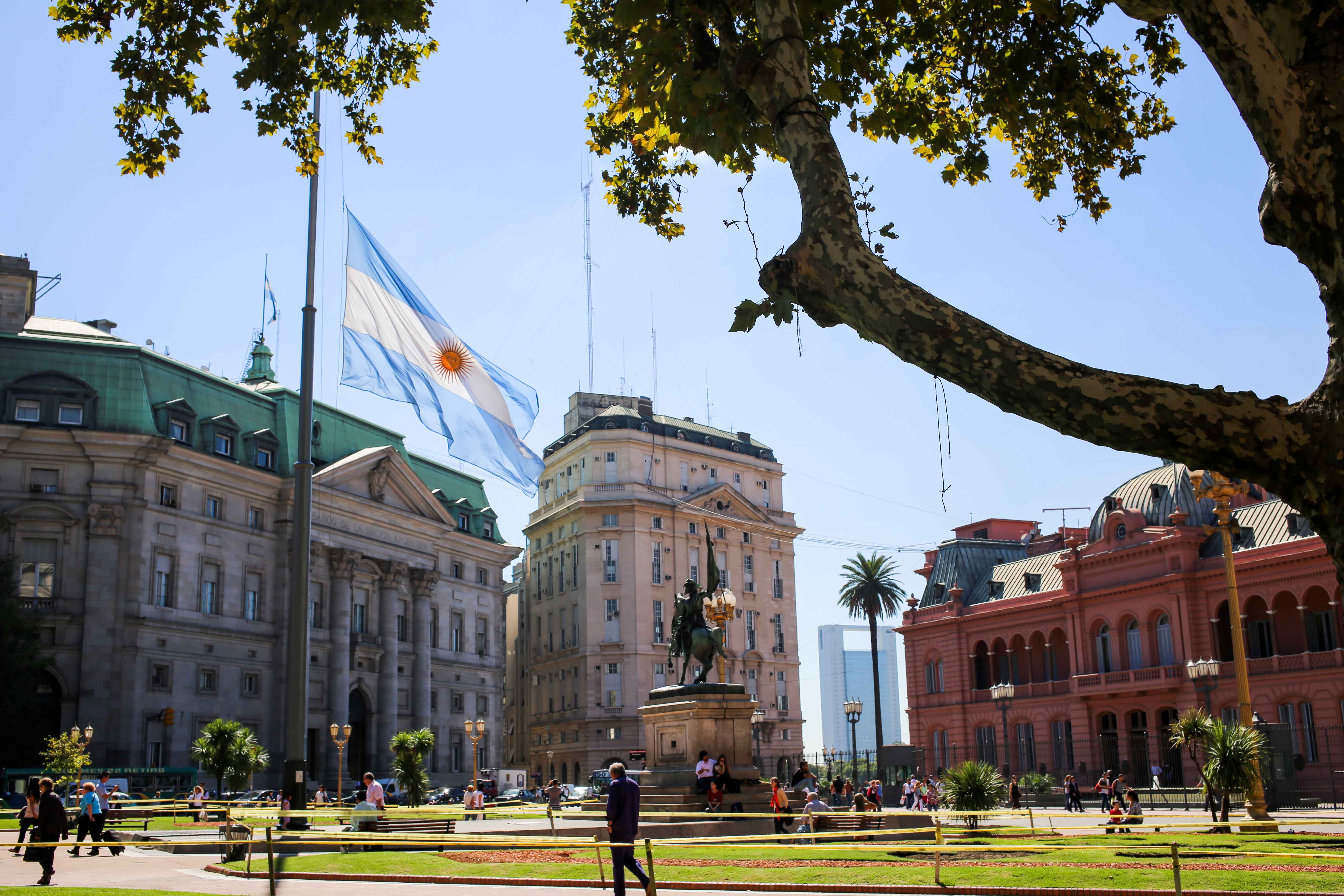
 Our next day was spent exploring the Microcentro and Congreso neighbourhoods of the city, home to business suits, skyscrapers and old European buildings. Separating the two neighbourhoods is the ‘widest street in the world’, Av 9 de Julio which at its widest is 16 lanes! In the middle of the street is the Obelisco, a 67m high monument standing tall amongst the hustle and bustle.

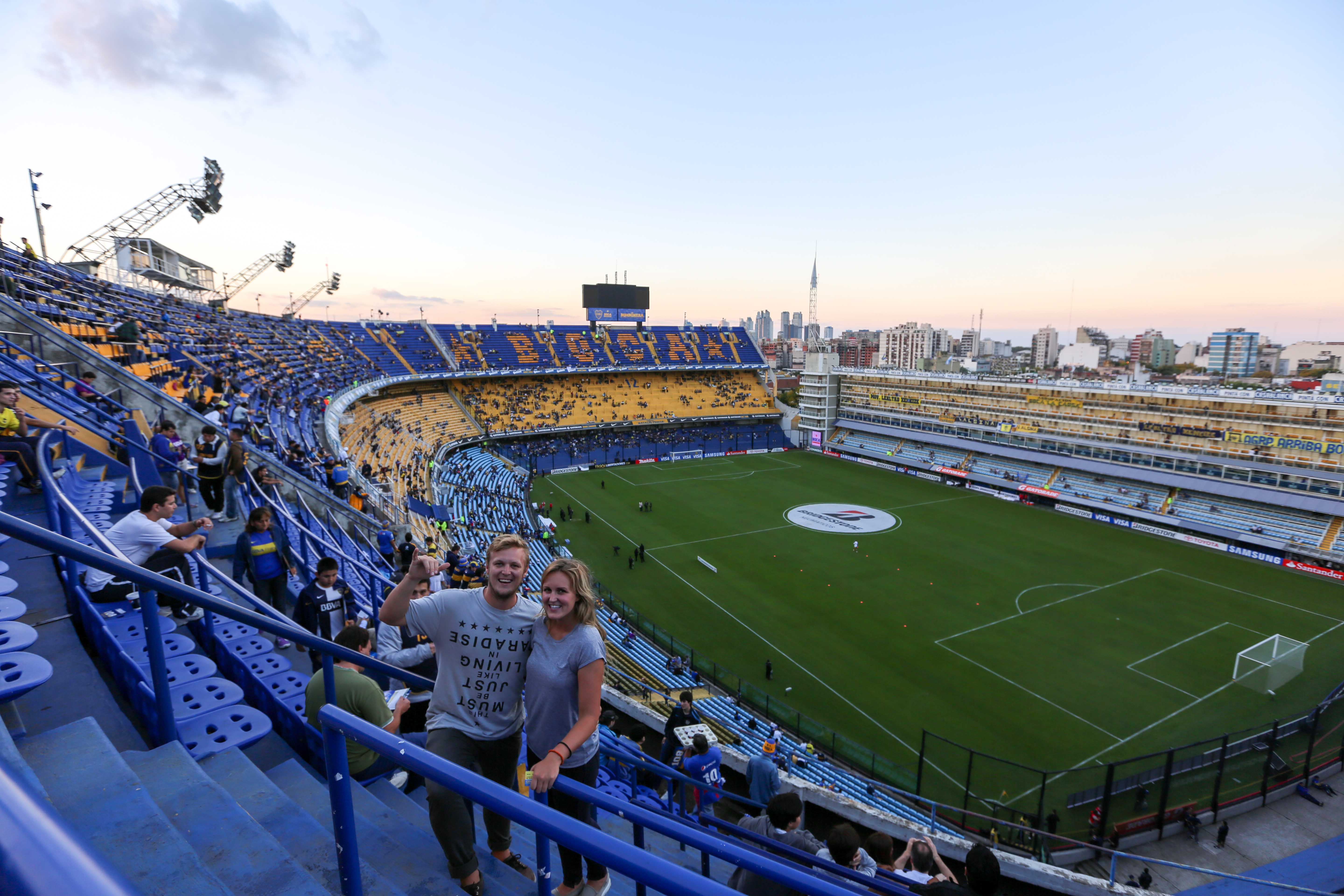
 We couldn’t come to BA without experiencing a futbol (their spelling not mine) match and the best team to watch is Boca Juniors, Argentina’s, if not South America’s most celebrated futbol team. We joined a group tour to the stadium, somewhat of a relief as the atmosphere at the stadium was tense to say the least. Argentinians really take their futbol seriously, so much so that armed guards and barb-wired fences separate the away team from the devoted Boca supporters.

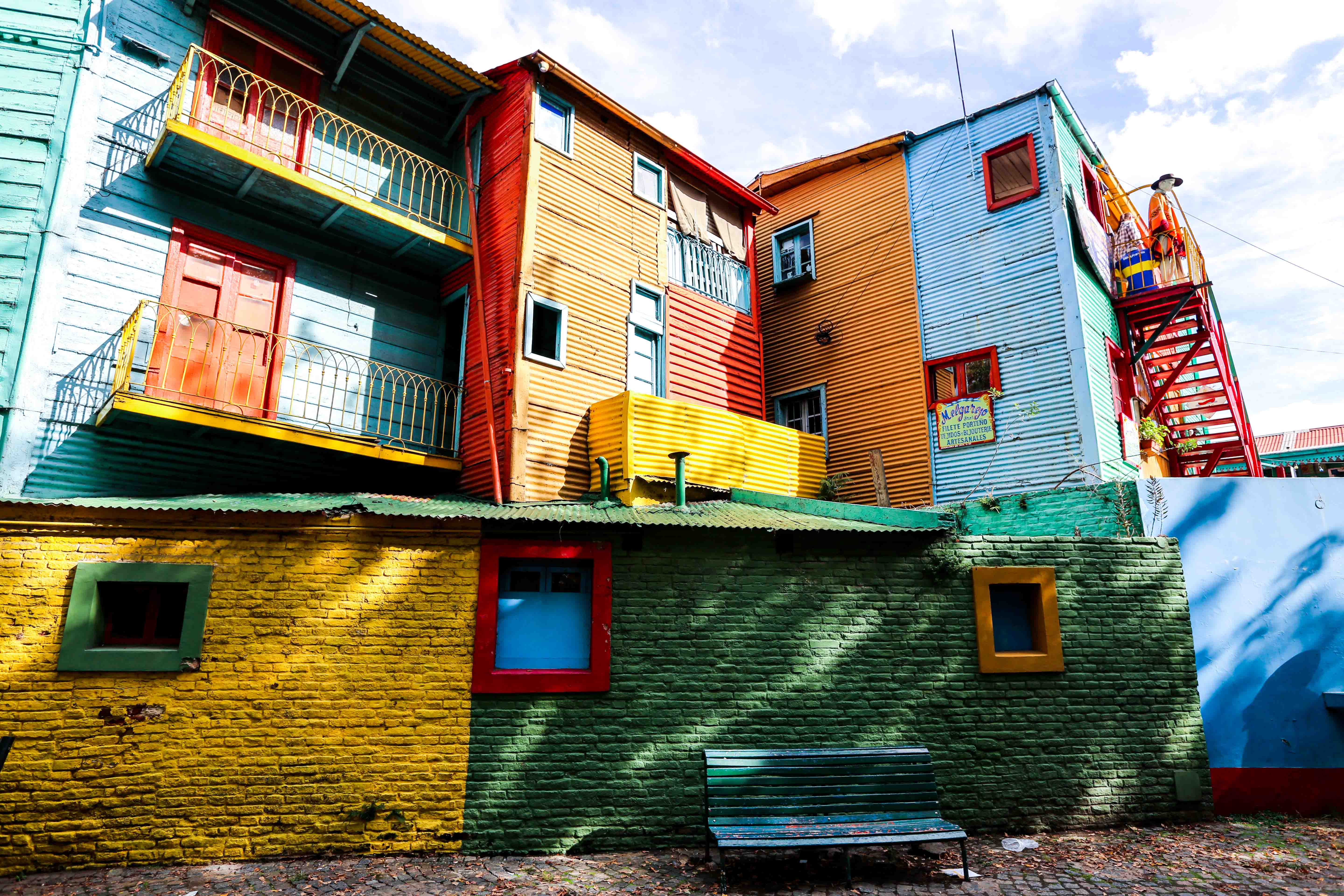
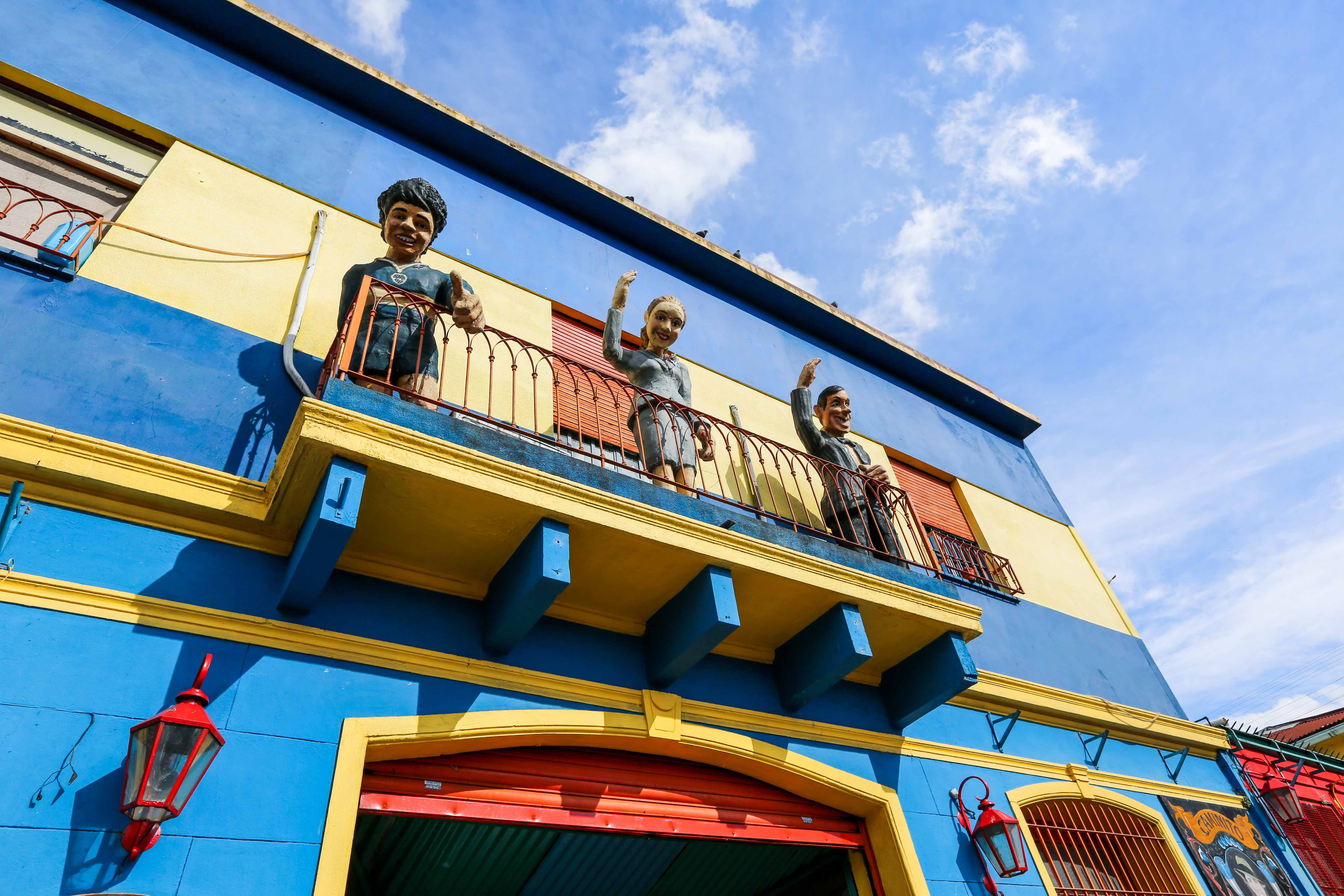
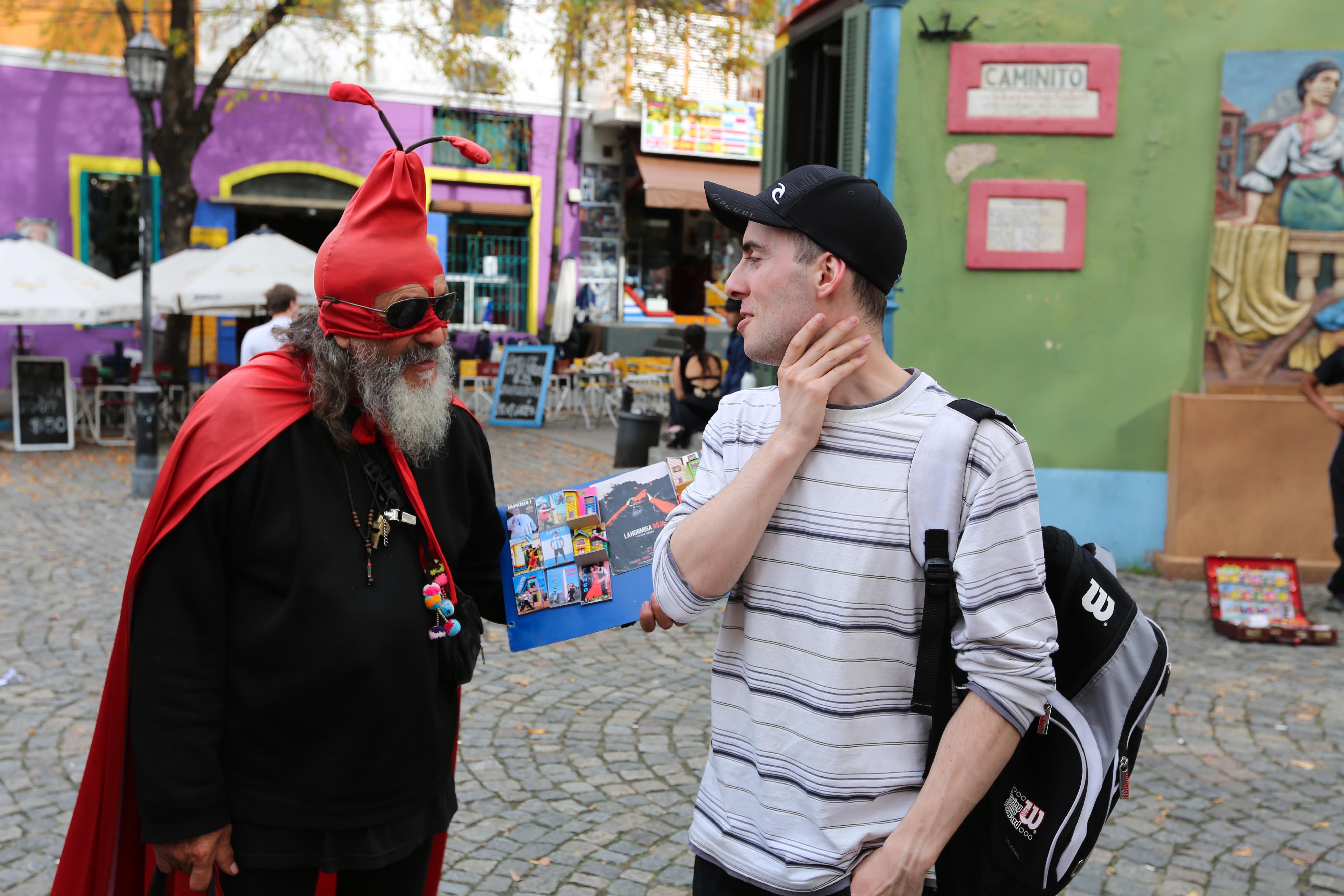
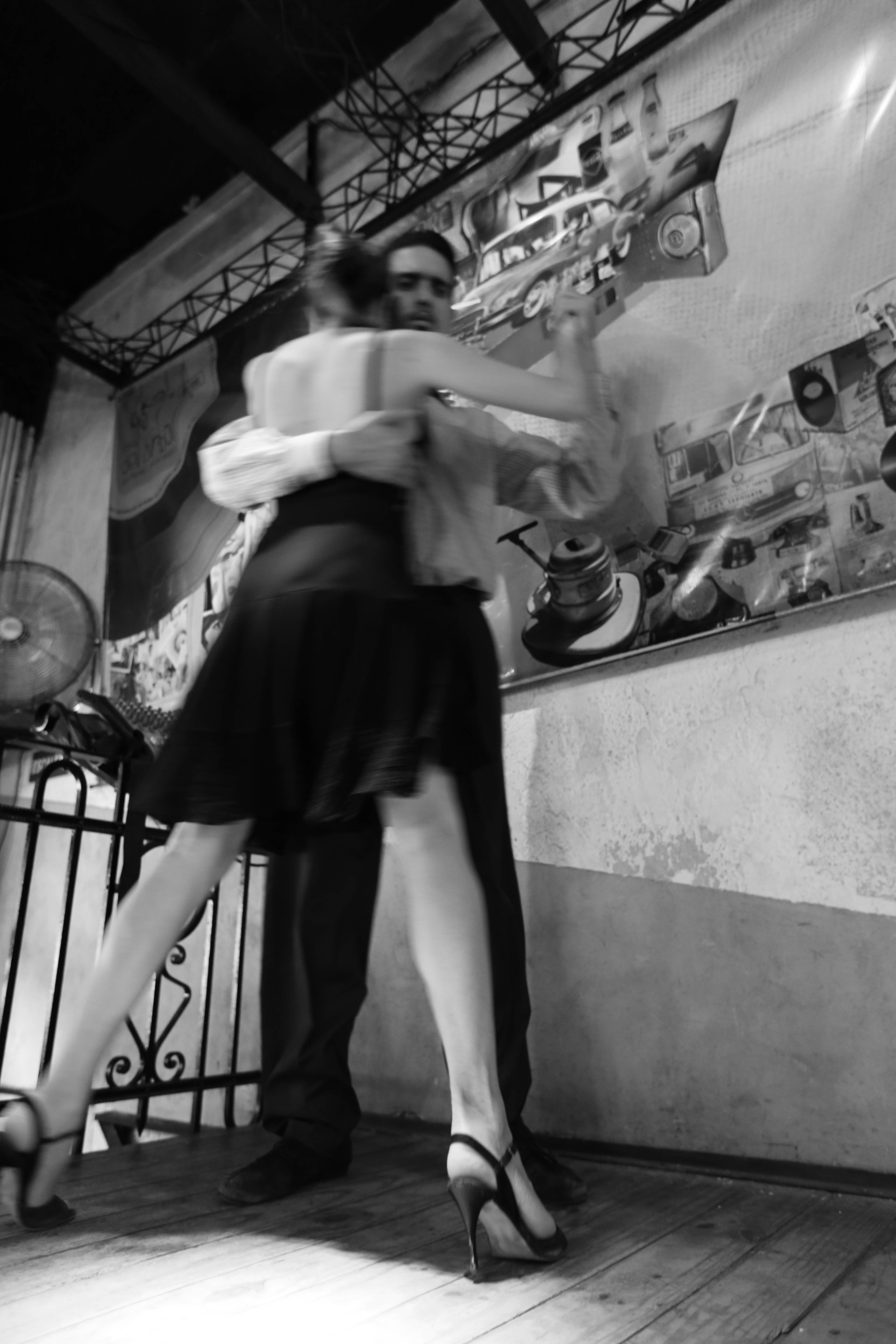
 Another day, another walking tour, this time exploring San Telmo and La Boca. San Telmo was originally won of the most attractive and affluent neighbourhoods in BA however in the late 19th century, following a Yellow Fever outbreak, it was deserted by the elite as they searched for higher and drier ground. Immigrant families flooded the area with old mansions divided to house the many poor families. Many say San Telmo was the birthplace of Tango with the various background immigrants coming together to create an emotional and original dance form. Nowadays its cobble stone streets are filled with antique stores, remnants of its past life and incredibly fun to explore.








 HEREWHEREWEARE