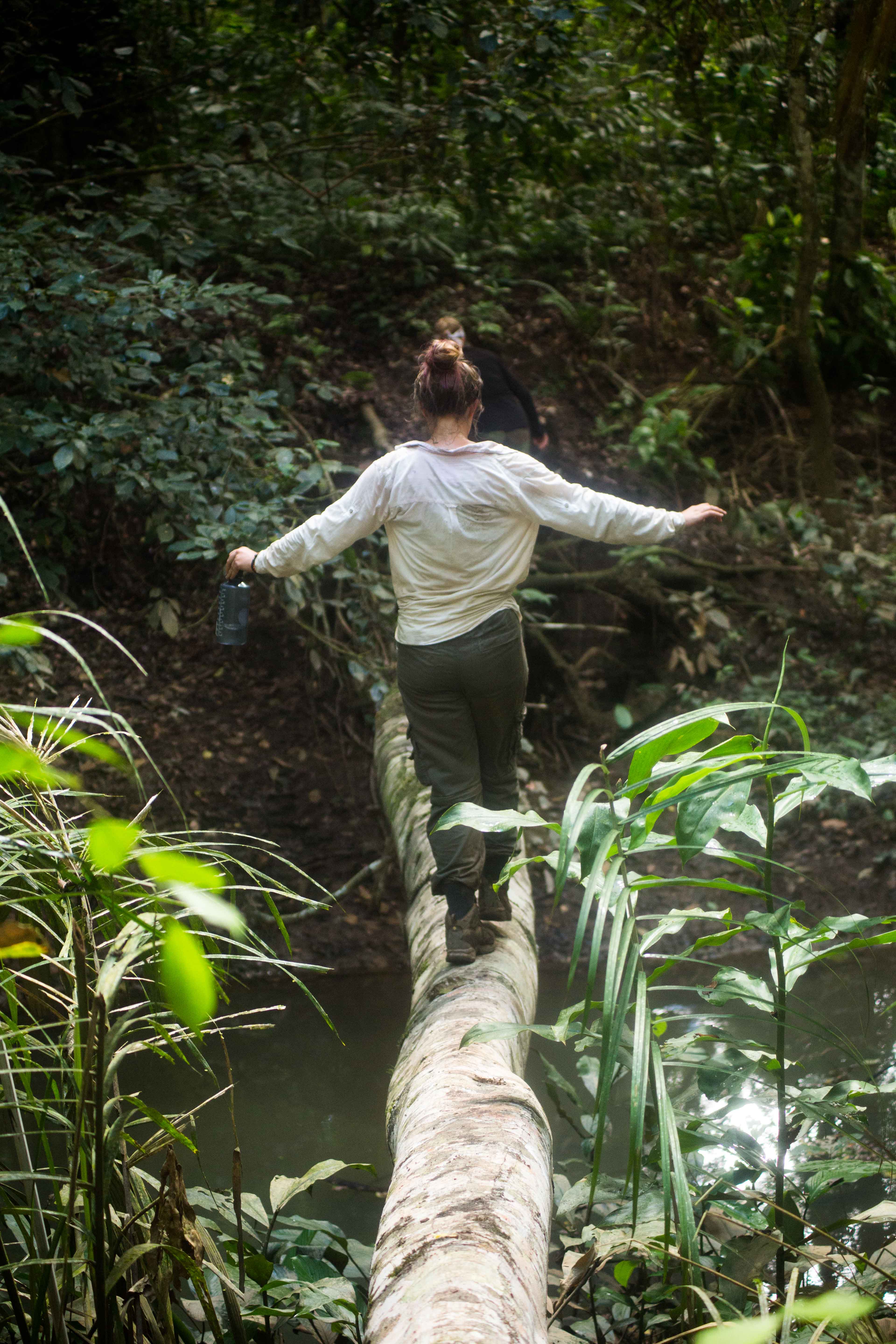
“We have to walk across that?”, we looked blankly at our guide Faizar on the other side of the river. He had just walked along a fallen down tree, 2 metres above the river bed and it was now apparent that we were to do the same. We followed one-by-one, loaded with our backpacks and curious exactly what would happen should one of us actually fall in! As each of us made our way across we breathed a sigh of relief but little did we know that would be the first of many river crossings to follow during our 4 days in the Selva.
sel.va
n.
A dense tropical rain forest usually having a cloud cover, especially one in the Amazon Basin
[Spanish, forest, from Latin silva.]
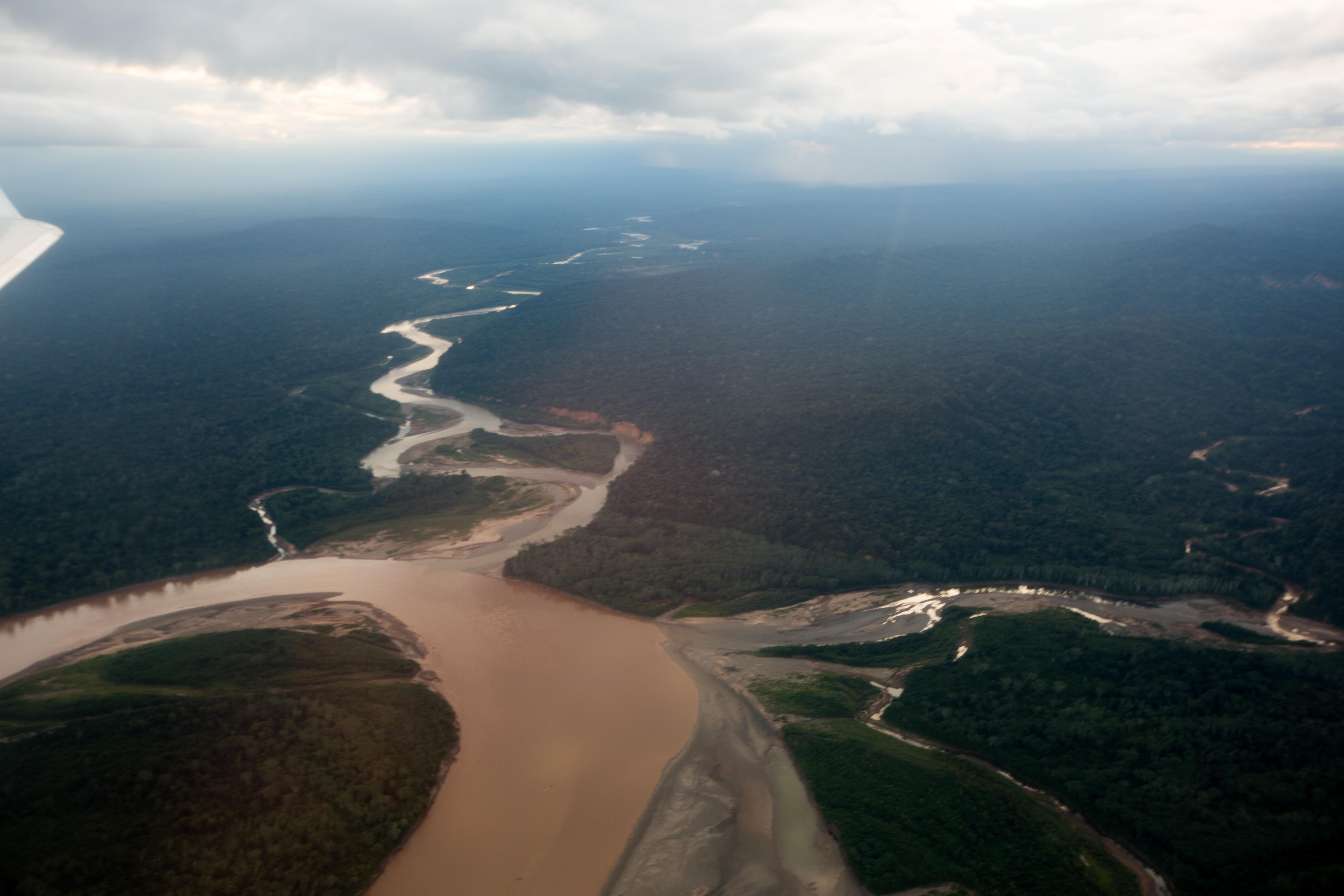
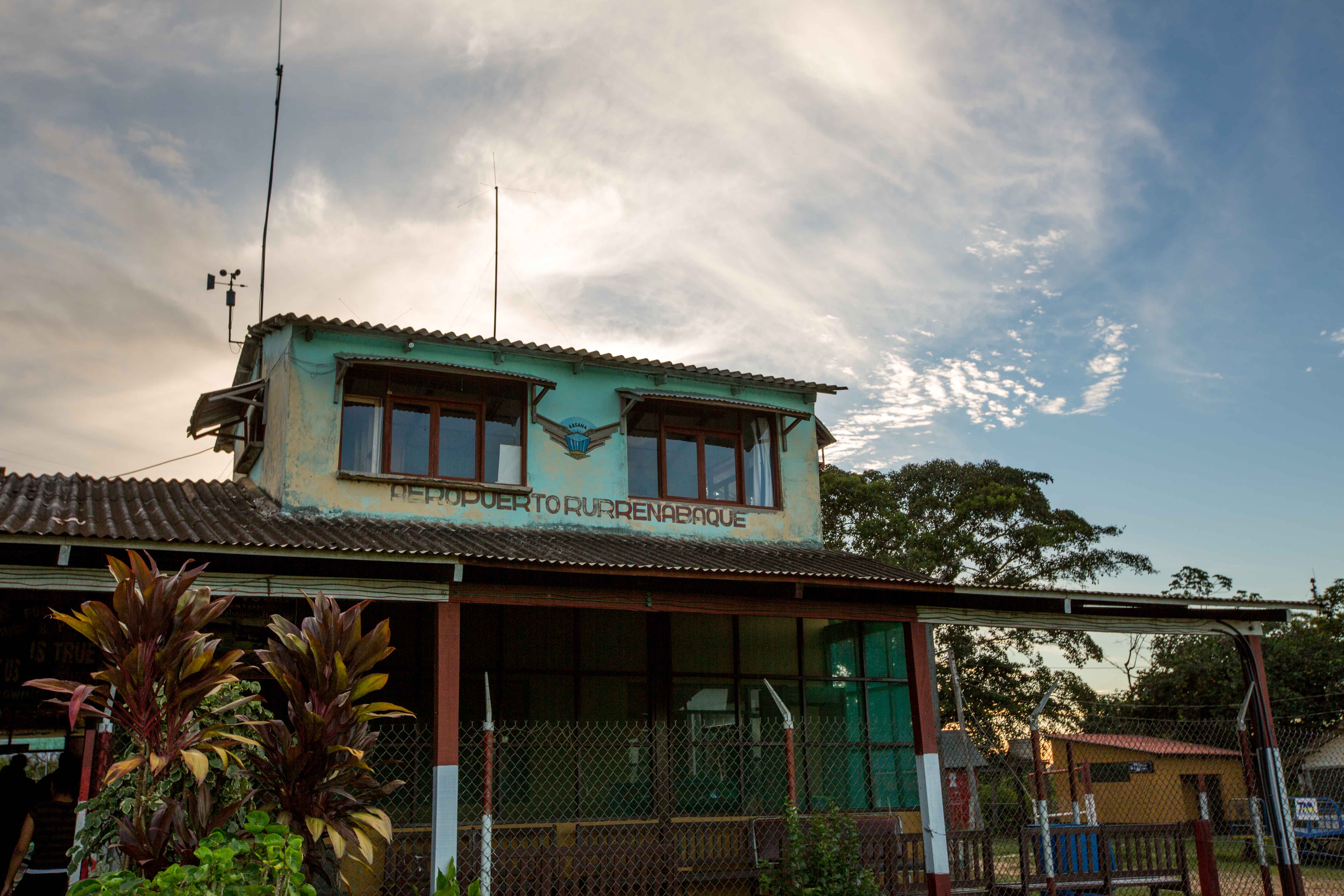
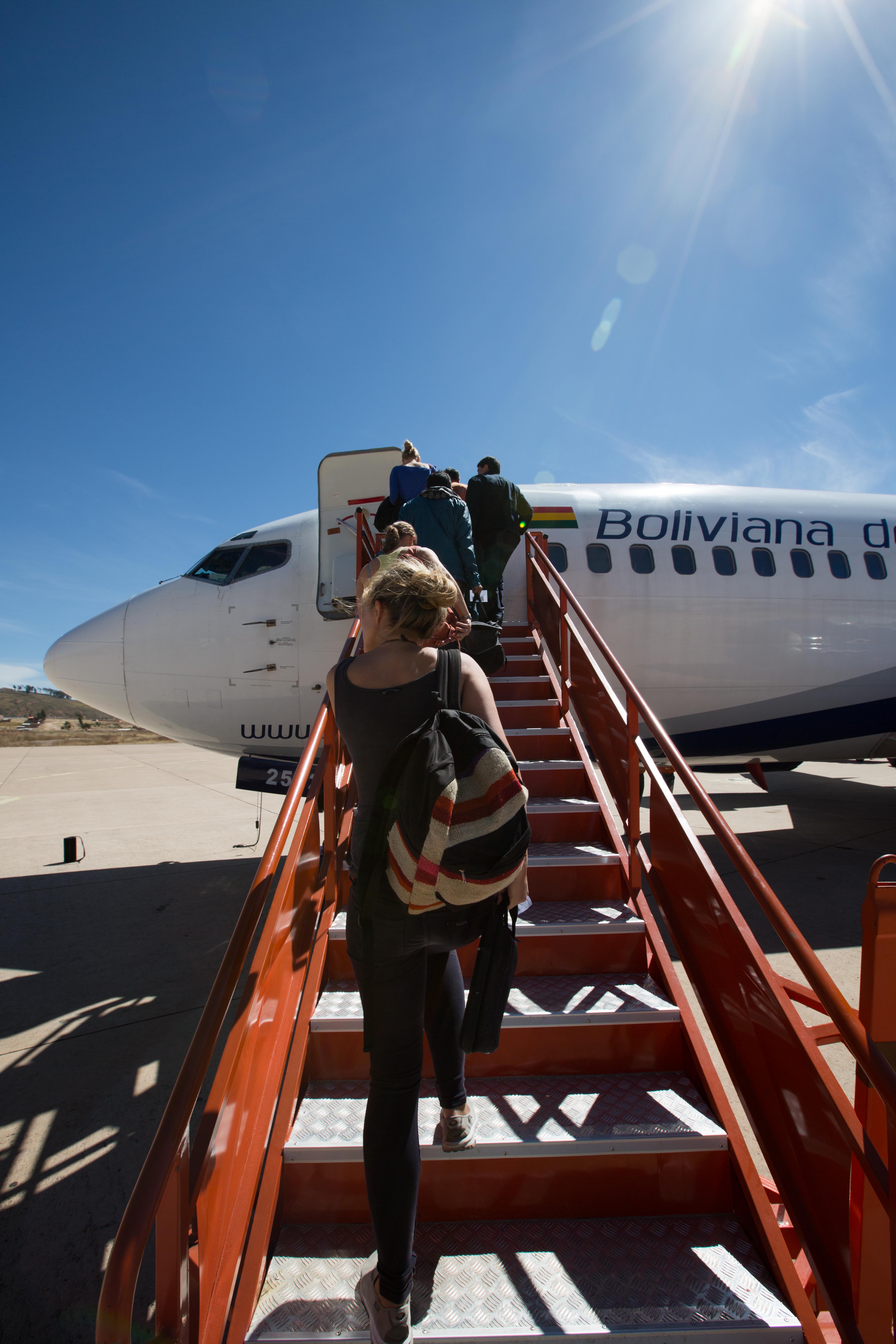
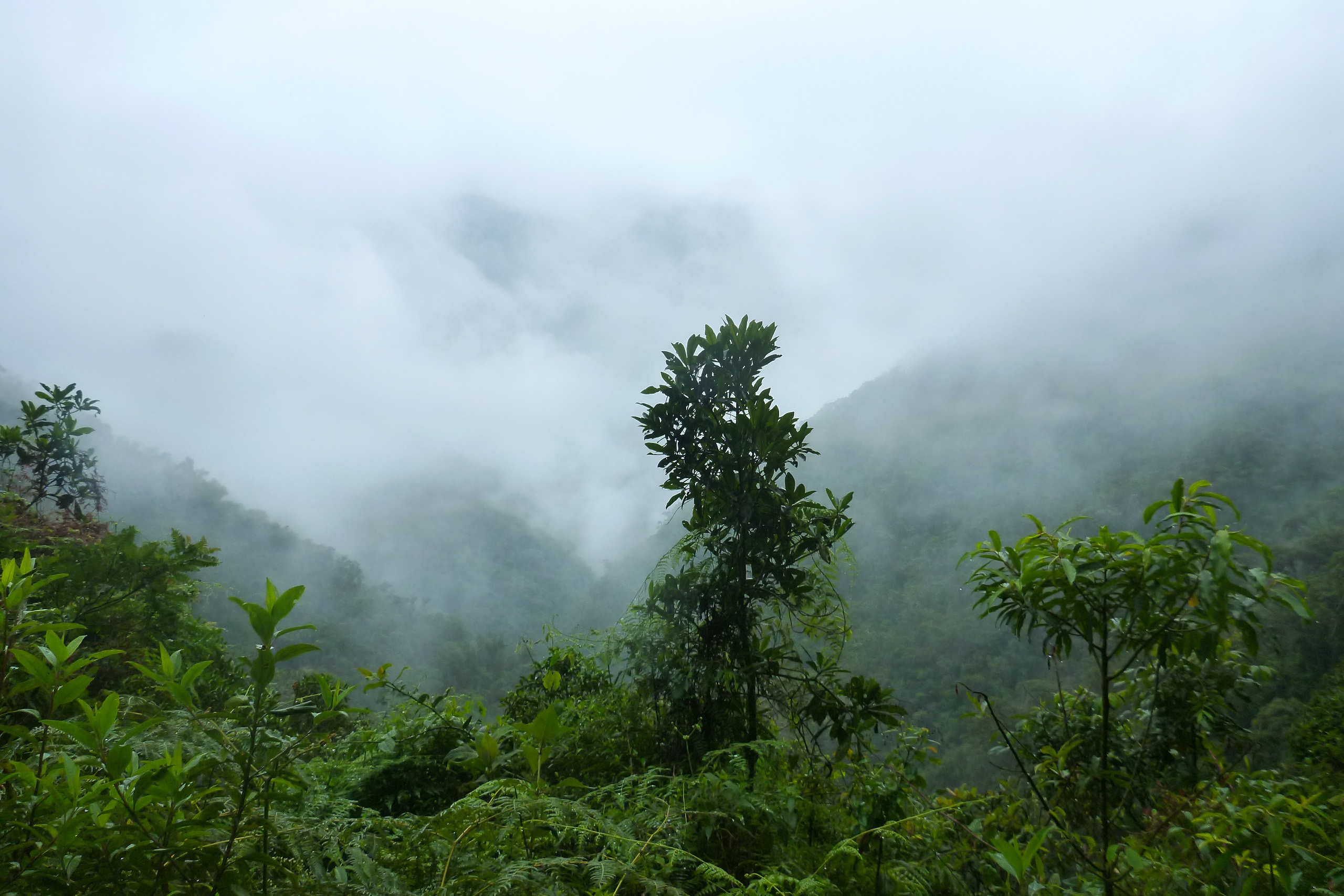
We arrived in Rurrenabaque from La Paz on a small plane and having spent the past few weeks at high altitude, it was a refreshing change to disembark the plane and be greeted by a humid 30 degrees. Rurrenabaque (known as “Rurre”) is the perfect little jungle town, dirt roads contrast with the surrounding endless green and with low lying fog floating through the town in the morning it looked fantastic.
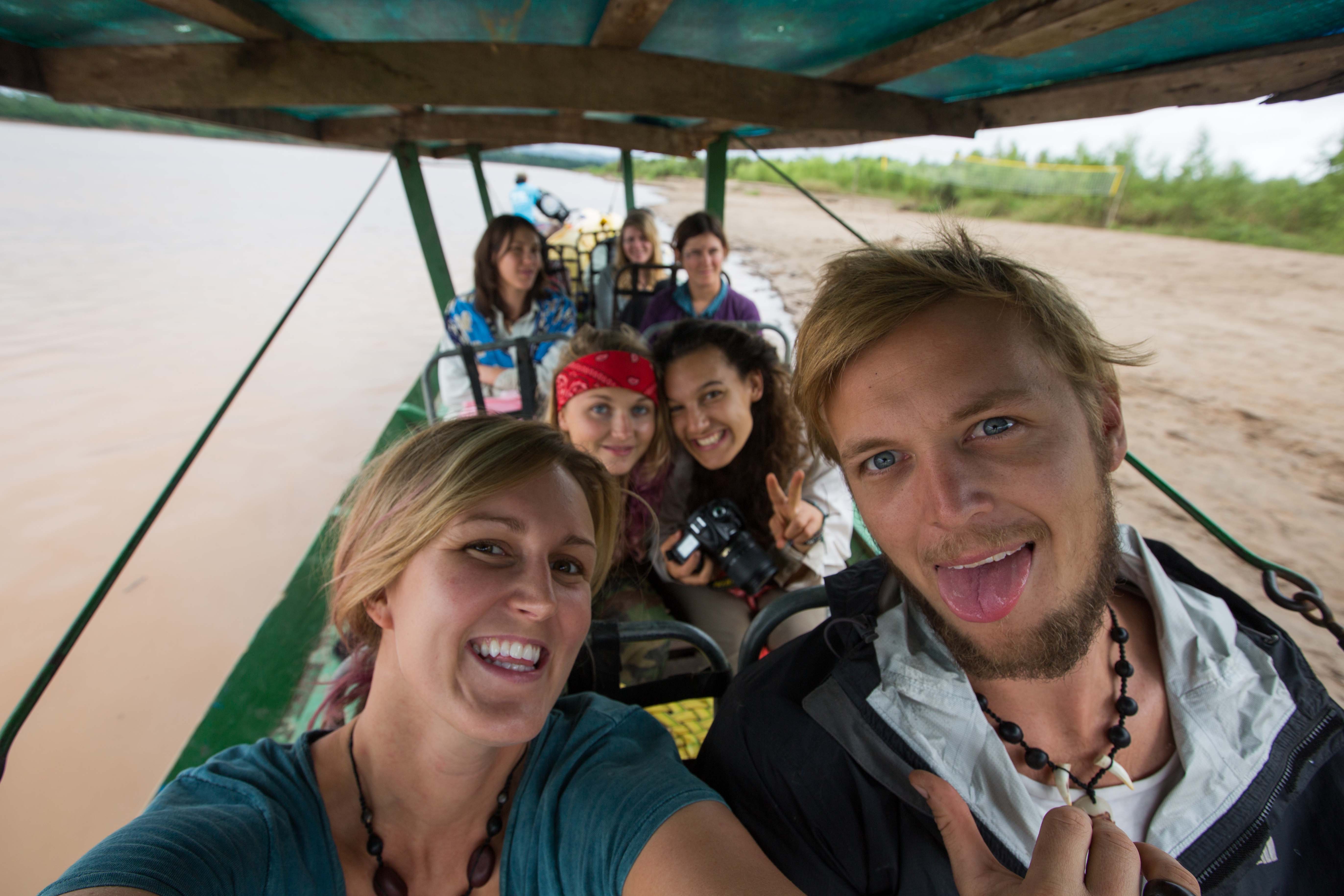
 Our jungle adventure started with a 3-hour boat ride into Madidi National Park. In our backpacks we carried a thin mattress, sleeping bag and mosquito net along with one change of clothes and our 80% DEET – our weapon against the many mosquitoes (although we later realised it did more harm to us than any of the mosquitoes ever did – that stuff is nasty!!). We were being guided through the Selva by Faizar, one bad-ass looking jungle man who runs the tour company with his brother Mogli. Also joining us was Jeremiah (our cook for four days) and two Austrian girls, Anuk and Lily.

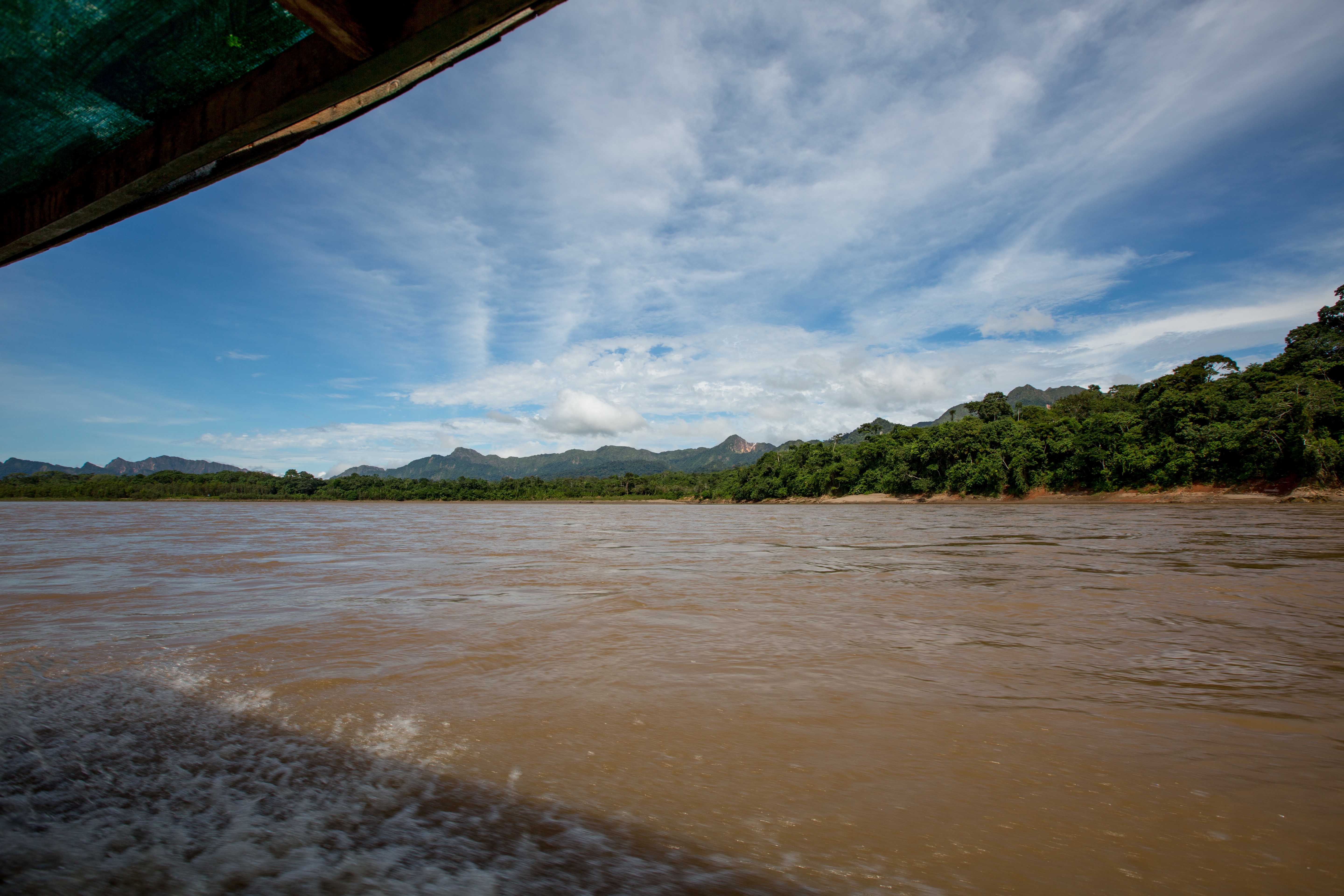 During our boat ride, our guide Faizar talked to us about the park and some of the history. He spoke to us in Spanish the whole time so it was a good opportunity to put those Spanish lessons to the test! For the most part we both understood what he was saying and loved hearing his stories as we continued. Faizar, like many Bolivians, loves chewing coca leaves and looking at him with his puffy cheek (where the leaves are pouched) was a sight we certainly got use to! Chewing coca leaves is an age-old Bolivian tradition and there are many noted benefits to their consumption including helping with altitude sickness, providing energy and improving digestion. You can not become addicted to coca leaves and you feel nothing more than a slight stimulant effect, I guess in some ways similar to that after a good cup of coffee! Faizar mixes his with a type of bark, which is chewed prior to the leaves and then along with bi-carb soda, mixed into a ball with the leaves and put in your mouth. We had tried coca leaves previously on their own which are quite bitter but when mixed with the bi-carb, the alkaloids are released and it is quite a pleasant sweet taste.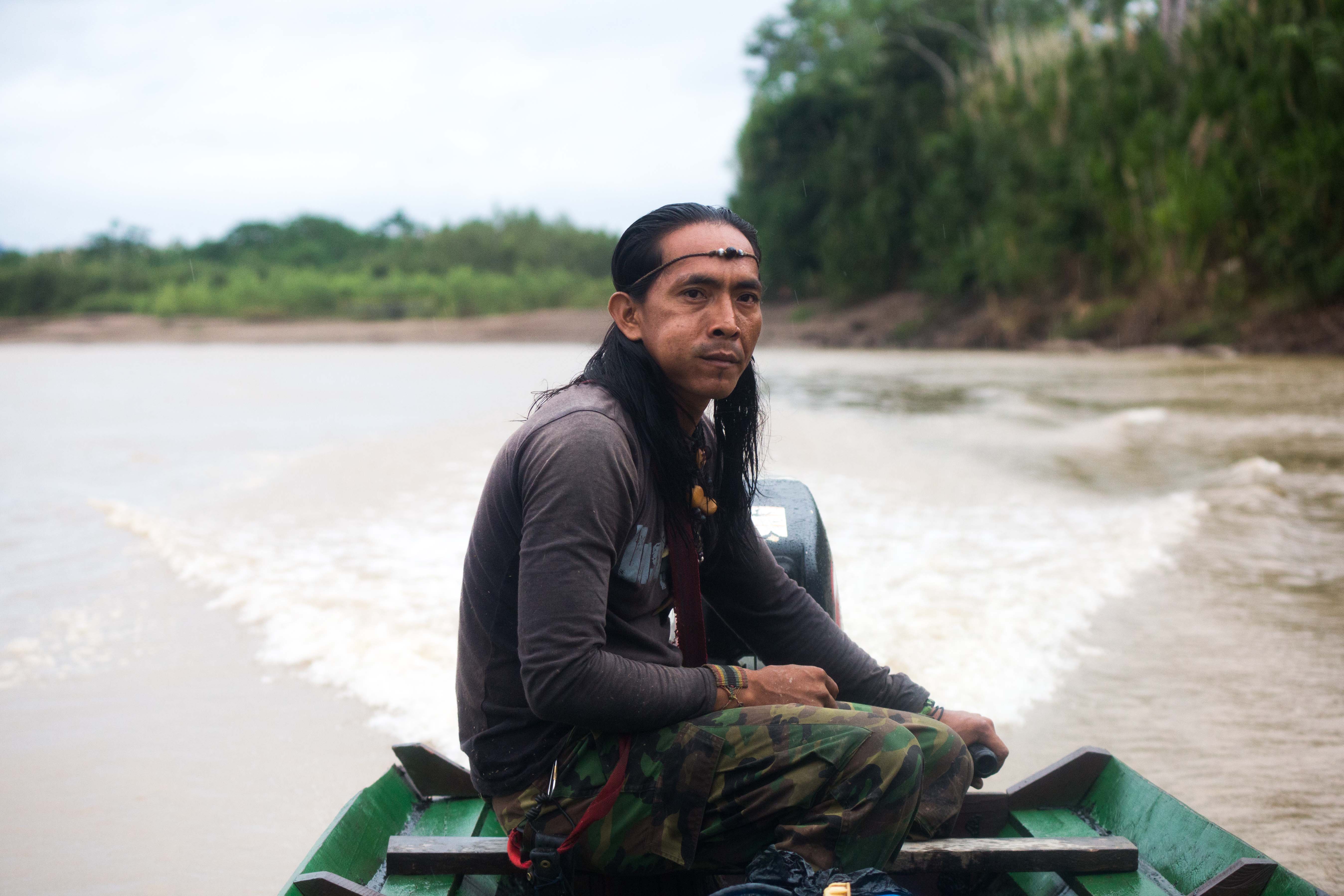
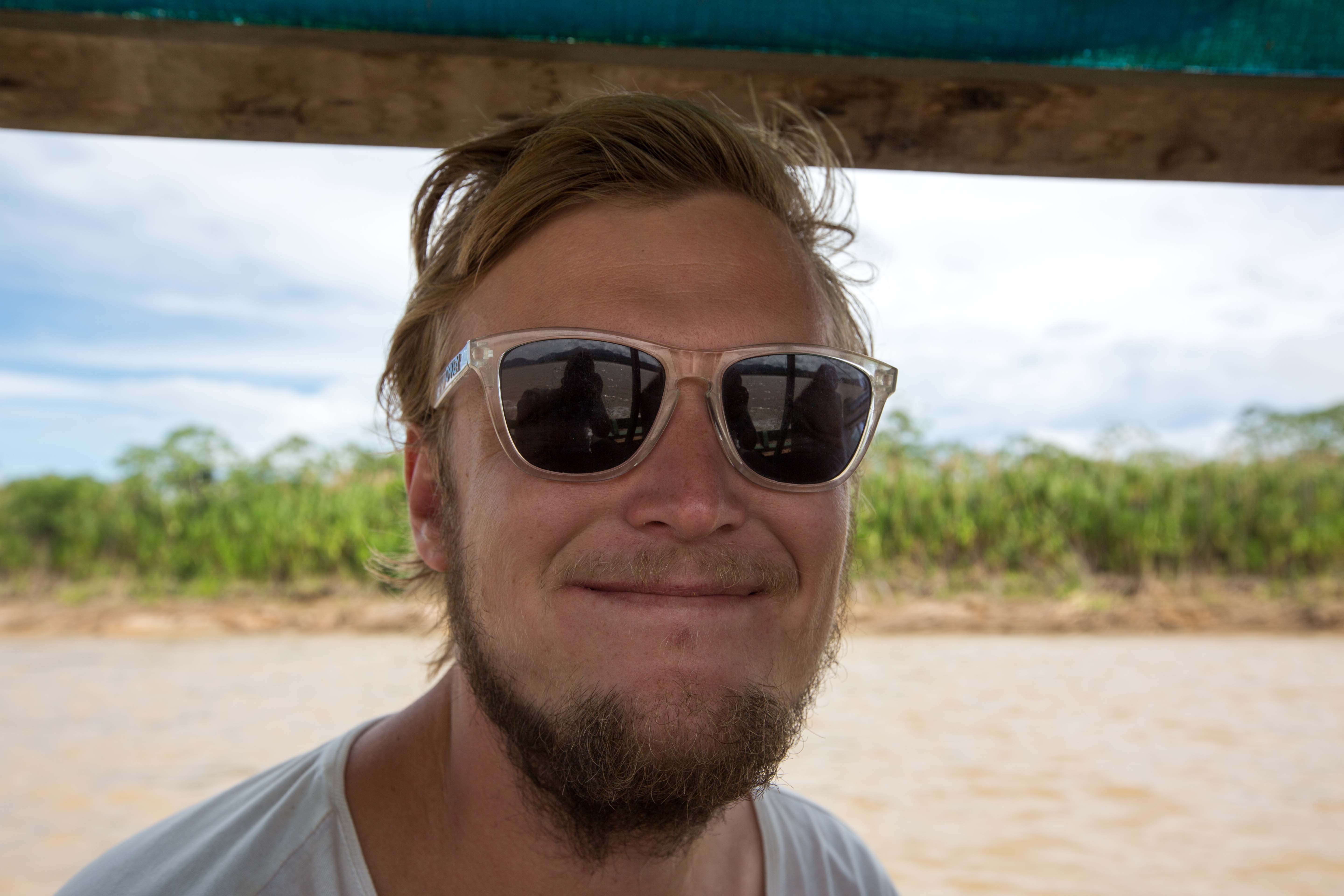
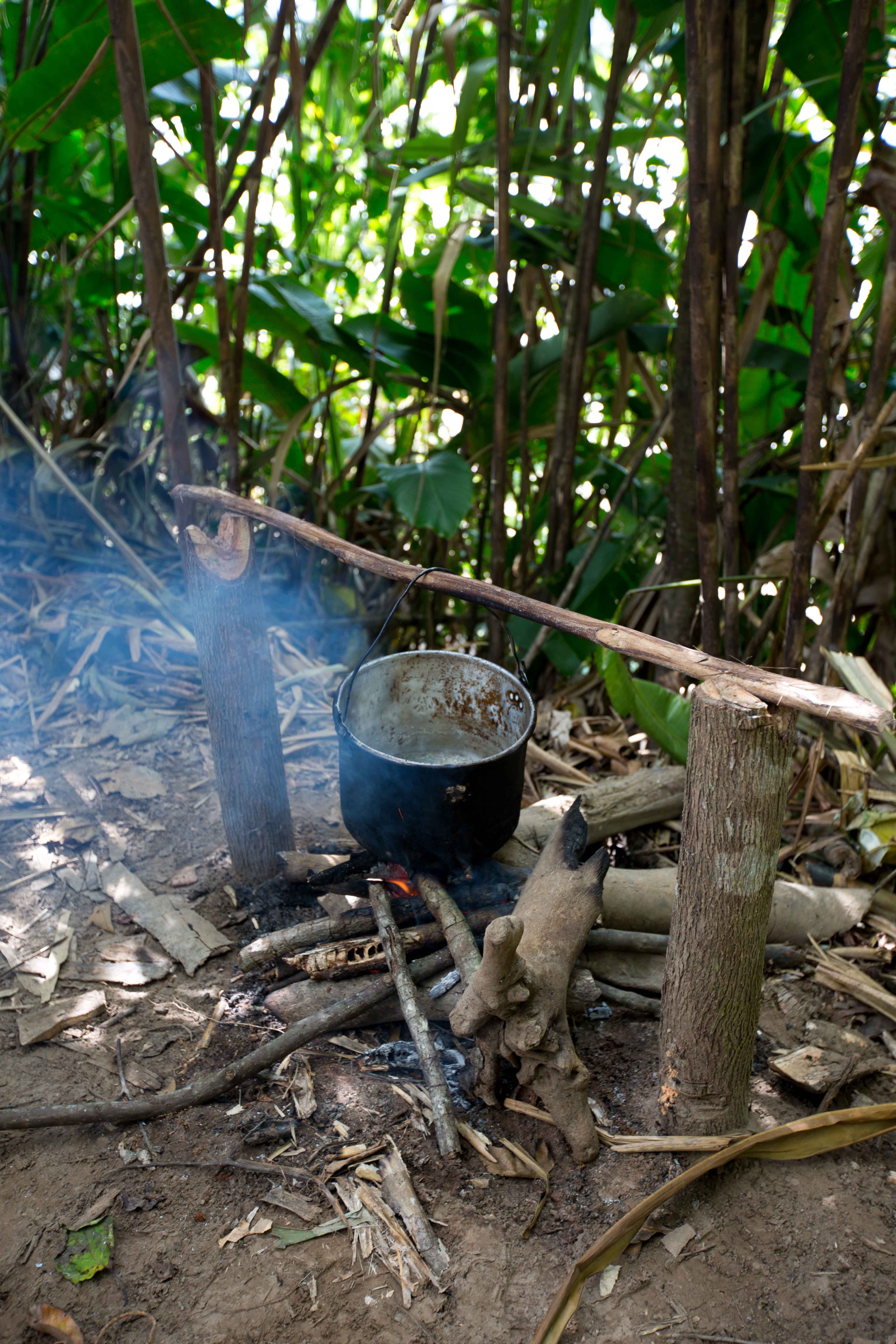
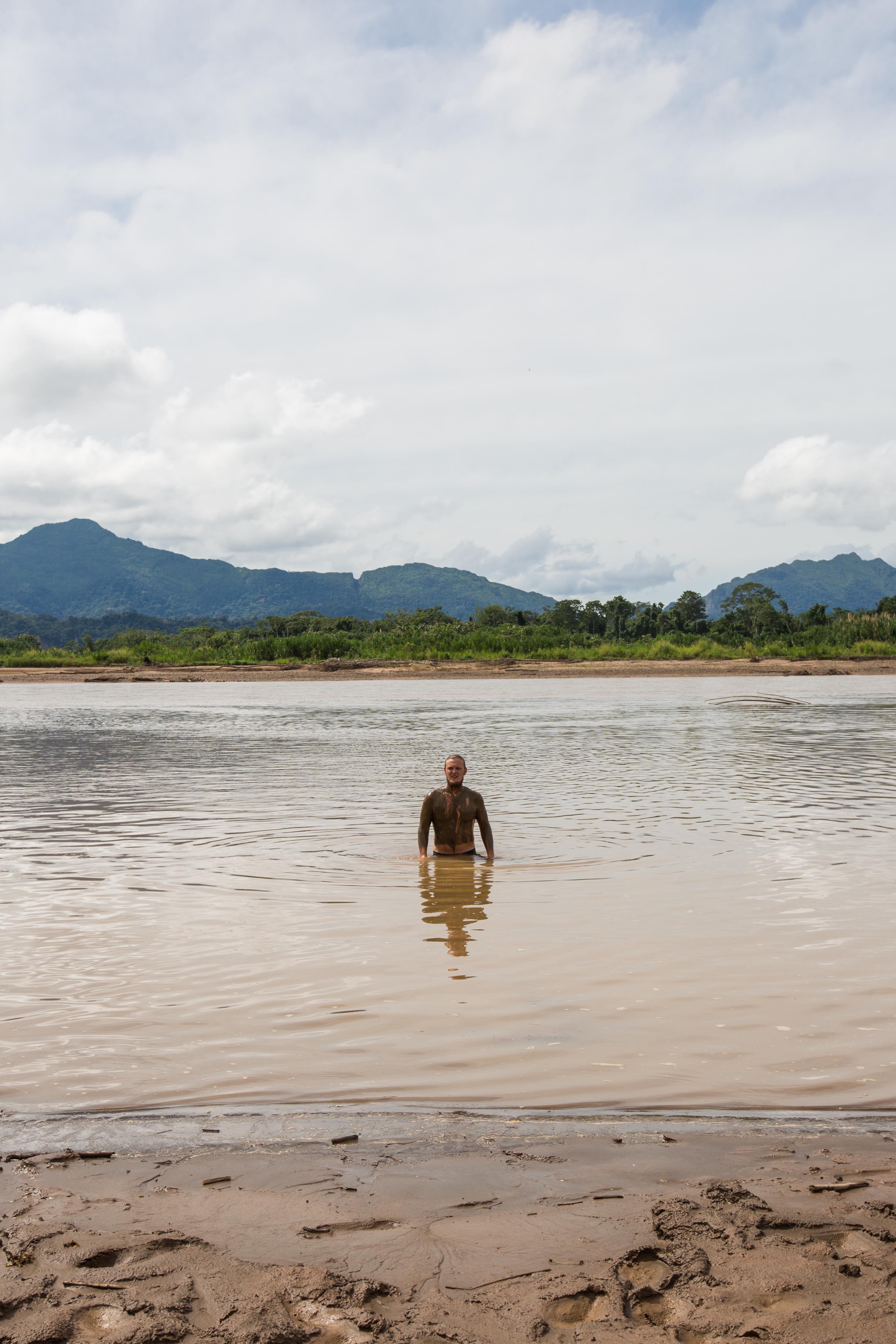
 We pulled in to shore on the outskirts of the dense forest where we would be setting up camp for the evening. Jeremiah started the fire while we helped collect firewood and Will had a swim in the river. We unrolled tarps, laid down our thin mattresses and covered them with mosquito nets, being sure to tuck the nets under our mattresses and praying no scary creatures found their way in!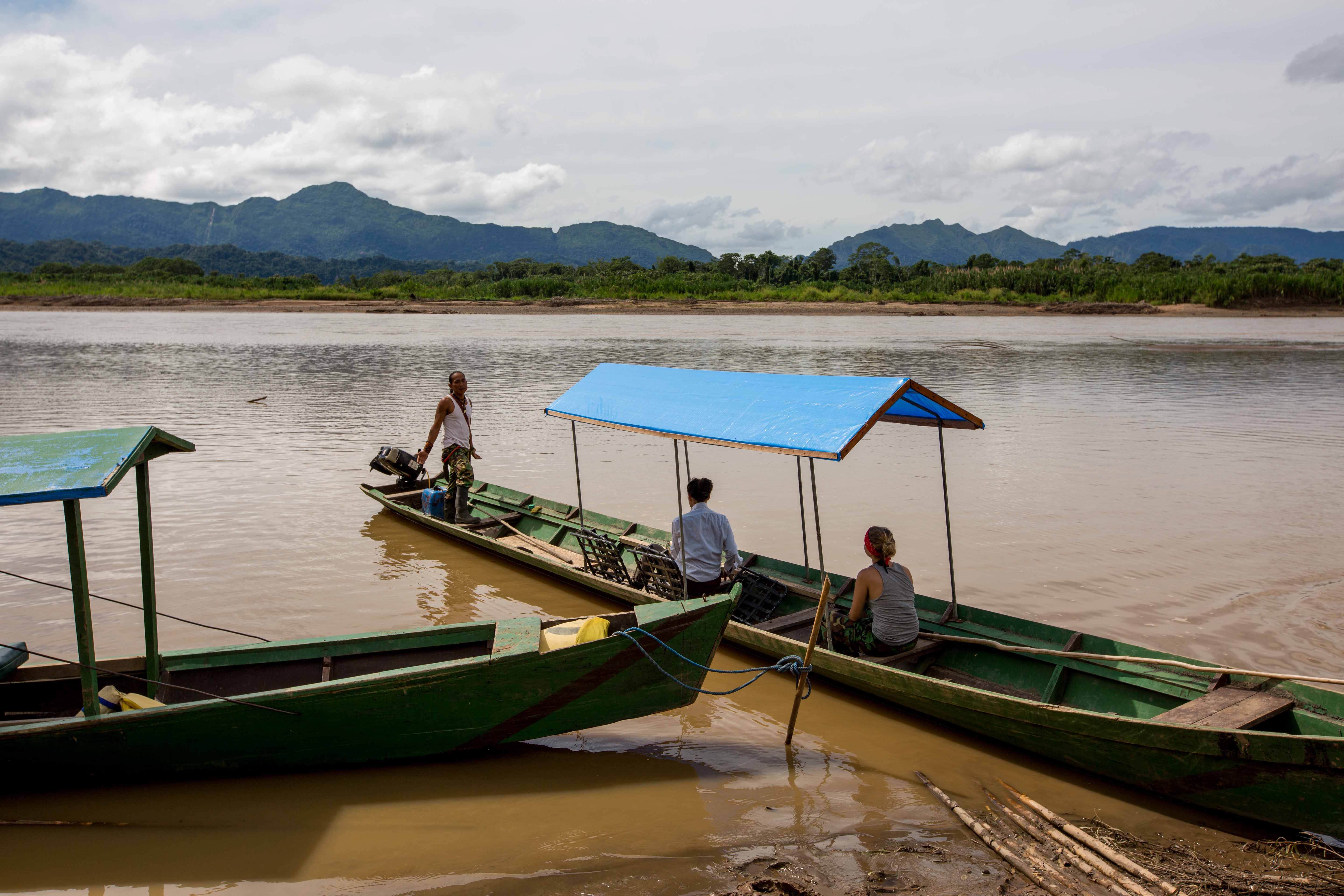


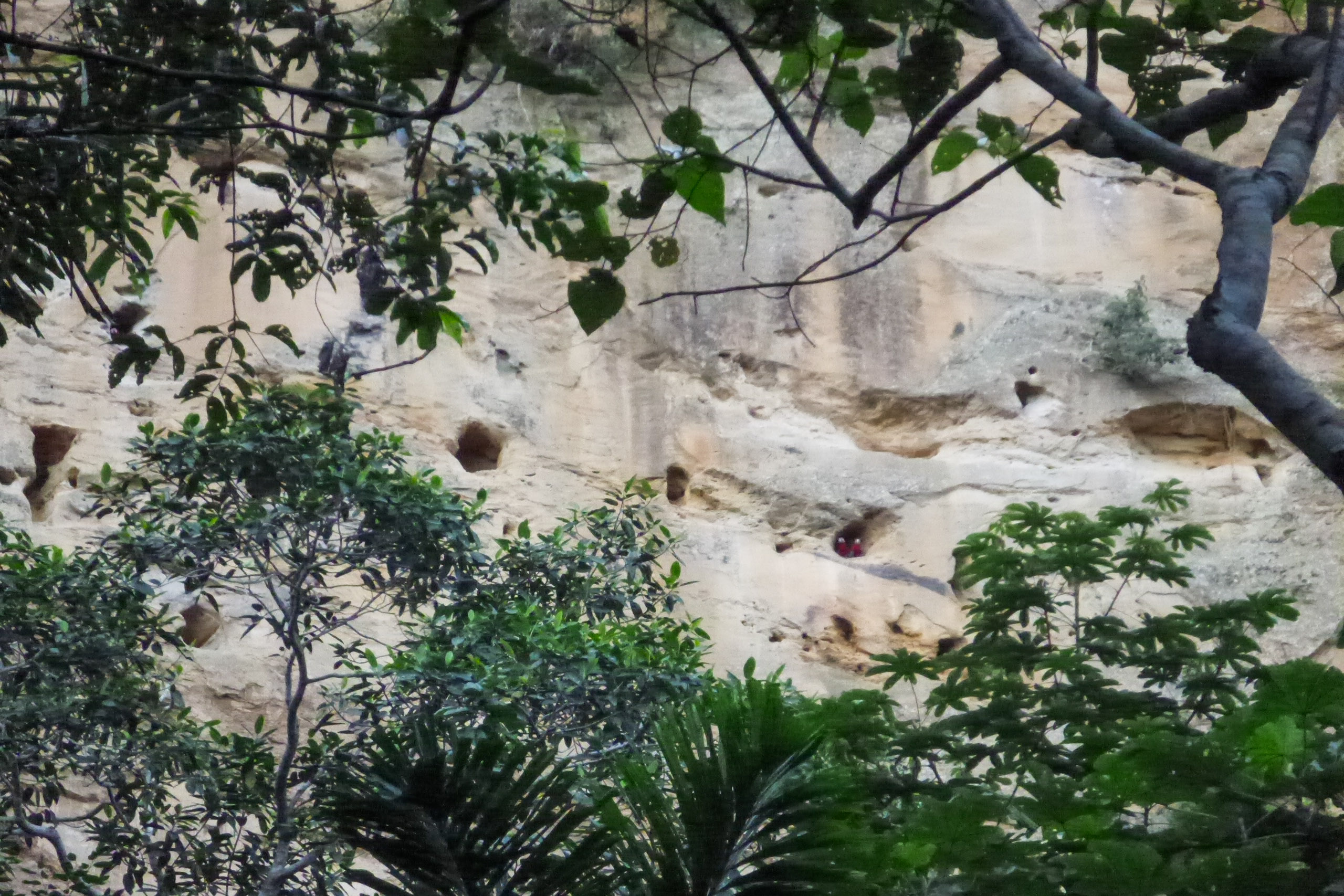
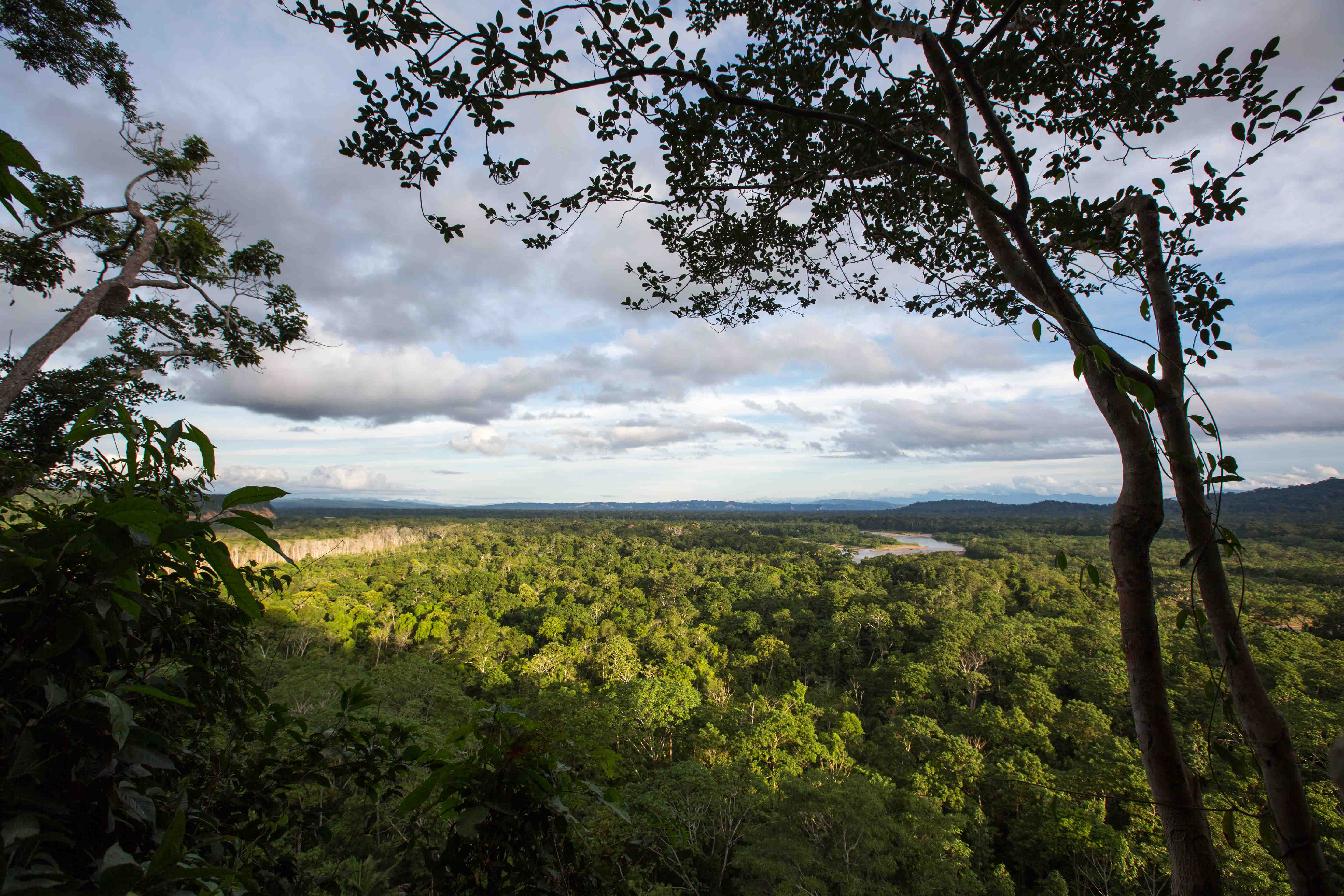
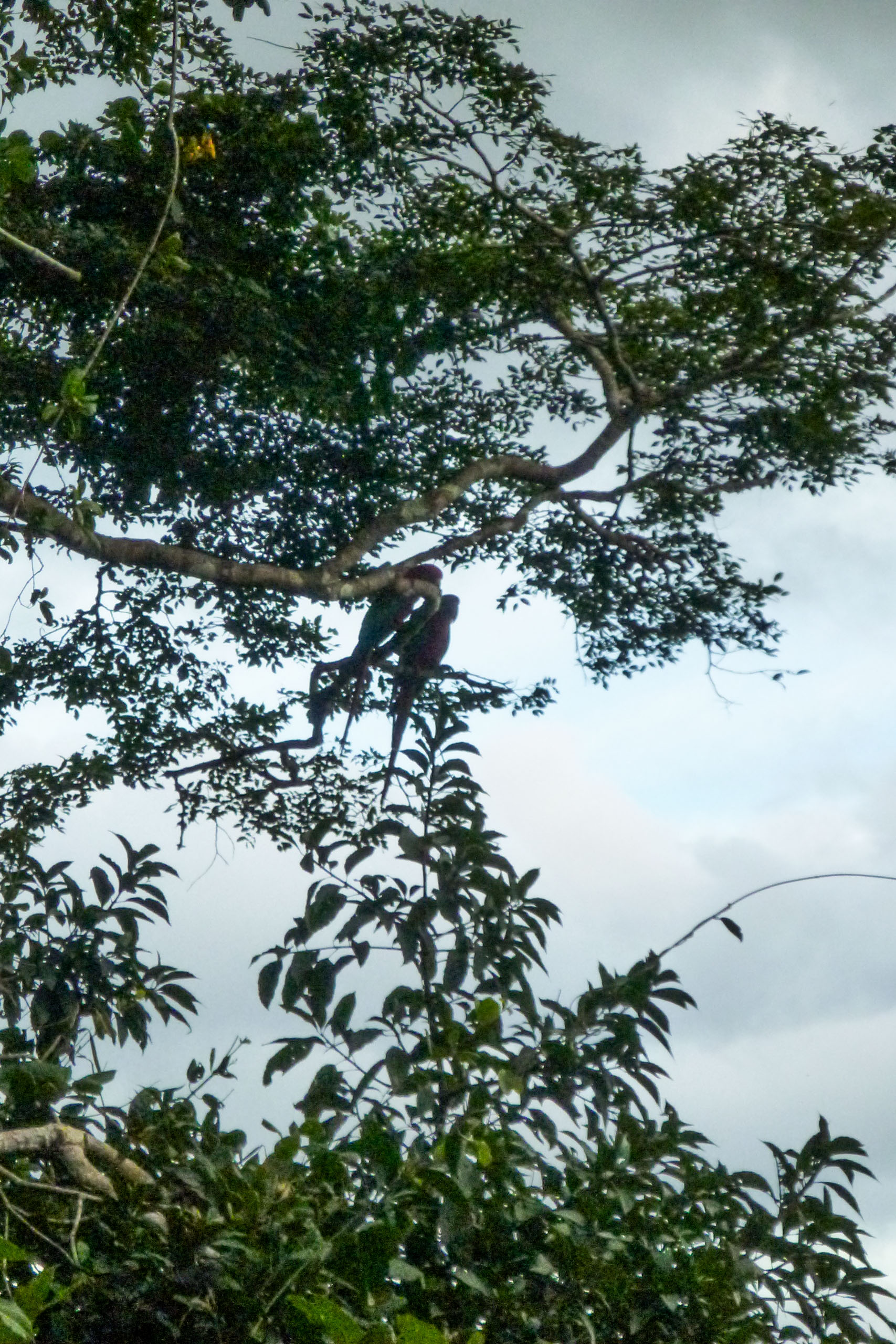
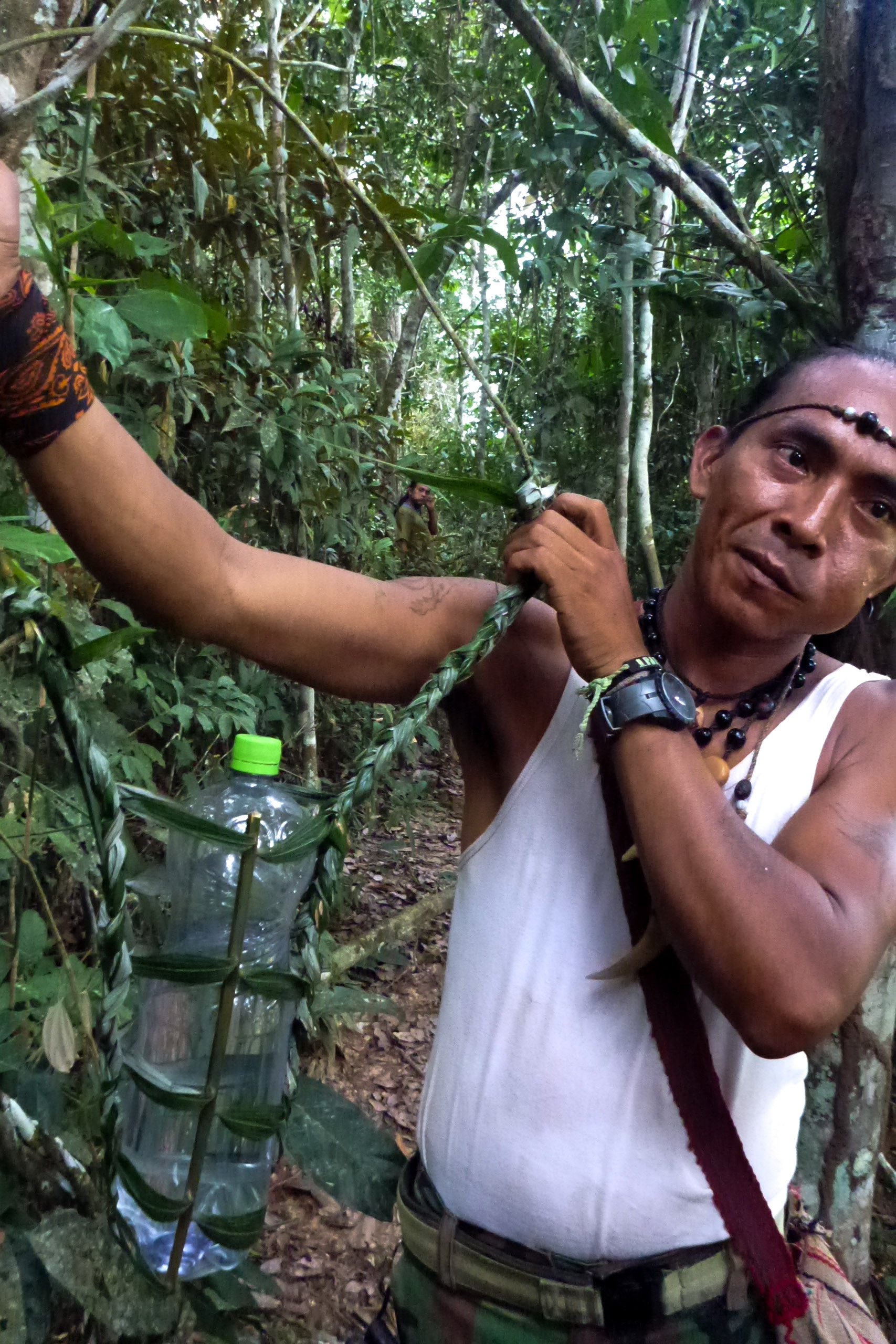
 With our camp set up we set off to explore the jungle. We took the boat down the river and then walked to a large wall where macaw parrots have their nests and you can see their heads poking out as well as the occasional pair flying around. The sun was due to set shortly so Faizar basically had us running to the top of the wall where there was the most spectacular view over the park. We listened to the sounds of the Macaw parrots as they squawked from their holes in the wall and caught our breaths as we appreciated just how big the park was. Faizar cut down a palm frond and asked for Anuk’s water bottle. At first we were unsure why but he quickly wove an impressive bottle holder for her to continue the journey back to camp.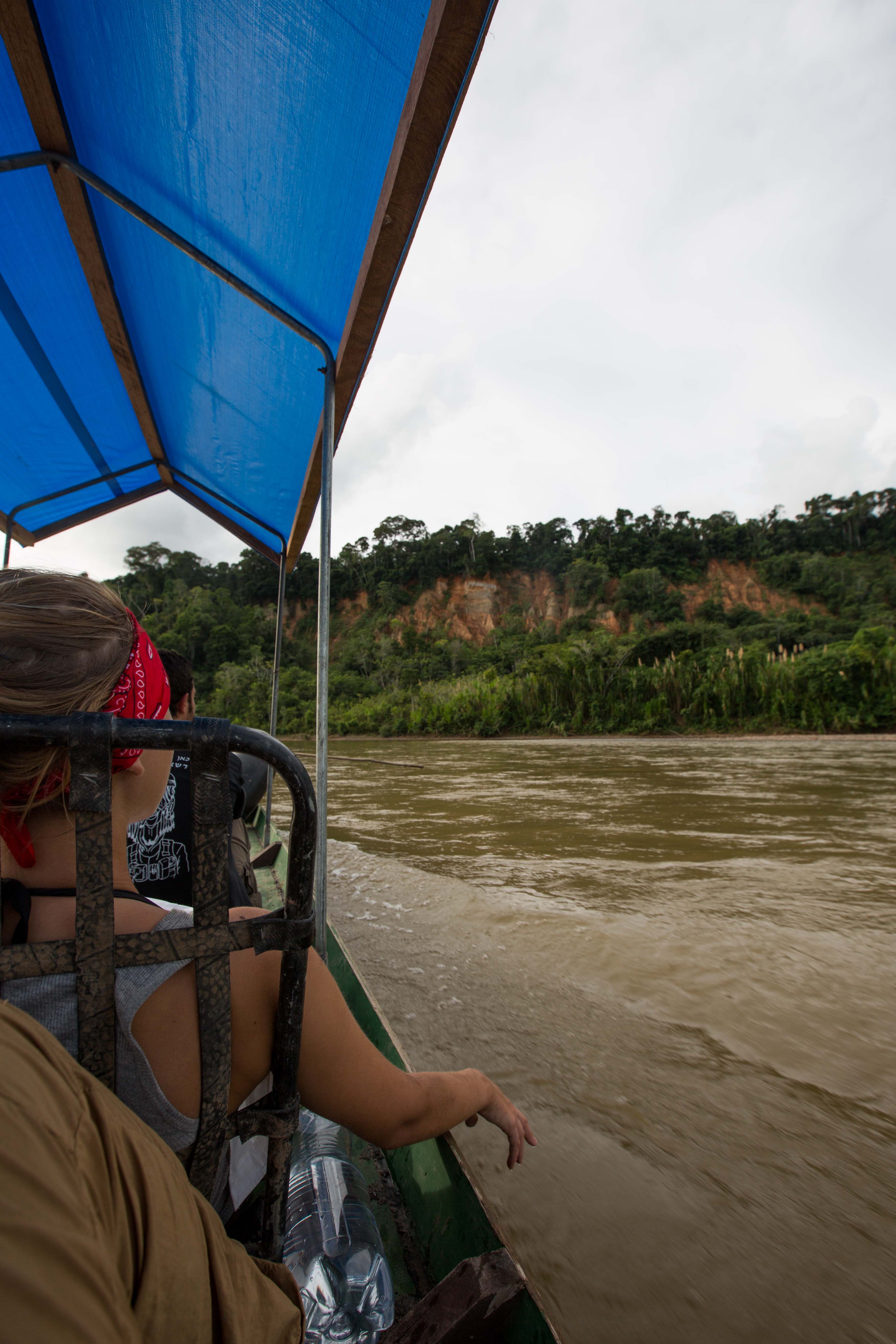
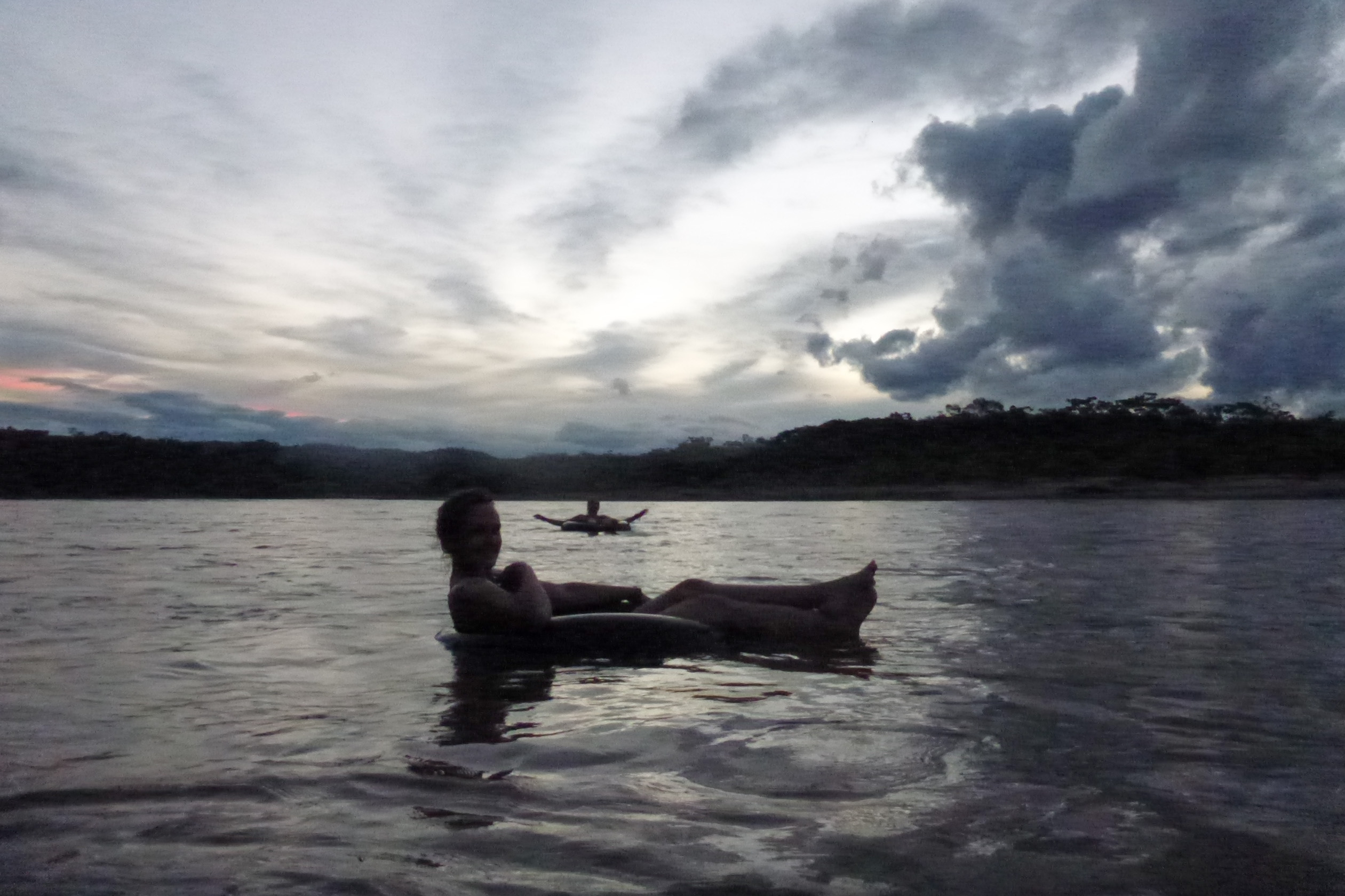
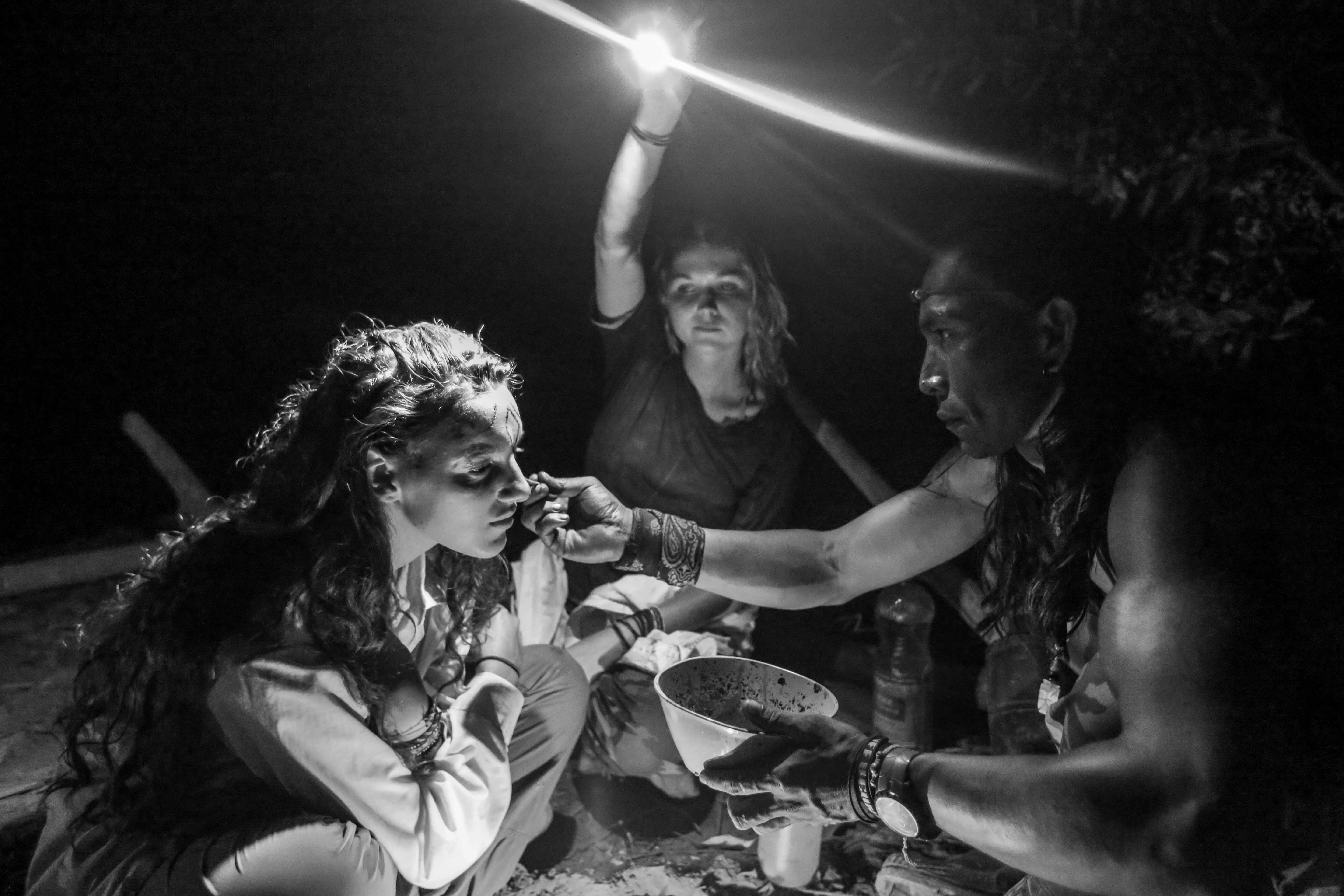
 On our return we tubed down the river as the sun set around us which was perfect to wash off all of the sweat from the intense humidity. The sky was completely dark before we had made it back to camp which was a bit scary being out in the boat but Jeremiah navigated our return before cooking us our first dinner at camp. After dinner we sat around a campfire and participated in a traditional ceremony to the Pachamama, asking for protection and luck in the Selva (in particular to see lots of animals!!!) Faizar painted our faces with a purple paint derived from a jungle leaf but then decided Anuk and I should have it in our blond hair as well! Faizar dipped the ends of my hair, turning them bright purple and I could only hope it would wash out at some stage down the track! The night sky was beautiful and we stopped to admire the stars before retiring to our mosquito nets for the night.


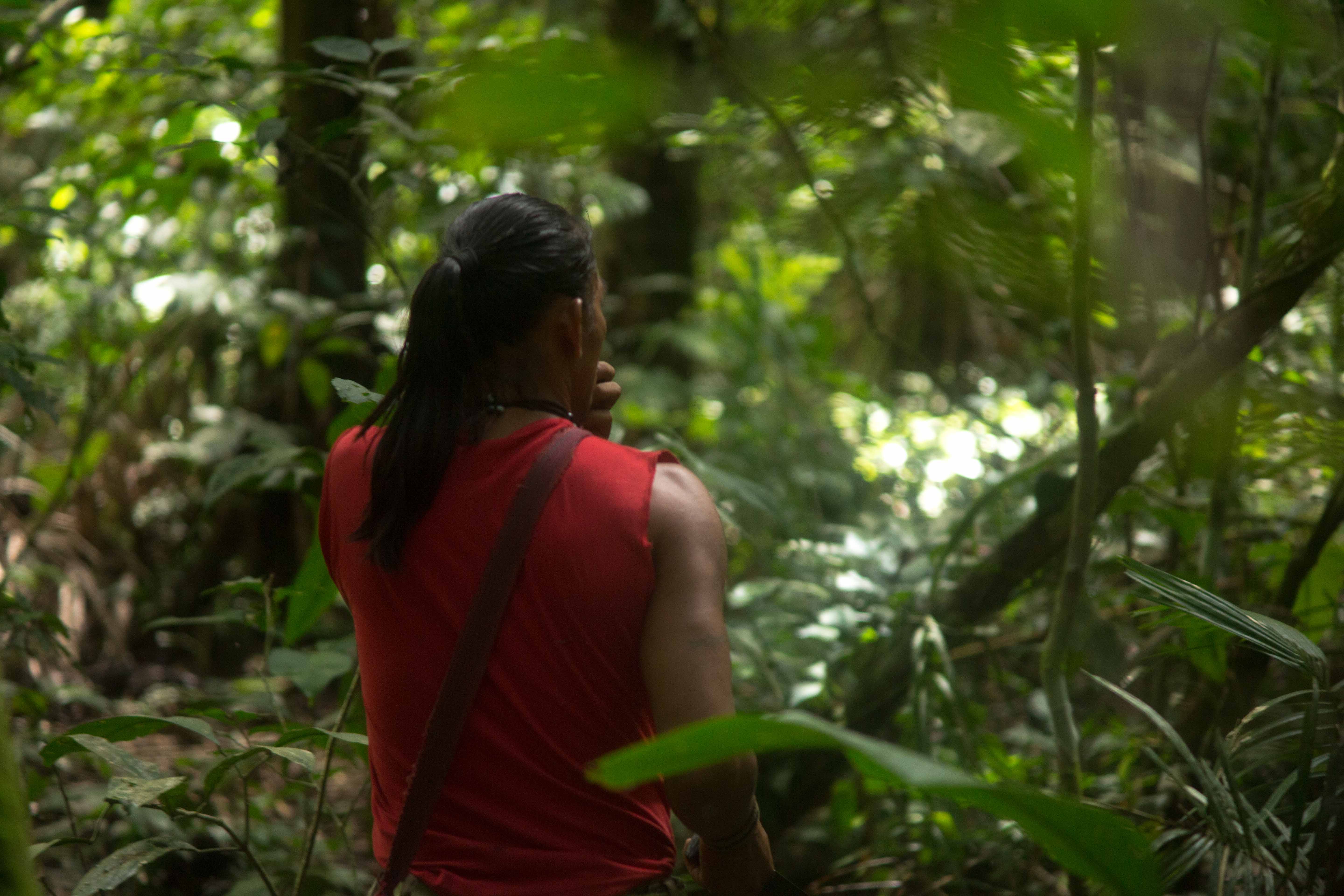
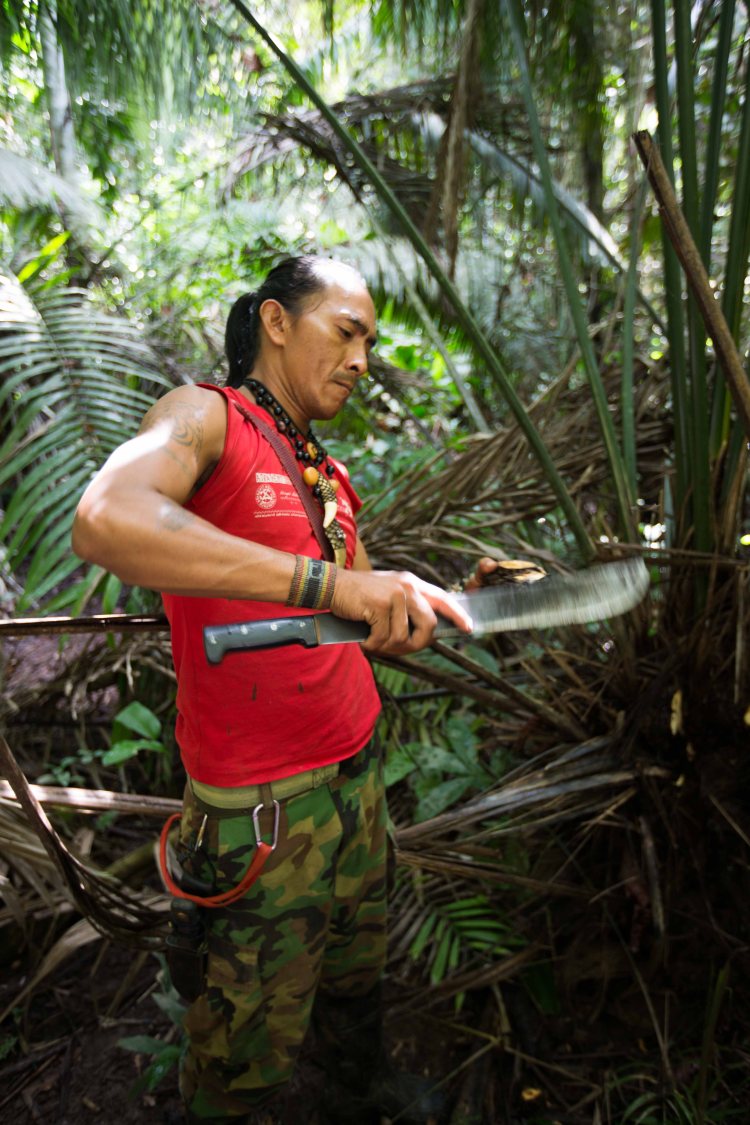
 Day Two and we packed up our camp at the water’s edge on the journey further into the Selva. The air was so humid yet it was important to cover up, protection from the various elements along the way. Faizar was up the front, machete in hand guiding us through the thick jungle and stopping suddenly, putting a hand signalling for us to be quiet as he listened for sounds. We trailed behind him, following his every move and watching as he sniffed the air around him to pick up on the scents of different animals. He was intriguing to watch and we stood fascinated however the only thing I could smell was the wad of coca leaves he was chewing in his mouth!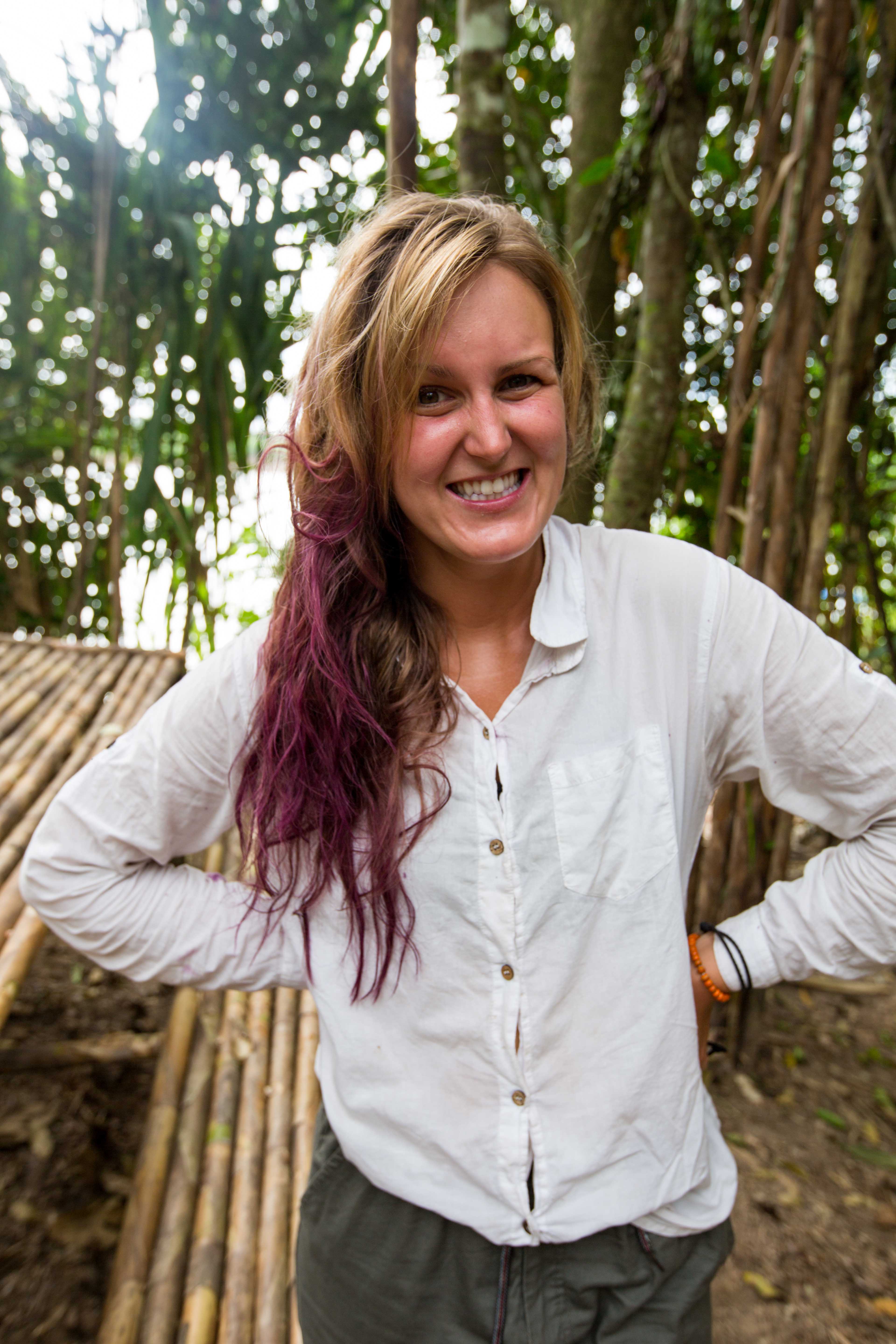

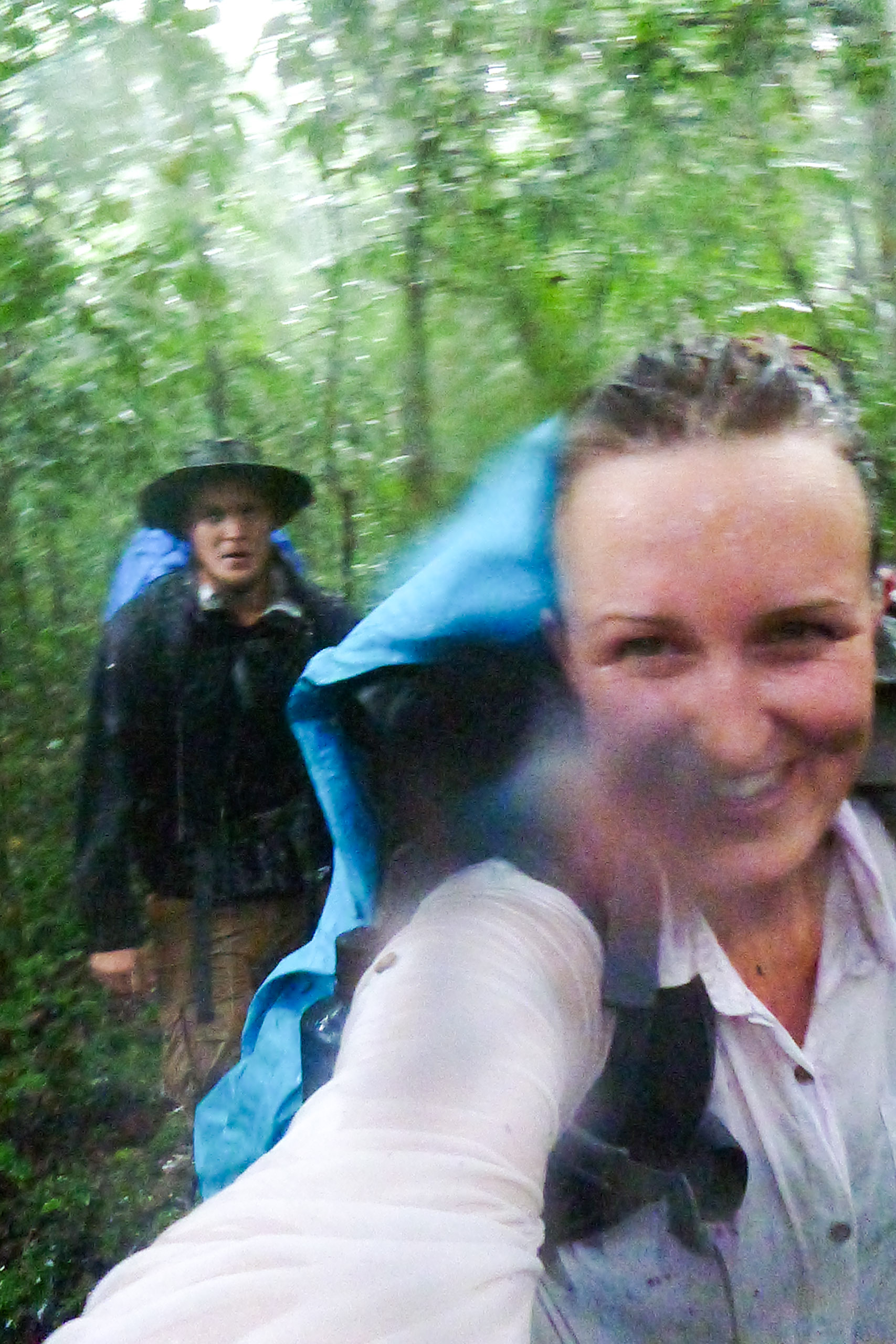
 We continued along when suddenly it began to rain… and not just rain – it was torrential!!! With no signs of it stopping any time soon, Faizar encouraged us to continue and we walked through the jungle as the rain poured down around us. The sound of the wind, trees and rain was incredible and we seemed so small and insignificant in comparison. It had been so humid until that point that it was quite nice having the rain cooling us down but with time that nice feeling diminished as we walked along with squelching hiking boots and chafing clothes. Eventually the rain stopped and with another scary log crossing we had made it to our camp for the night. We set up our tarps once more, taking extra care in case of more rain and huddled around the fire trying to dry our socks, boots, clothes – basically everything was wet!
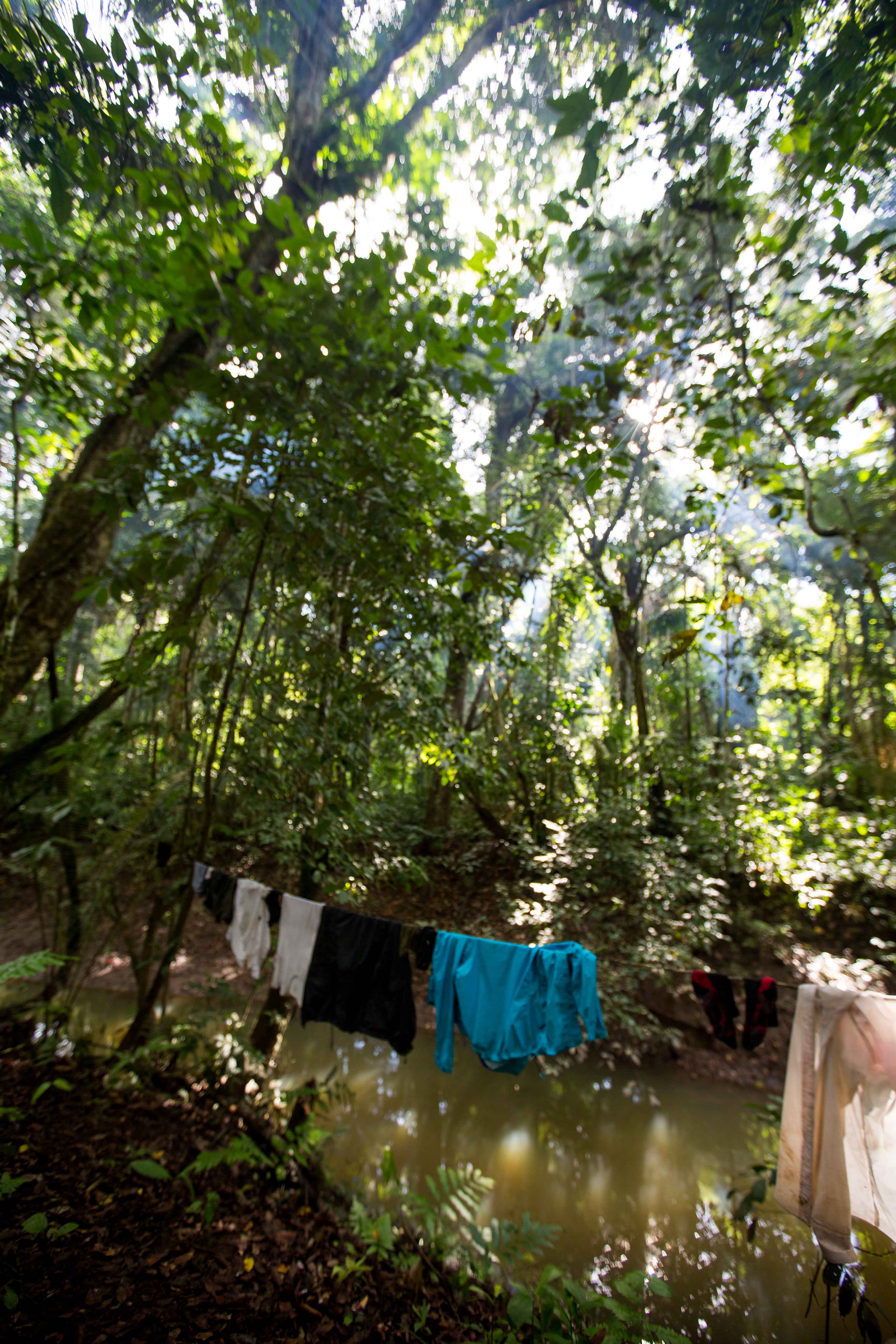
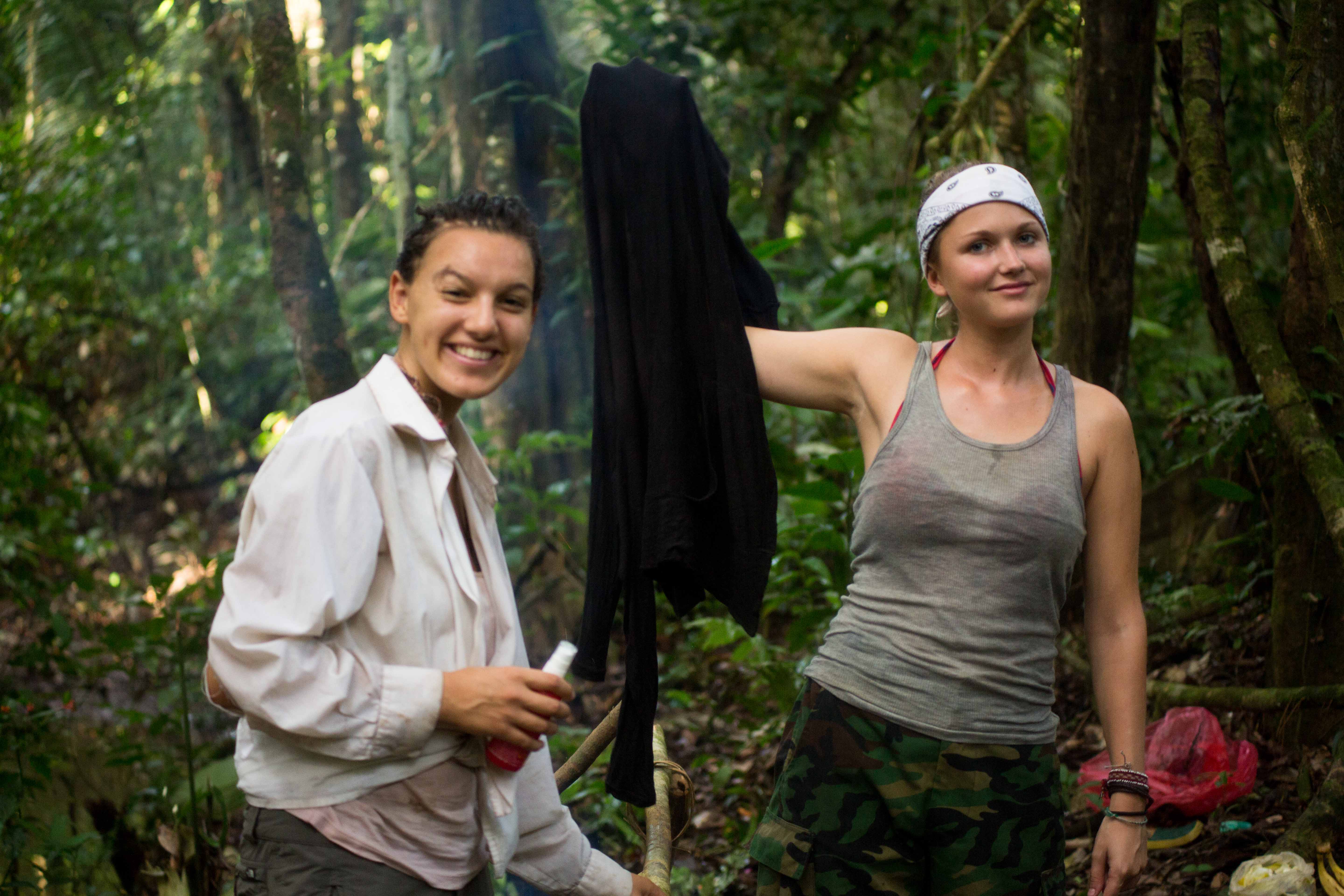
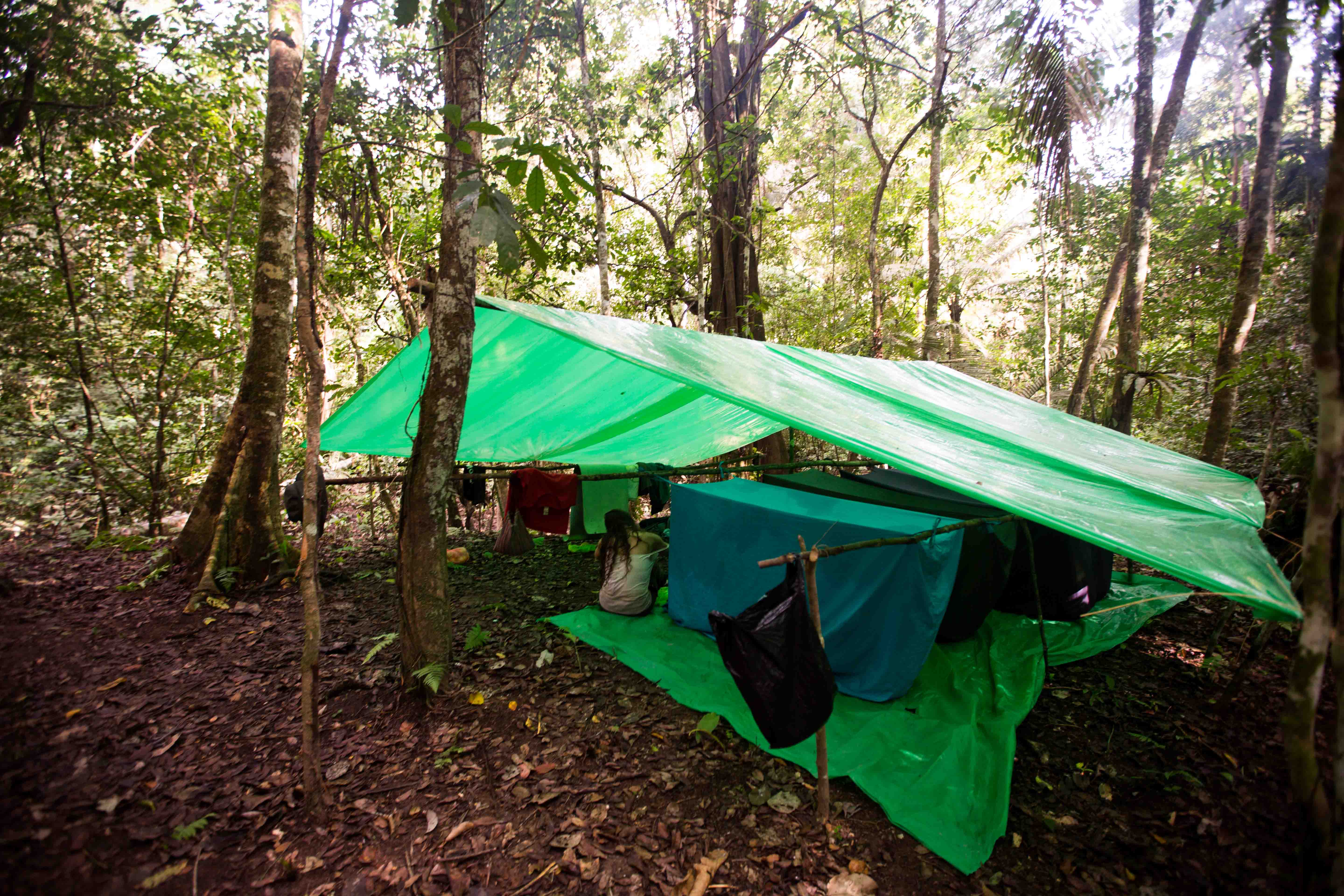 Jeremiah lit the fire and cooked us some banana fritters for snacks (AMAZING) while the sun broke through the tree canopy casting beautiful rays of light around our camp. We continued to reposition our socks and boots around the fire in a poor attempt to dry them while Faizar sat by a tree, rolling his coca leaves and probably thinking how pathetic we all were! No matter how much I tipped my boots up, water continued to pour out! Our attempts to dry things by the fire also resulted in Will catching my pants on fire, Anuk burning her socks and everything smelling like smoke but even if it was only psychologically, we felt more prepared to tackle the Selva once again.

 Faizar signalled it was time for us to go walking once again and with our camp surrounded by water, this meant more river crossings over fallen down trees! This was of course easier without our backpacks on but never failed to freak all of us out. On one occasion the tree we crossed was wet and covered in moss (just to make it easier) and I moved as quickly as possible, noting the small ants that seemed to be frantically running away. Jungle 101 – ALWAYS tuck your pants in to you socks/boots/something! Safe and sound on the other side of the river we heard Lily shriek as she realised she was being bitten. She had made it across the log, but the disturbed, and I can only imagine angry ants had crawled up her pants and were now having a field day, biting away at her. She slapped and brushed to no avail, resulting in having to pull her pants down in the middle of the jungle while Jeremiah and Anuk helped her remove all of the ants. I had suffered a few bites even through my pants so empathised on one hand but it was also hard not to laugh (sorry Lily)!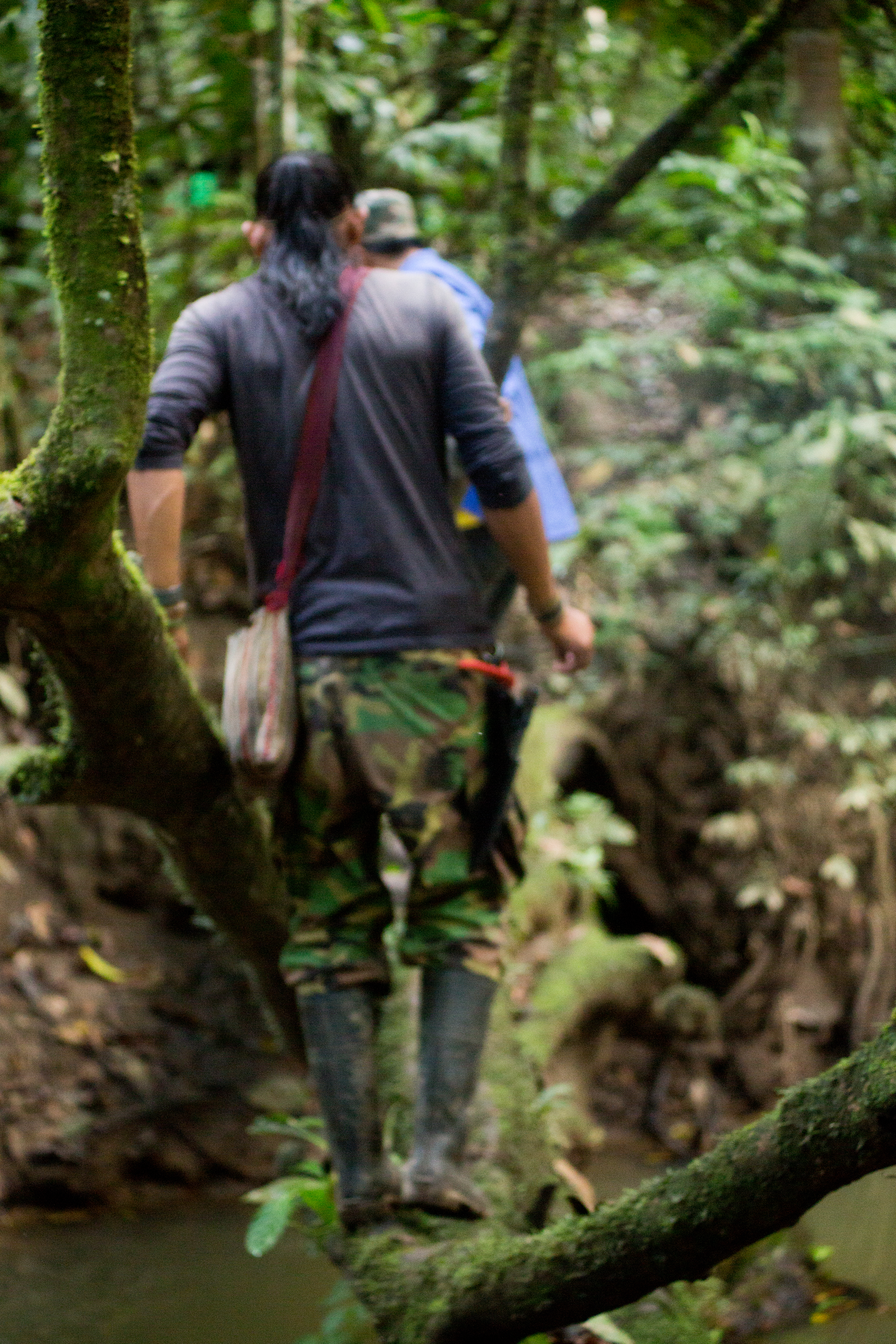

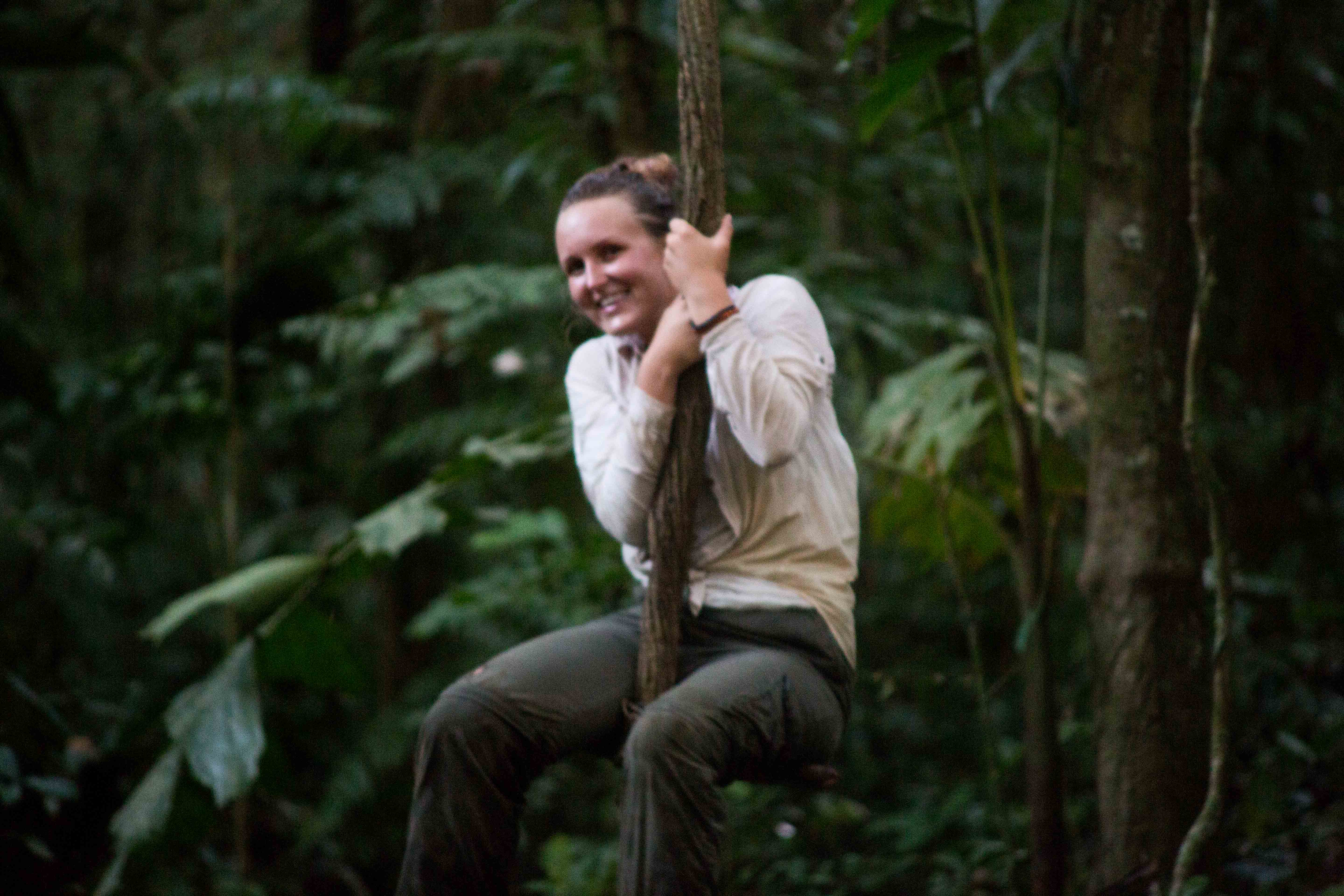
 When we had all recovered from the tree crossing incident we continued through the jungle, listening to the distant sounds of monkeys jumping in the trees and occasionally catching a small glimpse. It was getting darker with every minute with the sun setting and the cover from the tree canopy letting very little light in to begin with. At one stage we came across a huge vine that was hanging down and we went swinging through the air, Tarzan style! On another we crossed a different log and Will split his pants in an attempt to stop himself from falling in.


 We stopped for a break at a gigantic old tree that stood tall in the forest canopy and without sounding too hippy-ish, it really seemed to have an incredible energy. With darkness surrounding us we continued, using our torches for guidance but really with no idea where we were or what was around us. Faizar made the Selva feel so incredibly safe yet if you were lost in that darkness by yourself I think you would go crazy pretty quickly – the sounds, the animals, the various things you feel brush your face! We sat in complete darkness (and slight paranoia) while we listened to the sounds around us and Will focused on stopping things going up his rather airy pants! On our return we had absolutely no idea where we were in relation to camp and at times I wasn’t sure if Faizar was looking for animals or trying to figure it out as well! We did however make it, nearly slipping off “ant log” in the process but soon enough we were safe and sound once more.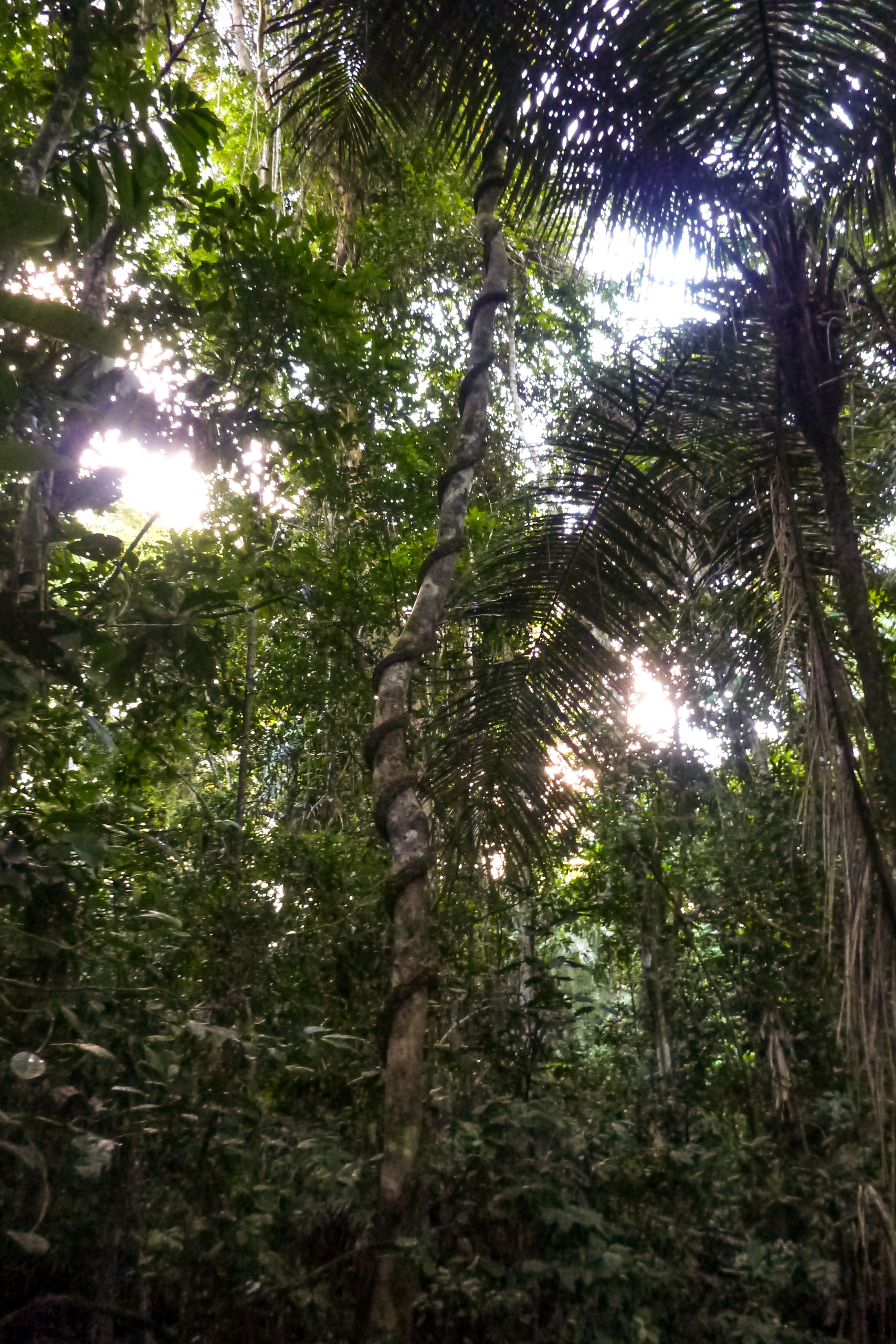

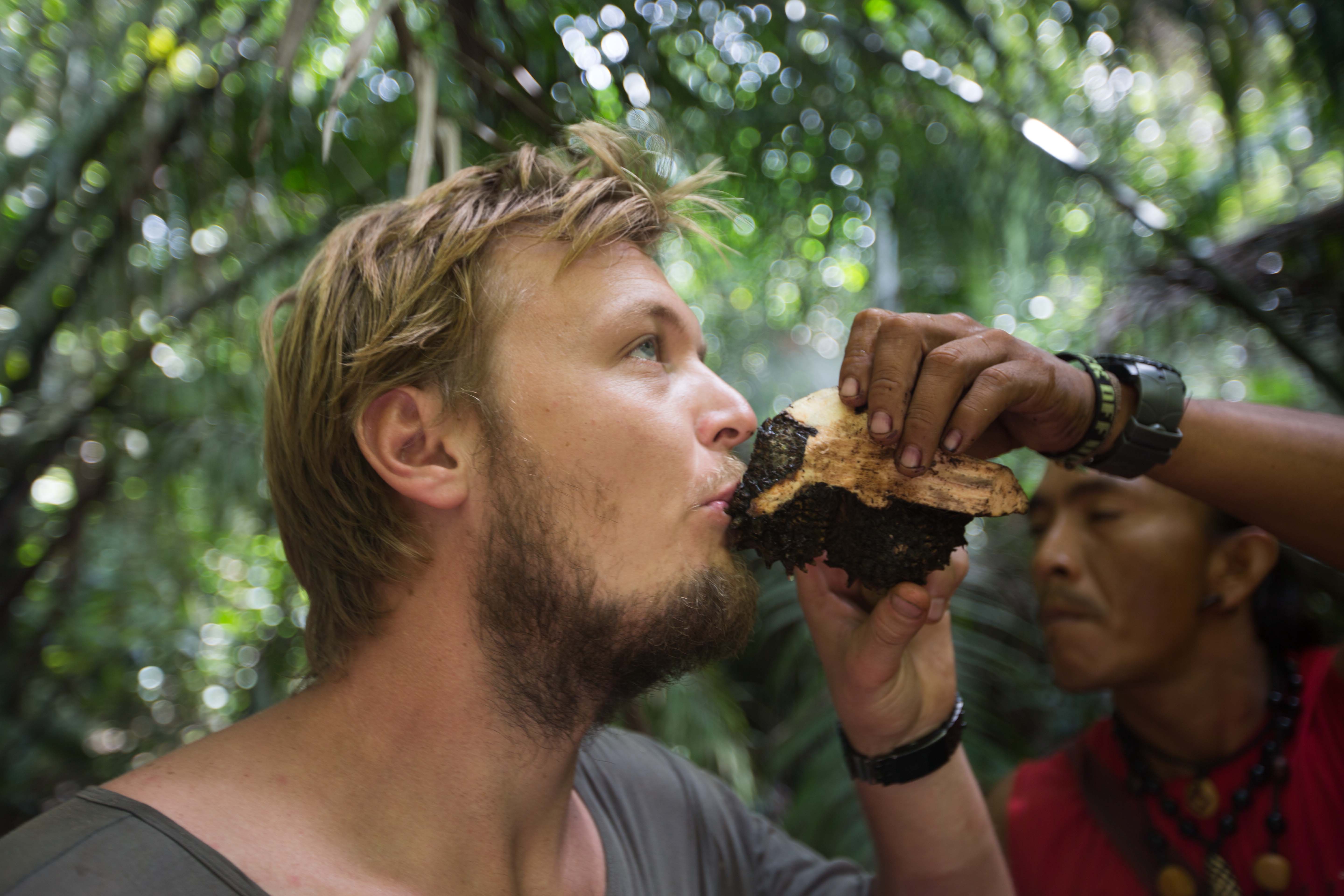
 Banana fritters in the morning and we were off to explore once more before we had to pack up camp and return back to the river. Another log crossing (no surprise) and we were on our way, enjoying being able to see what surrounded us once more after our previous night excursion. Throughout our journey Faizar had stopped to point out many different plants and their different purposes including a vine that holds fresh water, natural mosquito repellents, anti-malarial medicines, jungle coconut and garlic, a tree that contains milk – the list goes on! It was really fascinating learning about the different plants and how the locals have survived using their surroundings for hundreds of years!

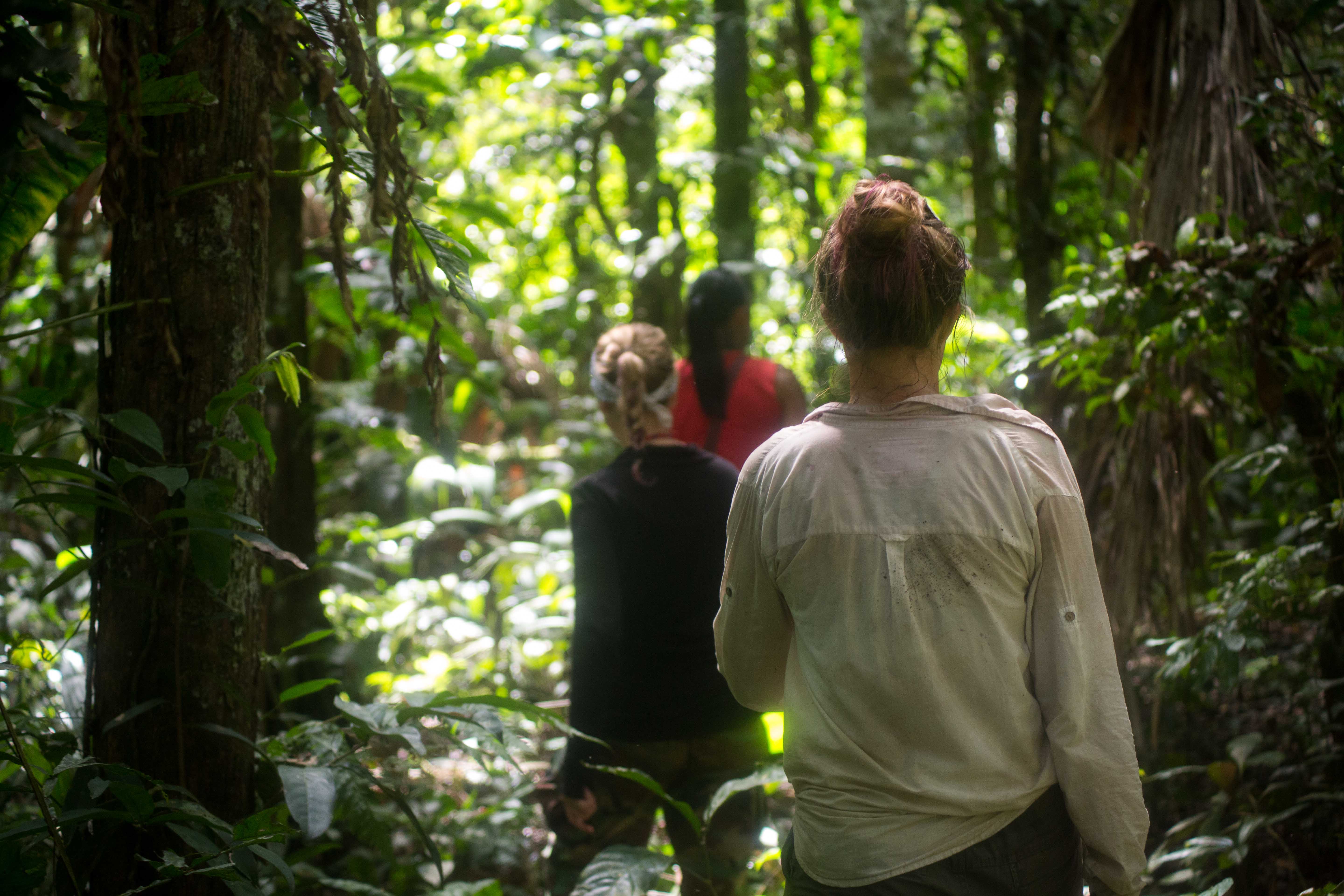
 We continued walking and Faizar signalled to us that there were wild boars nearby. He picked up his pace, asking us to follow closely and we continued through the jungle as he searched for them, slightly nervous but also excited… well, that was until we got close enough to hear them and then we were terrified! Not to get my nerd on here but wild boars sound like something that is coming out of the gates of Mordor (Lord of the Rings reference – tick!). They grunt and chop their jaws and teeth together with what sounds like enough force to break your body in half! Faizar continued and we had suddenly lost our enthusiasm to approach them but then as we drew close, the family of boars took off through the jungle and we caught just a small glimpse (not that we were disappointed)! We continued through the thick jungle back to camp and it was time to pack up our camp and return to the riverside.

 With our backpacks back on we began the walk back to the river when suddenly the wind picked up and the tree canopy moved from side to side with the ferocious wind. Leaves, sticks and branches began to fall and Faizar explained how incredibly dangerous it was to be in the jungle with such wind. As it began to rain Faizar had us almost running to get to the edge of the forest where a wider path through some bamboo had been made and we wouldn’t be in as much danger. We had heard a loud thundering noise which we had attributed to the storm but as we continued on the path out we came across a huge fallen down tree – right across the path that we were due to walk on! As Faizar chopped through a different path to avoid the tree it really put in perspective just how dangerous it was to be in the jungle with that wind!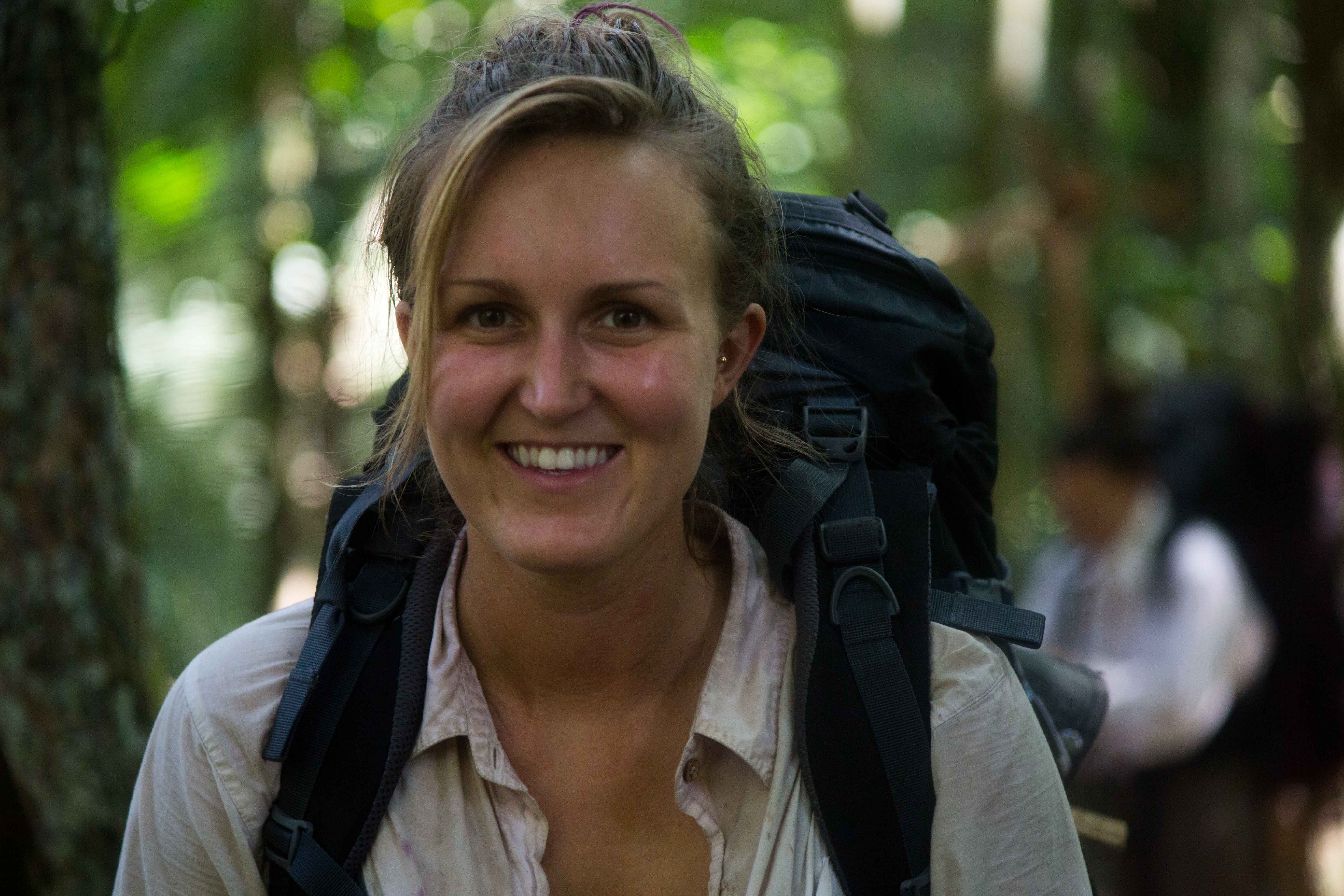

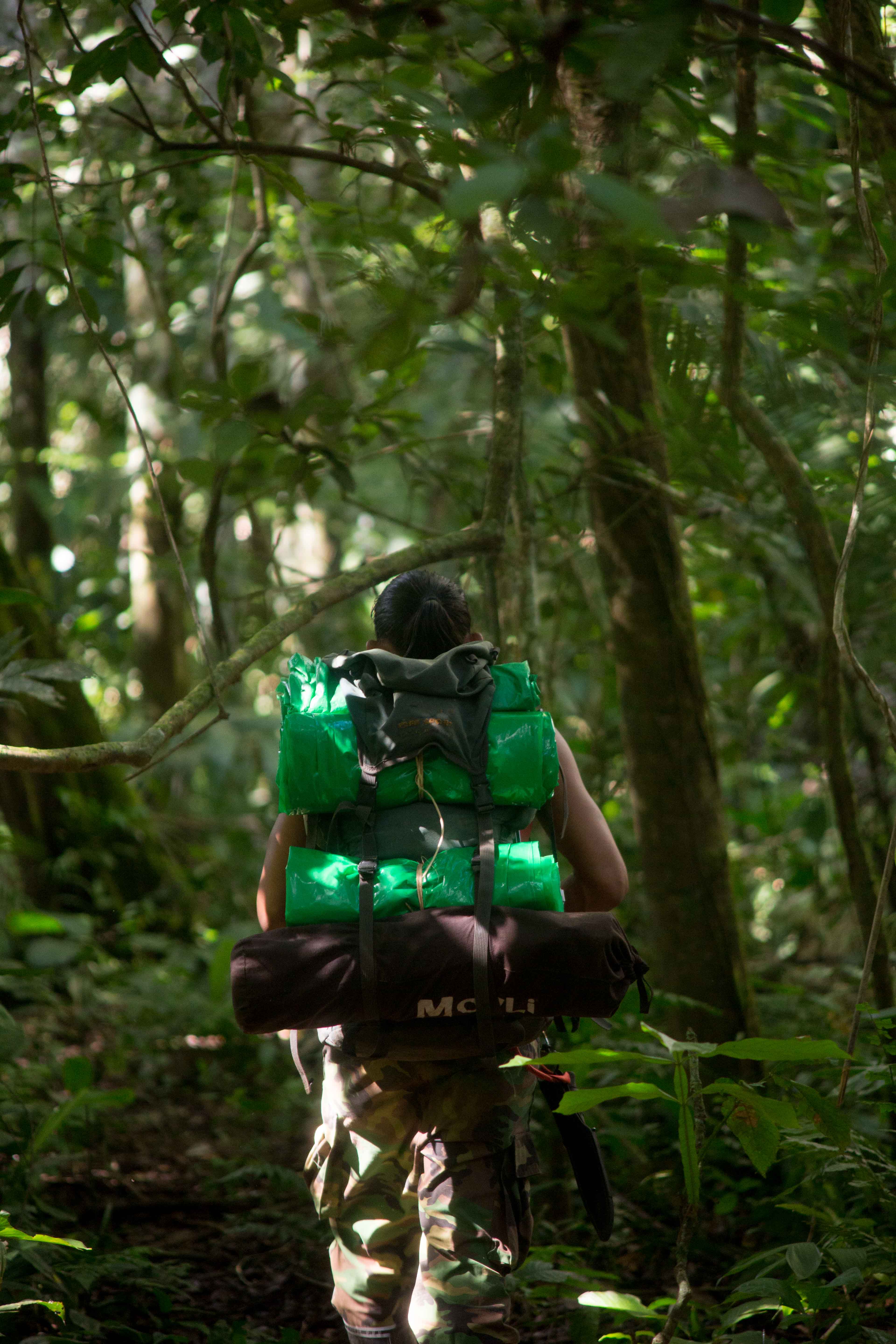
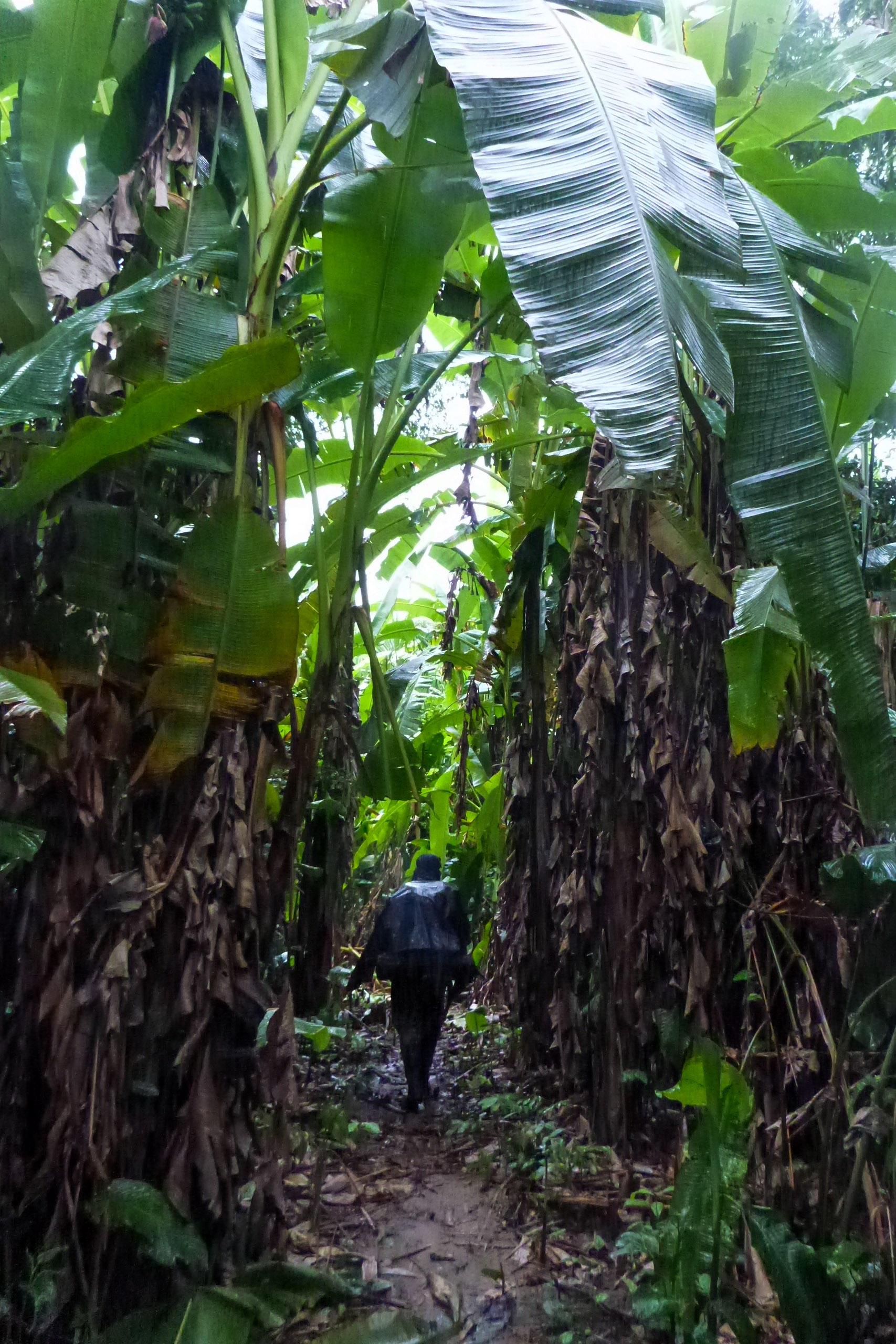
 We safely made it back to the riverside to camp out for one last night. Faizar wanted to take us on a night walk looking for alligators/crocodiles and we went out in the afternoon to cut a path for later. With his machete swinging violently Faizar cut through the thick bamboo-like surroundings and we followed keeping a safe distance. With some daylight still left it was time to try our luck at fishing for our dinner! The weather was pretty miserable however we hopped in the boat and drove further down the river where we sat on the riverbank hoping to catch a fish or two. Unfortunately, all we really caught was a cold and a couple hundred mosquitoes! We also ended up fishing for hand reels because instead of throwing the line into the water I threw my reel and then in an attempt to retrieve my reel using Will’s reel I threw that in as well!

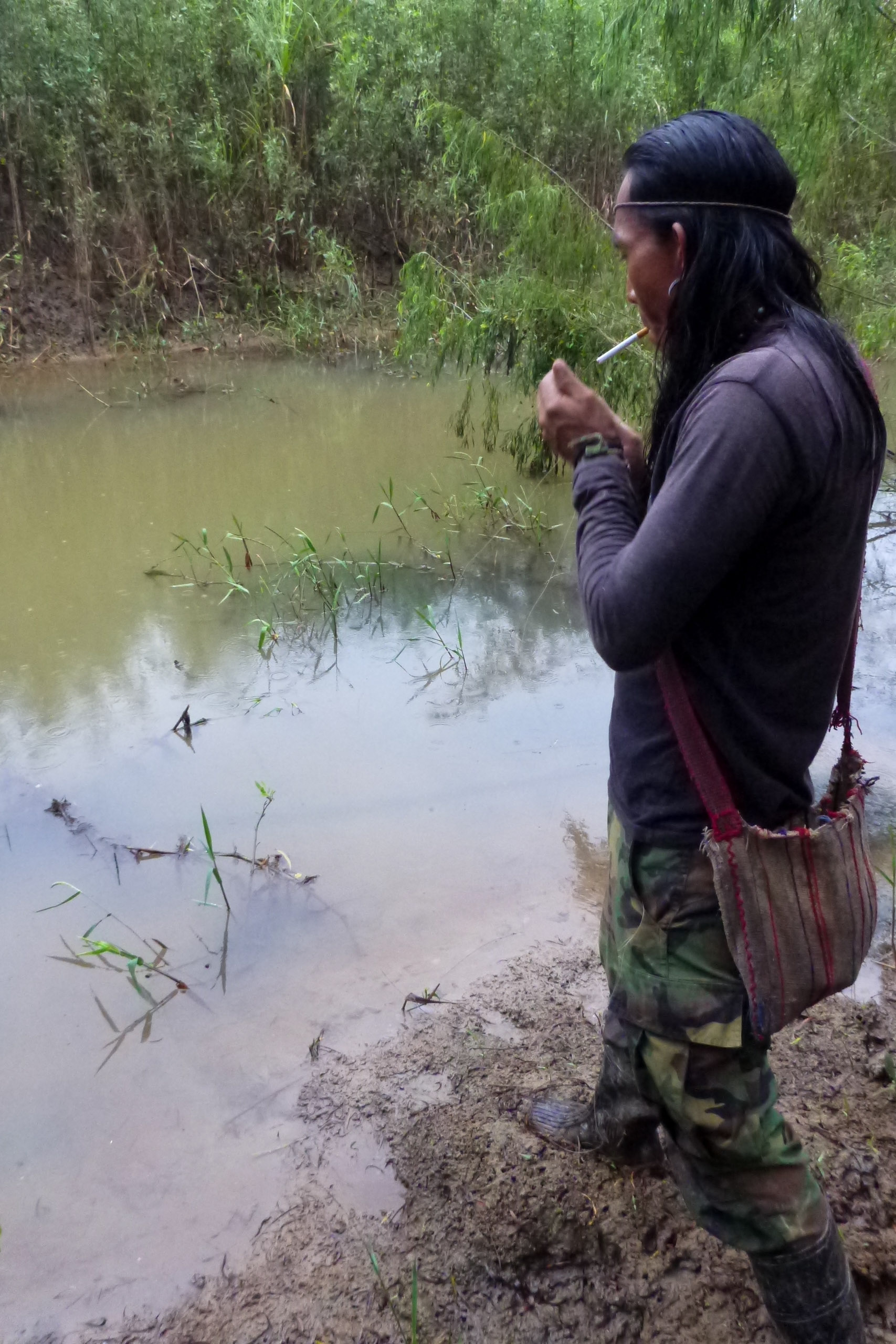
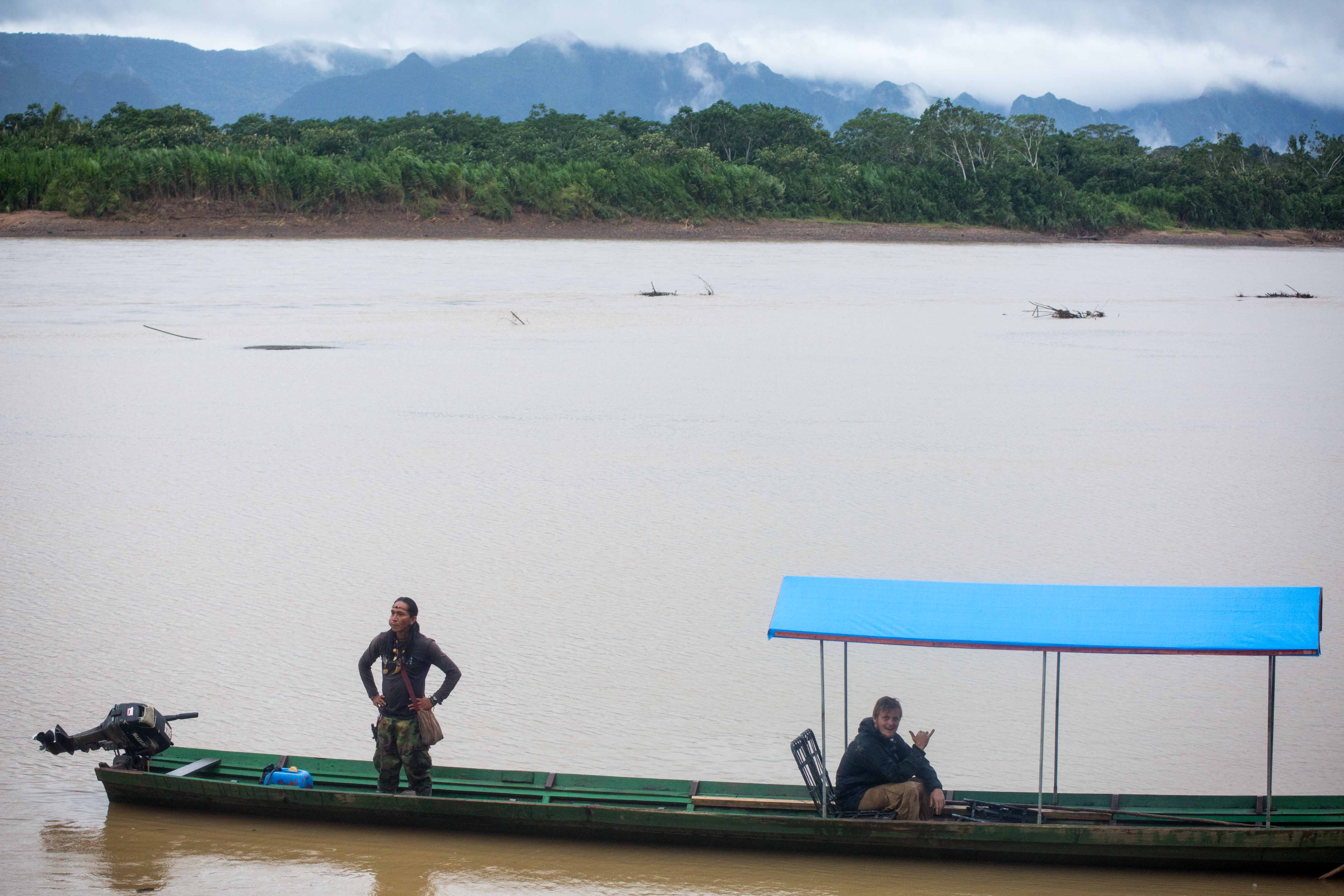
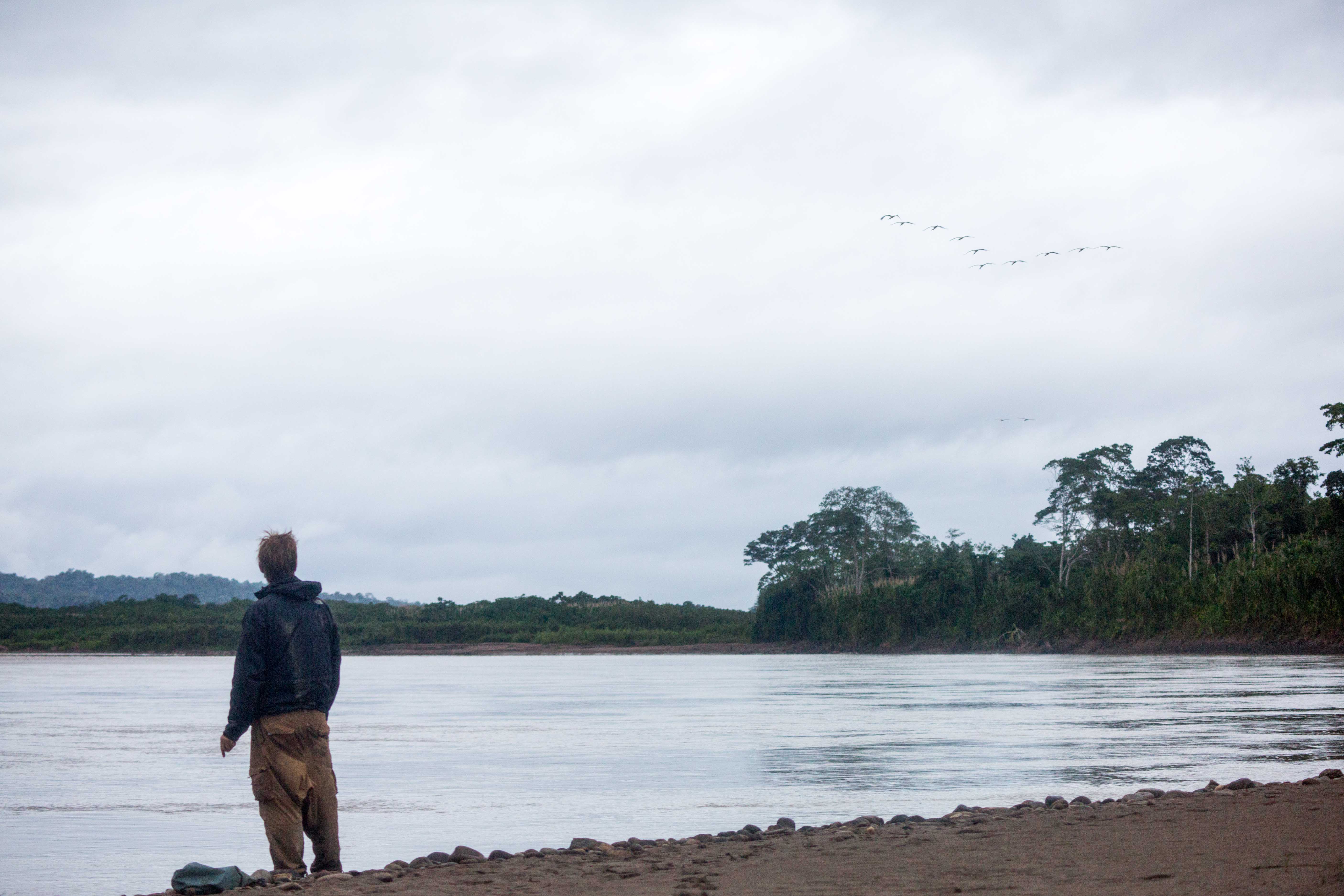 We returned to camp empty handed (lucky Jeremiah had a back-up plan for dinner) and then it was time to go back to our newly created jungle path searching for alligators. As we walked along the riverside to the path we looked down and there were fresh puma tracks in front of us! We followed these and realised they came from the new path that Faizar had cut into the jungle. Basically the puma had picked up on our scent, most probably while we were still in the jungle cutting the path and had then followed the path back out to the open before giving up and returning into the jungle! Pretty crazy stuff!! We walked in with our flashlights, praying our puma friend didn’t come back to visit and keeping a lookout for scaly reptiles in the water! Faizar left us with Jeremiah and went further along to see if he could find any and it was funny how the moment he left us we didn’t feel that safe any more! We continued back out to the riverside and it was actually right on the riverbank where we managed to spot a couple of crocodiles!
 With the next morning our Selva adventure was coming to an end so it was time to take a little piece of the jungle home with us. We sat around camp while Faizar taught us how to carve a certain type of nut which they use regularly for jewellery. We carved away at the brown exterior, revealing a white surface that when sanded back was shiny and smooth. One-by-one Faizar took our nut and carved different things on to them before burning the carved part with a lighter and leaving us with a beautiful momento of our time in the jungle. We drilled a hole in to the top of them and then along with other seeds and in some cases teeth, created unique necklaces which Faizar plaited together.


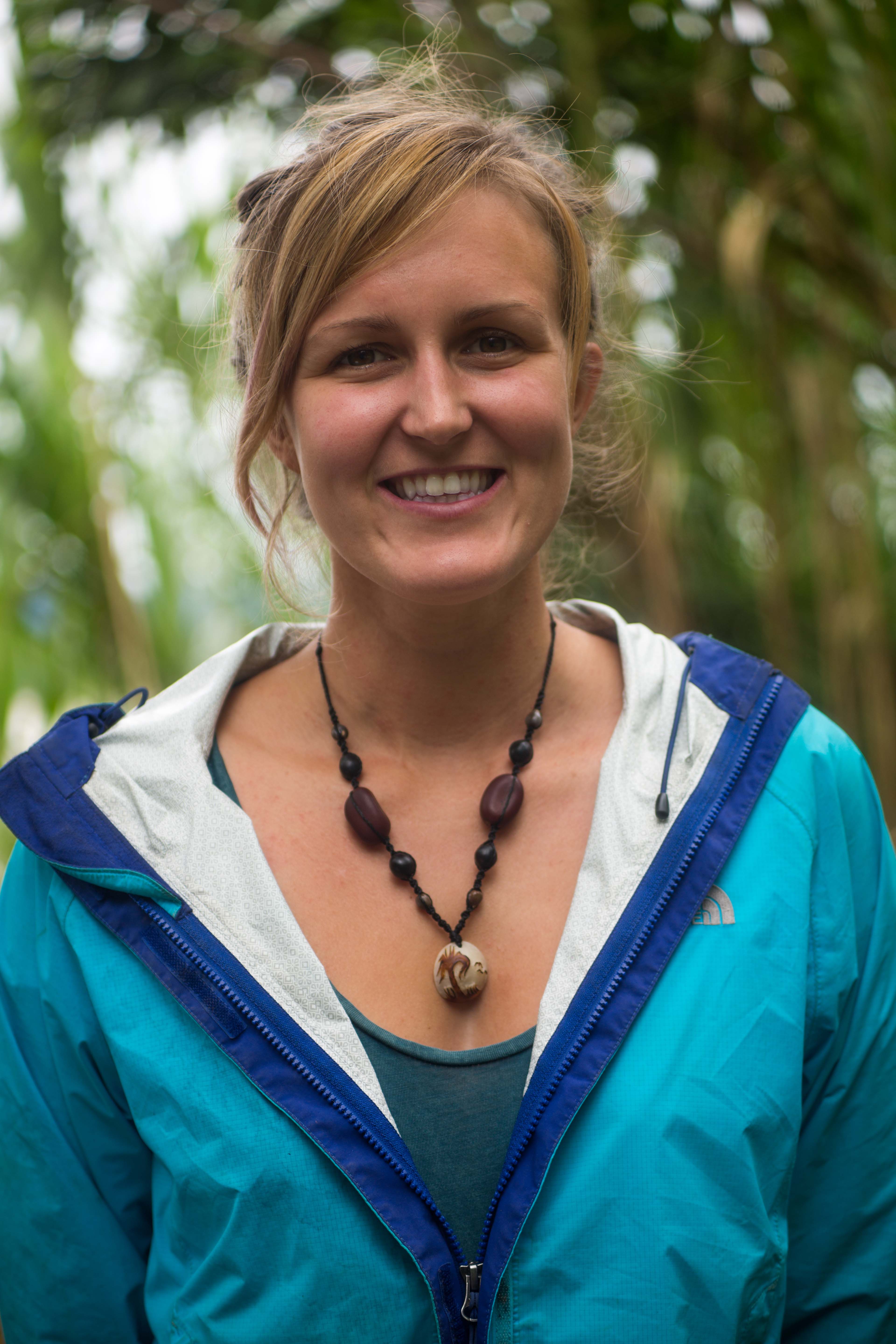
 Four days in the Selva, what an unforgettable experience we had. We couldn’t have asked for a better guide in Faizar, the jungle contains so many secrets and he helped us to uncover them. He challenged us while never compromising our safety and it was a privilege learning from him and hearing his stories. We were all ready for a shower and a bed but nevertheless it was sad to say goodbye.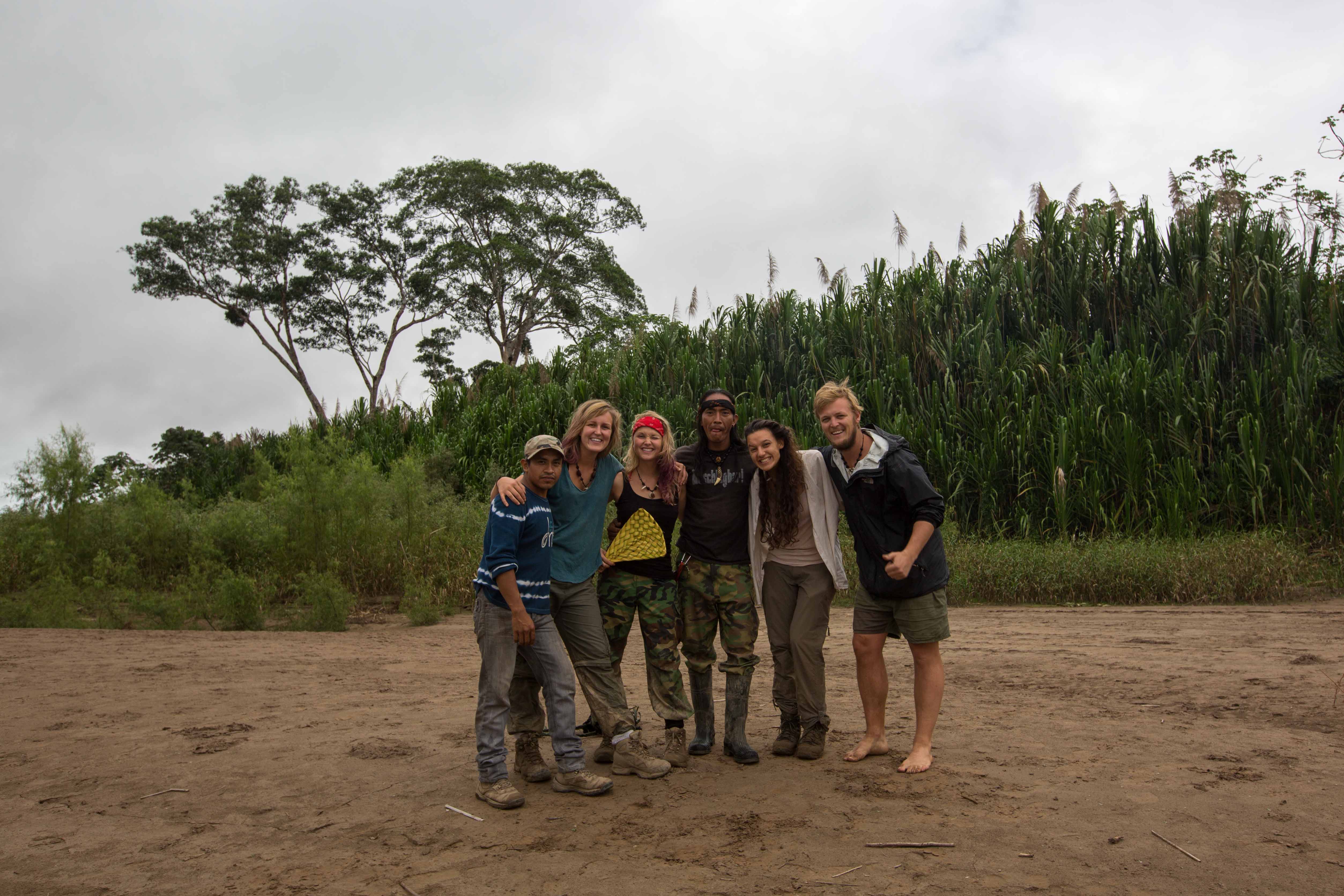



























 HEREWHEREWEARE