COPACABANA & ISLA DEL SOL

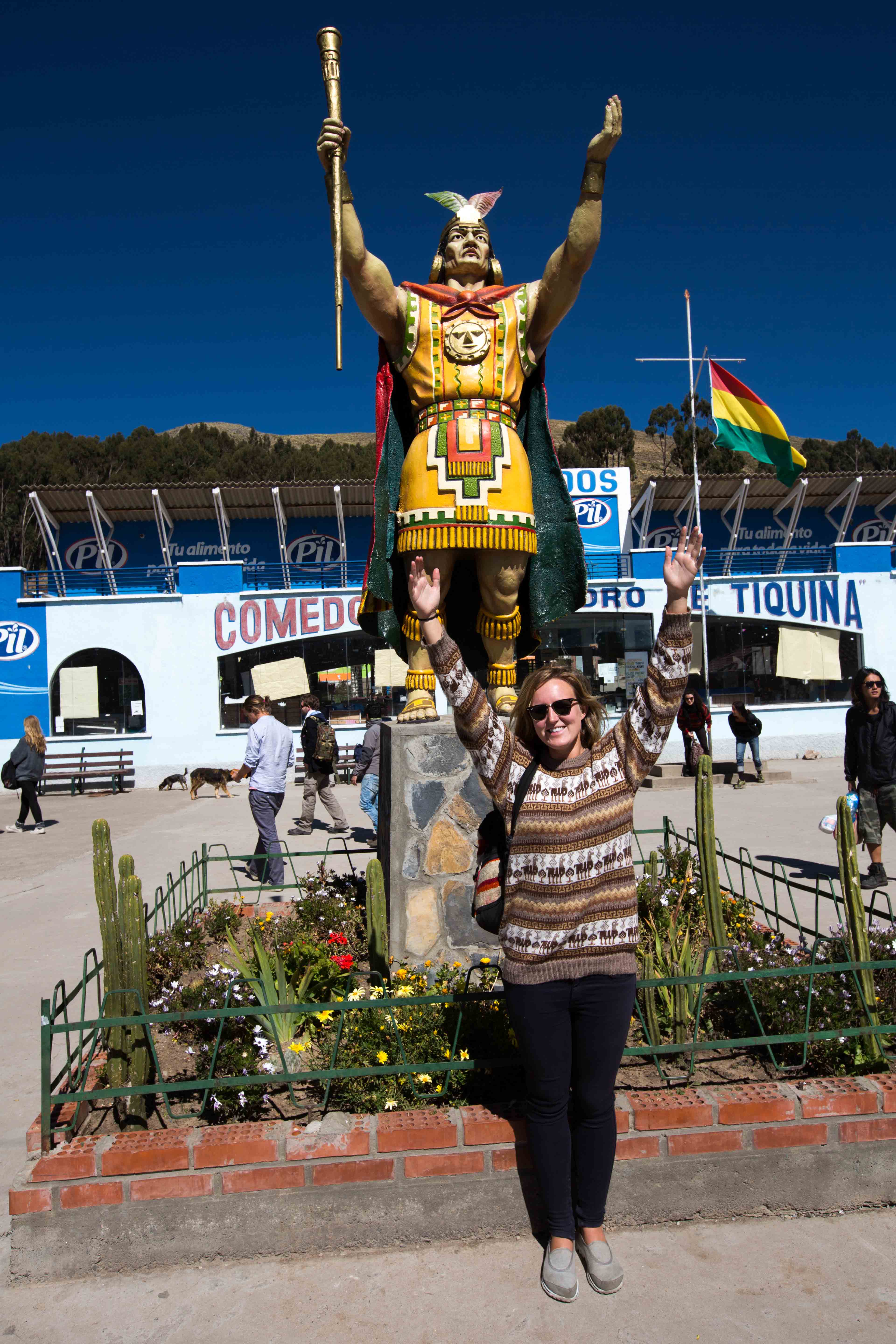
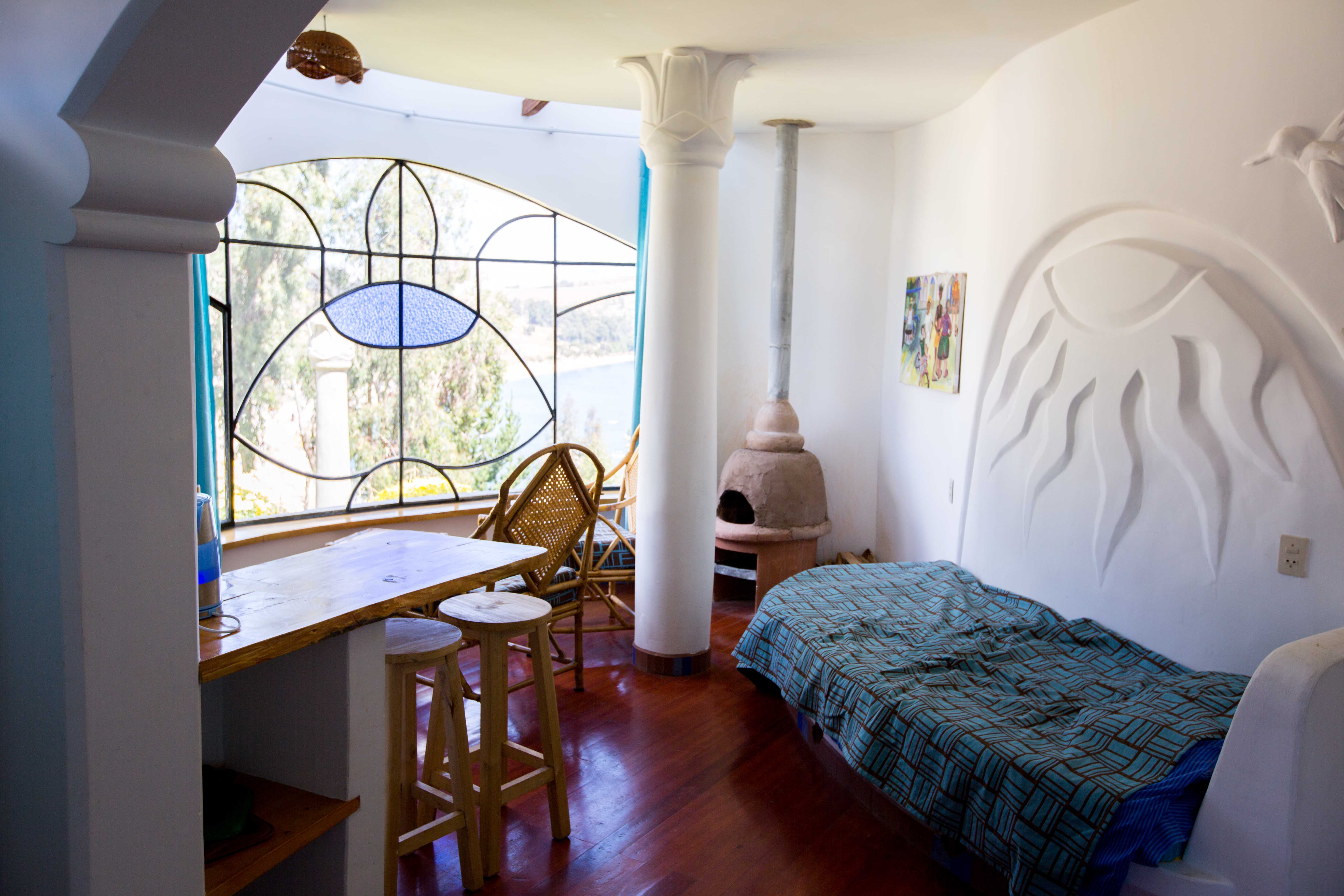
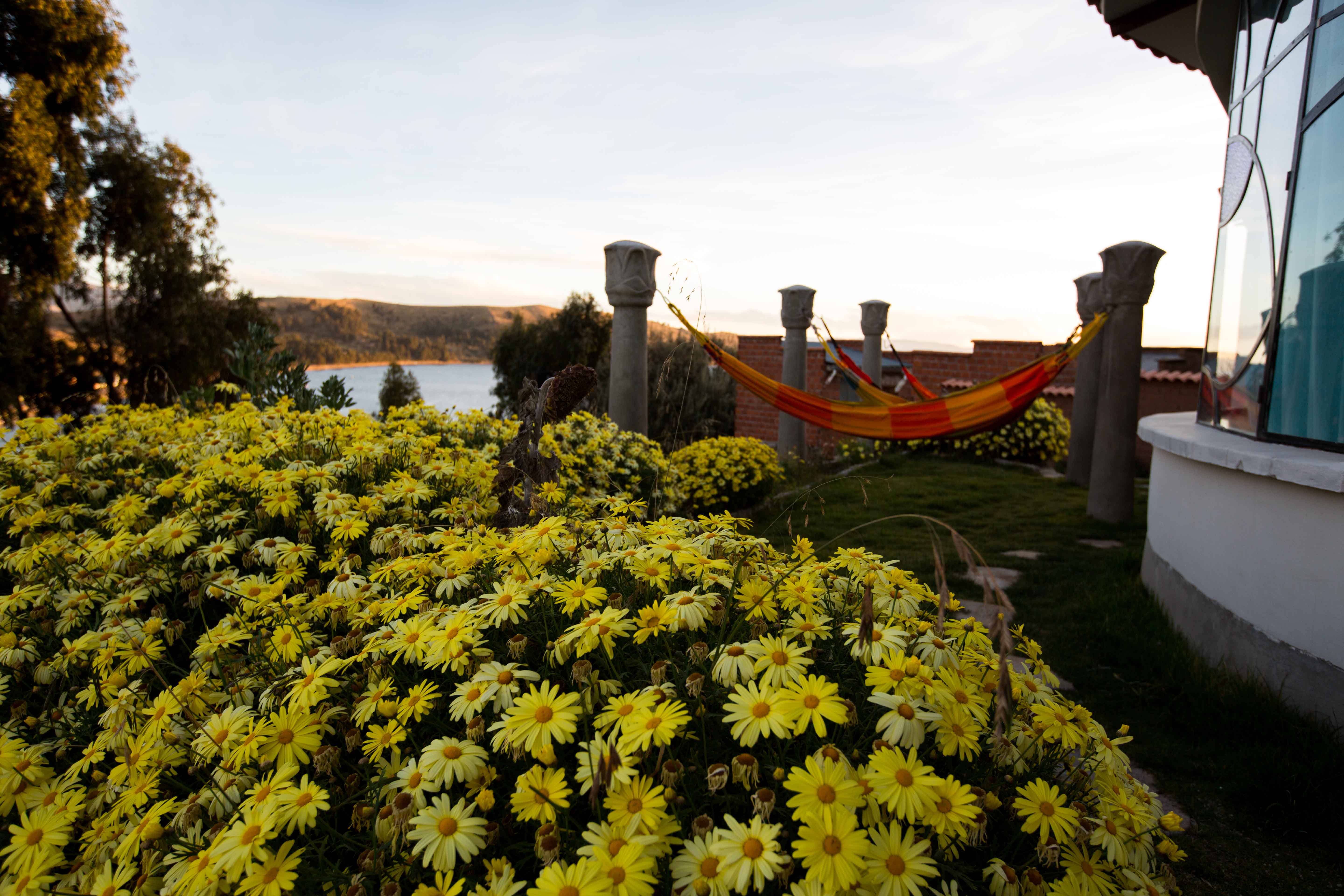
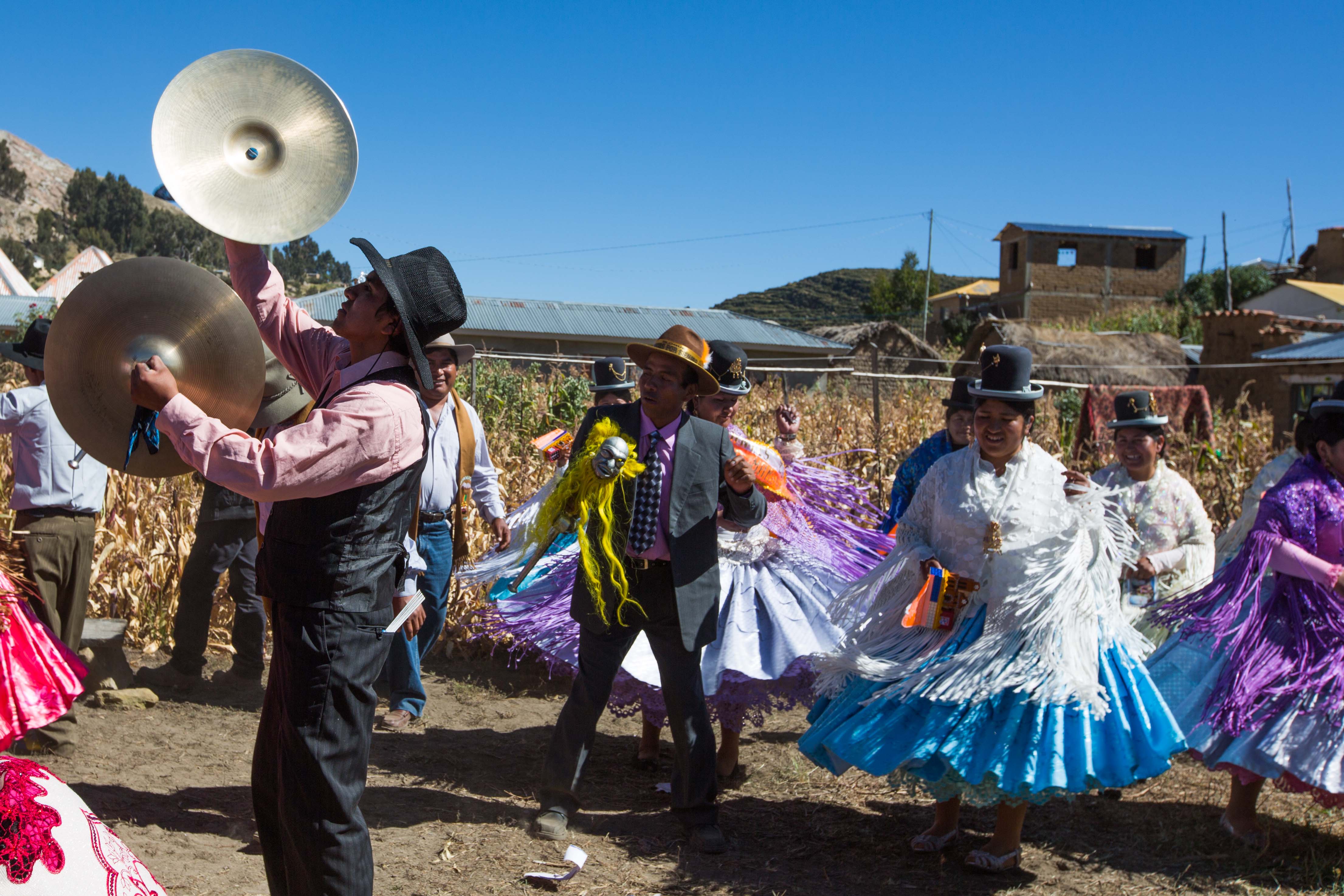
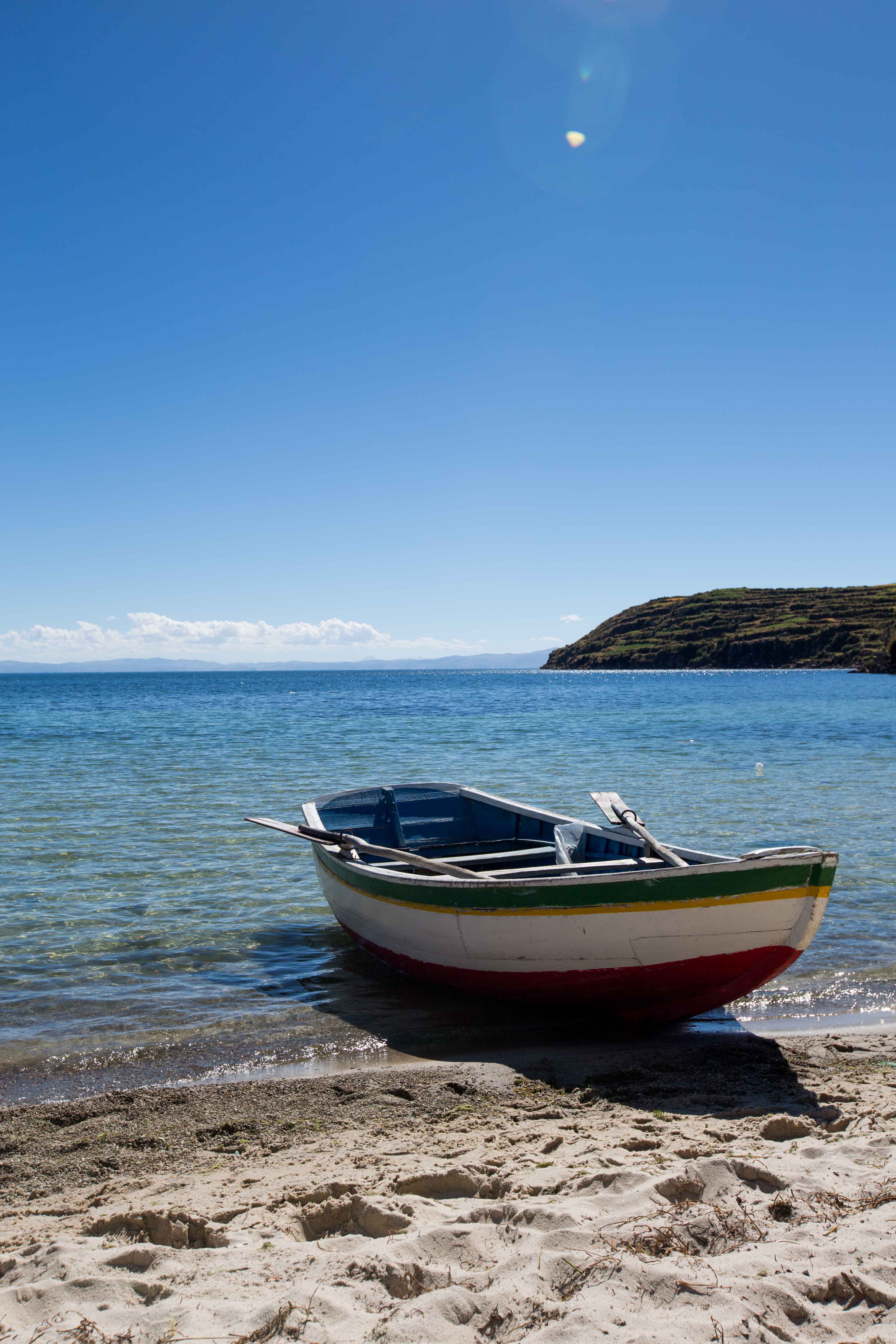
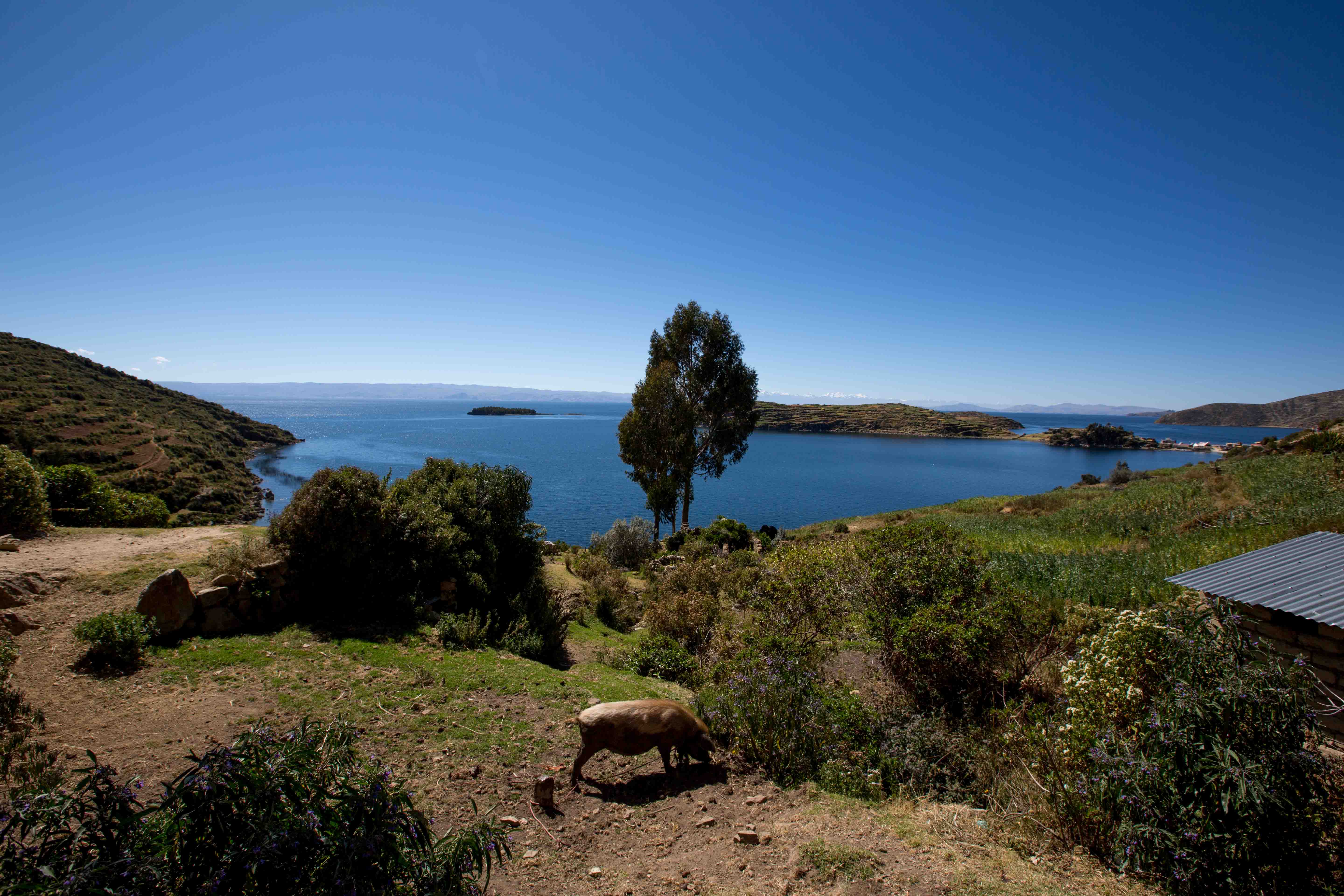
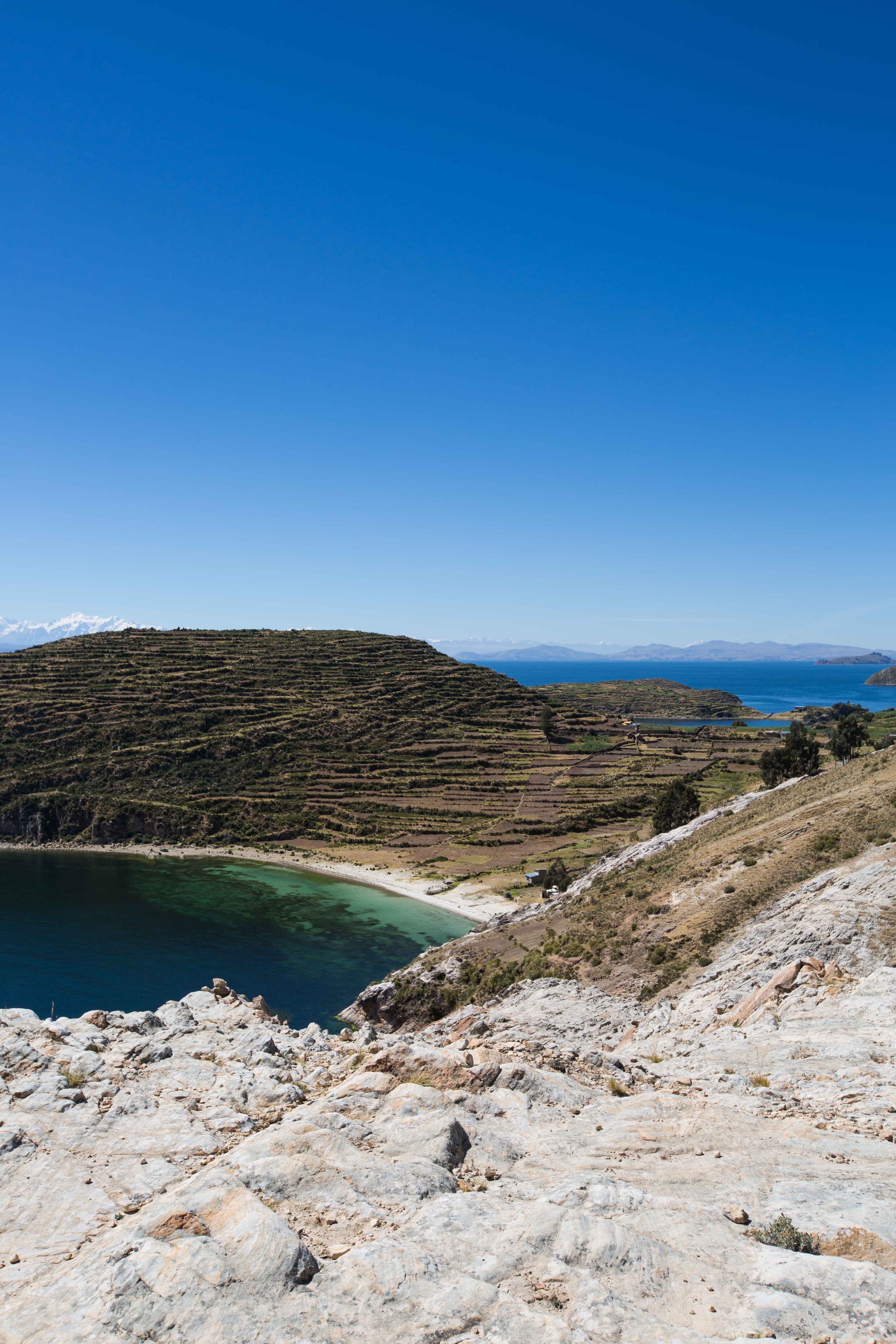
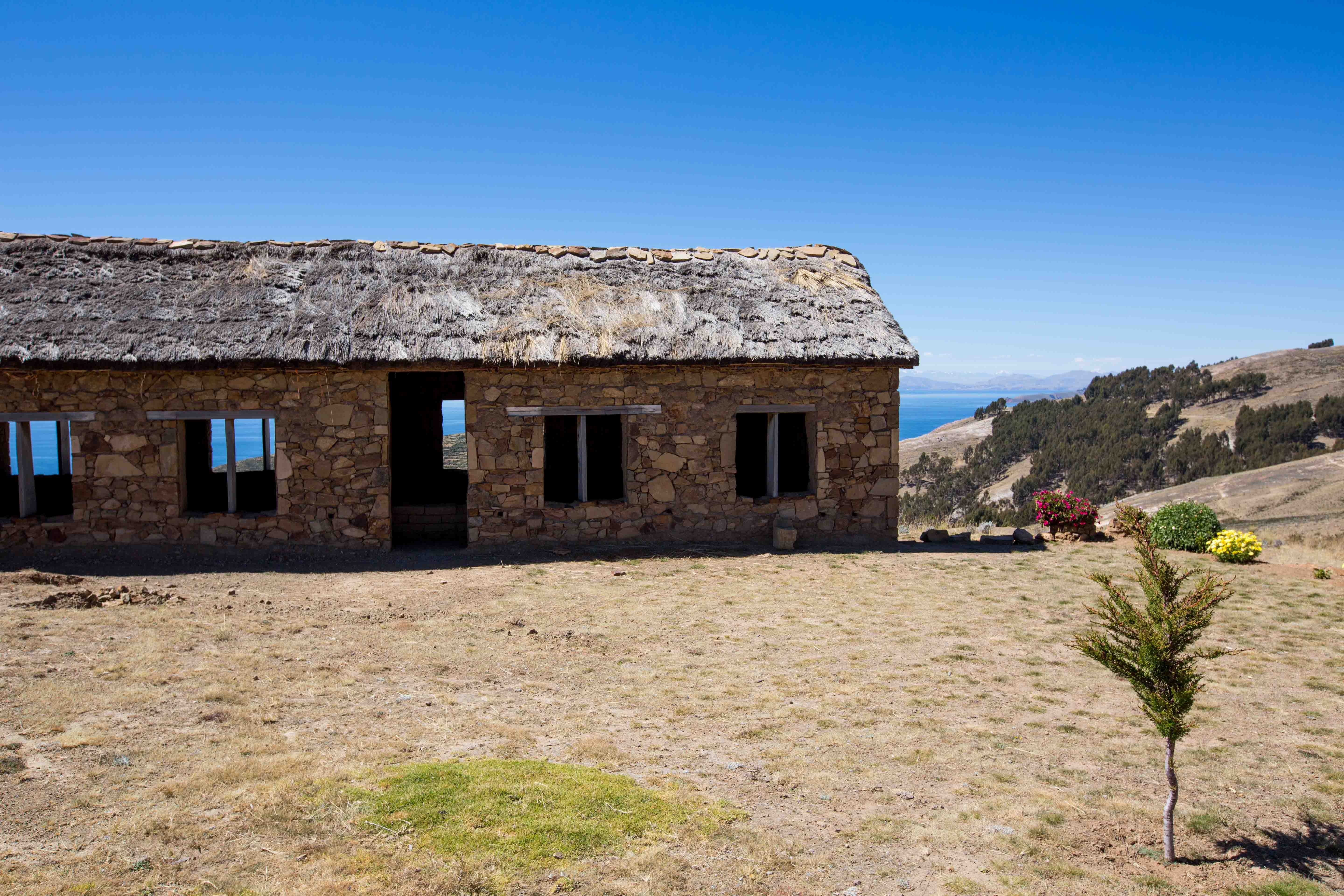
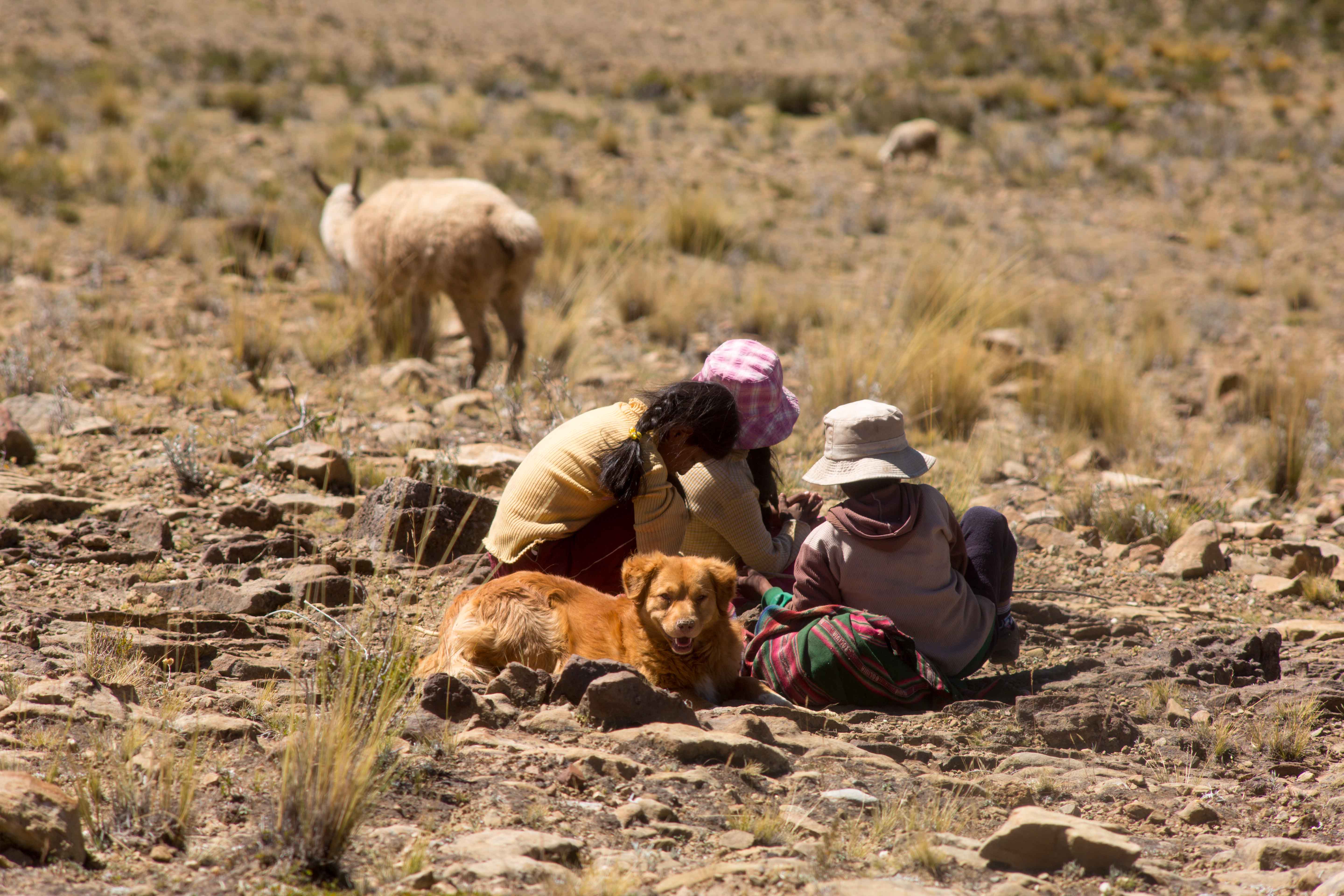
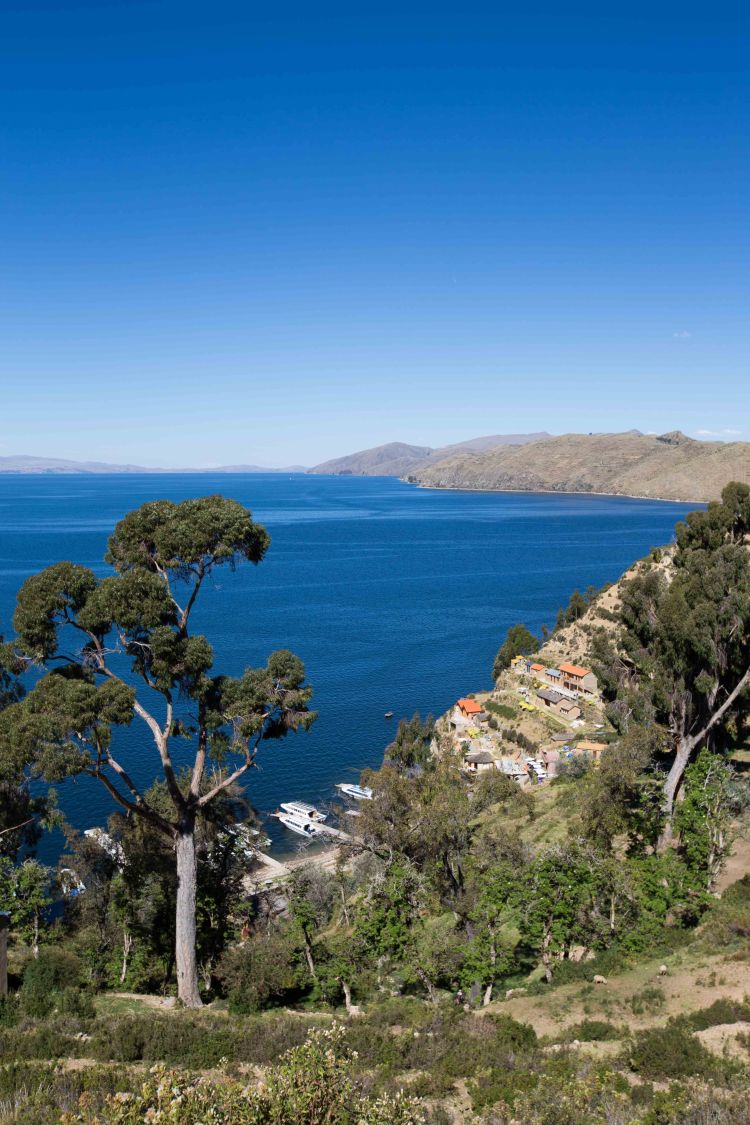
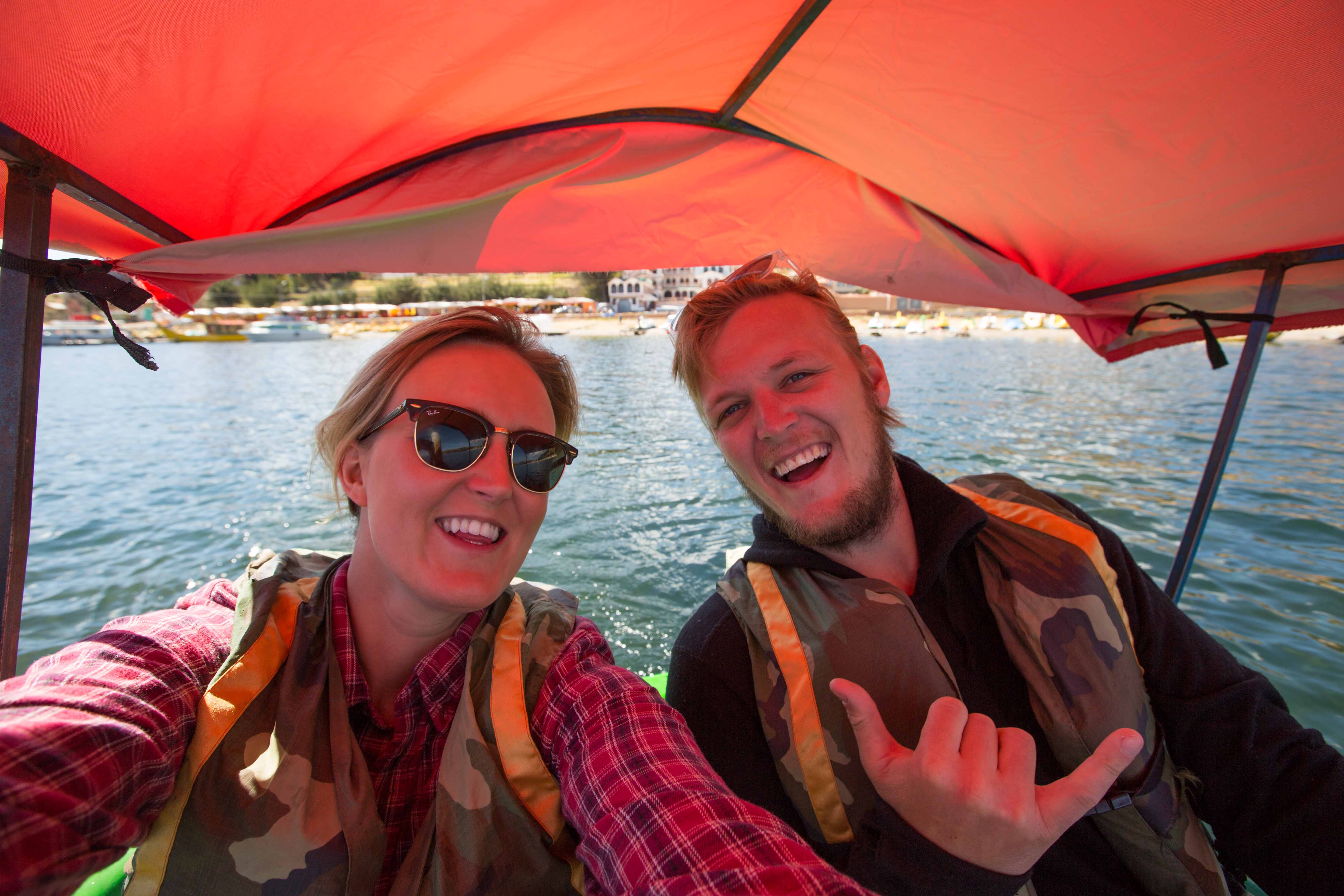
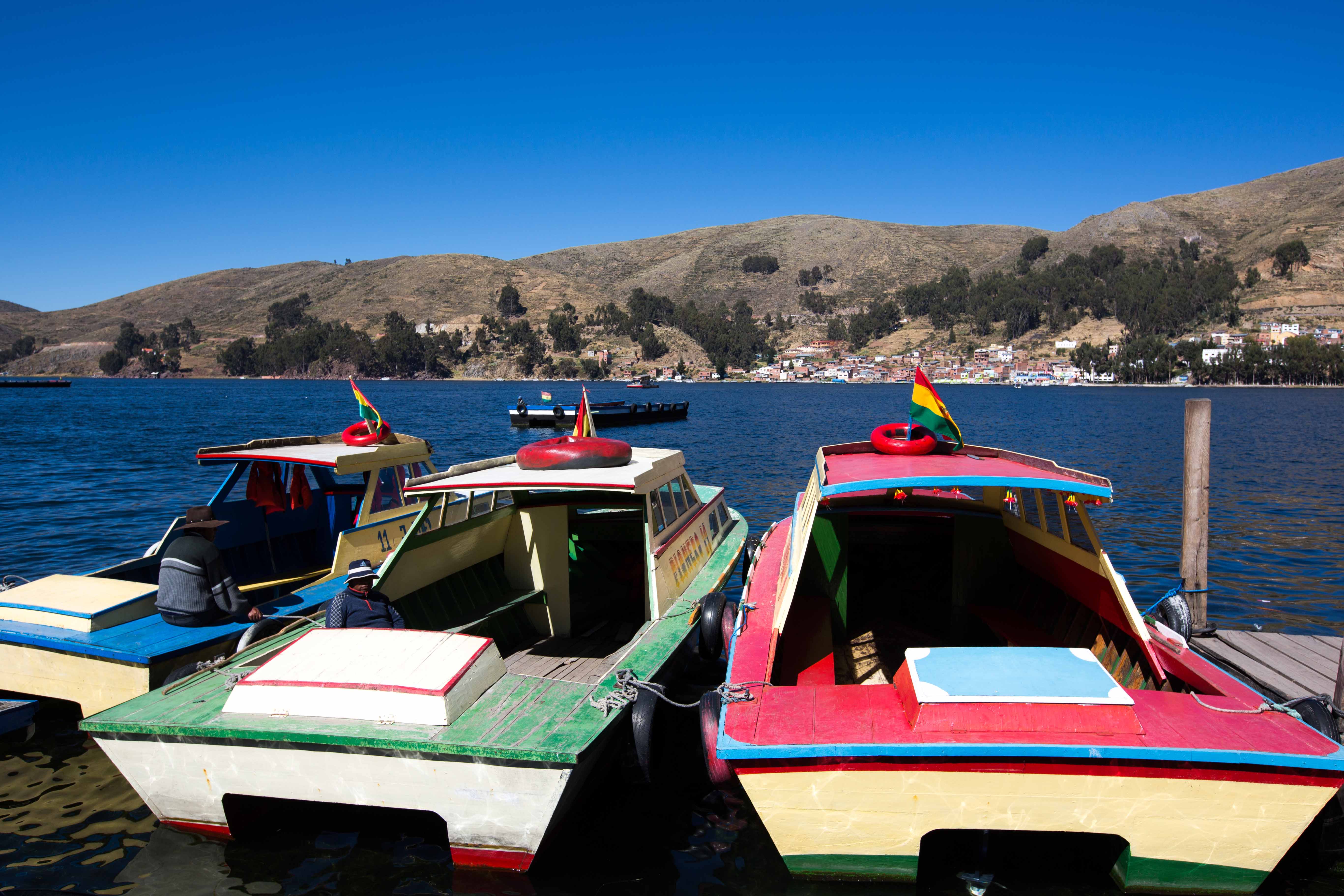
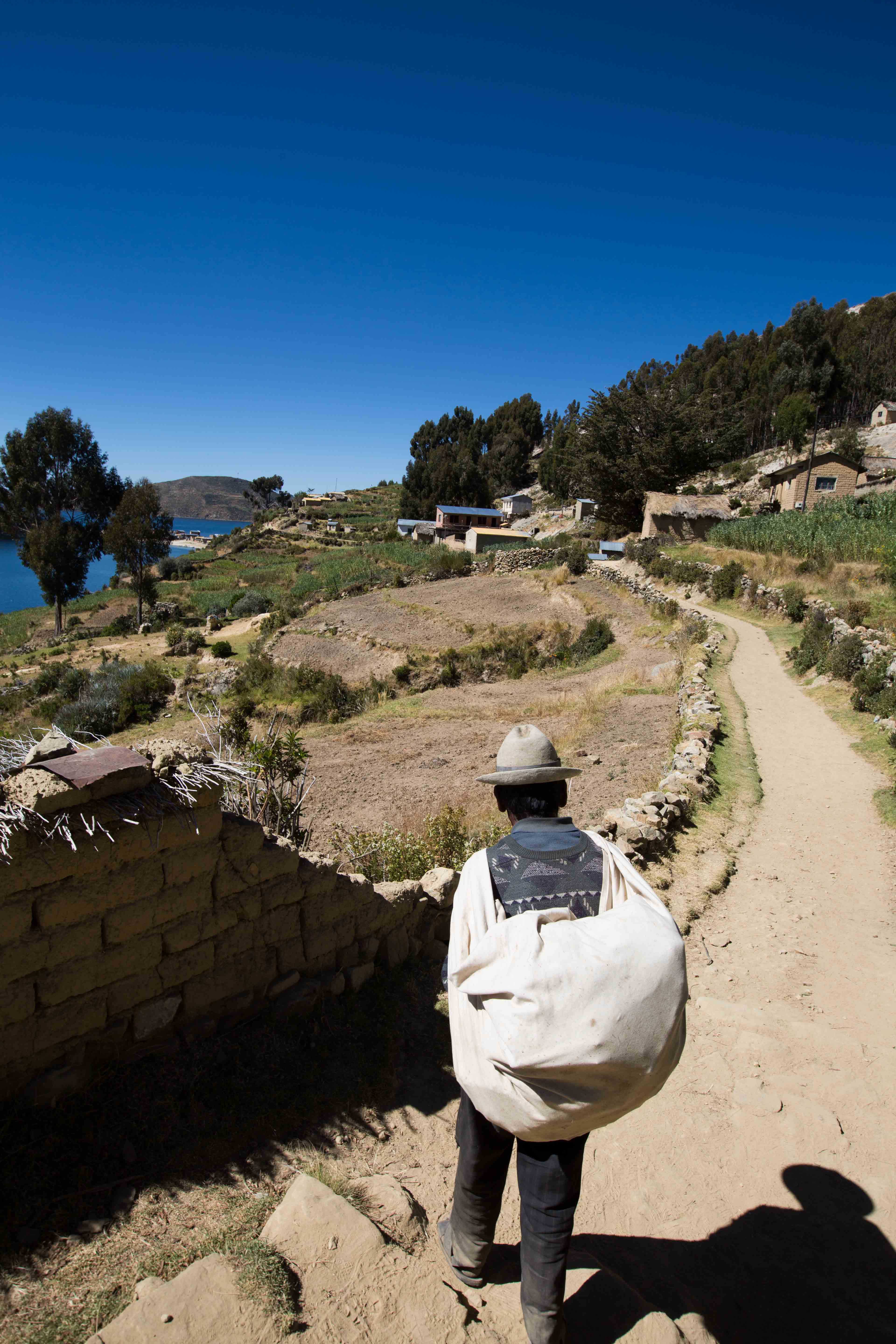
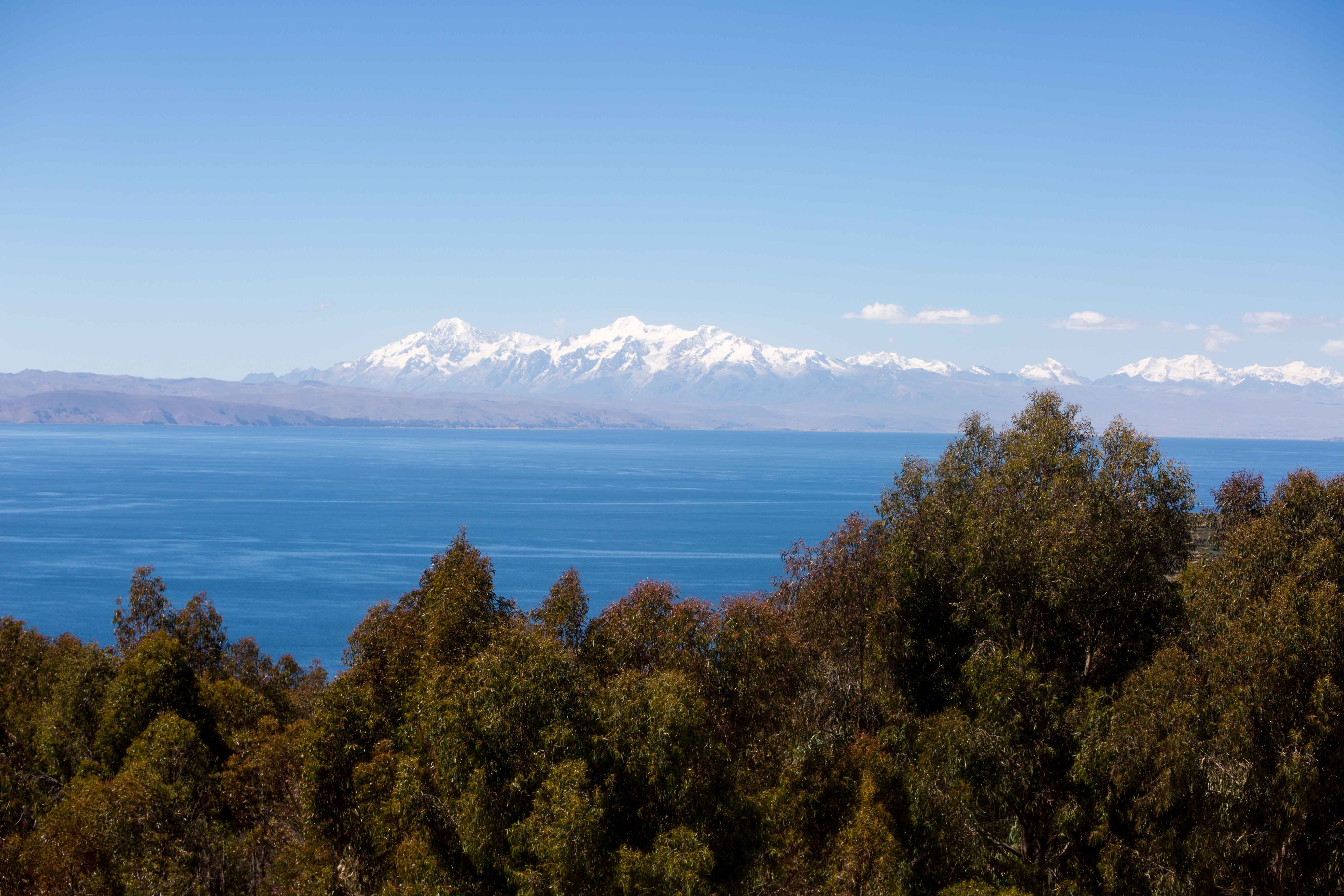
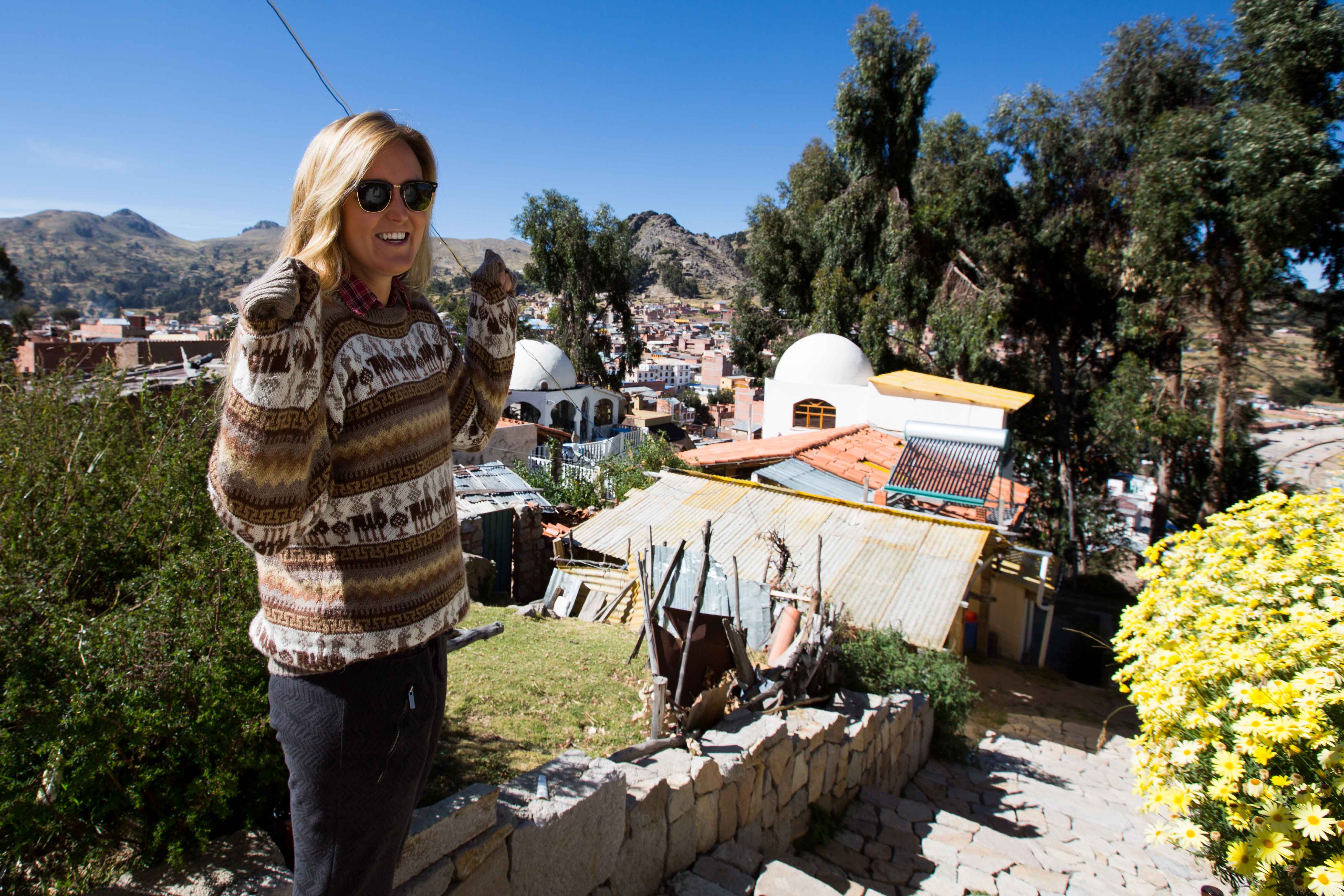
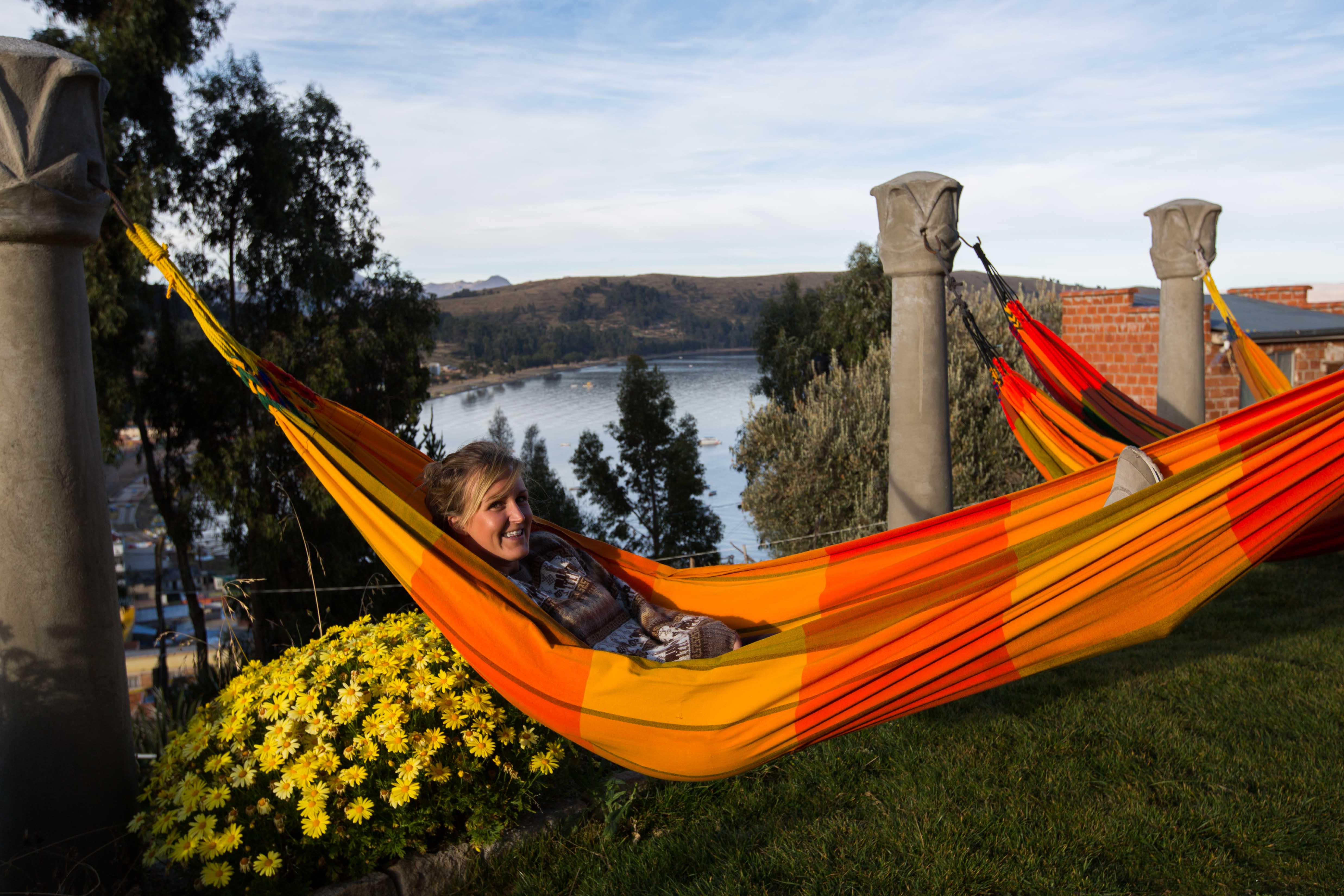
Boarding the bus to Copacabana I must say we were a little excited to be getting out of La Paz.  Being sick had taken its toll on both of us and we were looking forward to getting some fresh air.  After a three-hour bus trip we arrived in the small village of San Pablo de Tiquina where we had to hop off the bus and board a small boat to take us across the strait.  We left the bus and watched as it too made its way across the lake on a floating barge which looked really bizarre!Copacabana & Isla del Sol_003Copacabana & Isla del Sol_002Copacabana & Isla del Sol_007Continuing on and it was not long until we had arrived in Copacabana (annoyingly named town because I always end up singing that song that is not about this place but it still gets stuck in your head)! Anyway, finally – fresh air, something La Paz was certainly lacking! We breathed it in, smelling the many eucalyptus trees that surrounded us and enjoying the peace and quiet (outside of a few noisy farm animals).  Something in the air reminded us both of home and as we checked in to our suite accommodation overlooking Lake Titicaca, we were both in a happy place.  With hammocks out the front we settled in and enjoyed the sunset over one of the highest lakes in the world!Copacabana & Isla del Sol_013Copacabana & Isla del Sol_008Copacabana & Isla del Sol_012After a day relaxing it was time to explore Lake Titicaca a little further.  We were up early for the boat ride to Isla del Sol, a large island located on Lake Titicaca.  The boat ride was painfully slow but eventually we arrived at the North side of the island and were left with time to explore.  There was a celebration of some sorts taking place (far from a rarity in Bolivia) and we watched as the locals danced and played their instruments to their own beat before we began our walk from North to South.Copacabana & Isla del Sol_016Copacabana & Isla del Sol_020Copacabana & Isla del Sol_022Boat on Isla del SolWe climbed slowly (well Will climbed at a normal pace I guess) up the rocky path leading to higher ground on the island.  There are no vehicles on the island and we followed the same paths that the local families use as they travel between houses, farmlands and ports.  We paused to take in the beautiful views (and also to take a breath), admiring the crystal clear water as well as the tall eucalyptus trees above the lush green pastures.  Copacabana & Isla del Sol_029Copacabana & Isla del Sol_032Copacabana & Isla del Sol_031Copacabana & Isla del Sol_033Lake Titicaca is 3800m above sea level and at the top of Isla del Sol it is approximately 4100m above sea level so I really enjoy being able to blame the altitude for my hopeless efforts walking up hill – Will doesn’t seem to be as badly affected but that’s my excuse and I’m sticking to it!  I have absolutely no idea how the locals do it, carrying their various bundles on their backs (sometimes huge) up and down the hills, not breaking into a sweat or stopping for a breather!  Copacabana & Isla del Sol_035
Copacabana & Isla del Sol_036

Will’s “bundle” vs. “Bolivian lady’s “bundle”… I can’t believe he didn’t offer to help!!!

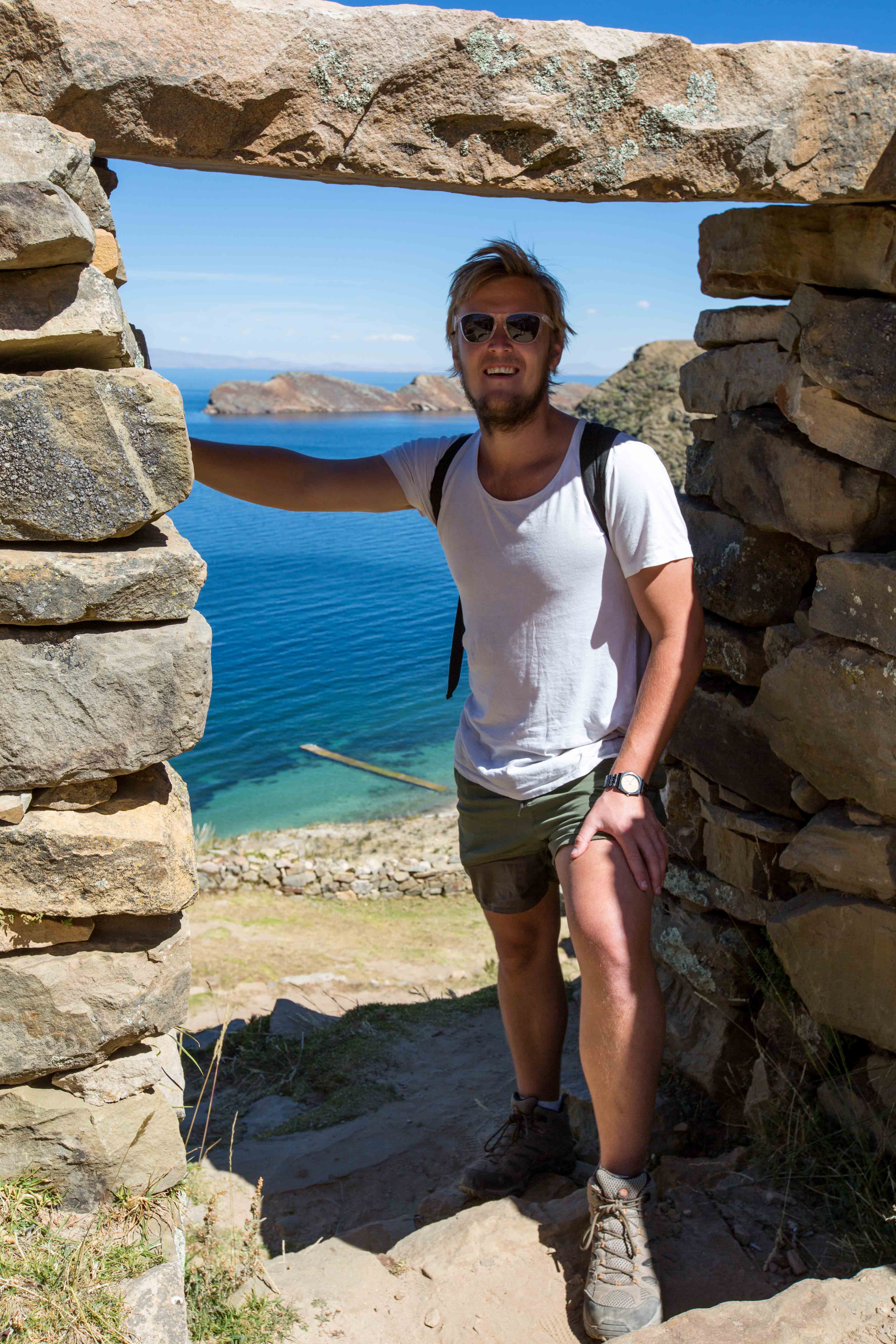
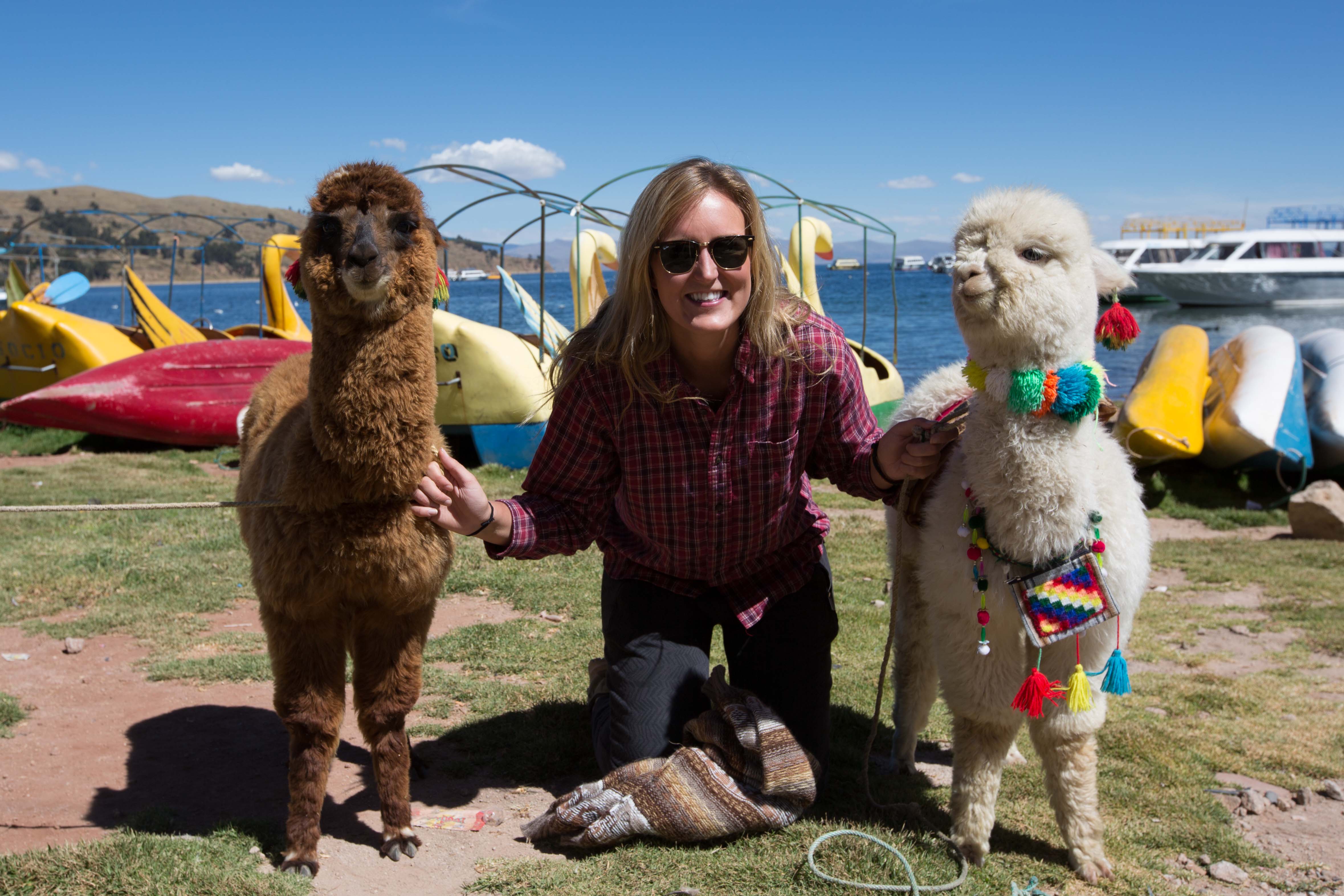
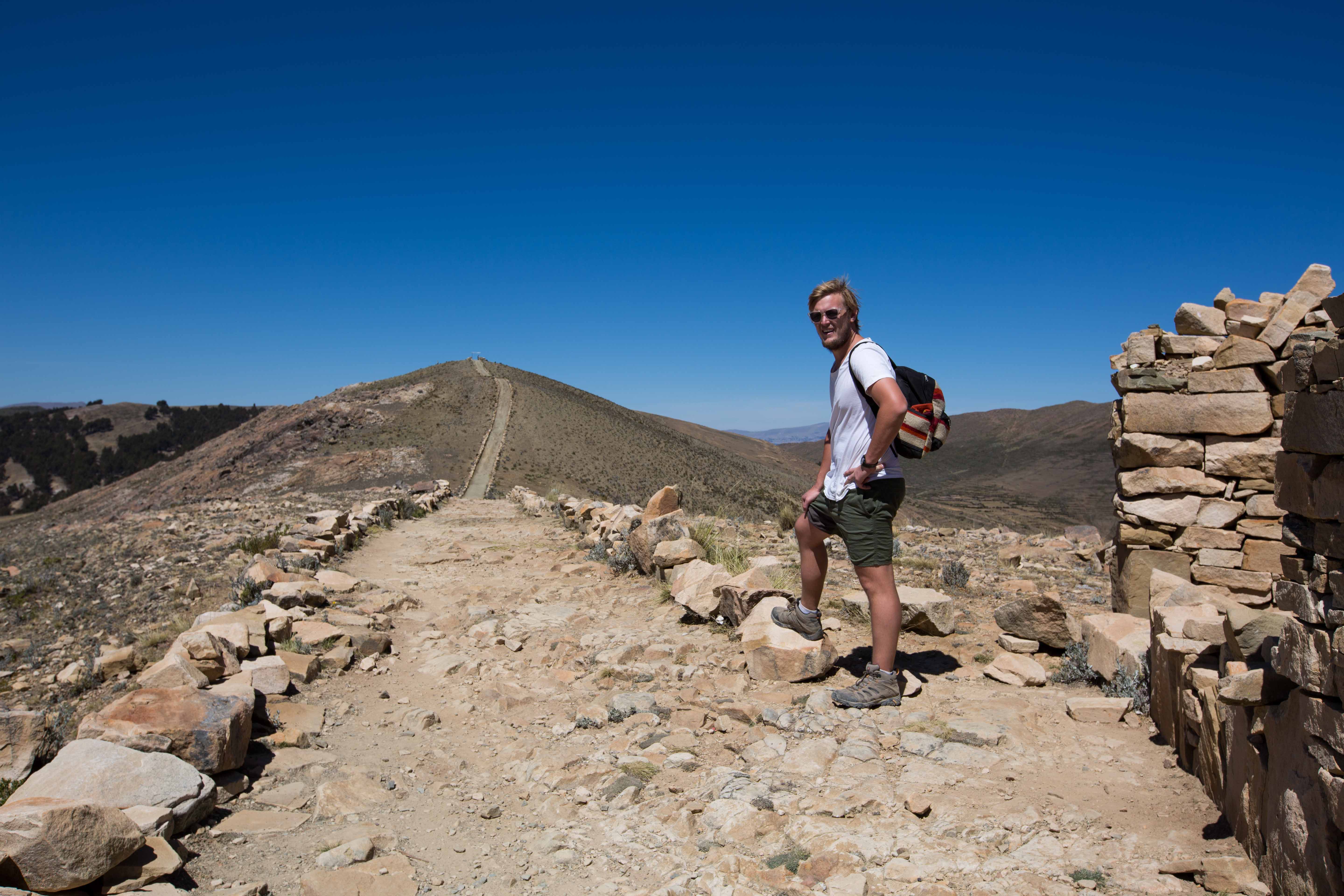
As you reach the Northern end, you have complete 360 degree views around the island and at the tip lies the Chincana ruins, remains from the Inca pilgrims.  The ruins are a maze of stone walls and walkthroughs, the doorways rather small by today’s standards.  A rock table can be found close by where apparently animals and even humans were sacrificed as offerings to the gods.  Copacabana & Isla del Sol_041Copacabana & Isla del Sol_043Copacabana & Isla del Sol_042From the Northern end we began our walk across the island to the south.  We continued to admire the island’s beauty with every up and down (there are a lot of hills walking North to South), stopping for lunch at the highest point.  We greeted locals and did our best donkey impressions as we passed them grazing in the fields along the way.  It was all good fun until a previously unseen man stood up next to his donkeys and gave us a rather strange look!Copacabana & Isla del Sol_048Copacabana & Isla del Sol_051Copacabana & Isla del Sol_065Copacabana & Isla del Sol_052Copacabana & Isla del Sol_066The arid landscape complete with hundreds of eucalyptus trees was refreshing and had it not been for the snow capped mountains in the background you could be forgiven for thinking we were back in Australia.  One last big hill and we were making our way back to the water where we enjoyed a well deserved beer before the boat ride back to Copacabana.Copacabana & Isla del Sol_061Copacabana & Isla del Sol_055Copacabana & Isla del Sol_075Copacabana & Isla del Sol_076Copacabana & Isla del Sol_083It was my birthday the next day and for those playing at home, yes that means I’m officially two months behind with this blog (it should be named herewhereweWERE).  Anyhow, being that it was my birthday I got to do whatever I wanted which for me included going out on a paddle boat that looked like a swan and having my photo with two baby alpacas (yes I turned 12).  It was a beautiful day and the perfect spot to relax on my birthday, finishing off the big day at a Mexican restaurant with Will & Niels.Copacabana & Isla del Sol_091Copacabana & Isla del Sol_099Copacabana & Isla del Sol_101Copacabana & Isla del Sol_102Copacabana & Isla del Sol_106Copacabana & Isla del Sol_109As is always the case, it was necessary to keep moving so we enjoyed a final day relaxing in our hammocks, taking in the scenery before walking up Cerro (hill) Calvario to watch the sunset over Lake Titicaca.
Copacabana & Isla del Sol_145Copacabana & Isla del Sol_127Copacabana & Isla del Sol_132

LA PAZ

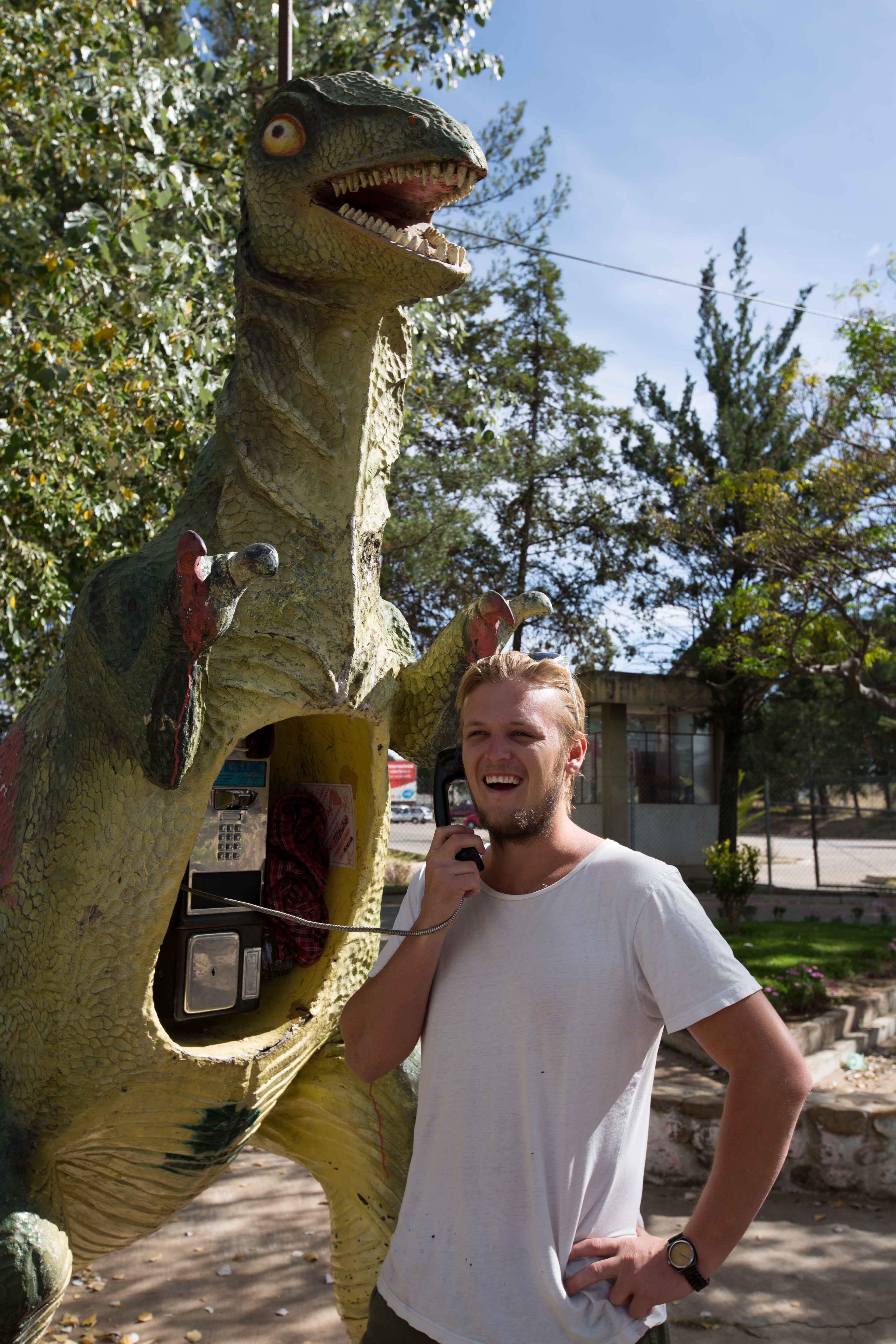
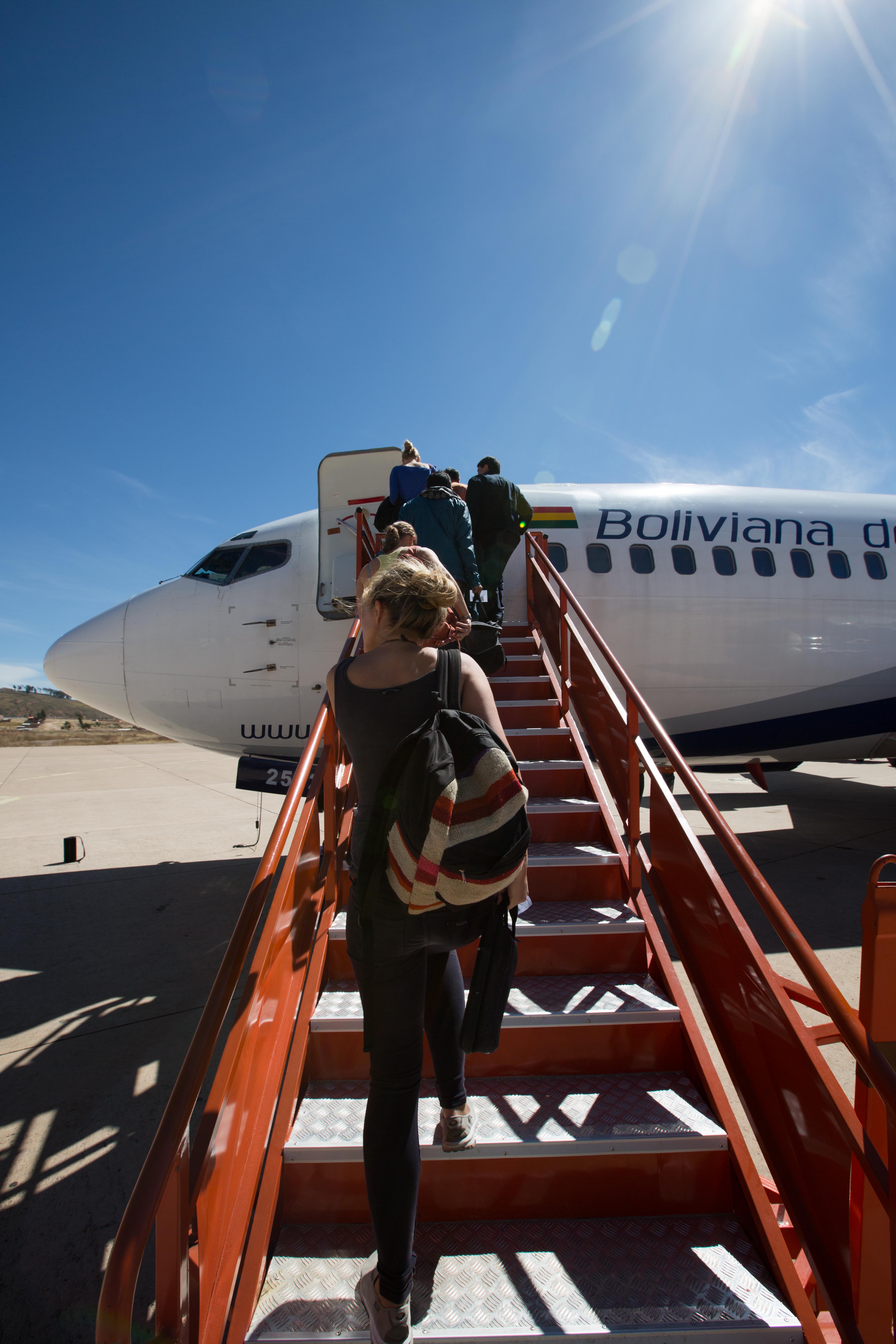
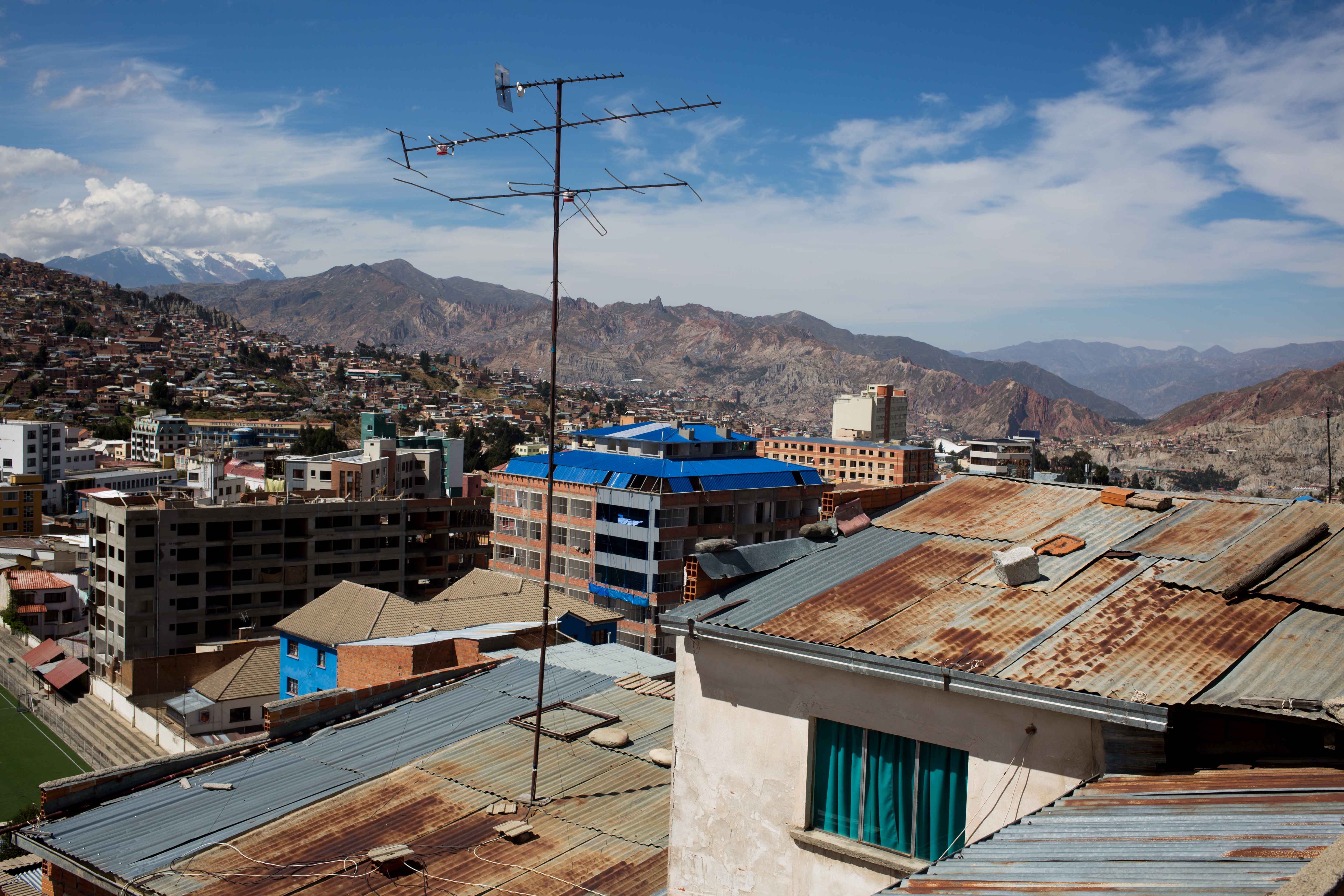
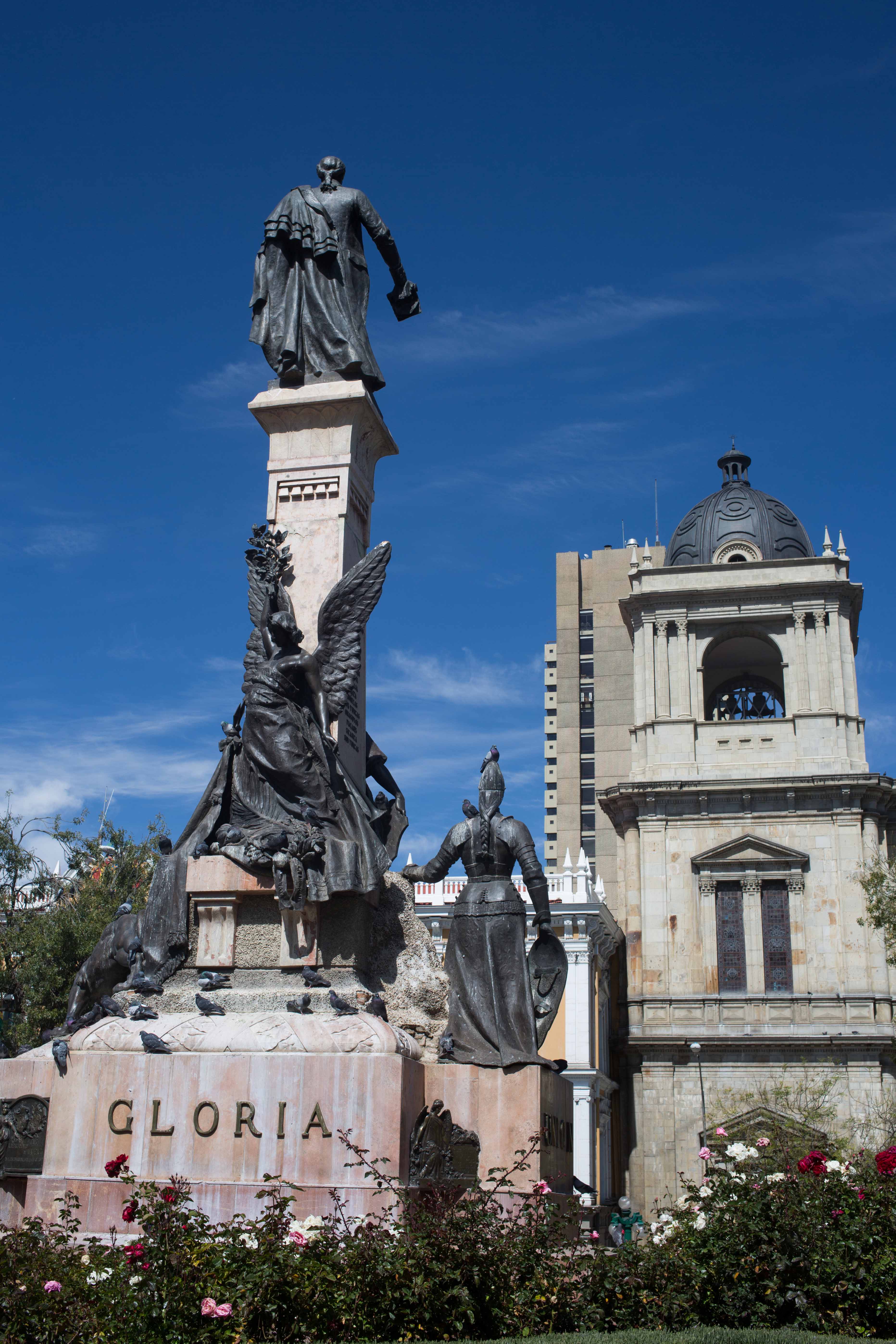
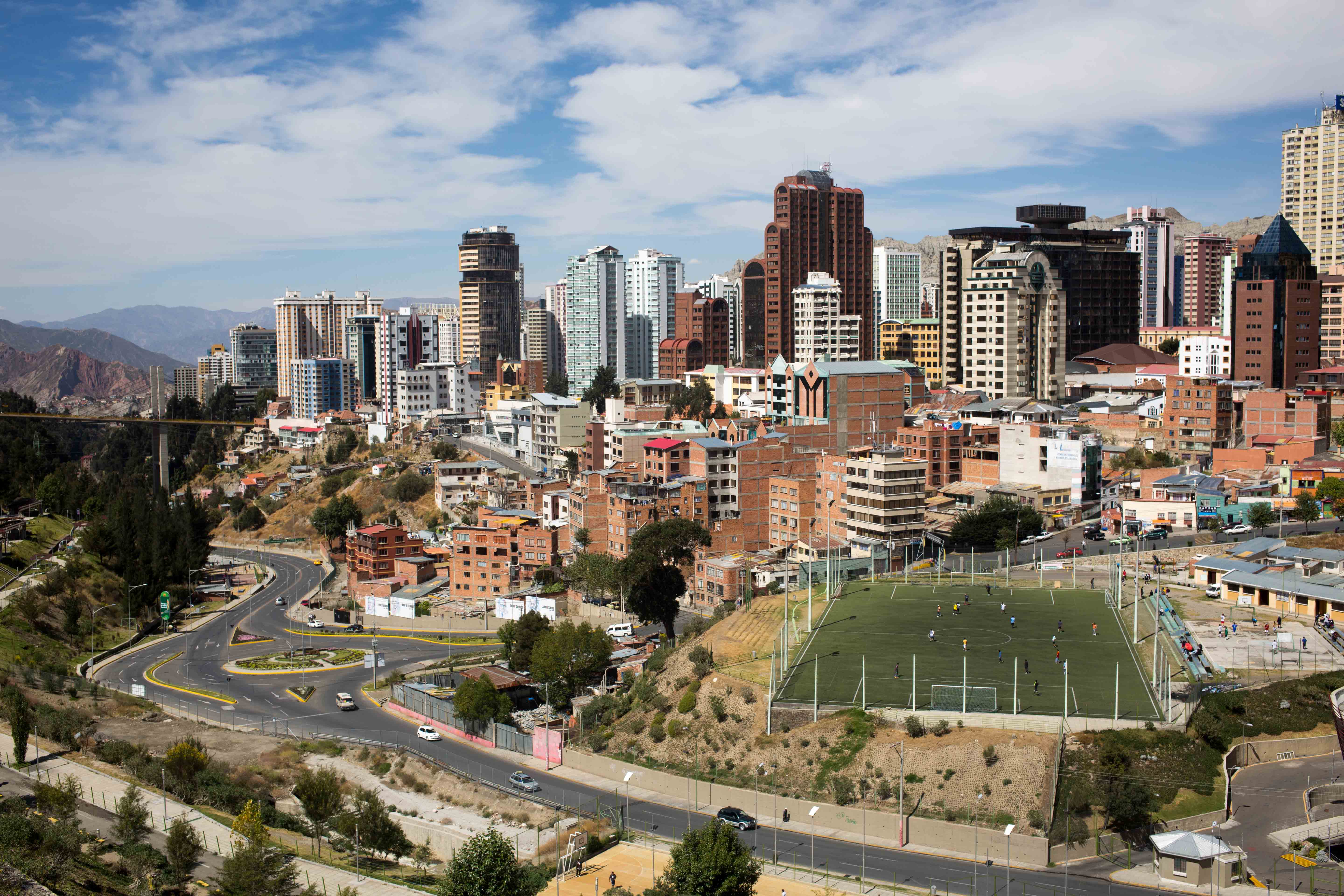
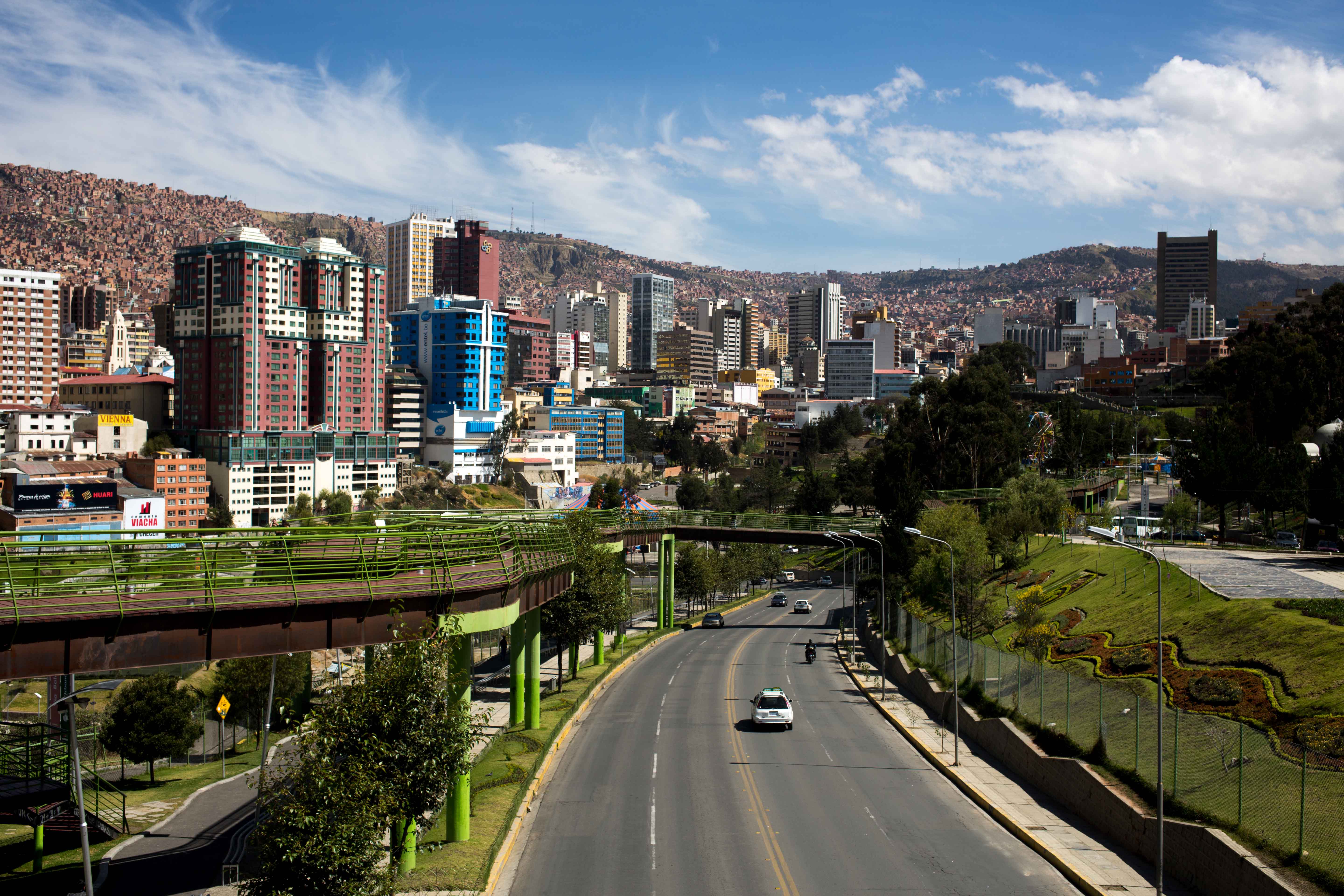
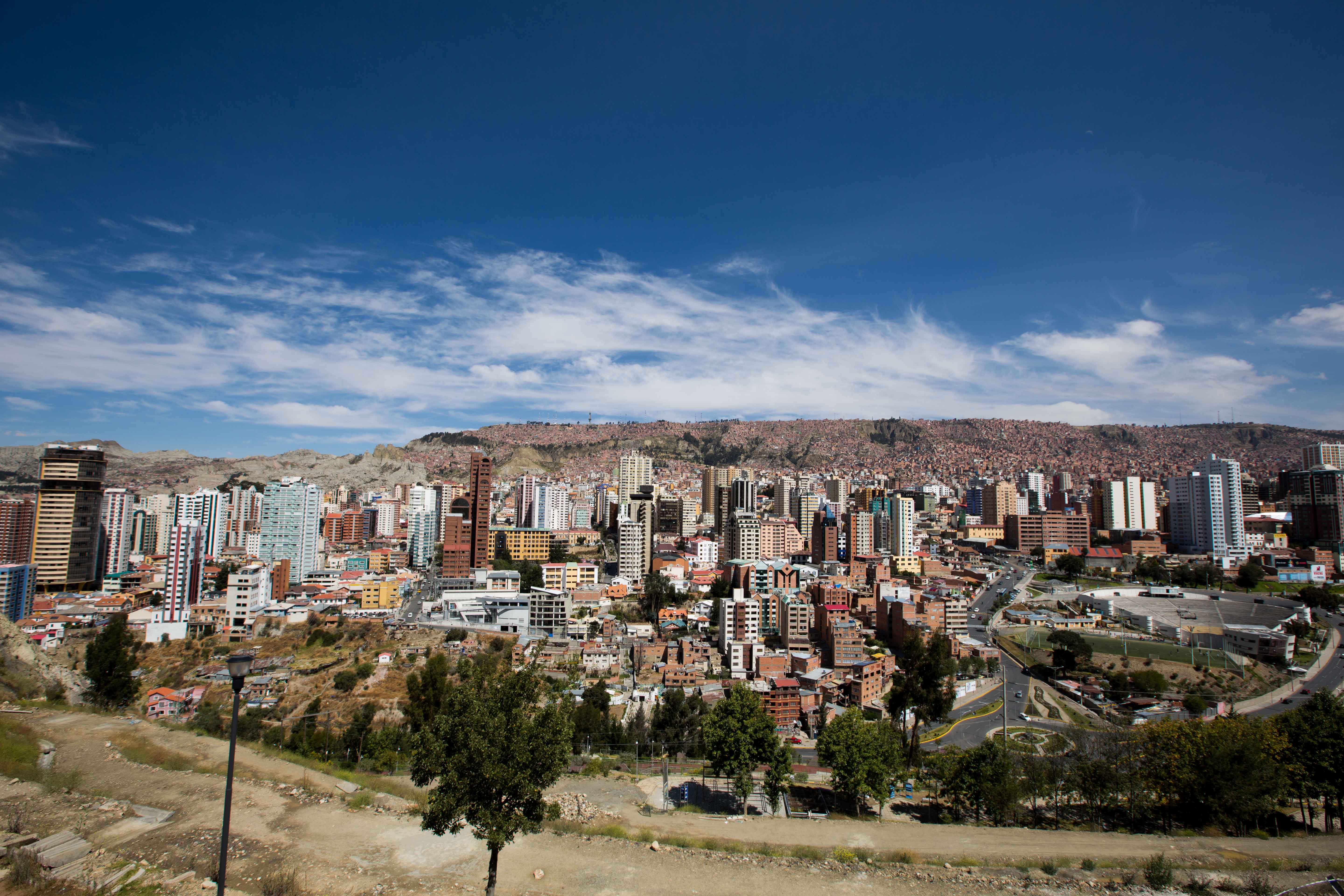
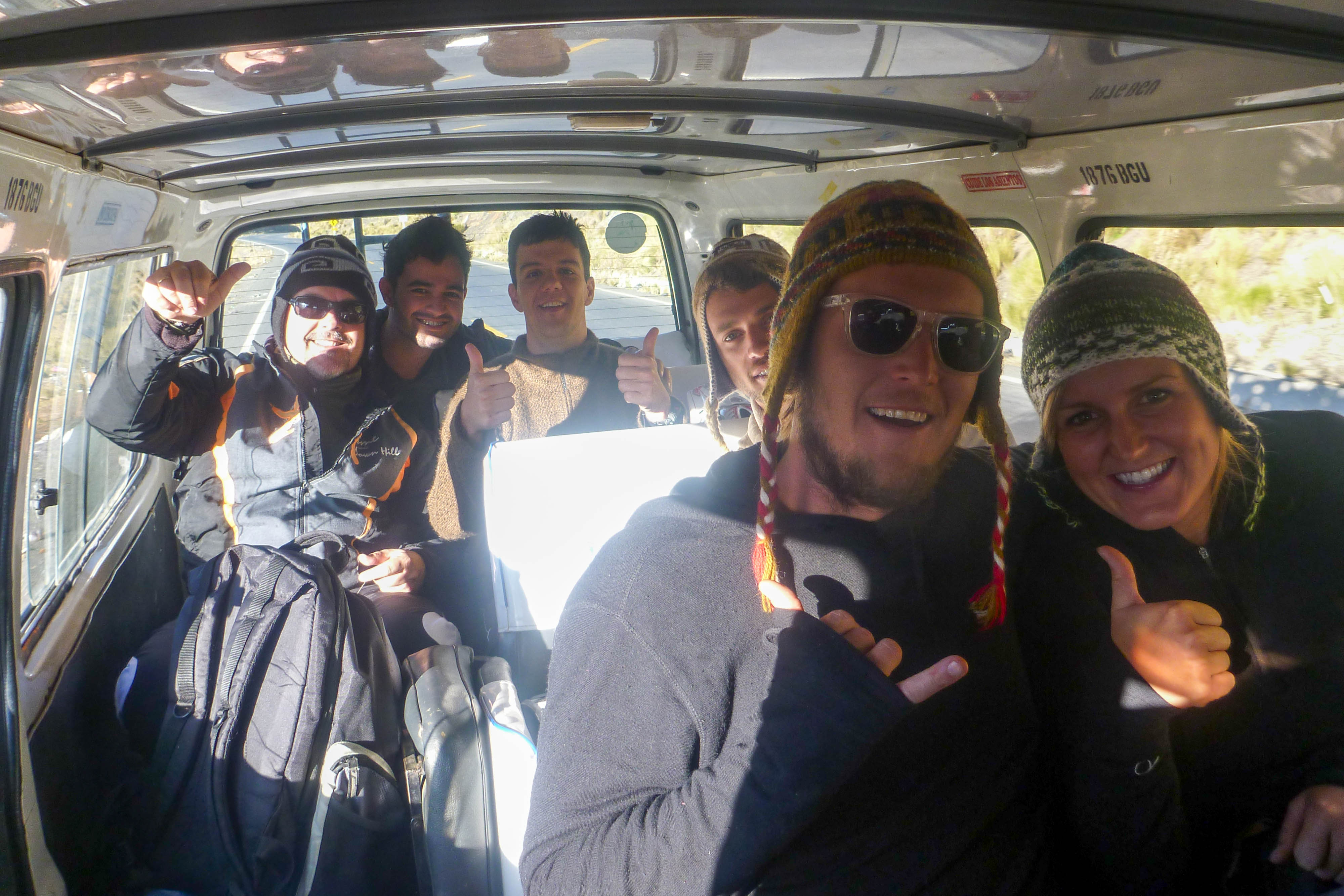
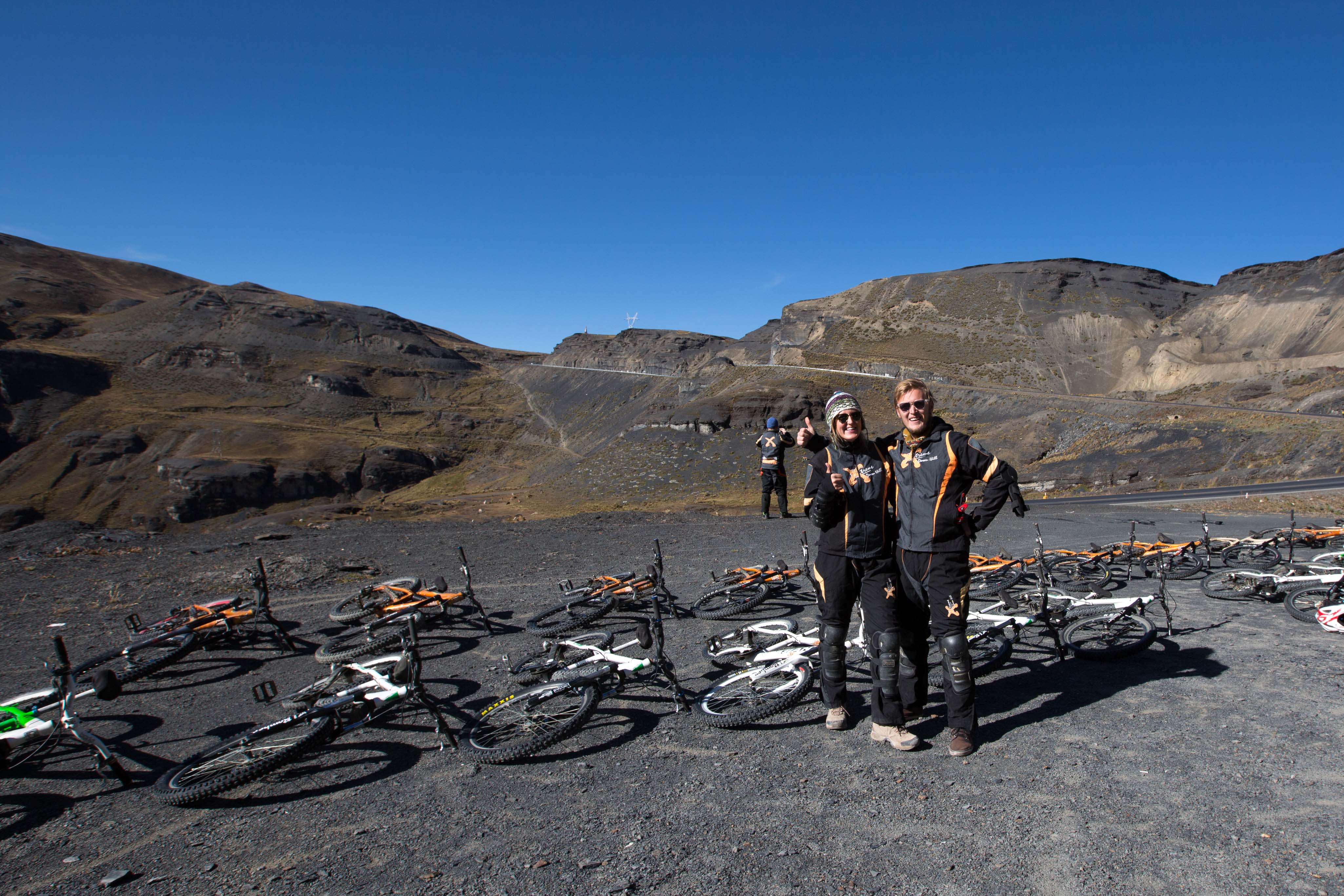
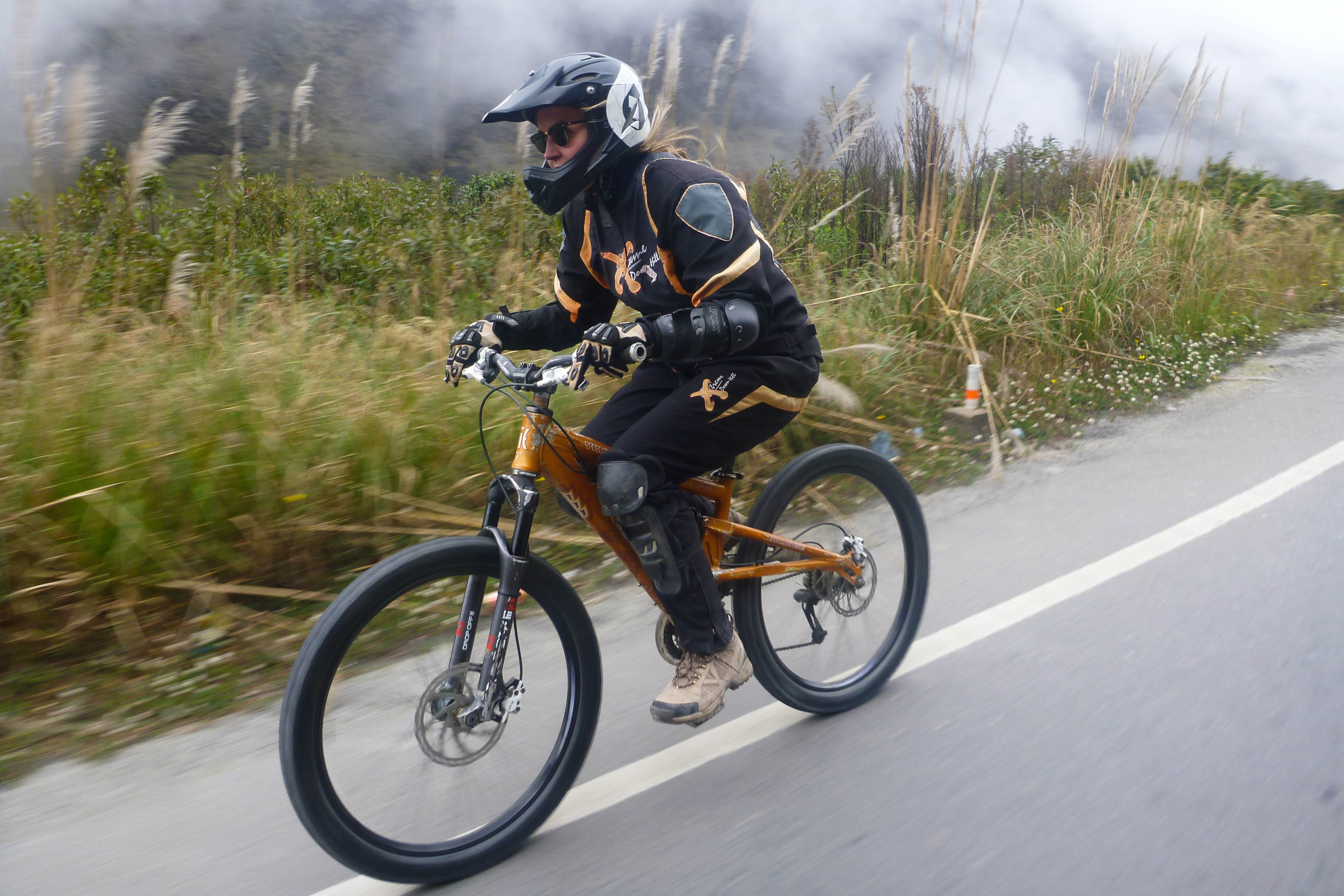
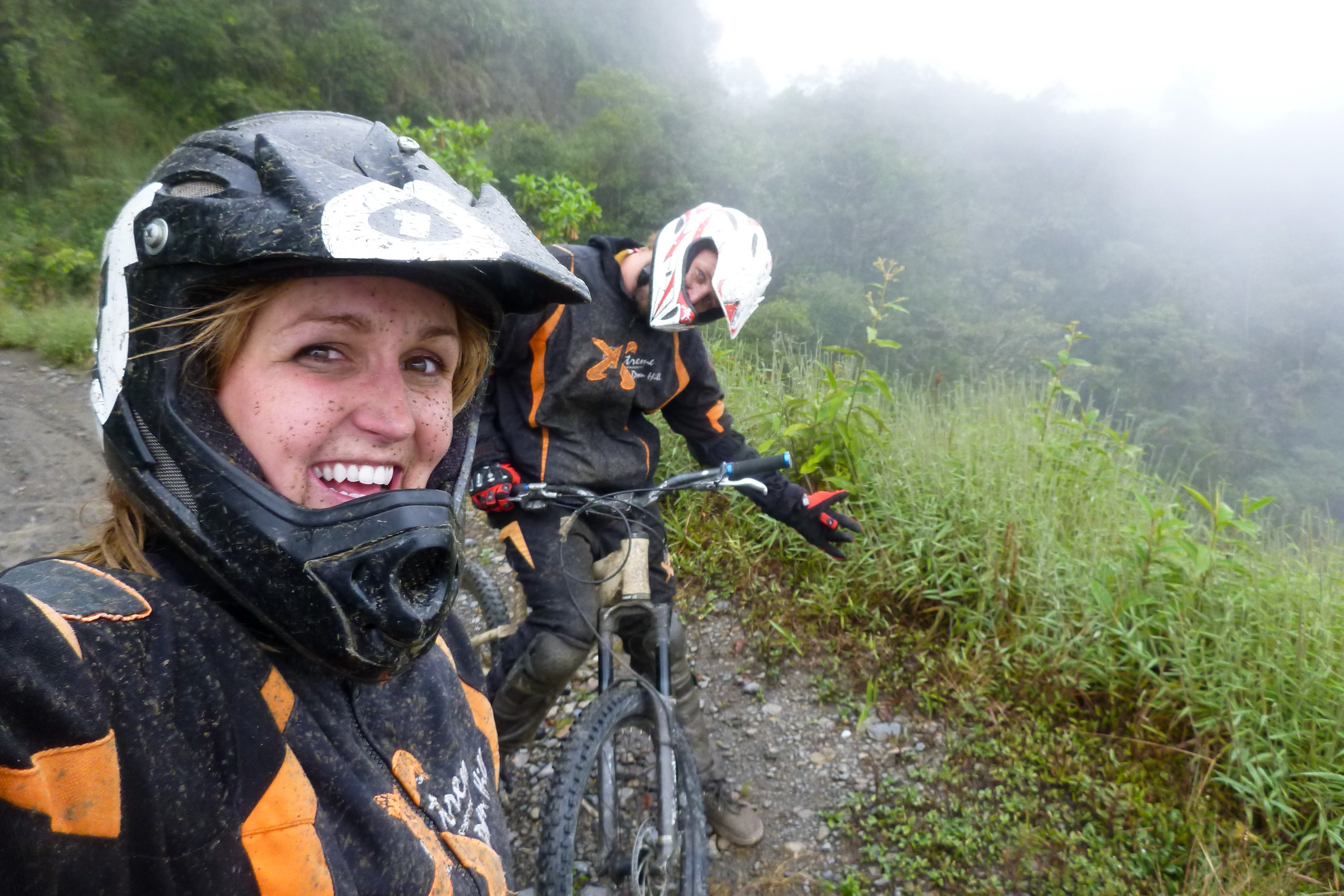
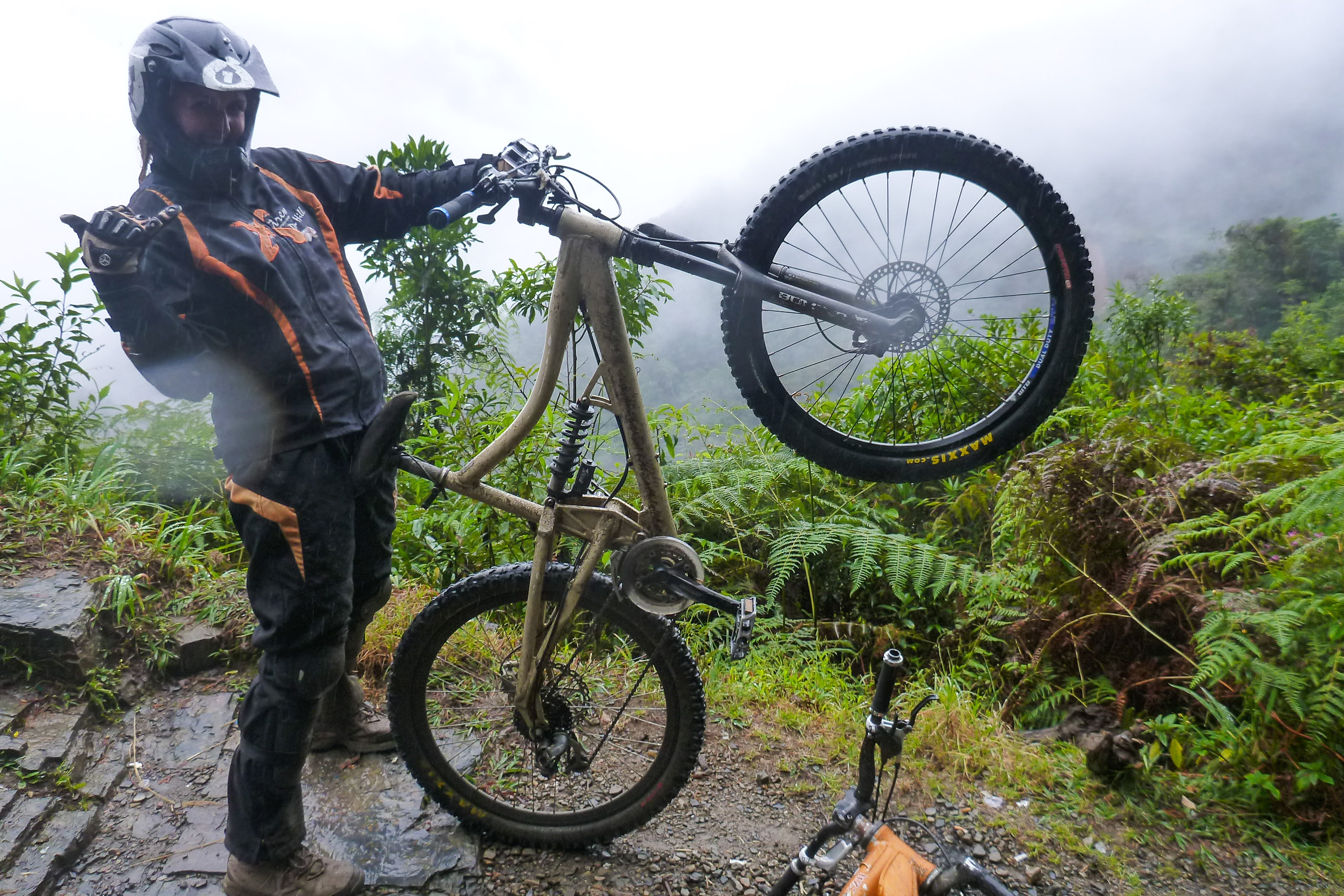
I ‘m not sure that I’ve ever been on a quicker plane ride than the flight from Sucre to La Paz, it seemed we were landing only moments after we had taken off!  A quick mention to the dinosaur phone booths they had at Sucre’s Airport – hilarious!  Together with Niels and Sander we caught a taxi towards the centre of La Paz and as you approach, you can’t help but let out a little “wow”.  Unfortunately I don’t really have a photo that shows the city as a whole (in fact, I don’t have many photos from La Paz at all!) but it is just a really unique city – highest capital city in the world and visually different to any other.  It does however seem to lack a lot of the charm that other capital cities possess and after spending 10 days in the picture perfect Sucre, it was quite the contrast.  Will at the Dinosaur Phone BoothLa Paz_002La Paz_013La Paz_145Unfortunately within our first 24 hours I was battling my second case of food poisoning with Will to follow 24 hours later.  Instead of seeing the sights of La Paz, we saw a lot of the hostel bathroom!  When we finally were up to the challenge we walked around the city, huffing and puffing with every hill which I like to blame on the altitude but is probably more so general unfitness.  This, along with the fact that you are breathing in vehicle fumes rather than air 90% of the time!  In some respects it is hard to paint a pretty picture of La Paz – thousands of red brick buildings cover literally every inch of the city, many looking like the builders reached a point in construction and thought “you know what, that will do”.  That being said, the city centre contains some beautiful old colonial buildings, while downtown skyscrapers tower high in the sky with perfectly manicured gardens surrounding.La Paz_004La Paz_005La Paz_011La Paz_012La Paz_014When we were finally feeling up to it we decided it was time to get adventurous and signed up to bike ride down the infamous Death Road.  Our imaginations were in overdrive after meeting various backpackers along our travels with sprained ankles, broken arms and bruised egos!  Could it be that dangerous?  There was only one way to find out.  Feeling slightly nervous we piled in to a minibus and drove to the beginning of Death Road.  With protective clothing, knee pads, elbow pads, gloves and helmets we were as prepared as we would ever be as we hopped on to our bikes and began travelling downhill.  La Paz_027La Paz_039La Paz_060La Paz_044The first part of the Death Road is now bitumen which is perfect to familiarise yourself with the bike (in particular using your brakes, which are the opposite sides to our bikes at home)!  We flew down the hill, trying to pick up as much speed as possible while looking at the dramatic landscape surrounding us.  This section helped to boost confidence in your riding abilities as the road was very smooth and wide (plus it had railings that could potentially stop you going over the edge).
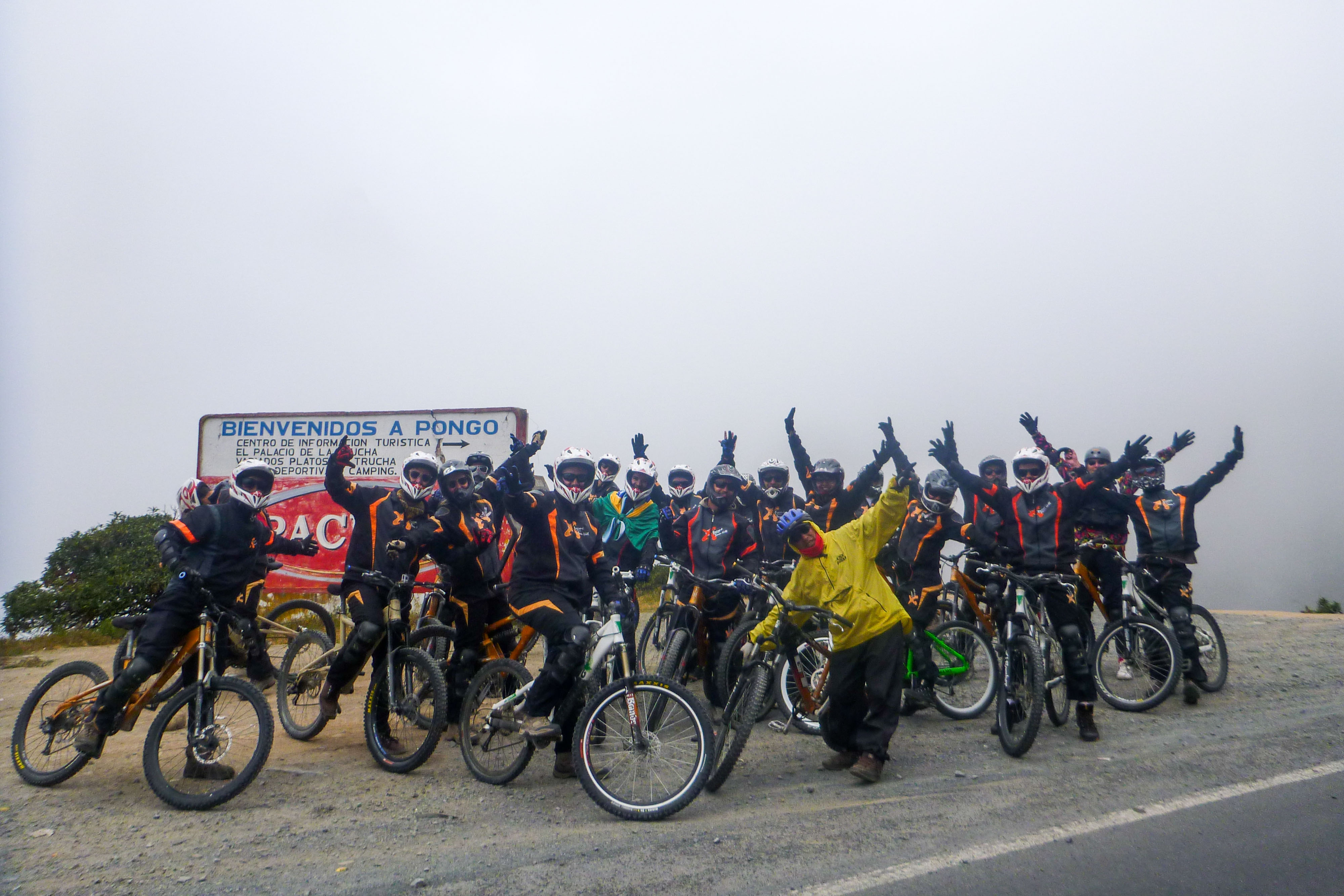
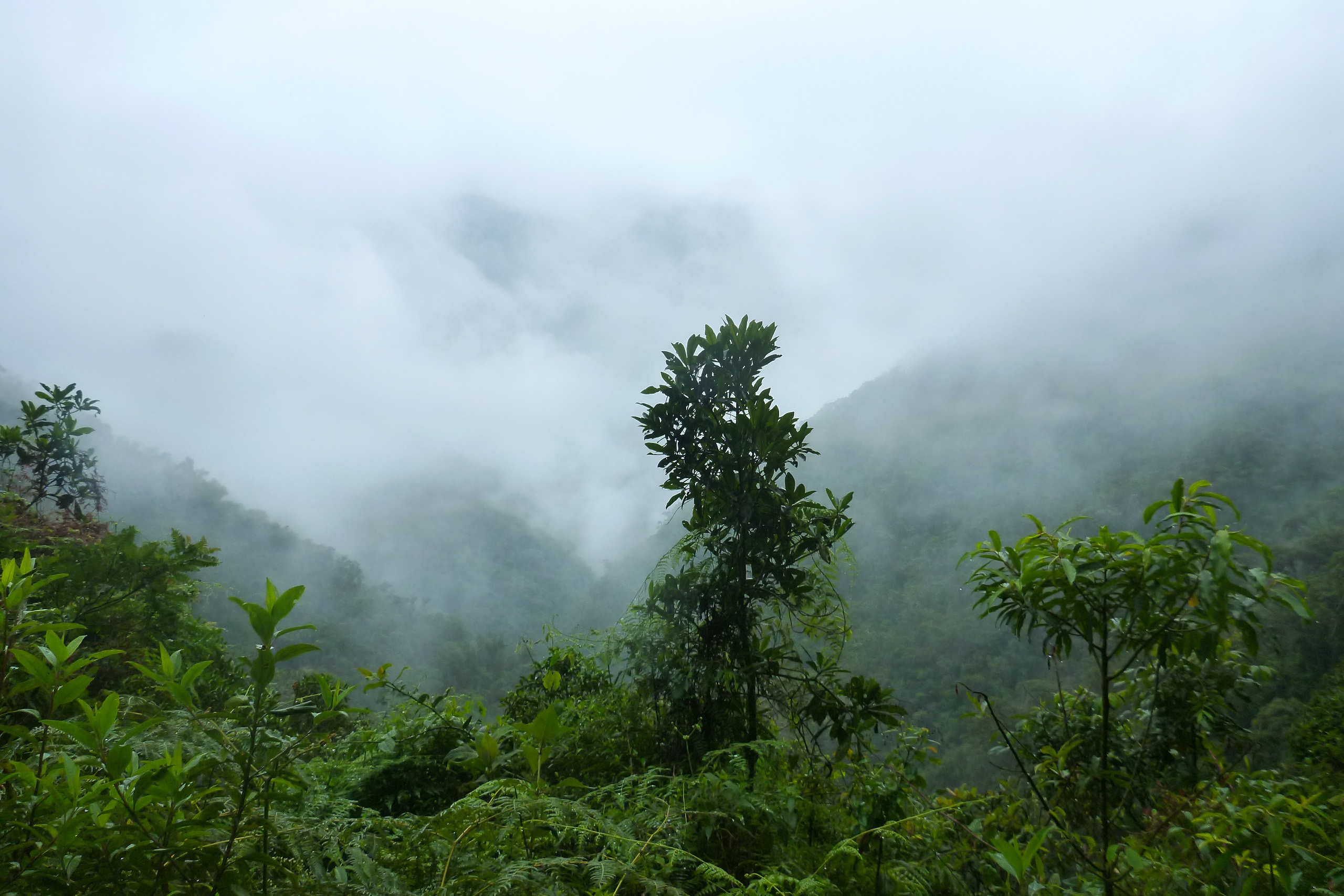
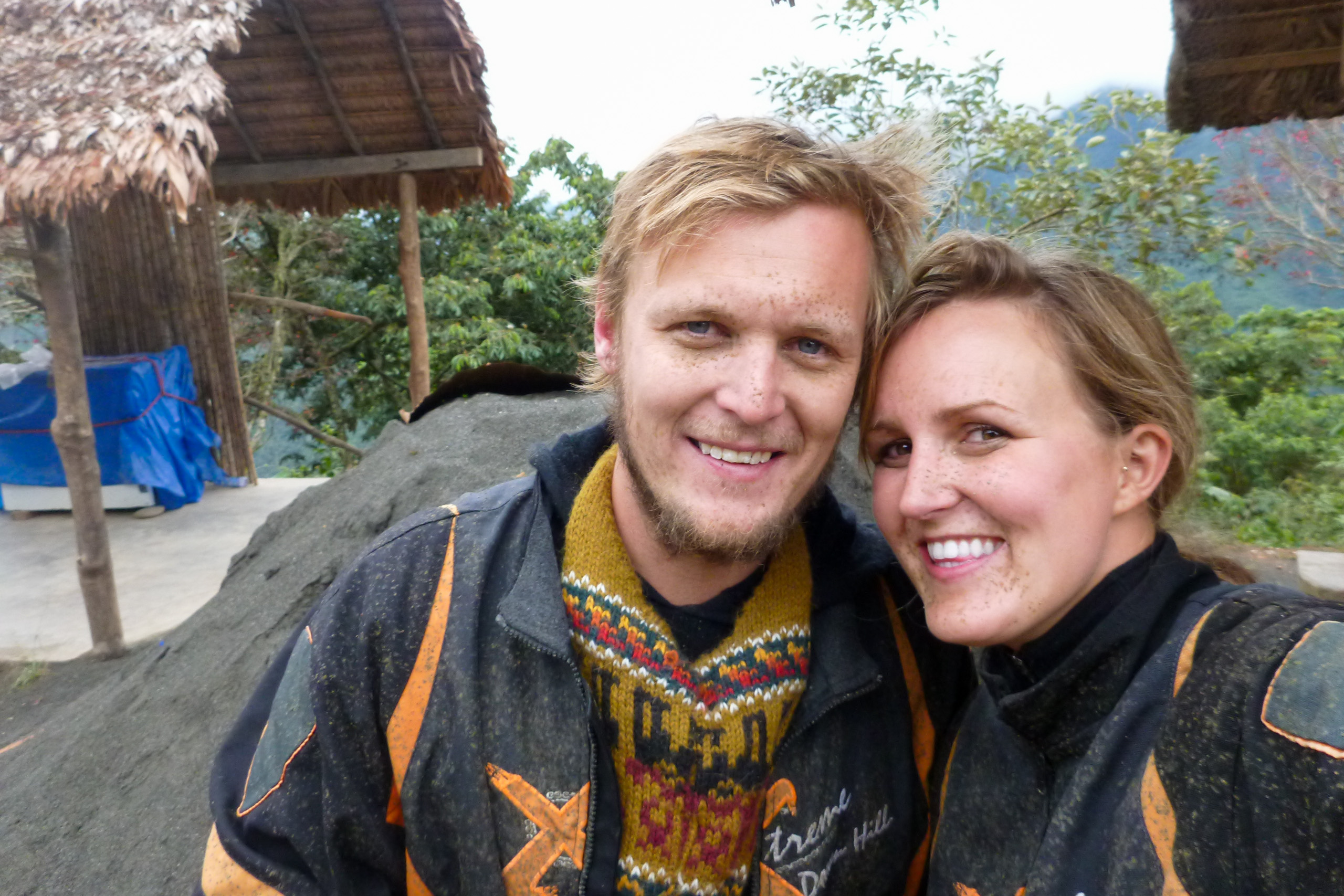
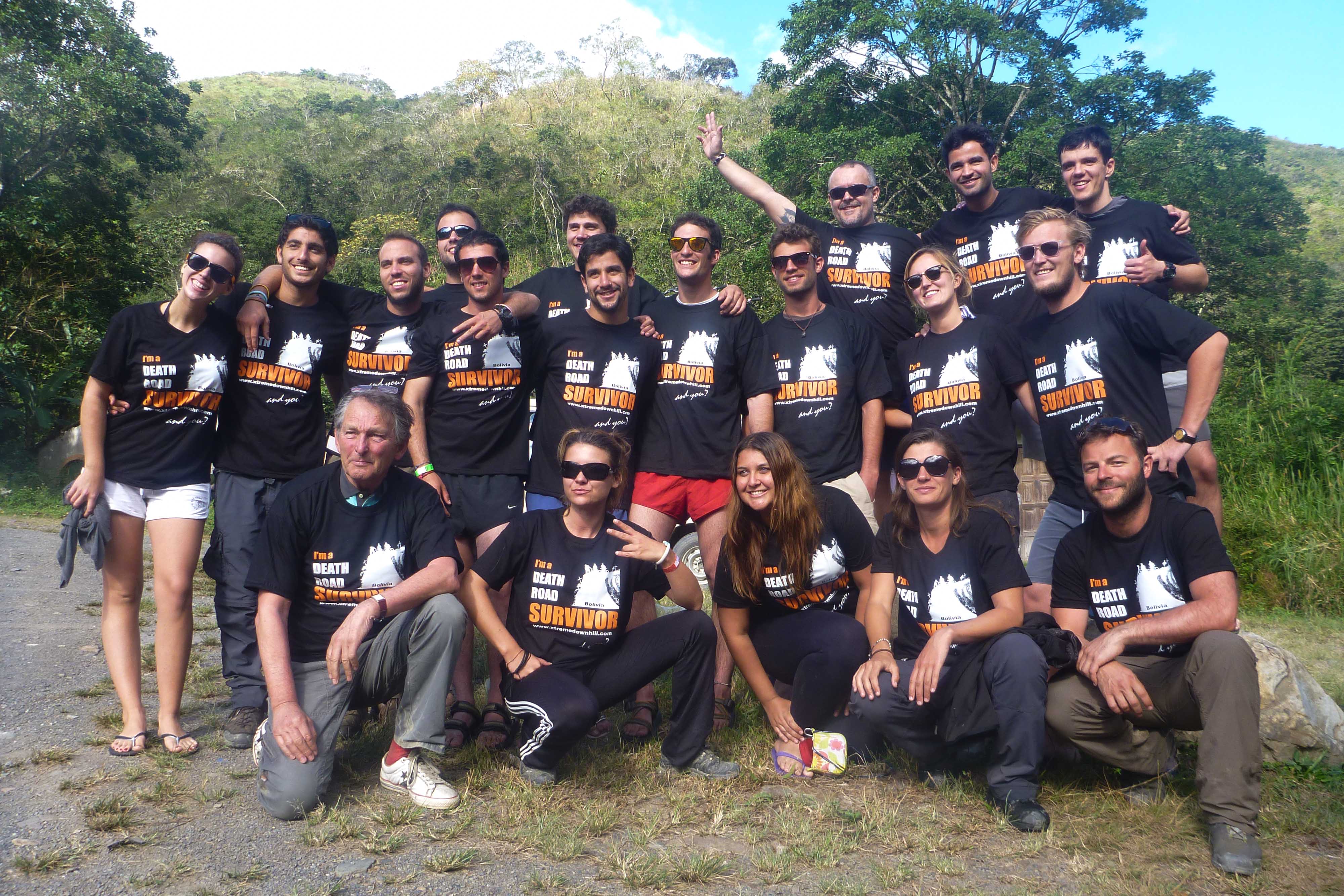
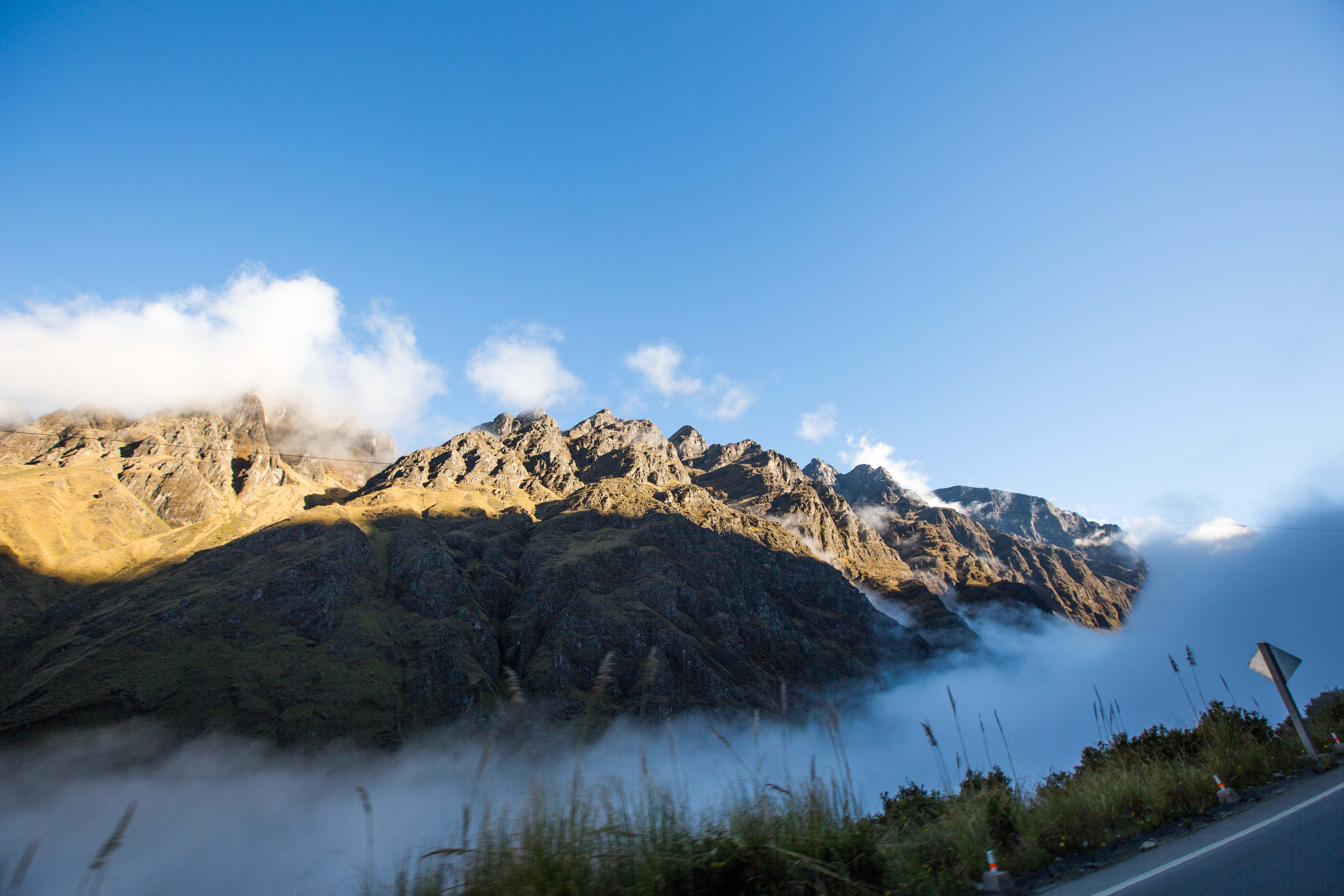
La Paz_055La Paz_064La Paz_078Our first section of rocky road and that confidence was lost as we bumped and slid across the rocks (or in the case of one Brazilian girl, totally ate s#!t)!  We then had a quick ride in the van again to avoid a boring uphill section before arriving at the REAL Death Road.  A quick briefing and we were free to begin descending – from 4700 m above sea level, in a matter of hours we would ride to just 1700 m above sea level.  The cloud was incredibly thick and in some ways perhaps this made it slightly less daunting as we couldn’t see the staggering drops off the cliff.  Not to mention that rather than hugging the mountain side of the road you are advised to stick to the left (closest to the edge) as any vehicles coming up will be on the inside!  We commenced slowly but realised you have to be pretty special to fall off your bike and opted for flying down as fast as we could go!La Paz_075La Paz_087La Paz_090At it’s thinnest, the road is literally JUST a car width across.  There is now a new road built so the original road is used predominantly for bike riders/tourism but just imagining what it was like when cars, trucks and buses used it is scary enough, let alone the fact that a number of vehicles did actually go over the side!  For the most part, it was completely exhilarating rather than scary and in sections where it opened up wider you could really get your speed up.  Occasionally the cloud would break and we peered over the edge realising that there really wasn’t much between you and a 1000m drop.  We also had to stop ourselves occasionally just to take in the view – so much of the time you are fixated on the uneven road in front of you that you forget just how beautiful your surroundings are.  In contrast to the never ending brick buildings and dry, polluted air of La Paz, the Death Road takes you through green jungle and large valleys, with waterfalls trickling beside you.  After having been quite unwell in La Paz, it really was the perfect antidote.La Paz_096La Paz_088La Paz_108La Paz_101With the final stretch complete we arrived in a small town where we stopped for a well earned beer.  We had officially survived Death Road (and had the t-shirt to prove it) and with lunch and a quick swim it was time to return to La Paz.  We piled back in to our minibus and began our journey back up the new alternative road which was a relief as we had been warned that due to roadworks we may have to go up the original road and were not necessarily thrilled with that idea.  Nevertheless, it didn’t make much of a difference as driving up the new road our whole van of Death Road survivors sat on the edge of our seats as our driver sped through clouds of fog, overtaking trucks at any given opportunity with no visibility of what was in front of him.  We may have survived Death Road but we were seriously lucky to have survived that car ride and it was without a doubt the scariest part of the day!
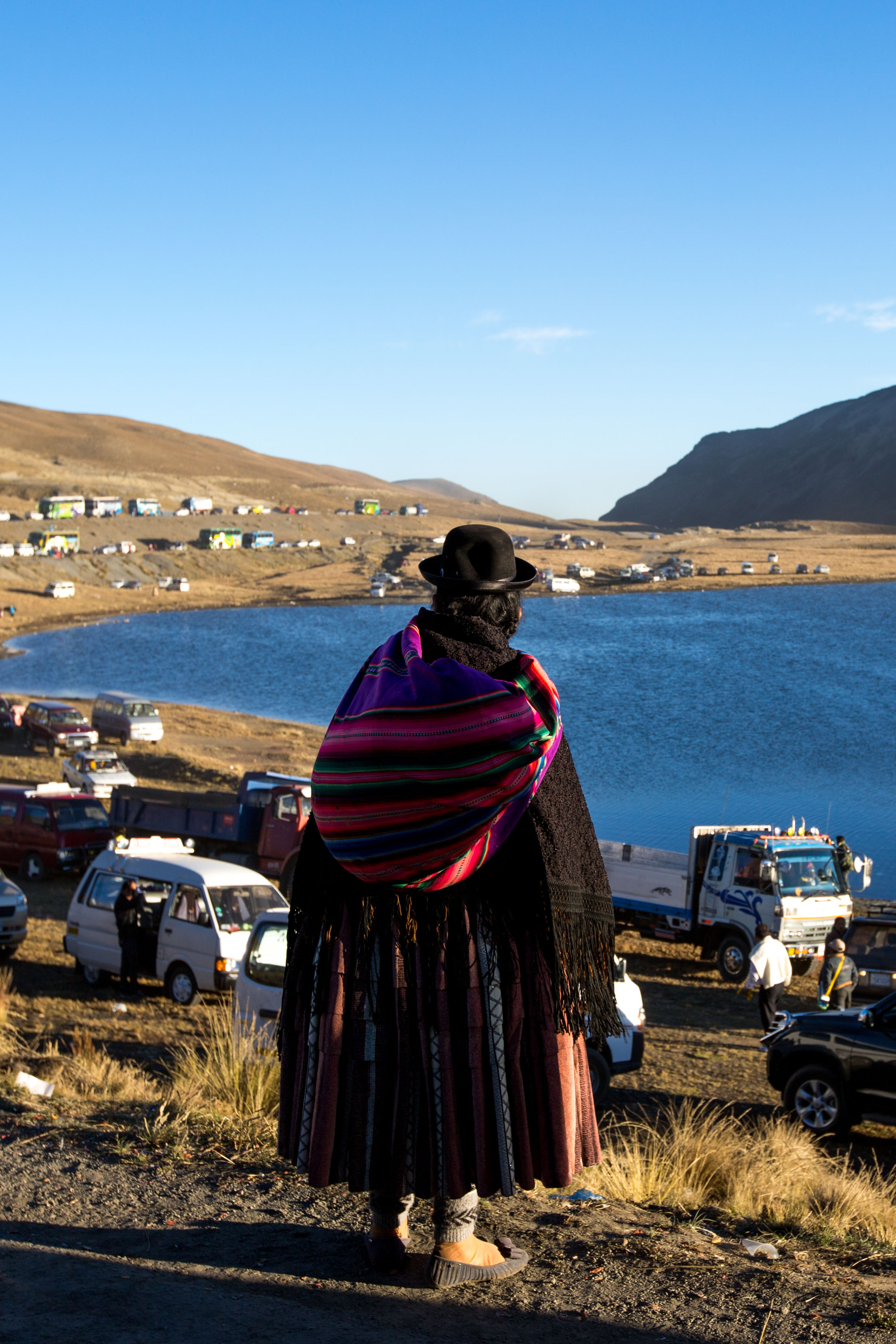
La Paz_111La Paz_124La Paz_126La Paz_129With one day remaining in La Paz we decided to hit the markets.  The streets are absolutely filled with Bolivian women dressed in their traditional outfits, bowler hats and long braids, selling everything from alpaca magnets to gigantic handmade rugs – and so ridiculously cheap!  We couldn’t help ourselves and stocked up on our share of alpaca wool goods (with a 100% baby alpaca jumper costing a small $14) as well as beautiful large rugs, resulting in a whopping 21kg of items being sent home from La Paz.  Love it or hate it, La Paz is quite the experience and in some ways I feel like perhaps we only scratched the surface.  It is a city I find hard to describe as in many cases it seems neither one way or the other but rather a city left open for interpretation and you either get it or you don’t.
La Paz_137

SALAR DE UYUNI

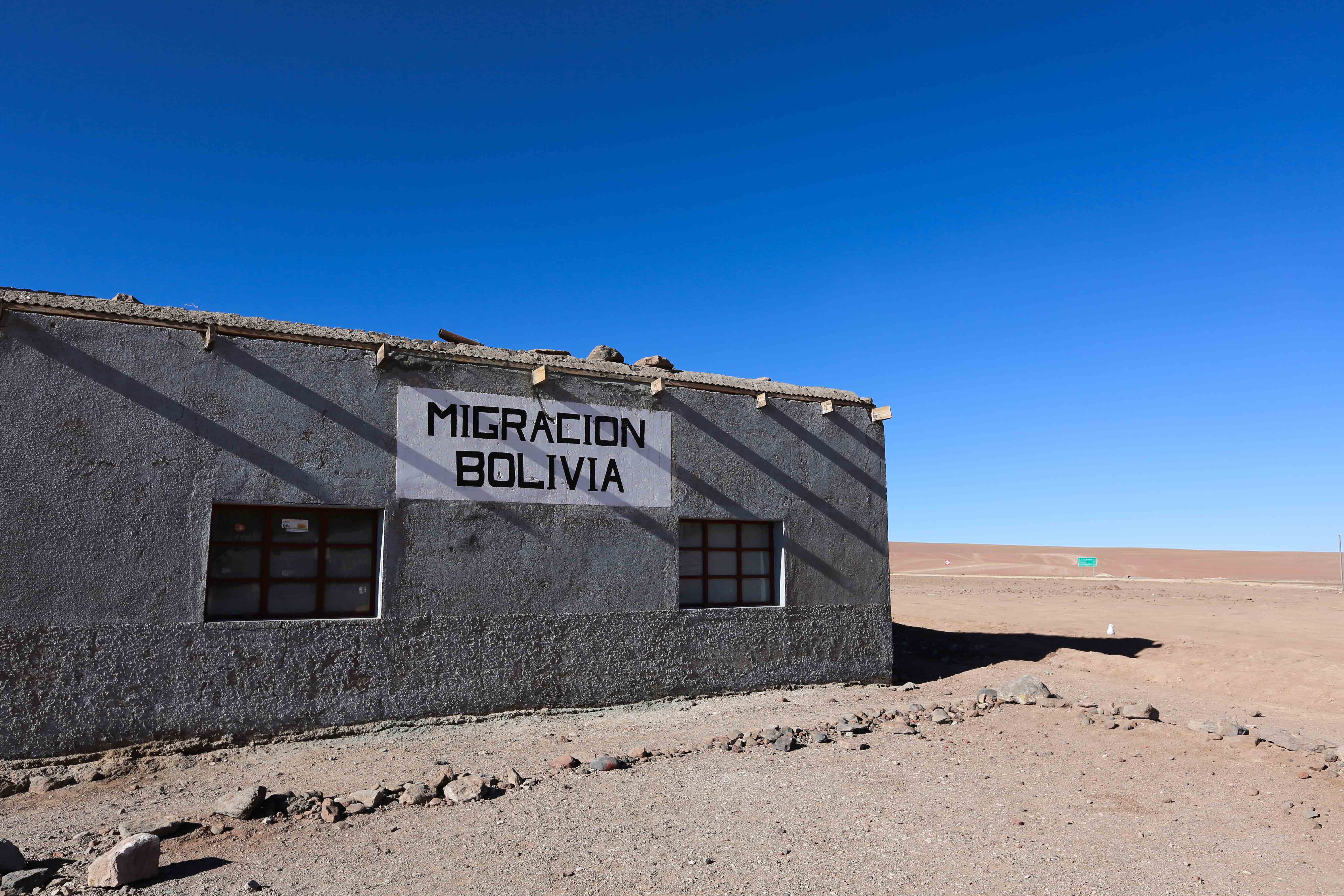
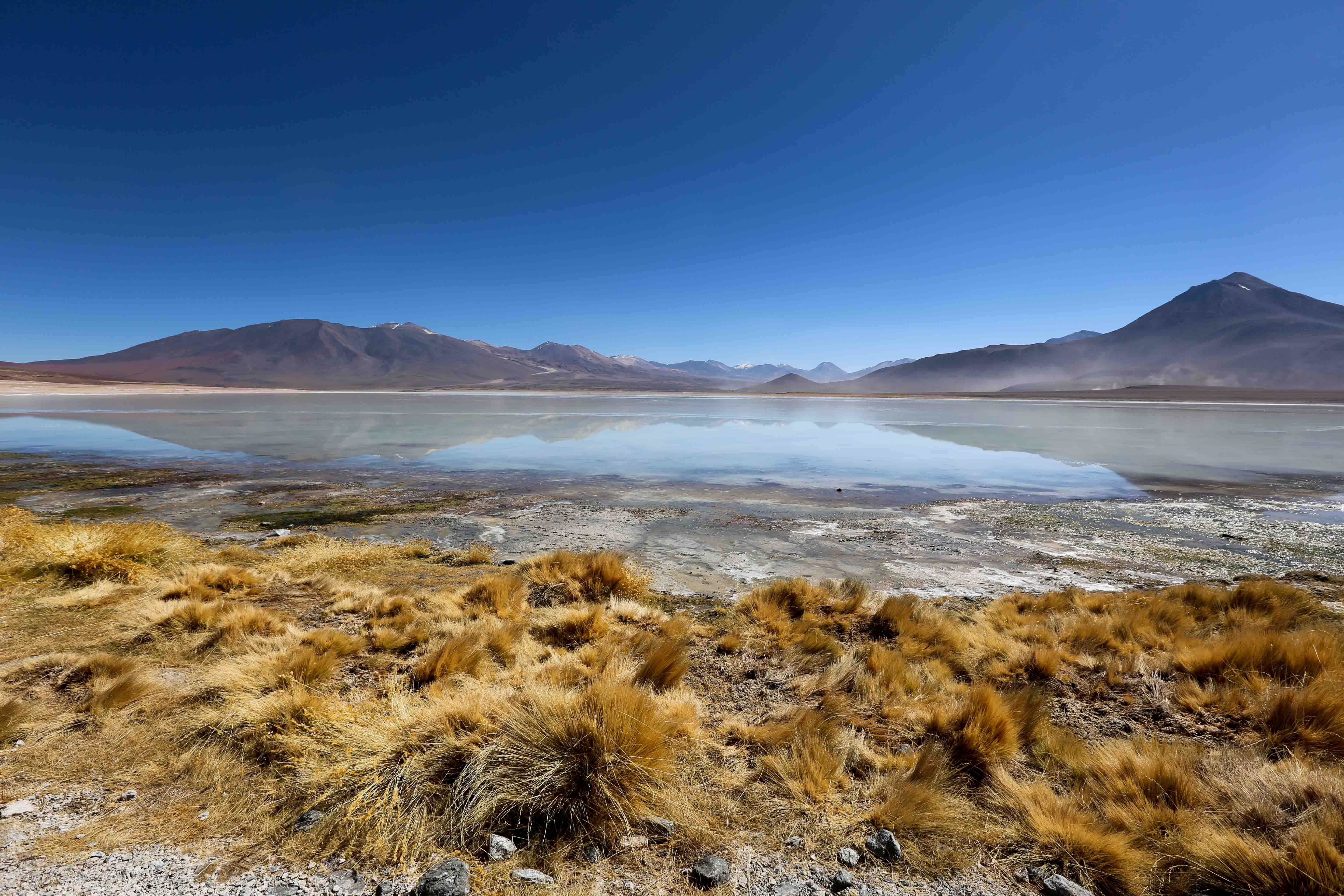
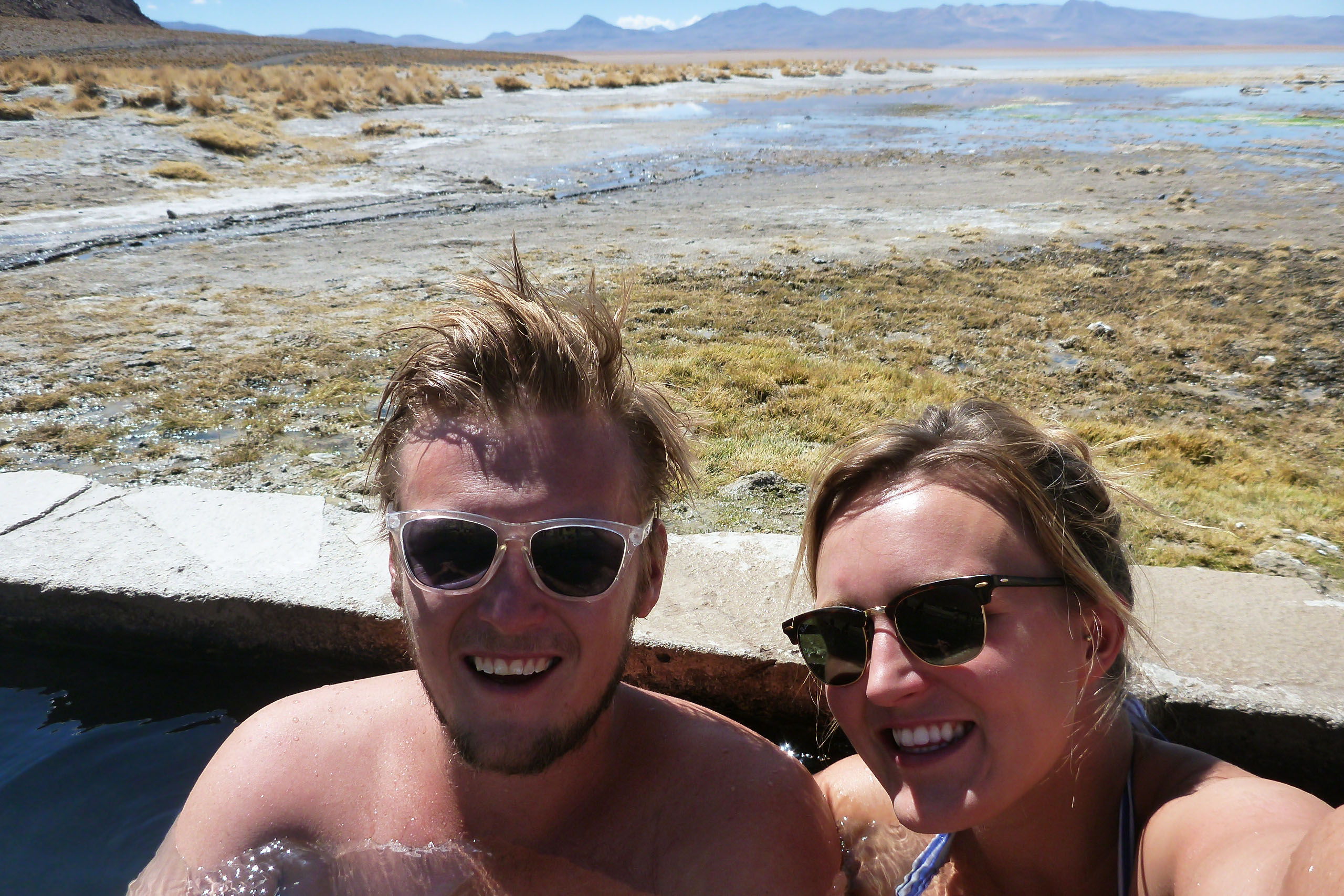
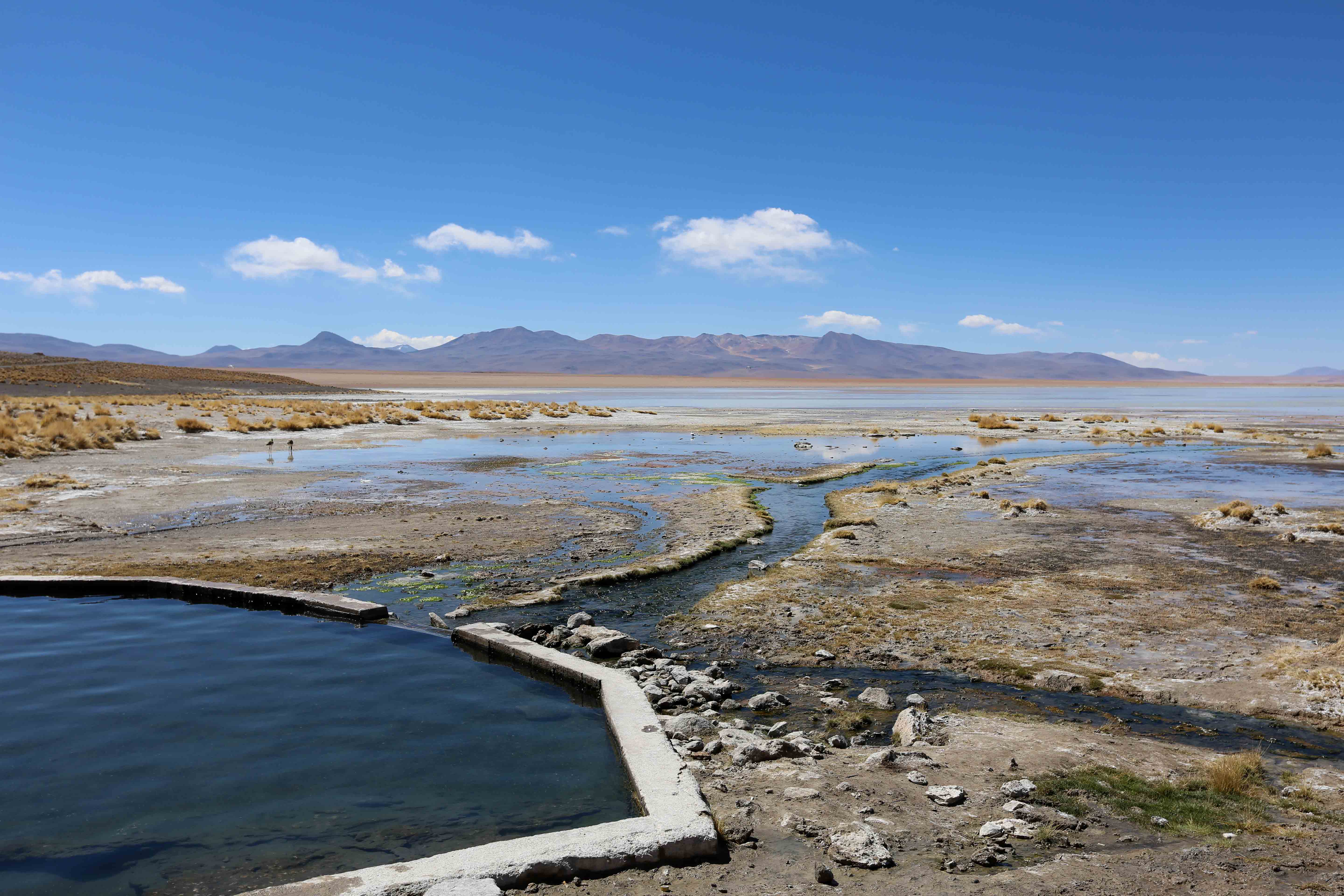
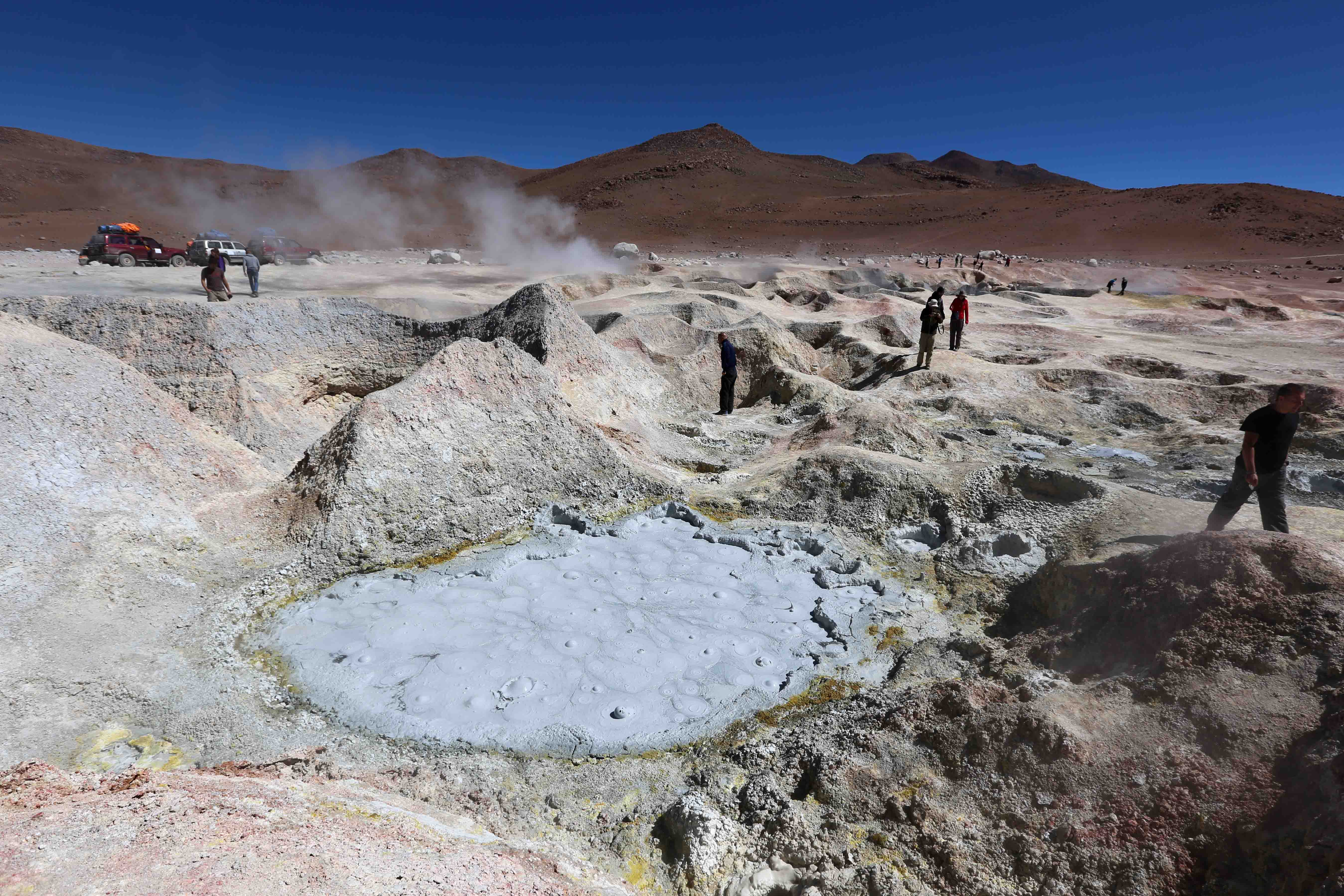
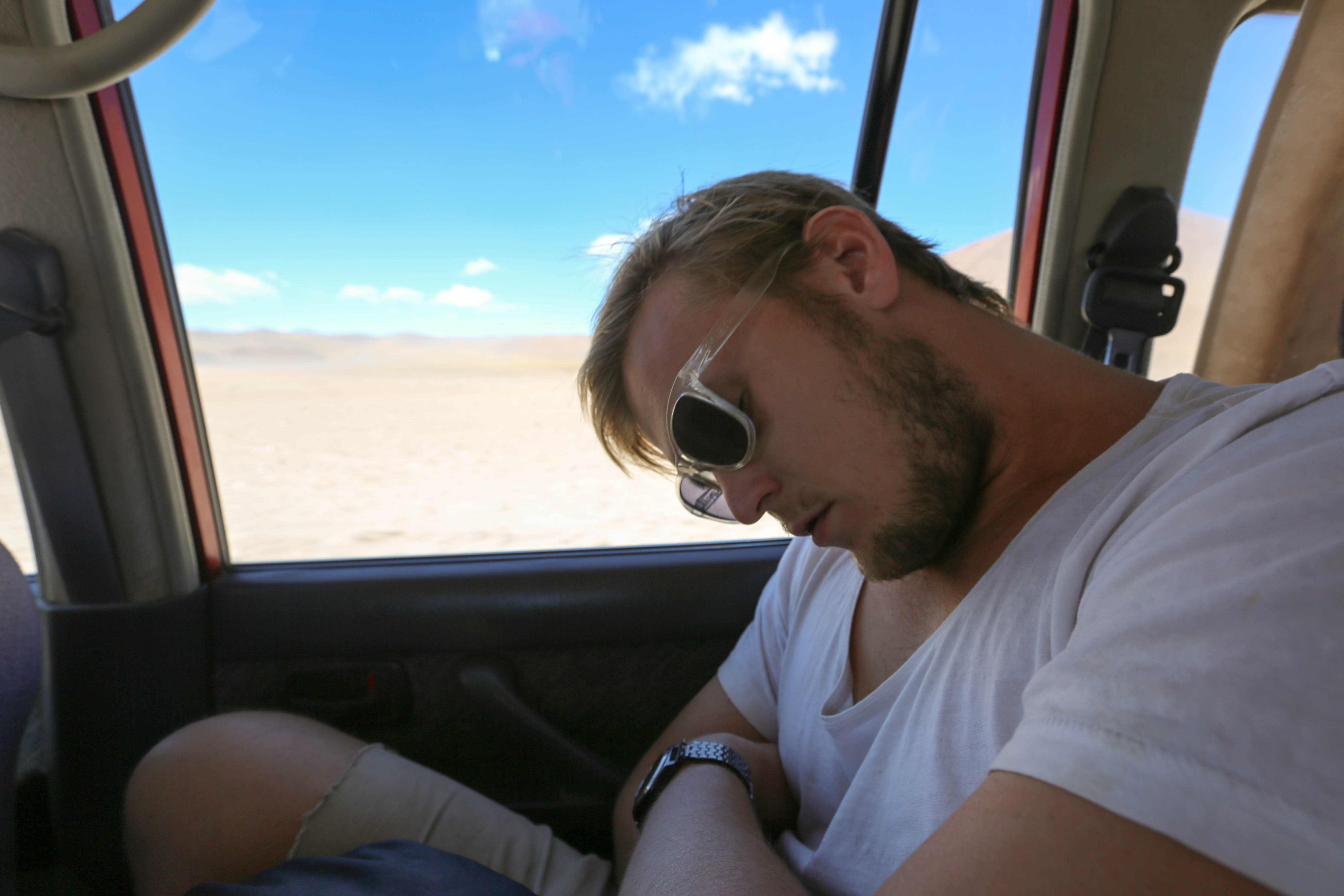
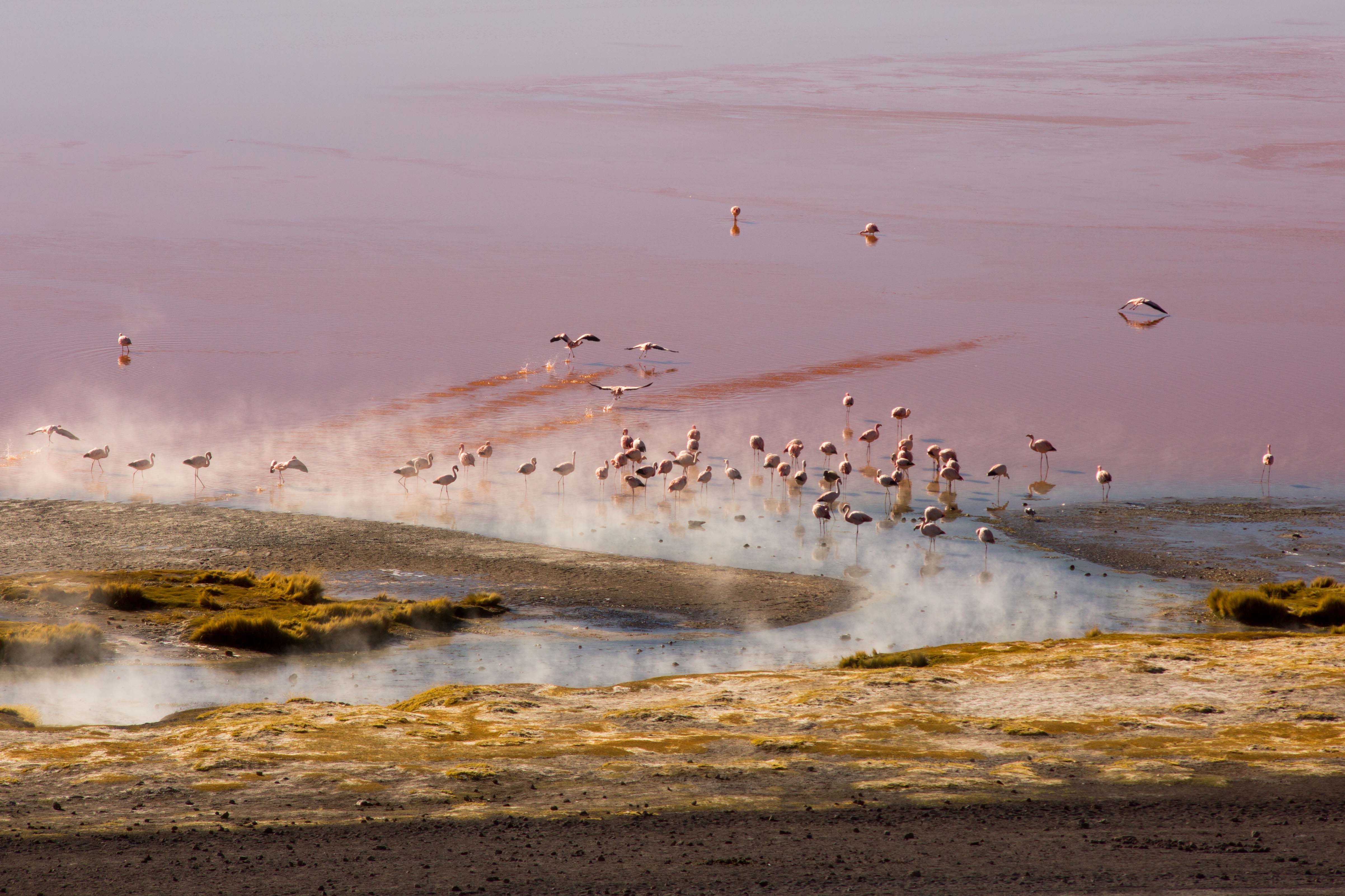
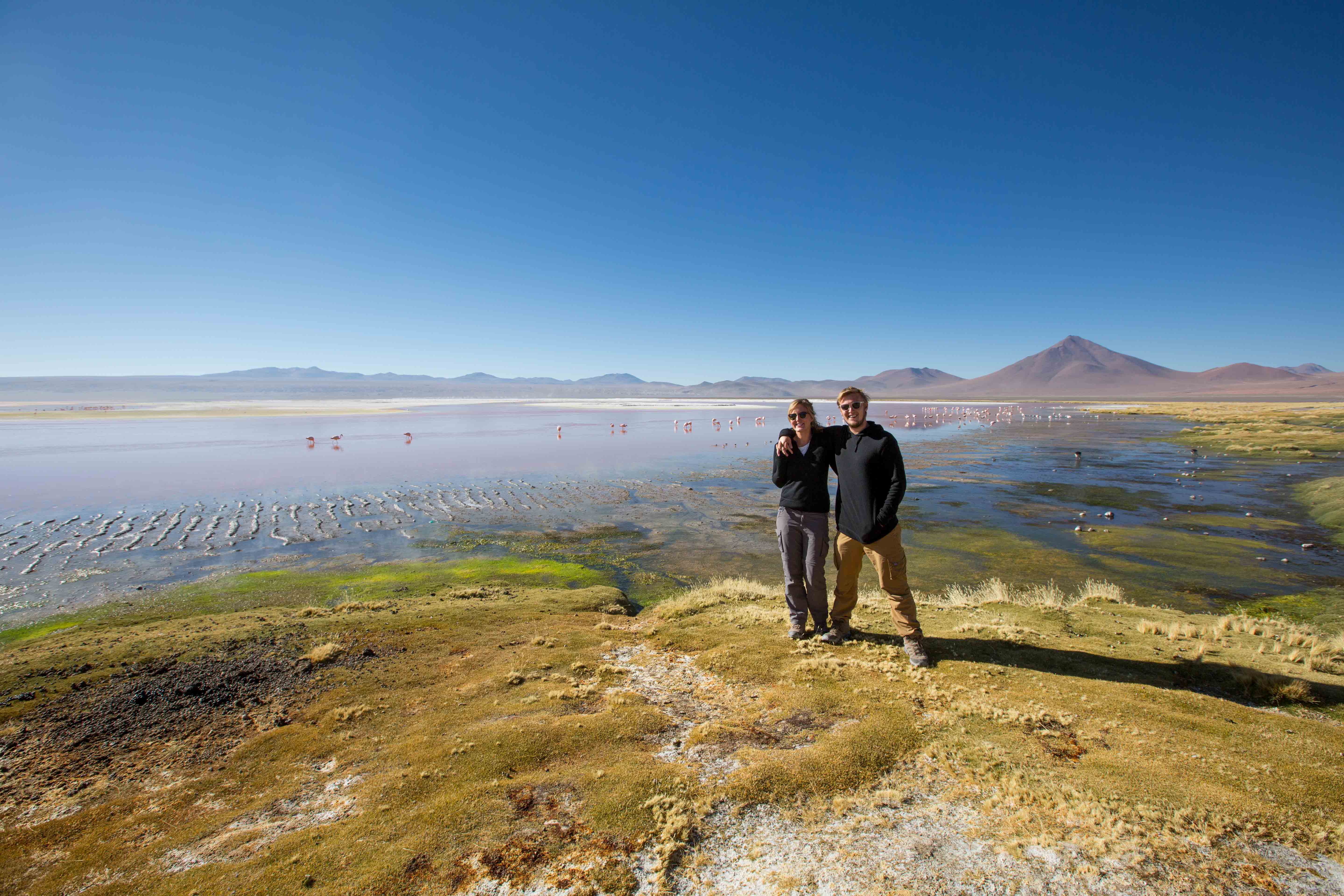
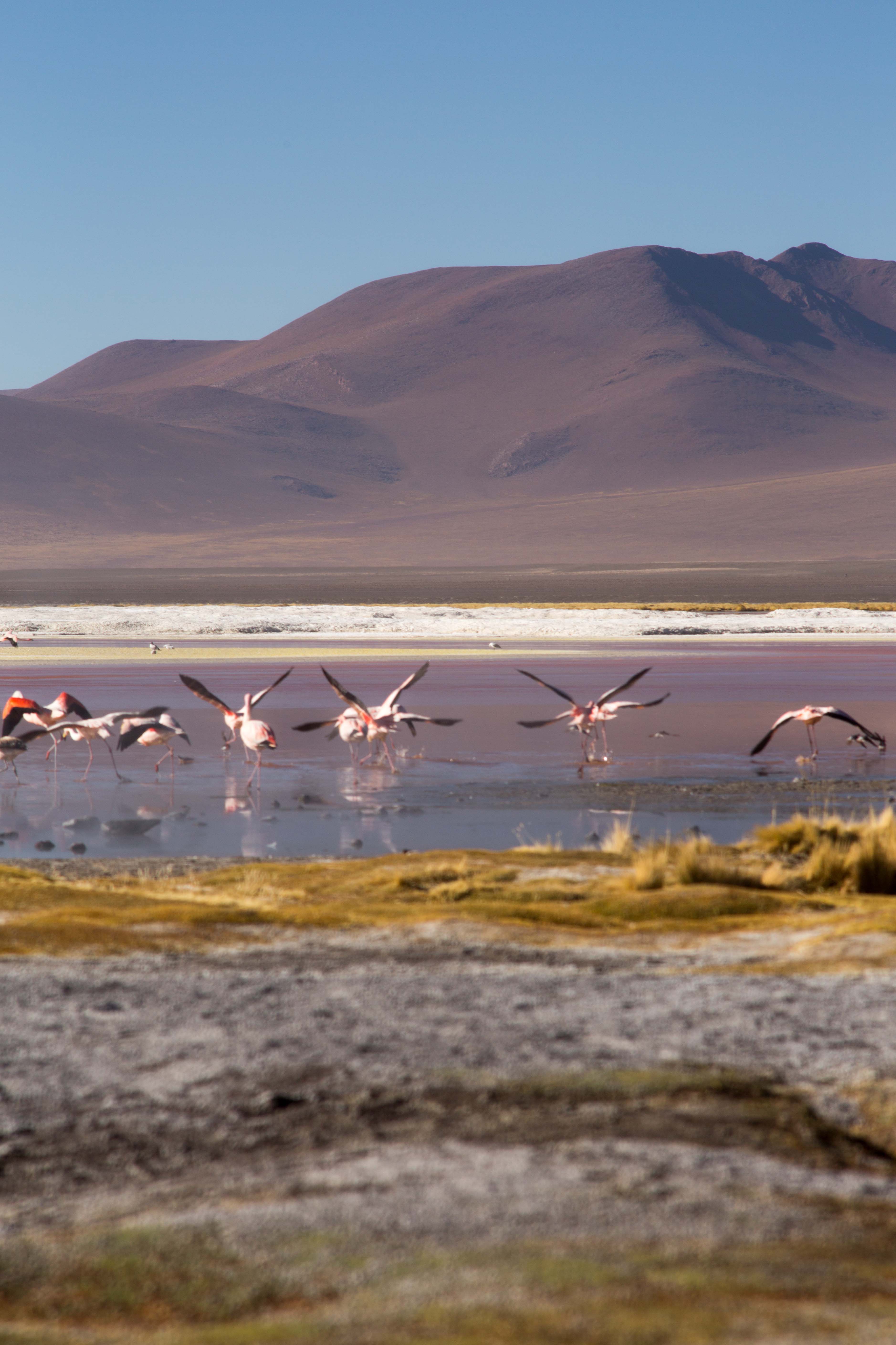
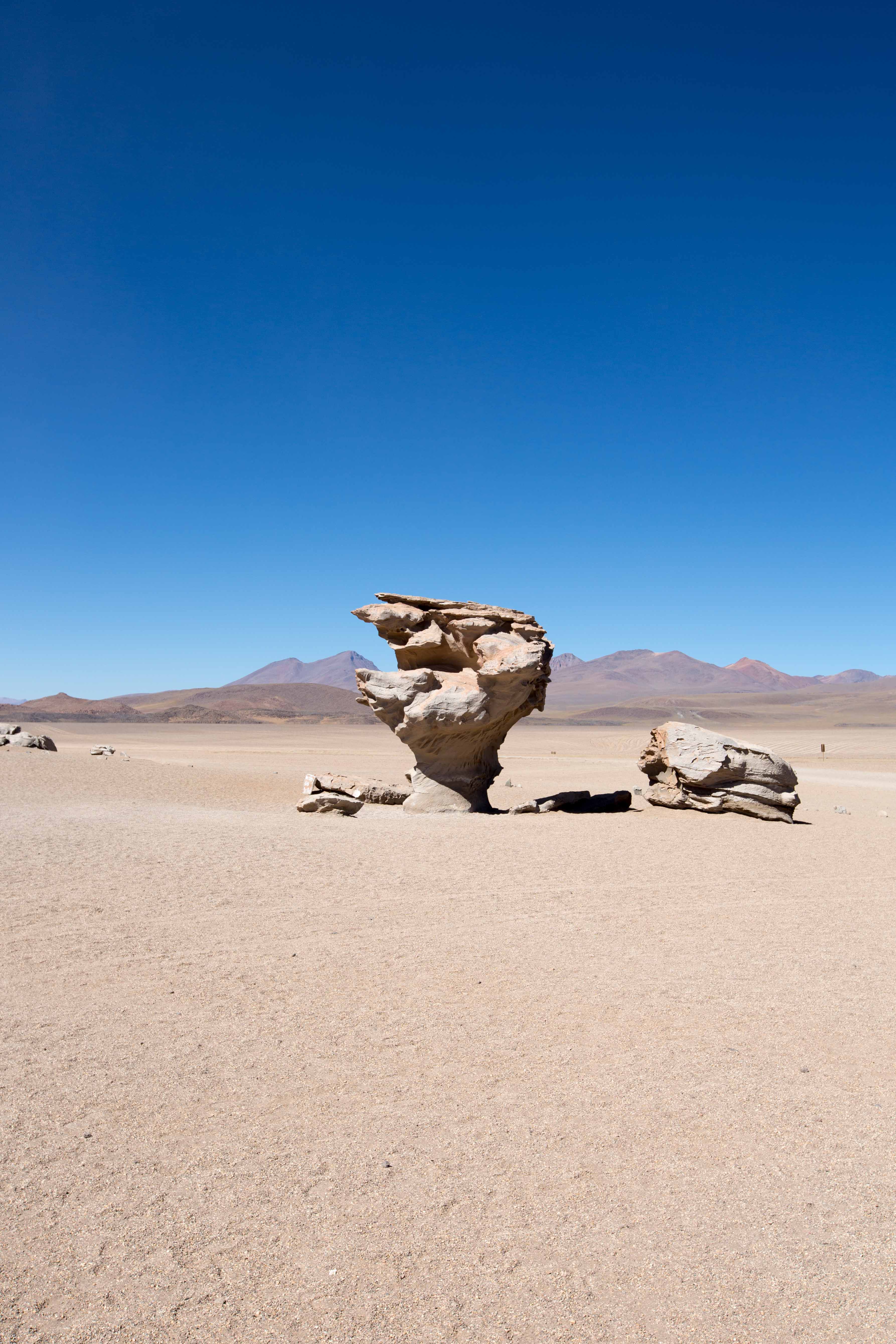
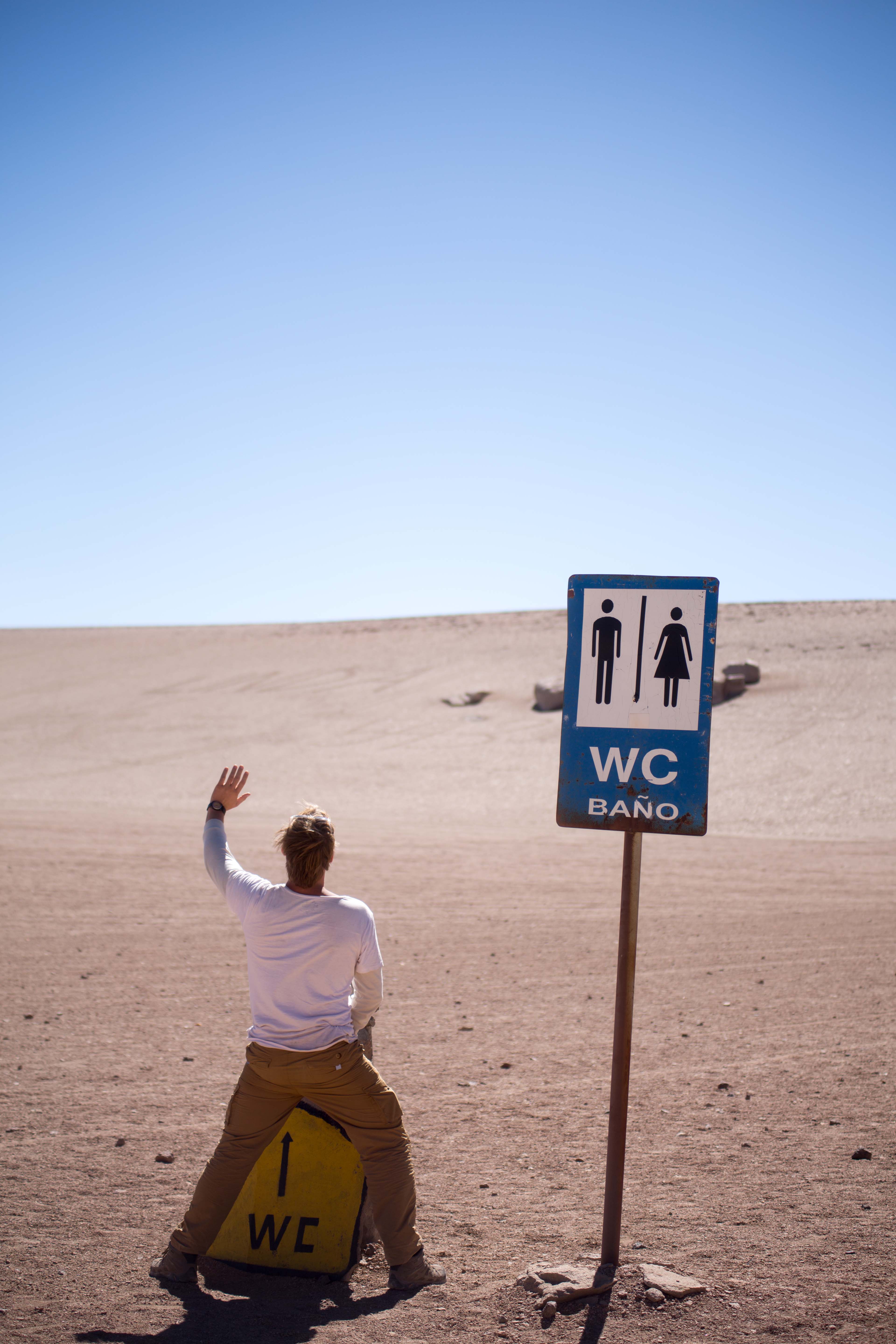
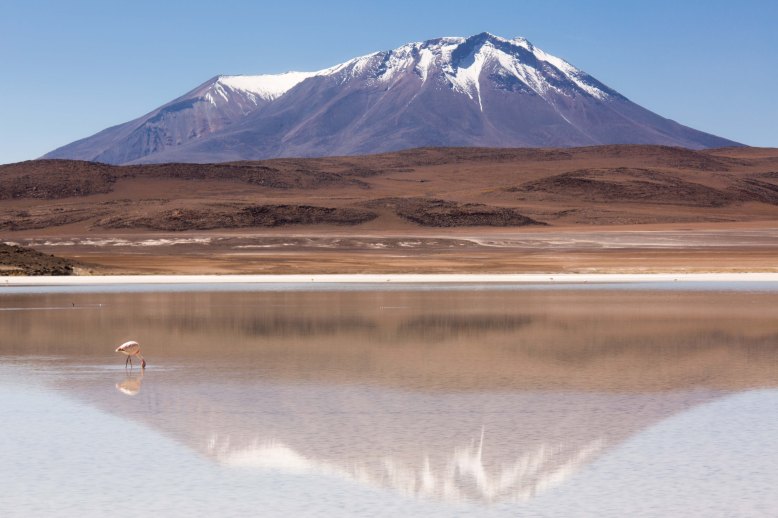
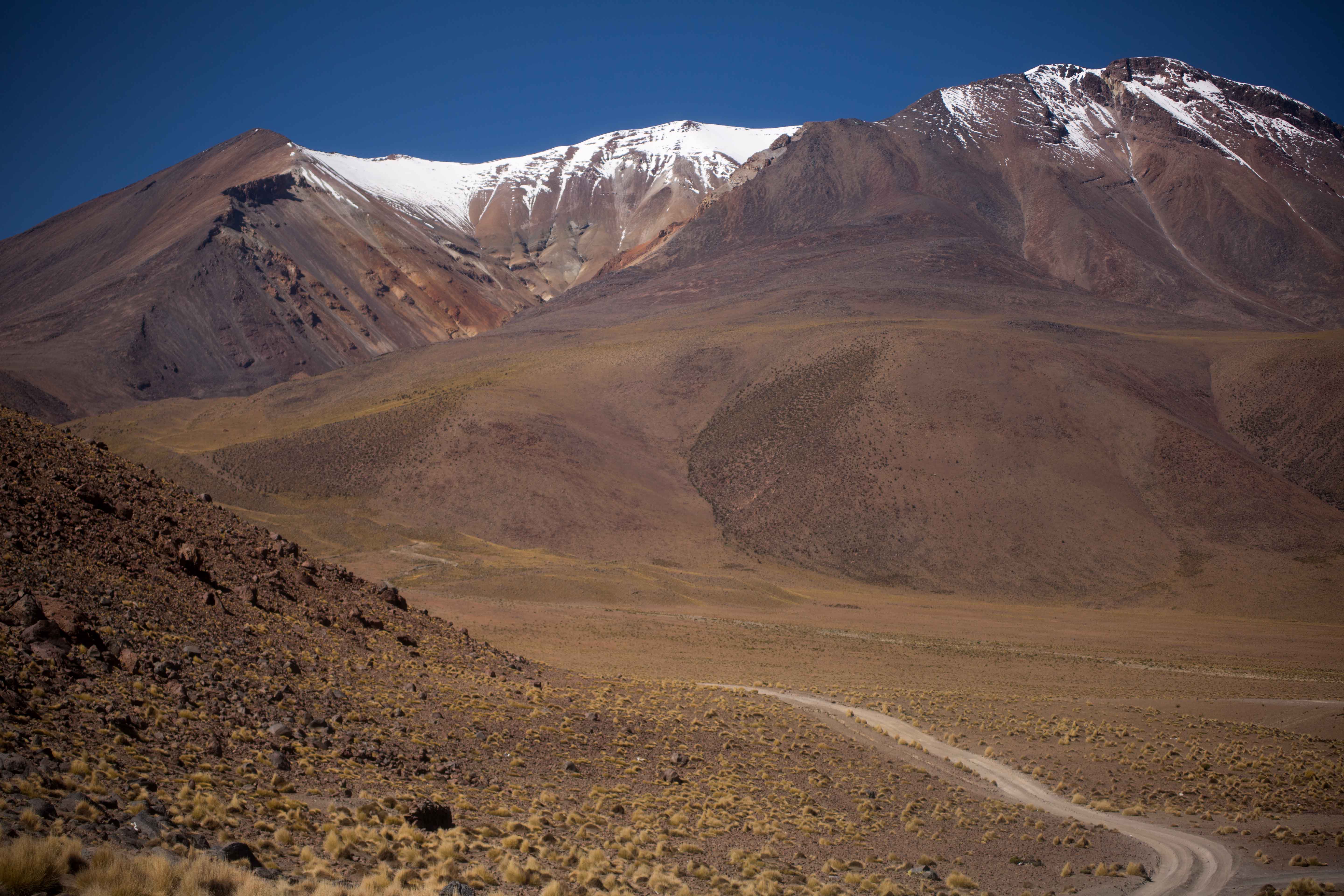
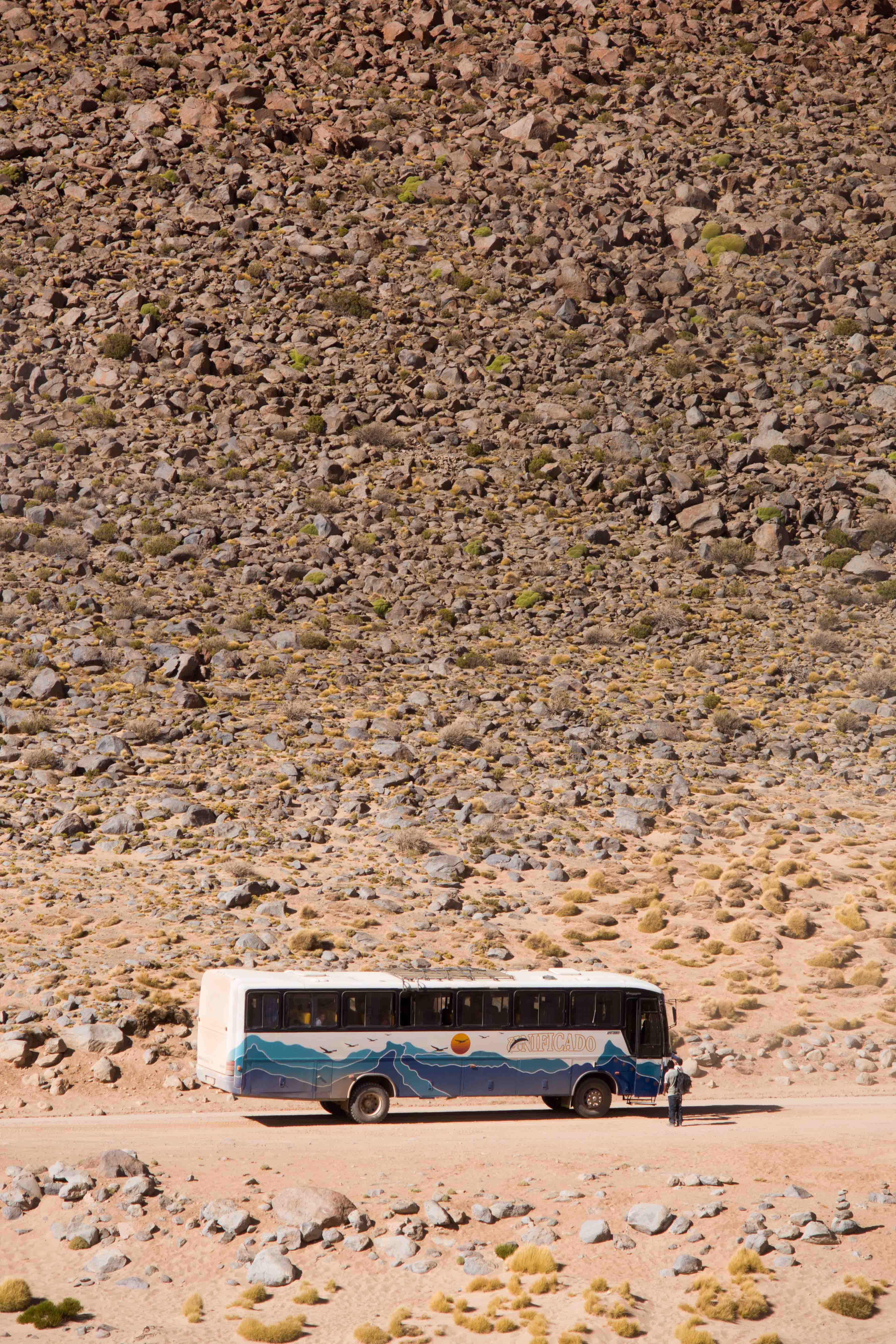
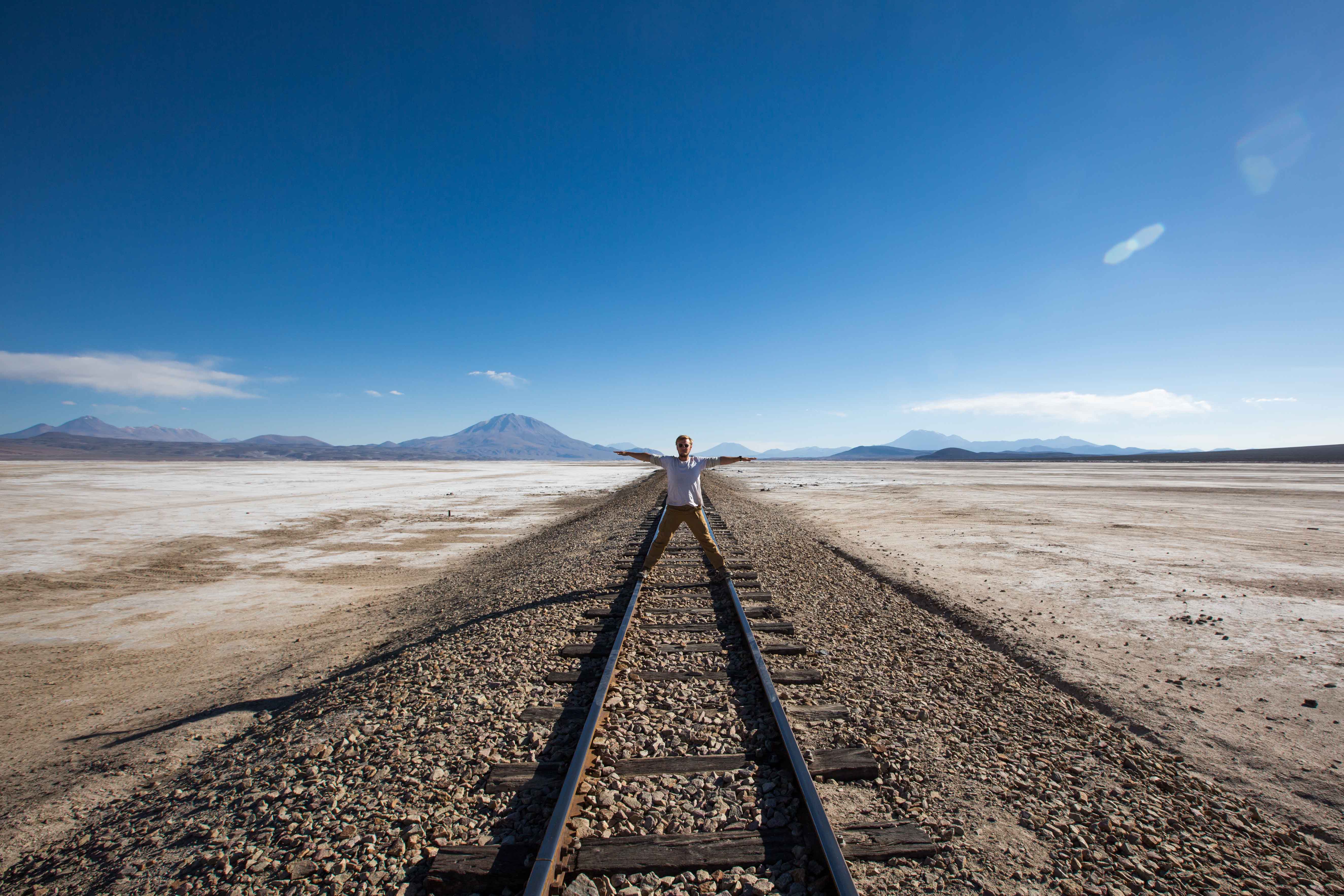
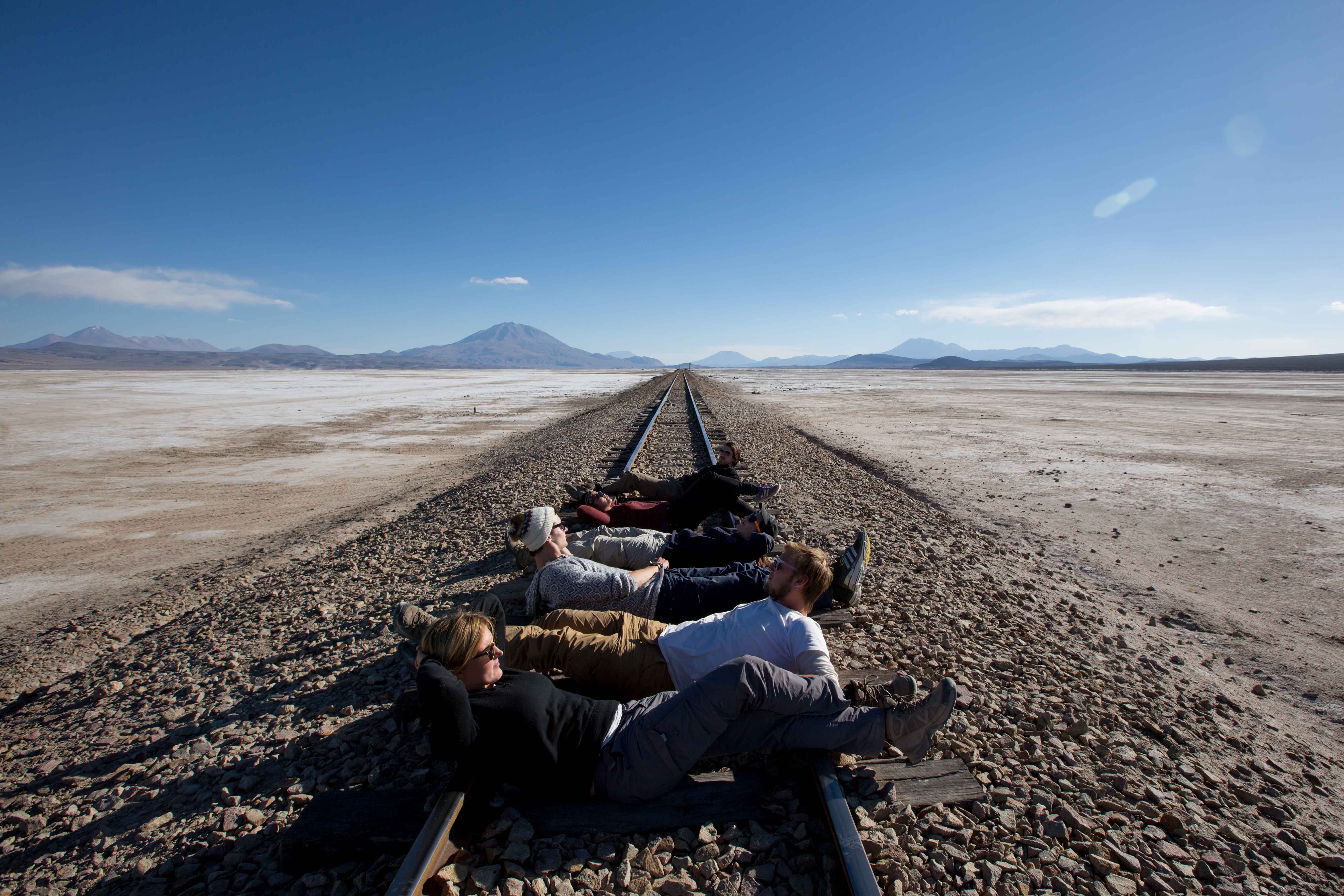
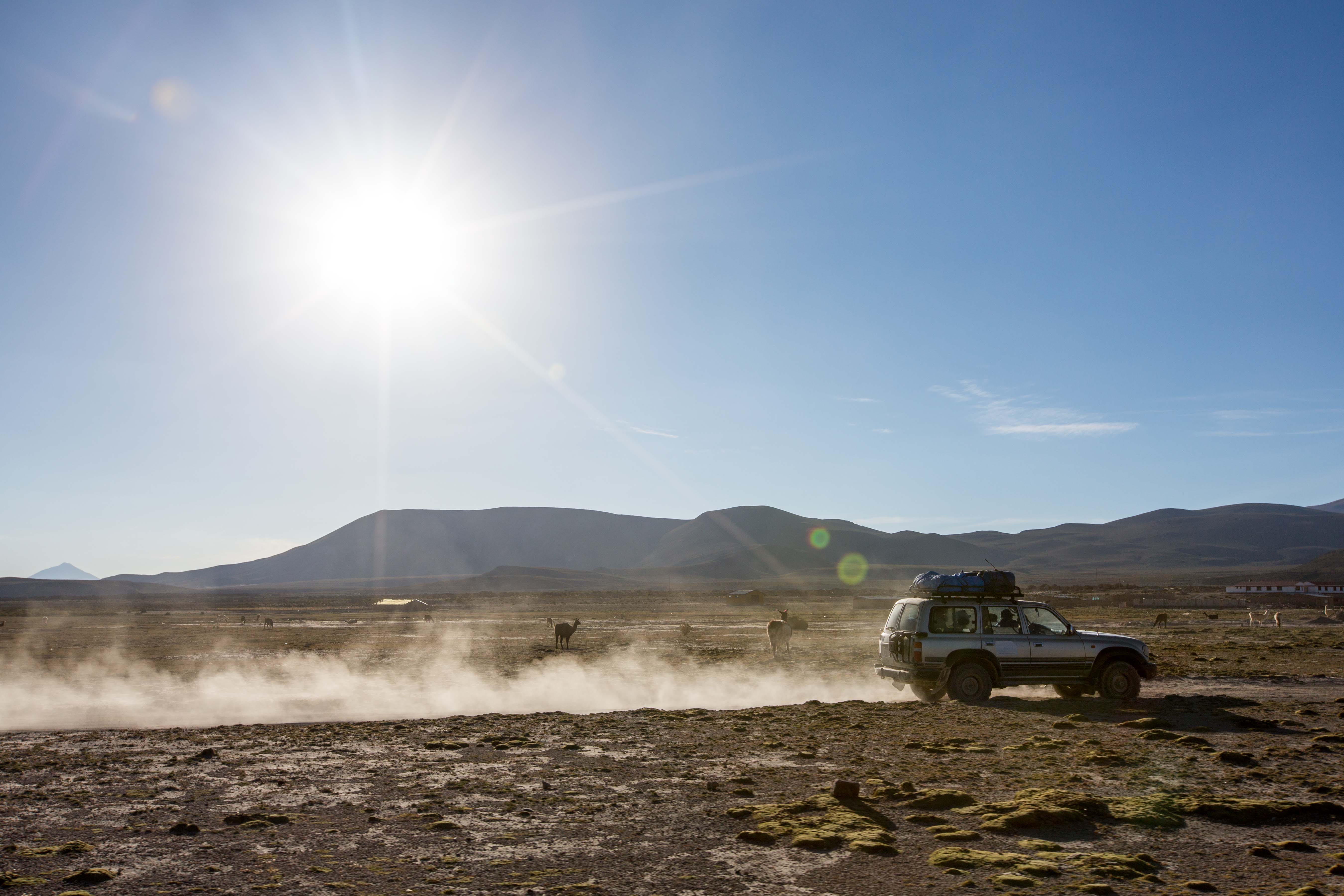
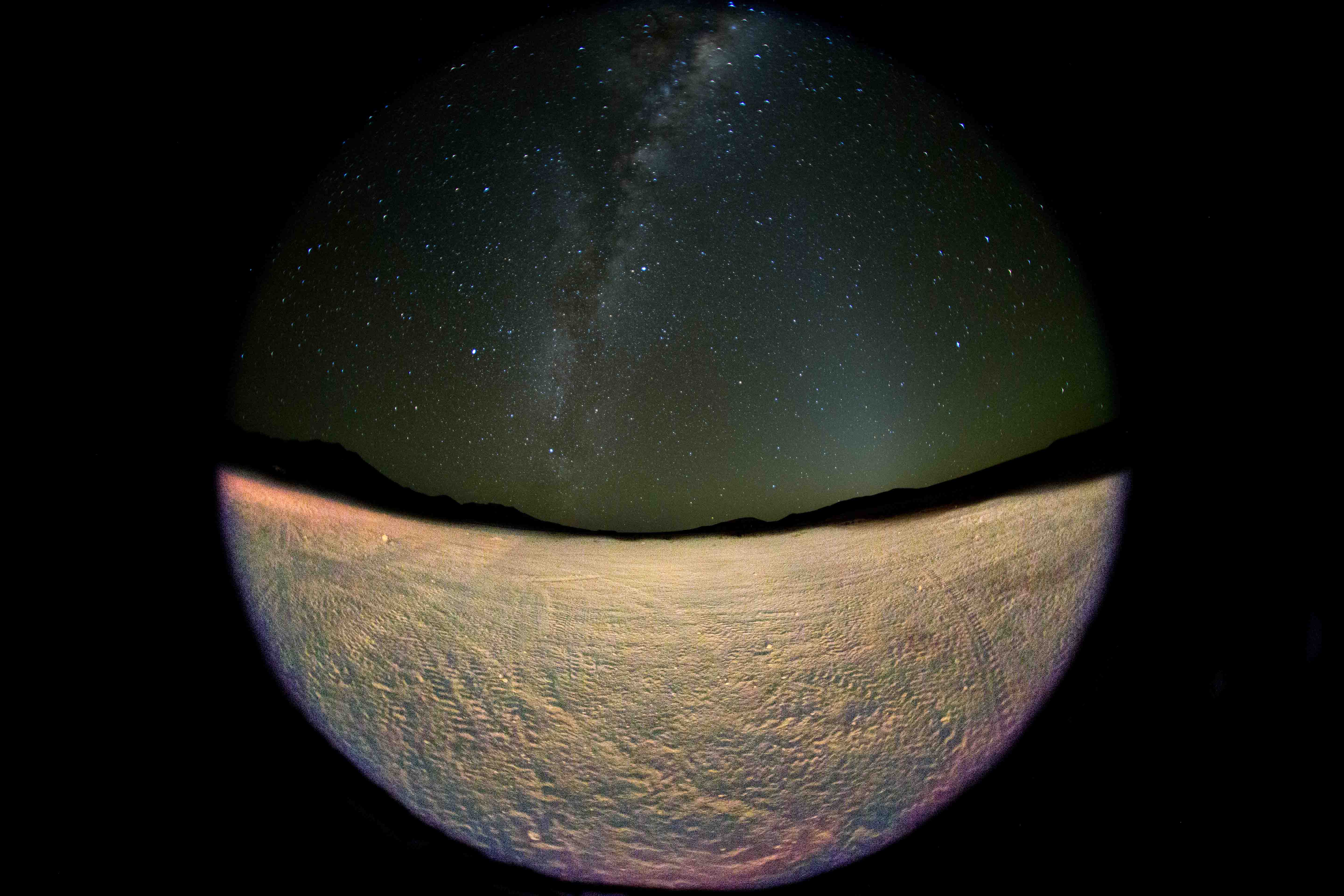
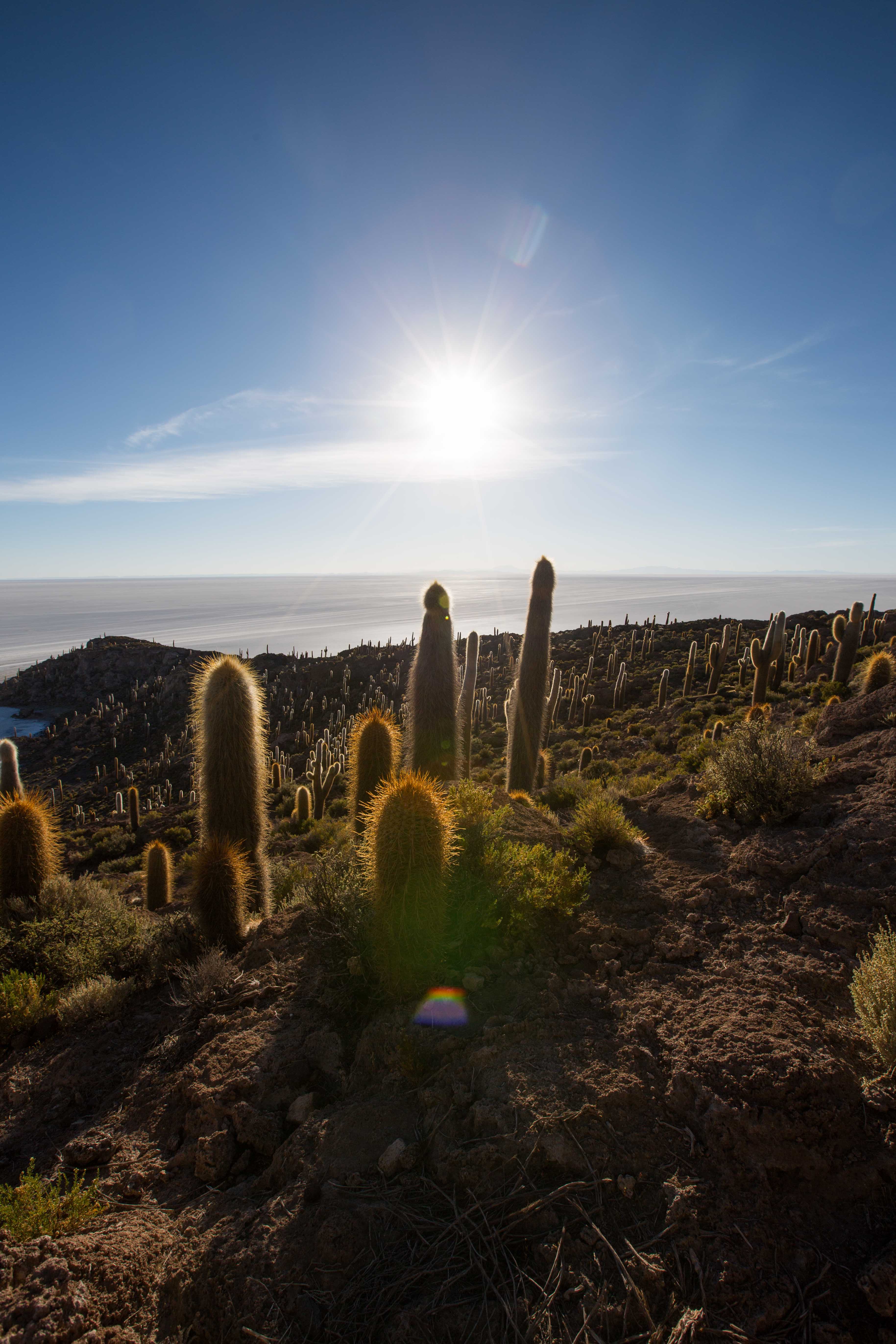
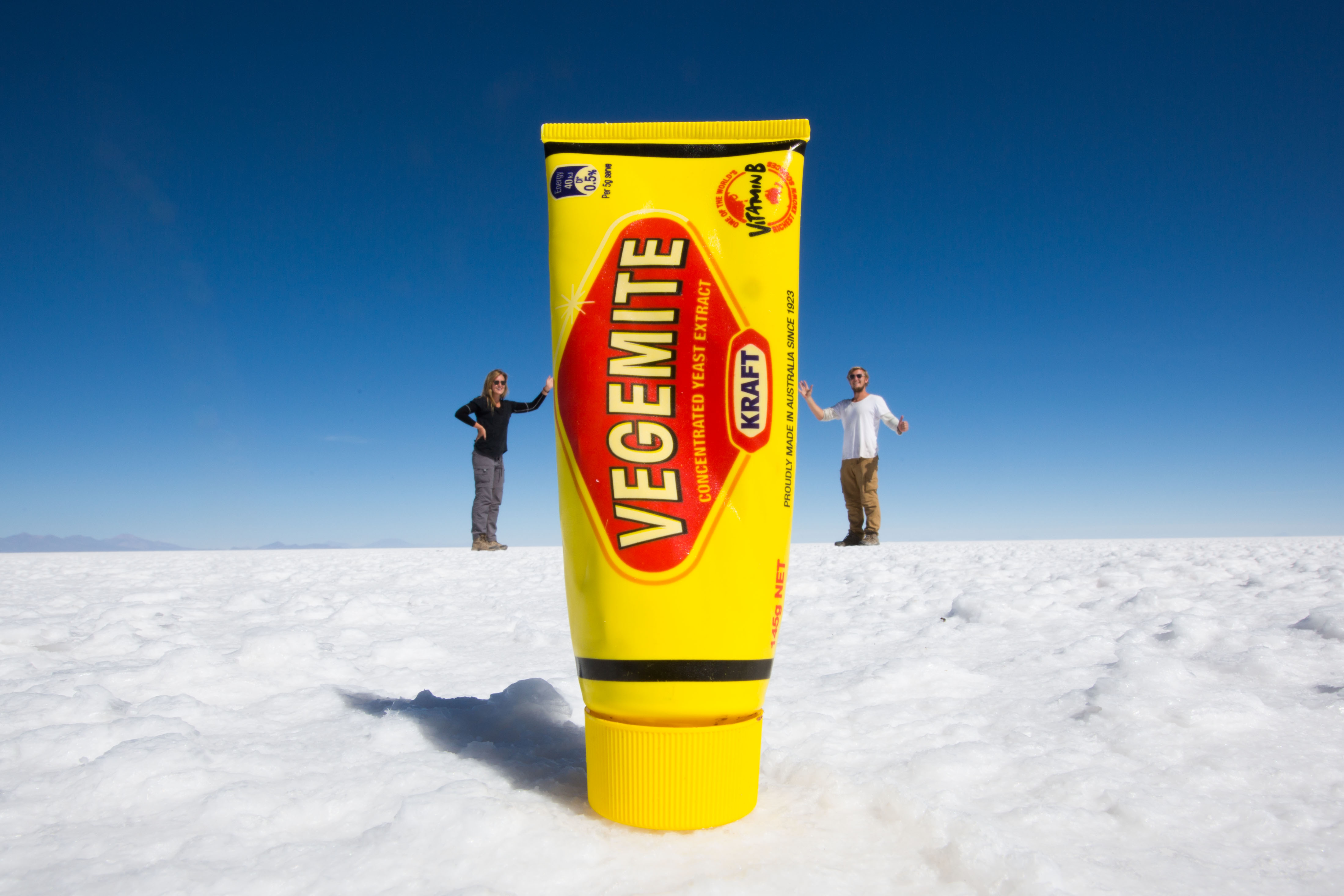
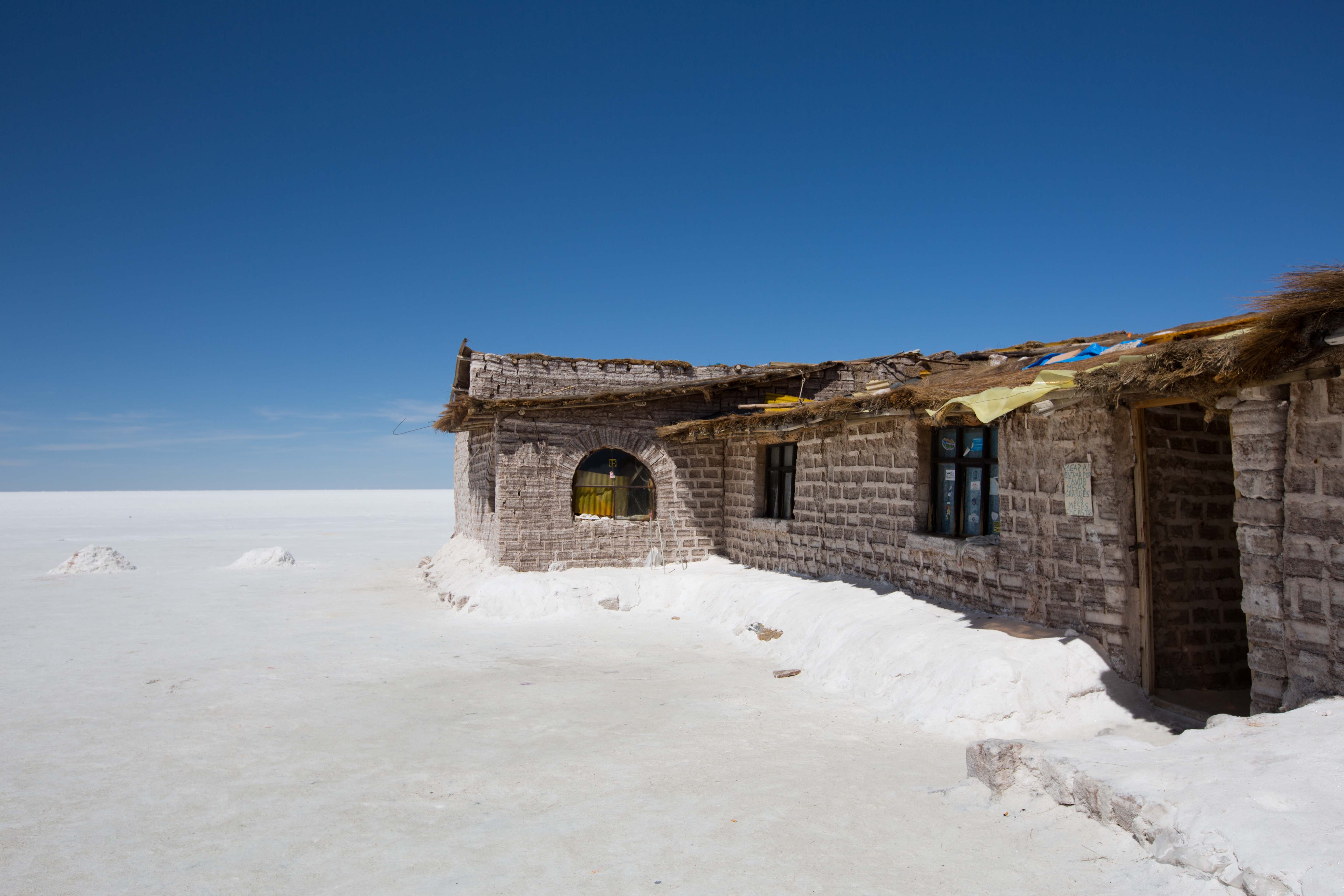
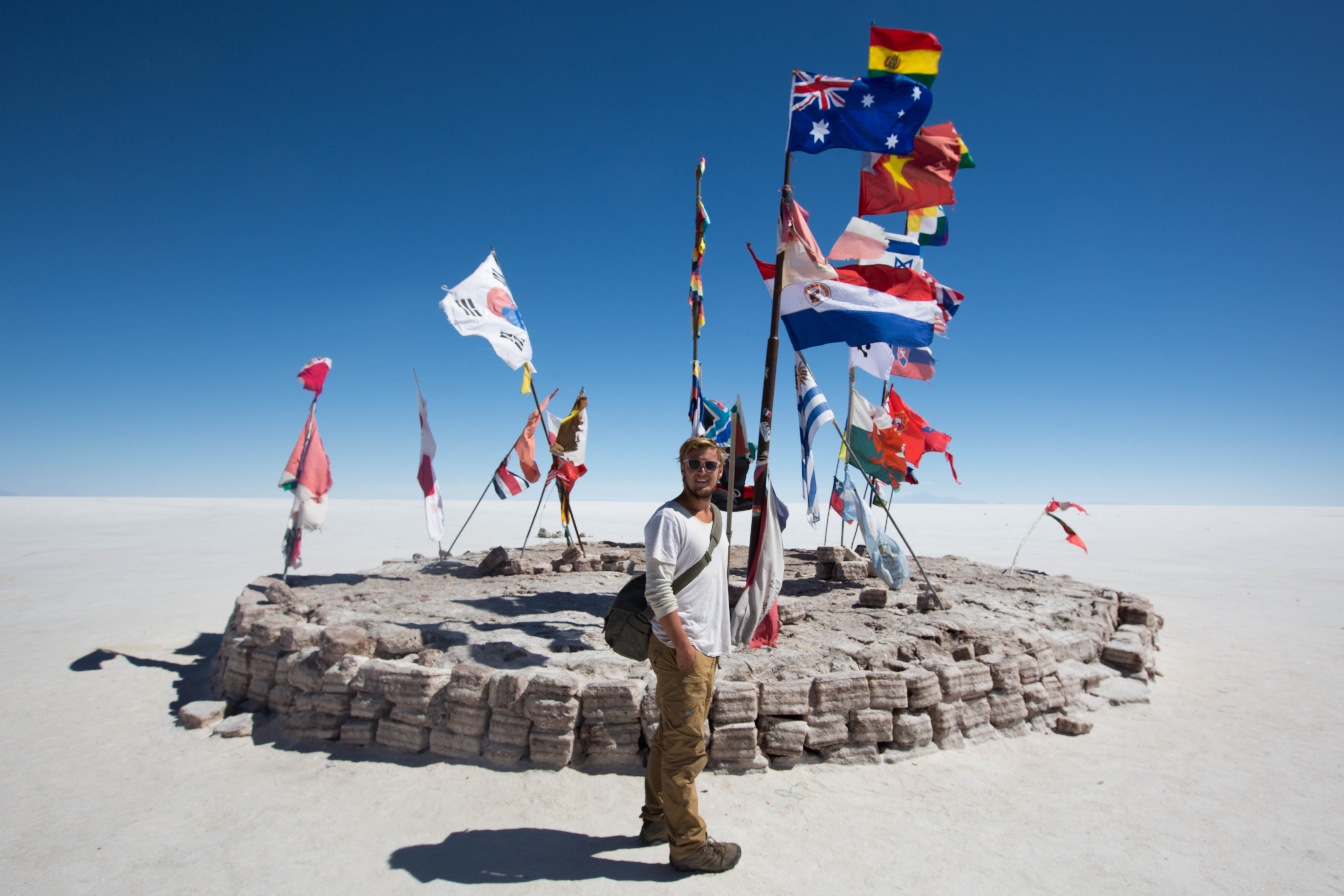
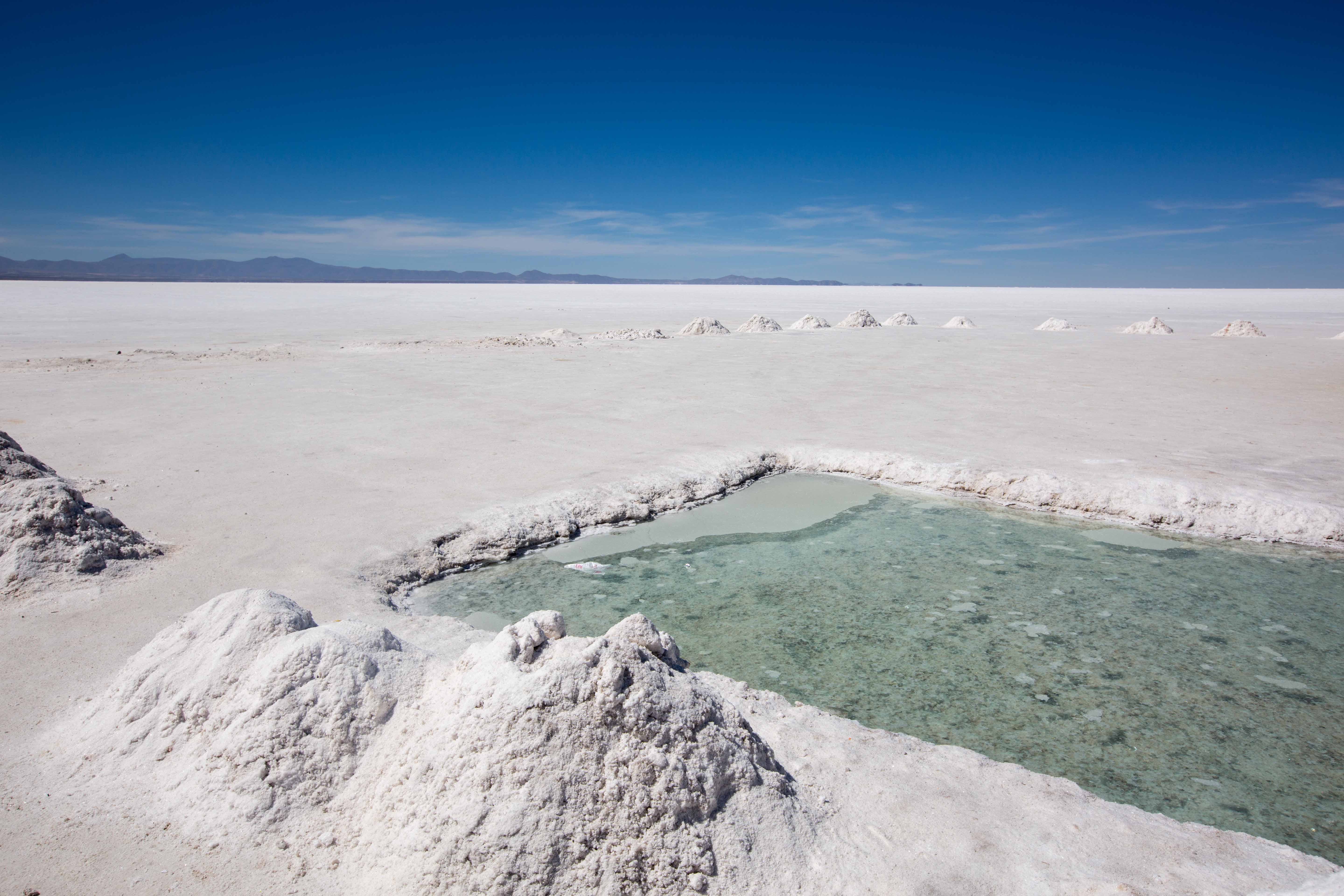
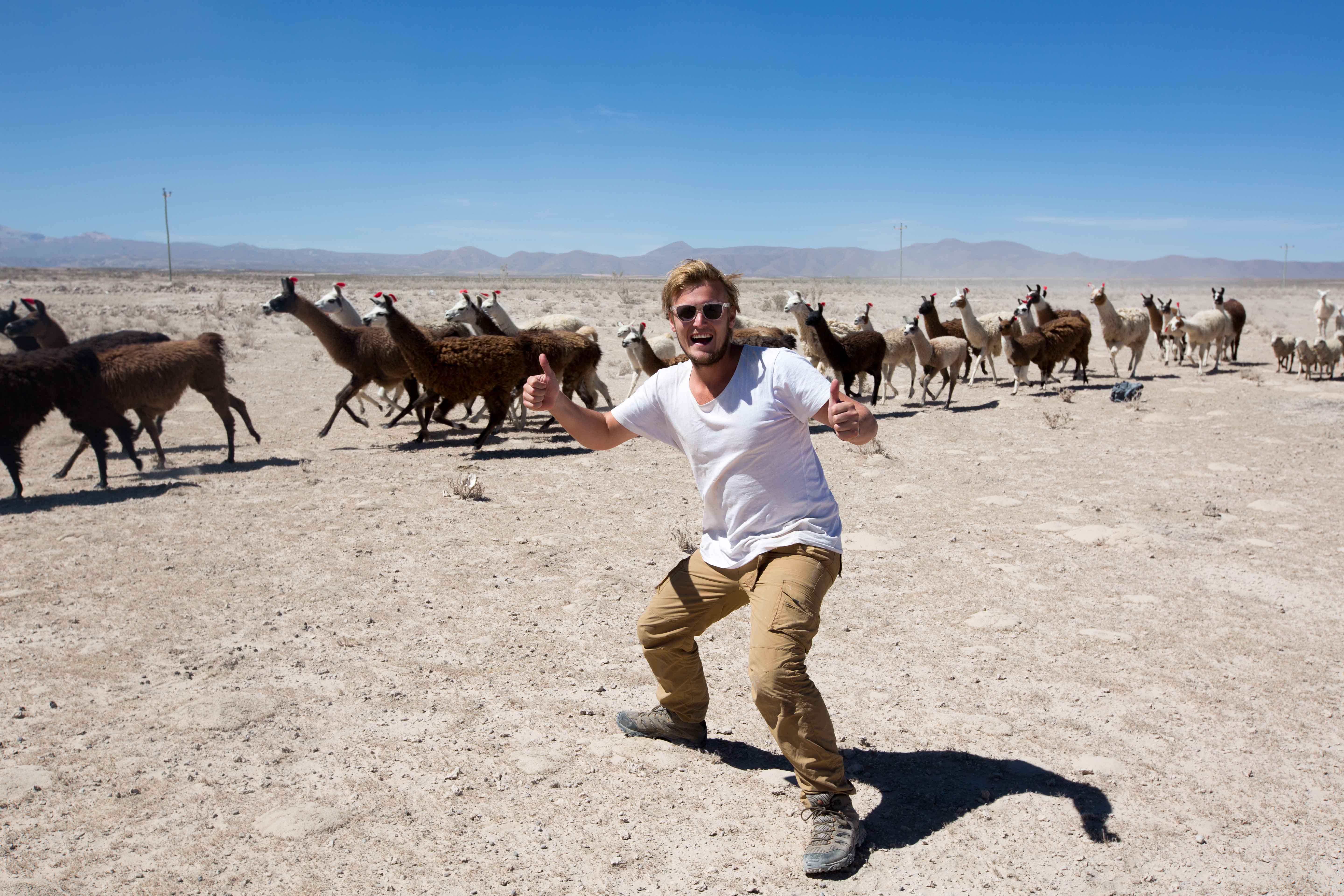
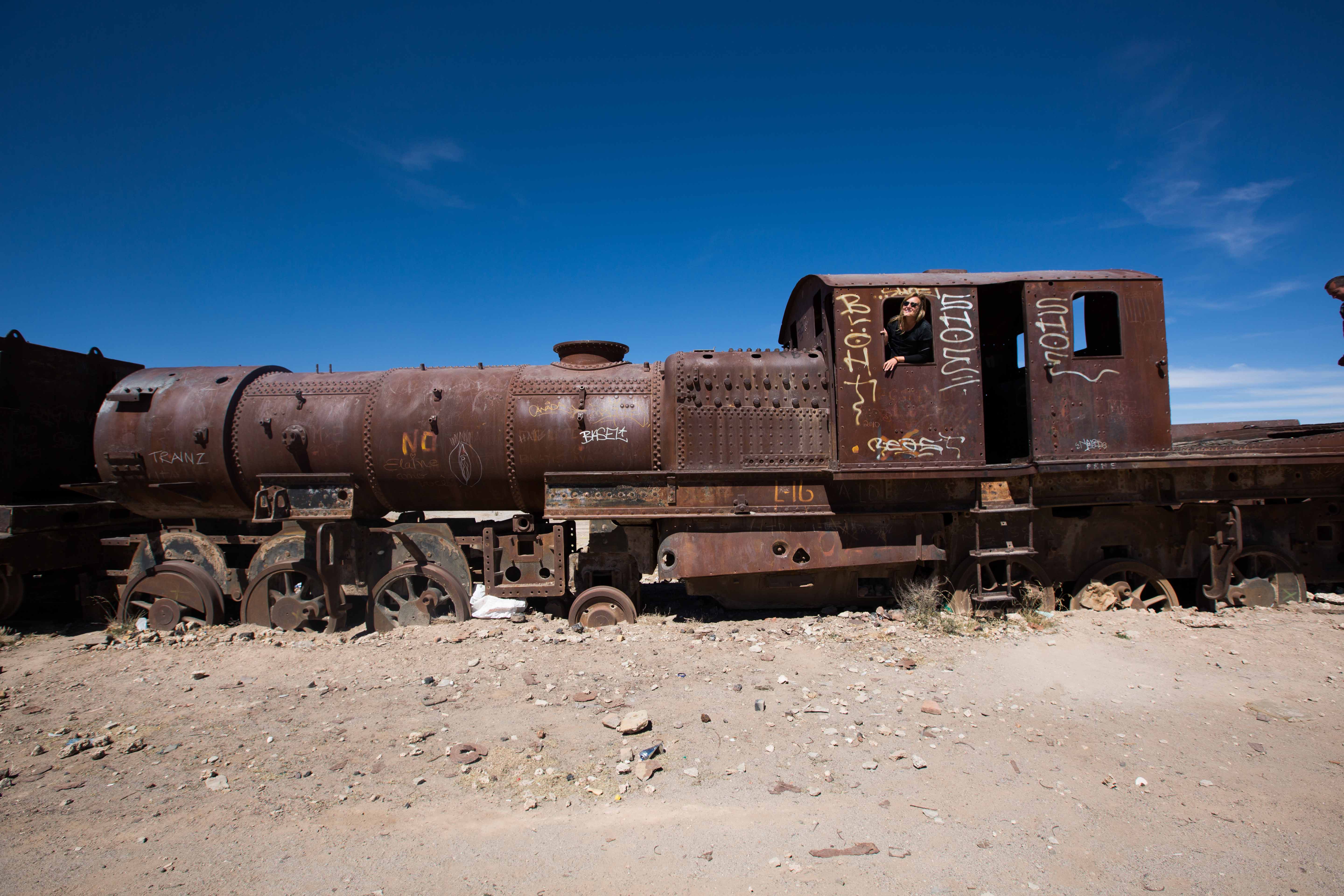
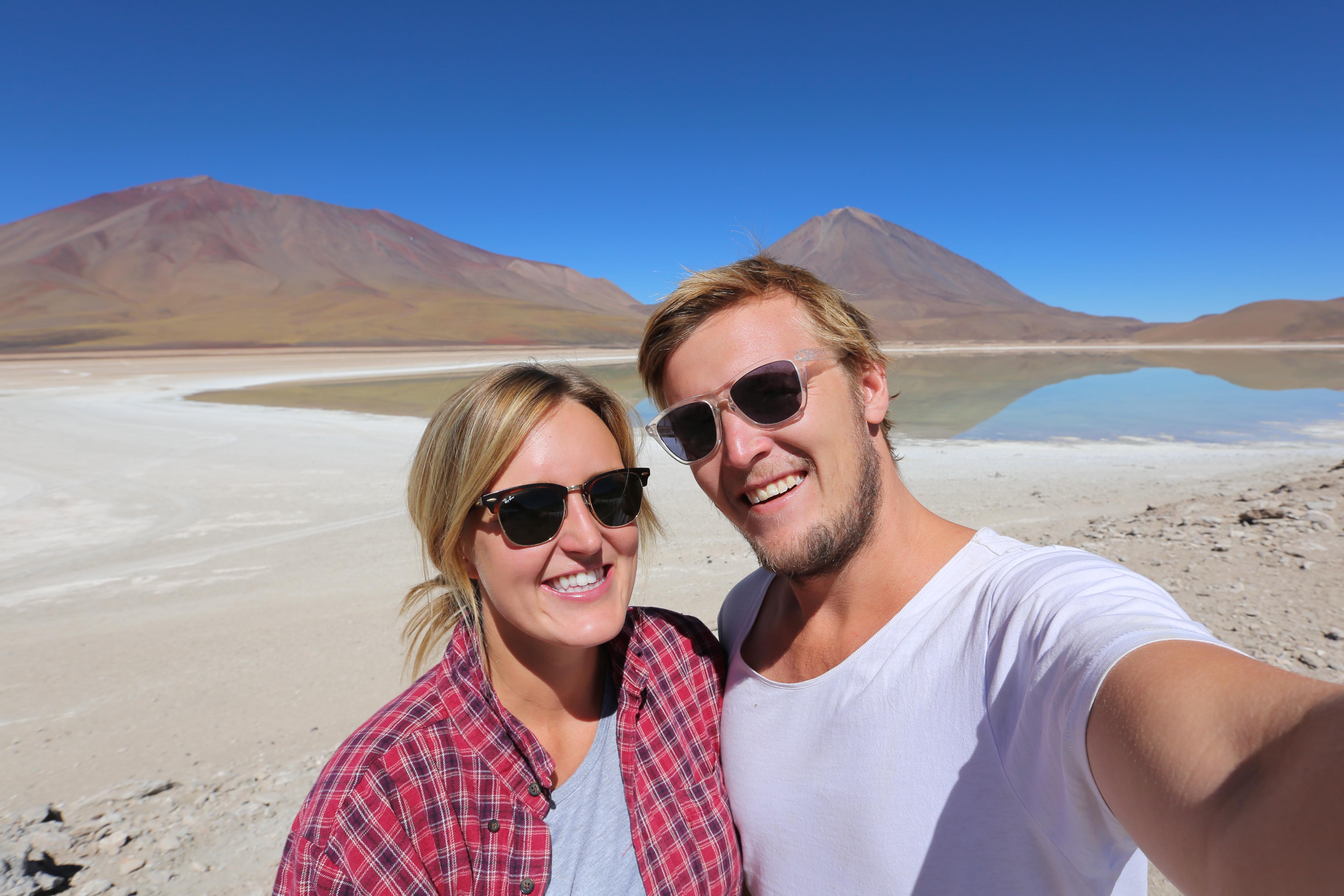
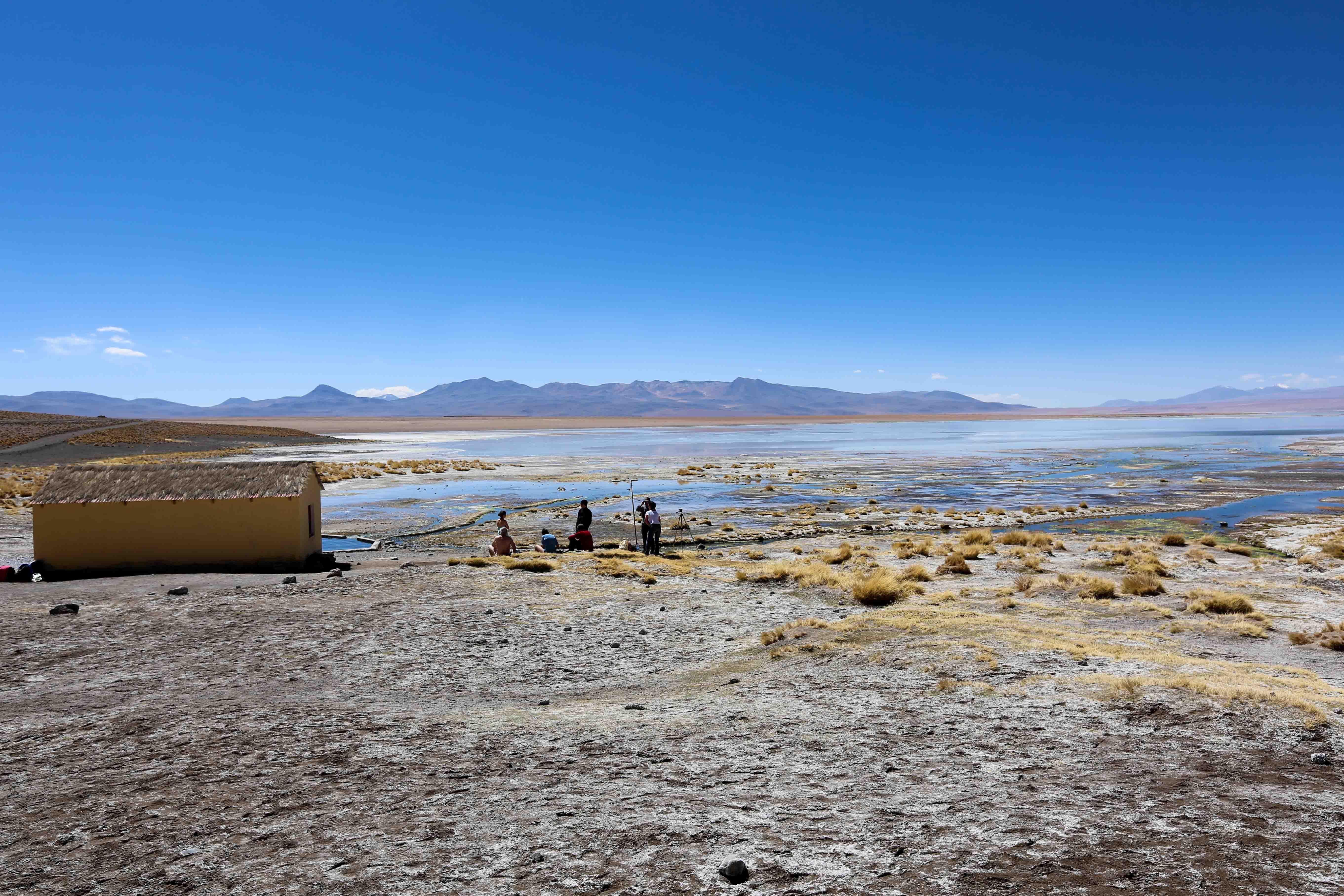
We left San Pedro on a 3-day tour to Salar de Uyuni, the largest salt flats in the world!  We each bought our 6 litre bottles of water (necessary to survive the dry climate) and traded in our last Chilean pesos for Bolivianos before hitting the road.  A quick stop at the customs office to be “stamped out” of Chile and another on “arrival” in Bolivia, a good half hour drive away – still not entirely sure who owns the land in between!Salt Flat Tour_001Salt Flat Tour_003At the Bolivian border we grouped with 4 others, met our driver and piled in to the Toyota Landcruiser, our travel vehicle for the next three days.  Joining us in our car were Sander & Niels, the Dutchmen (Sander who we had met back in Salta) along with Lauren from France and Line from Denmark.Salt Flat Tour_004Salt Flat Tour_011From our very first stop we were taken aback by the beautiful scenery.  Having spent the last four days in the dry Atacama Desert it was quite the contrast suddenly being surrounded by stunning coloured lakes, each unique to the last.Salt Flat Tour_021Salt Flat Tour_016Salt Flat Tour_036We continued on, stopping at some hot thermal springs with yet another incredible backdrop.  The water was the perfect temperature however the cold air outside scared a lot of people off.Salt Flat Tour_040Salt Flat Tour_048Salt Flat Tour_053At the highest elevation of our 3-day trip, we visited another geyser field with large pools of bubbling mud so incredibly hot you wouldn’t dare go too close!  With the altitude making us all feel slightly dizzy, we watched where we stepped and tried to overcome the fear of the ground collapsing below us and becoming mud monsters.Salt Flat Tour_055Salt Flat Tour_066Salt Flat Tour_068Salt Flat Tour_060Having had an early start and perhaps with the altitude we were all quite exhausted from our first day.  We made it to our accommodation for the evening and cuddled up close in bed that night as it was absolutely freezing!  Salt Flat Tour_072Salt Flat Tour_079Salt Flat Tour_073Day Two was what I like to call “Lake Day”, so much so that as amazing as each lake was, by the end of the day, I’d seen enough lakes and flamingoes to last me a lifetime! The lakes we visited were really beautiful though and the flamingoes looked fantastic doing their thing out on the water.  Salt Flat Tour_081Salt Flat Tour_086Salt Flat Tour_098Salt Flat Tour_082Salt Flat Tour_104We drove and drove, enjoying having our iPods plugged in to the stereo rather than the driver’s pan flute cover CDs.  Too bad that my iPod mysteriously “disappeared” from his stereo in the morning…. #%$#@#(*!!!!!!!! Meanwhile, one of the other vehicles picked up some locals and with no room in the car, they settled in on top.  Salt Flat Tour_125Salt Flat Tour_128We drove through the ‘Dali Desert’ named as the landscape mimics a Salvador Dali painting and also stopped at a set of rock formations created as a result of wind erosion.  Will had a quick stop at the bathroom while we took photos of the ‘Tree Rock”.Salt Flat Tour_122Salt Flat Tour_110 Salt Flat Tour_115Our lunch stop overlooked another beautiful lake and we harrassed the flamingoes for the perfect photo.  With the mountains in the background there were some amazing reflections on the water and we sat back enjoying the view.Salt Flat Tour_139Salt Flat Tour_190Salt Flat Tour_153The terrain changed as we continued and we passed various snow covered mountains before stopping at some train tracks out in the middle of nowhere and being rebels lying on the tracks.Salt Flat Tour_195Salt Flat Tour_203Salt Flat Tour_210Salt Flat Tour_219Salt Flat Tour_223After a long day driving, we arrived at our second night’s accommodation which was something slightly different – a hotel made completely out of salt!  The walls, roof, chairs, table, bed frames – basically EVERY part of the building, even the floor was covered in salt!  Unfortunately, it’s not edible so we couldn’t add it to our llama steaks and fries that night!Salt Flat Tour_224Salt Flat Tour_225Salt Flat Tour_229We were up at 4:00am on our last morning in order to make it to the salt flats by sunrise.  Walking outside our hotel, the sky was incredible – I’m not sure I’ve ever seen so many stars!  We drove in the dark and as we reached the salt flats our driver even turned his lights off!  With nothing but white salt under us it was incredible how much the reflection allowed us to see.  We reached a point on the salt flats and stopped to watch the sunrise.  Stepping outside the car it was freezing and with the salt crunching under our feet you could be mistaken for thinking we were at the snow.Salt Lake Tourxx_002Salt Flat Tour_254Salt Flat Tour_253Salt Flat Tour_261Salt Flat Tour_246We warmed up slightly and as the sun continued to rise, we drove on to our breakfast spot – Isla Incahuasi, a bizarrely located island (in the middle of the salt flats) covered in giant cacti, some over 900 years old!  We explored the island which is actually the top of the remains of an ancient volcano which was submerged when the area was a huge prehistoric lake (roughly 40,000 years ago).  Today it is covered in what appears to be fossilised coral structures along with the incredible cacti which we couldn’t miss the opportunity to give a big hug!  Salt Flat Tour_267Salt Flat Tour_279Salt Flat Tour_282Salt Flat Tour_293One of the things we had been looking forward to on the salt flats was taking various perspective photos where due to the white salt ground you can make things look giant or miniature just by moving away from the camera.  Unfortunately for us, no one seemed to be able to use our camera and therefore we didn’t really get any good ones at all! Salt Flat Tour_304Salt Flat Tour_308Salt Flat Tour_310After time spent taking photos we continued on, passing another salt hotel, mounds of salt, a small village along with herds of llamas before we arrived in Uyuni.  Driving in to Uyuni we were astonished at the ridiculous amount of garbage around the town.  Everywhere you looked there were plastic bags covering the ground and it made us all feel quite uneasy as we approached the main streets.Salt Flat Tour_322Salt Flat Tour_325Salt Flat Tour_327Salt Flat Tour_335We drove through the town to the outskirts of Uyuni to a train graveyard (Will thought I had typed gravy-yard… hilarious!), a result of the mining industry collapse in the 1940’s.  Hundreds of train carriages and pieces of machinery lie rusted and abandoned which is quite eerie to walk through. Salt Flat Tour_338Salt Flat Tour_345Salt Flat Tour_351Salt Flat Tour_352After a swing or two on the rusted trains we settled in to a $3 room in a local hotel – Welcome to Bolivia!