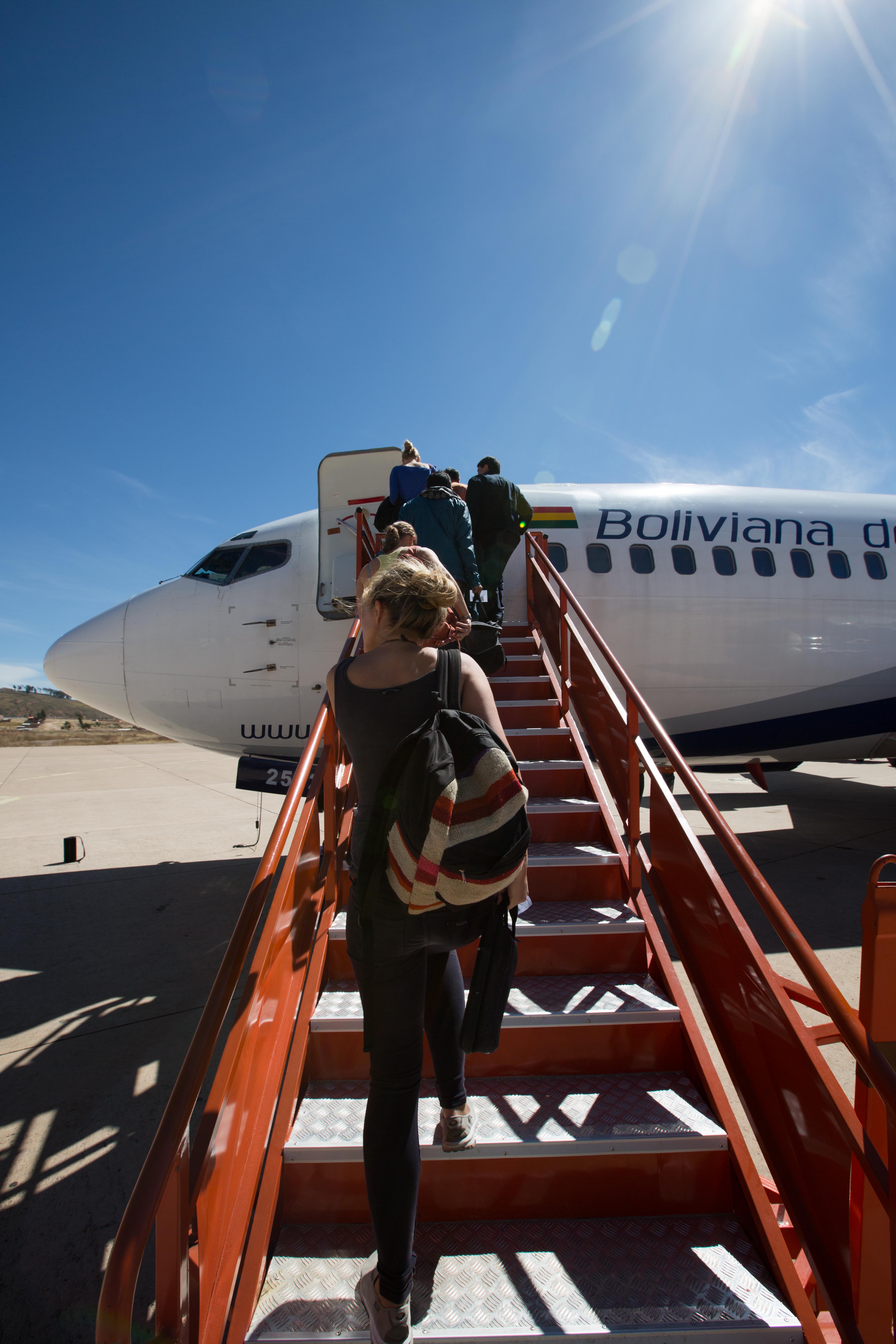
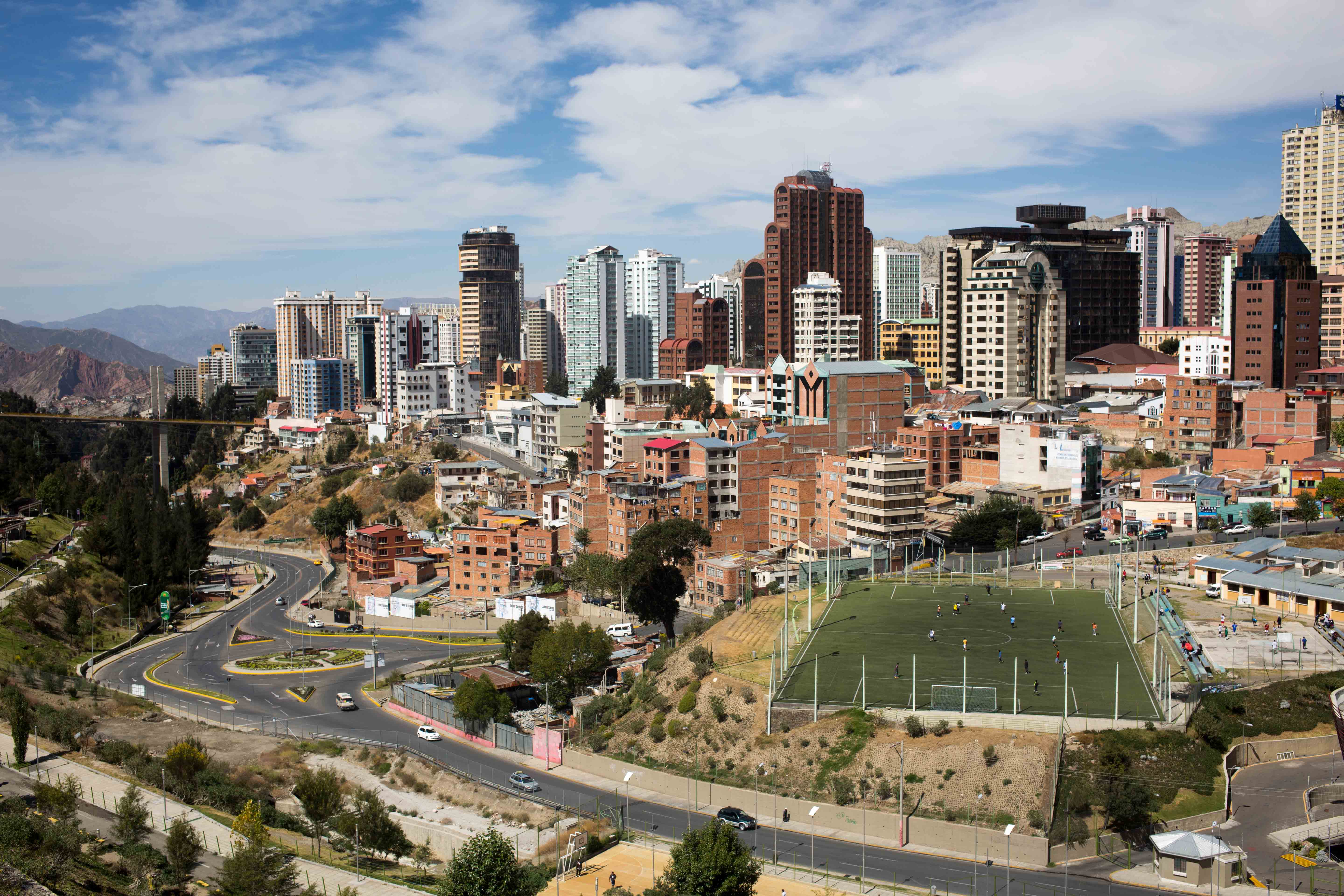
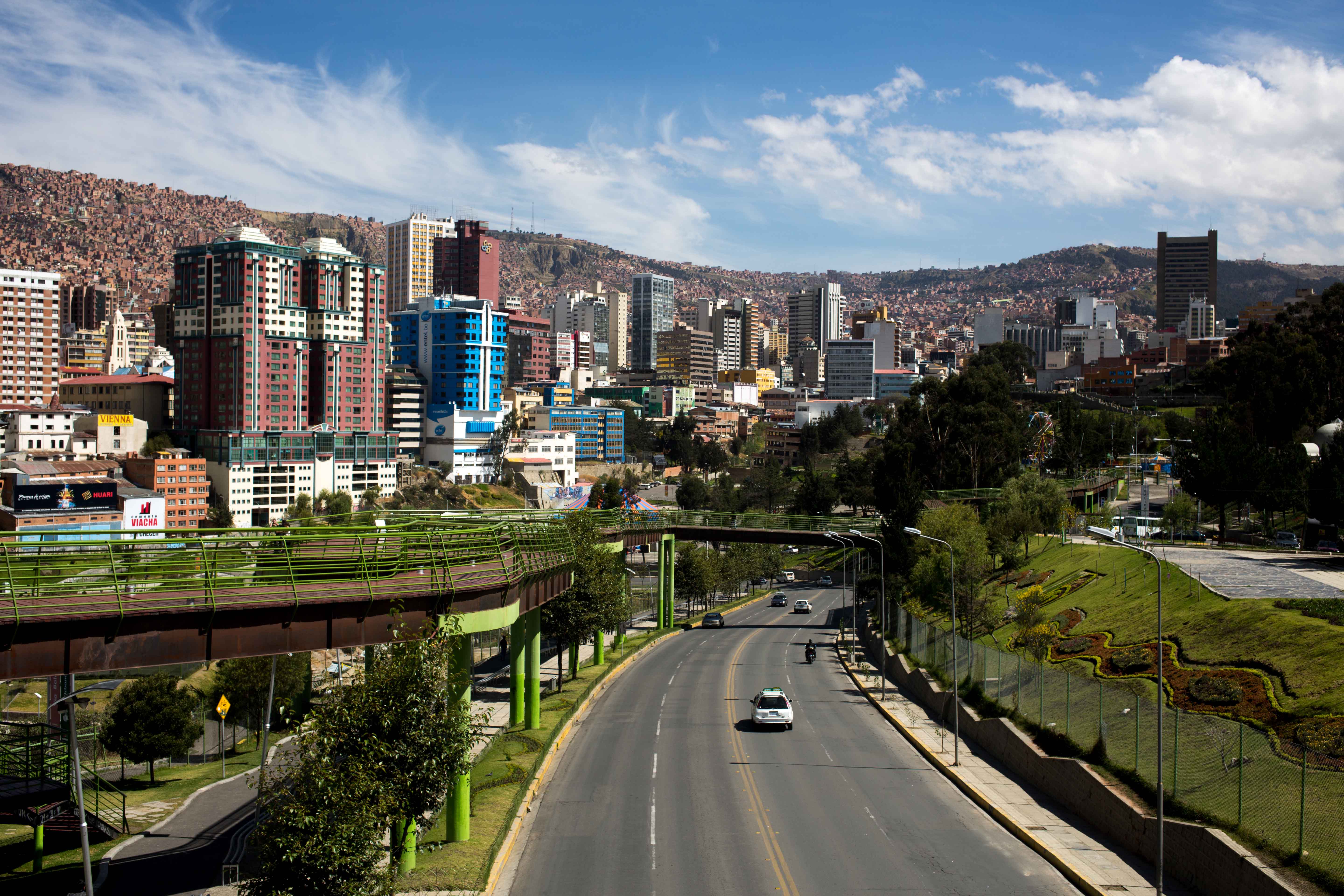
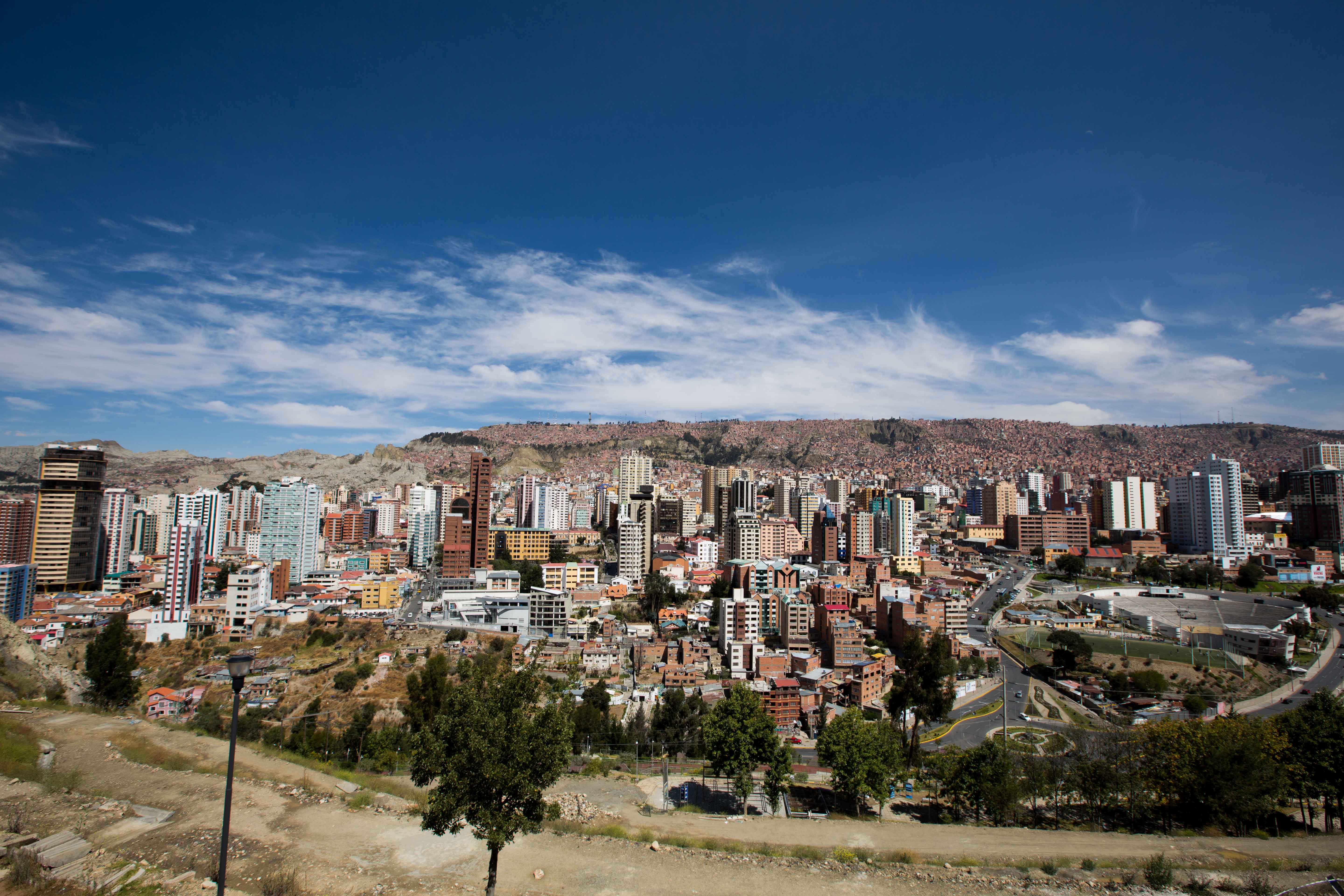
I ‘m not sure that I’ve ever been on a quicker plane ride than the flight from Sucre to La Paz, it seemed we were landing only moments after we had taken off! A quick mention to the dinosaur phone booths they had at Sucre’s Airport – hilarious! Together with Niels and Sander we caught a taxi towards the centre of La Paz and as you approach, you can’t help but let out a little “wow”. Unfortunately I don’t really have a photo that shows the city as a whole (in fact, I don’t have many photos from La Paz at all!) but it is just a really unique city – highest capital city in the world and visually different to any other. It does however seem to lack a lot of the charm that other capital cities possess and after spending 10 days in the picture perfect Sucre, it was quite the contrast. 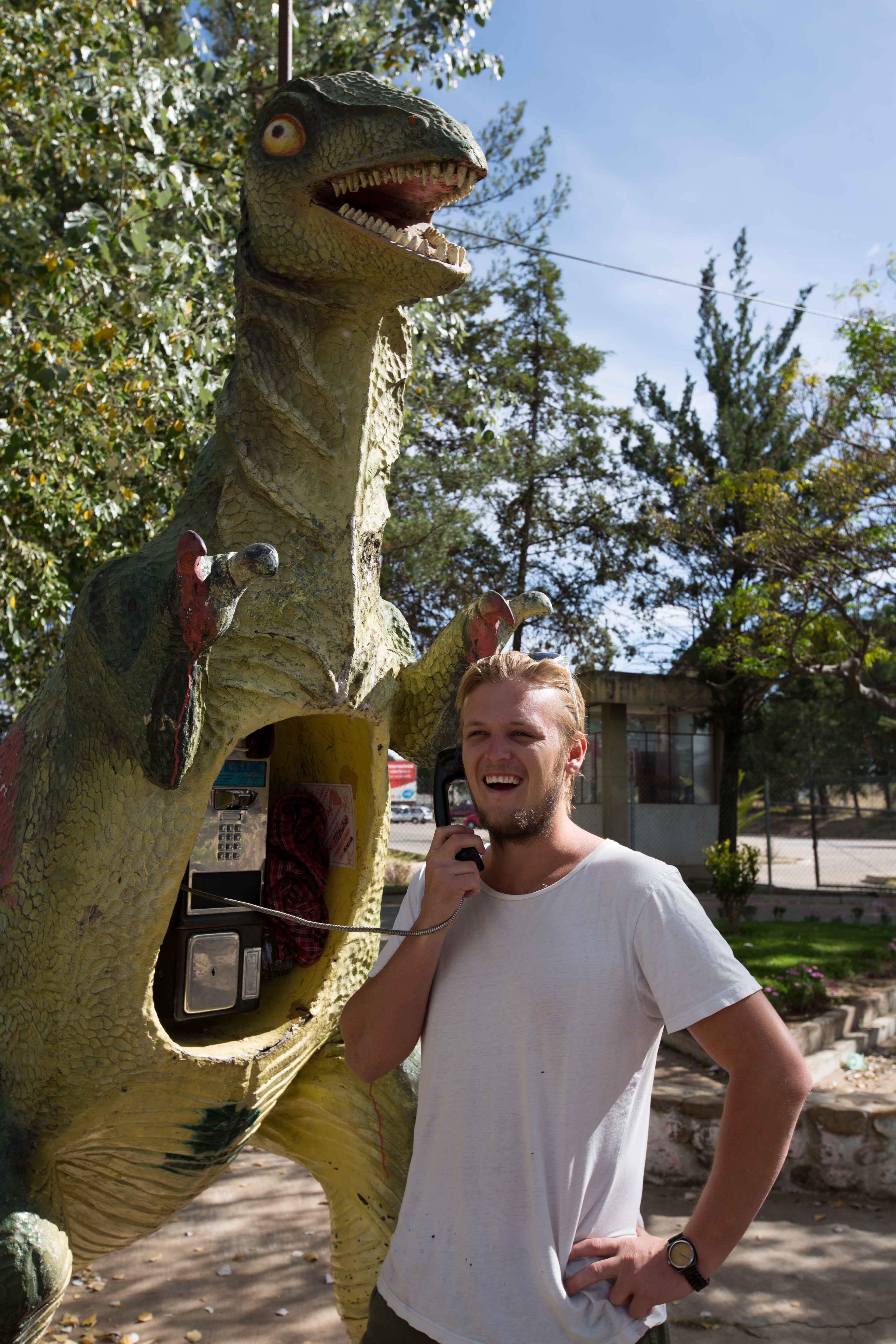
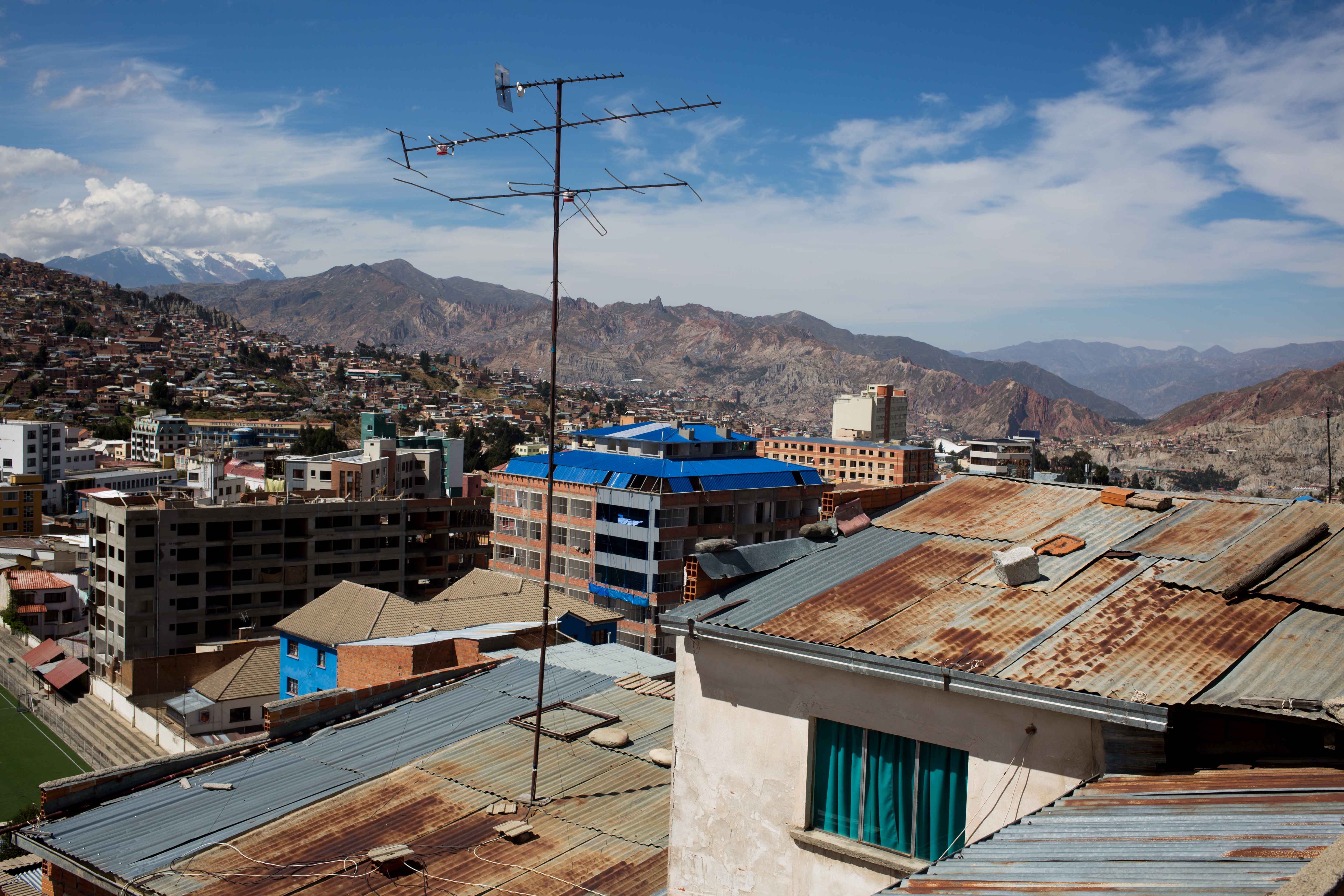
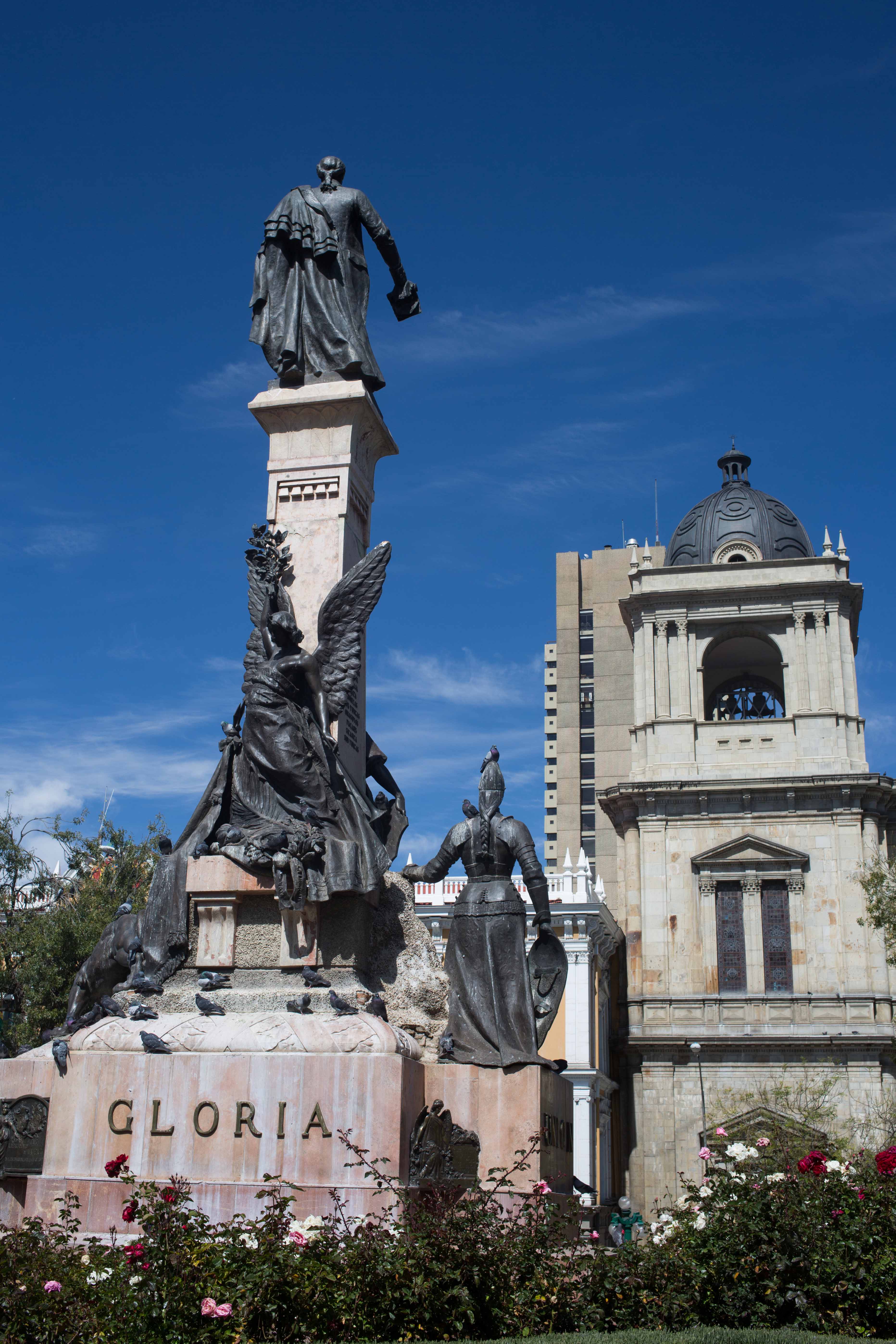
 Unfortunately within our first 24 hours I was battling my second case of food poisoning with Will to follow 24 hours later. Instead of seeing the sights of La Paz, we saw a lot of the hostel bathroom! When we finally were up to the challenge we walked around the city, huffing and puffing with every hill which I like to blame on the altitude but is probably more so general unfitness. This, along with the fact that you are breathing in vehicle fumes rather than air 90% of the time! In some respects it is hard to paint a pretty picture of La Paz – thousands of red brick buildings cover literally every inch of the city, many looking like the builders reached a point in construction and thought “you know what, that will do”. That being said, the city centre contains some beautiful old colonial buildings, while downtown skyscrapers tower high in the sky with perfectly manicured gardens surrounding.
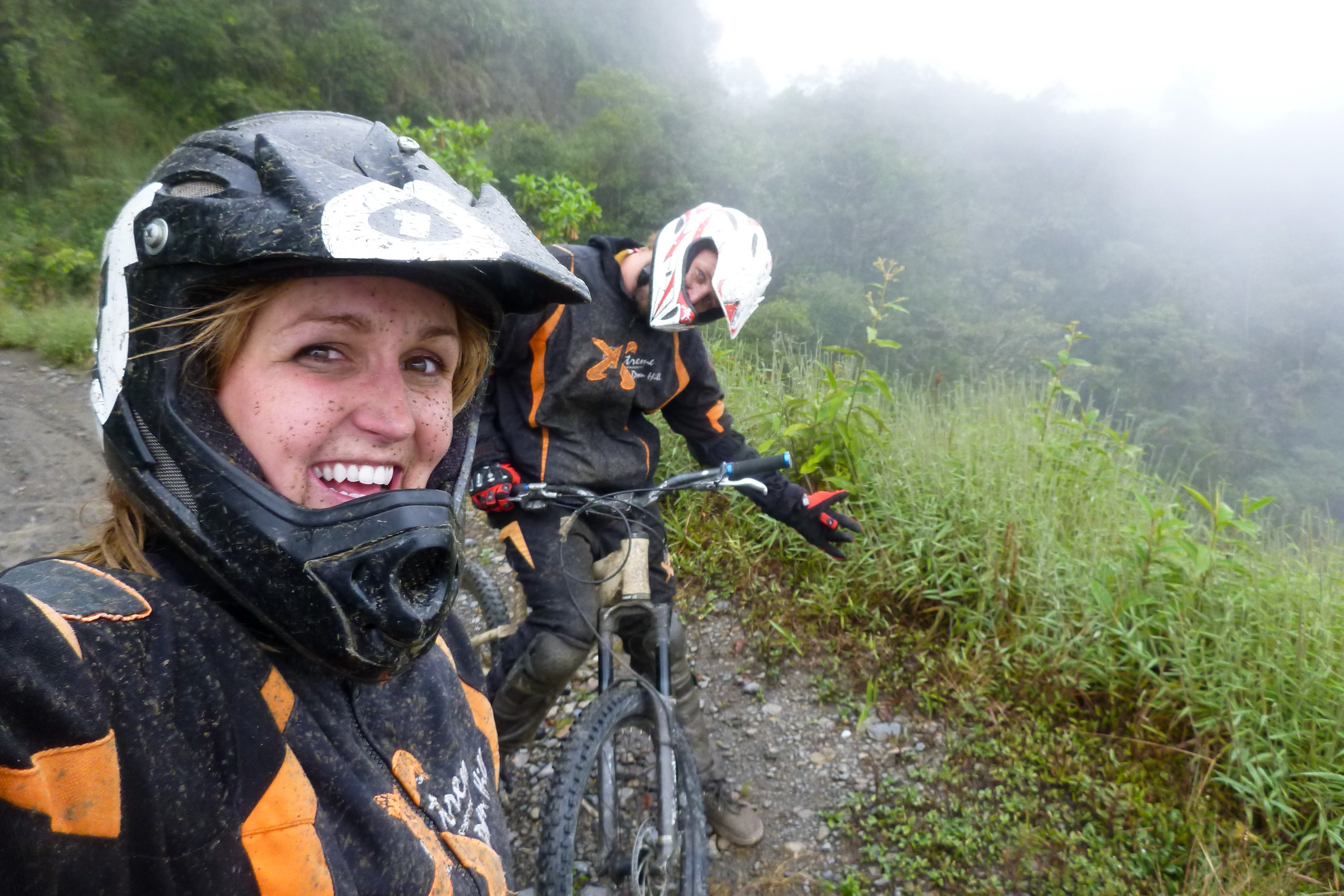
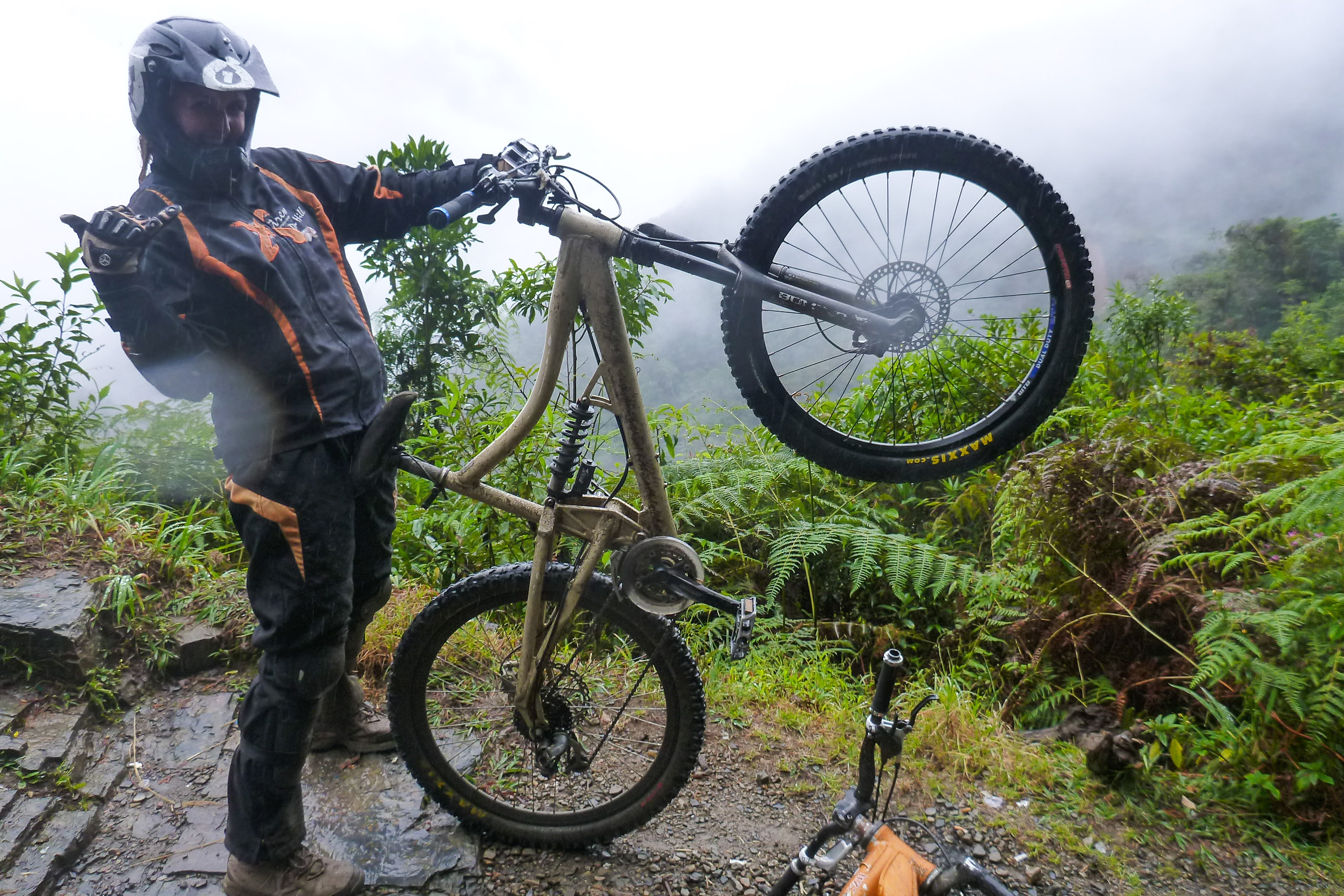
 When we were finally feeling up to it we decided it was time to get adventurous and signed up to bike ride down the infamous Death Road. Our imaginations were in overdrive after meeting various backpackers along our travels with sprained ankles, broken arms and bruised egos! Could it be that dangerous? There was only one way to find out. Feeling slightly nervous we piled in to a minibus and drove to the beginning of Death Road. With protective clothing, knee pads, elbow pads, gloves and helmets we were as prepared as we would ever be as we hopped on to our bikes and began travelling downhill.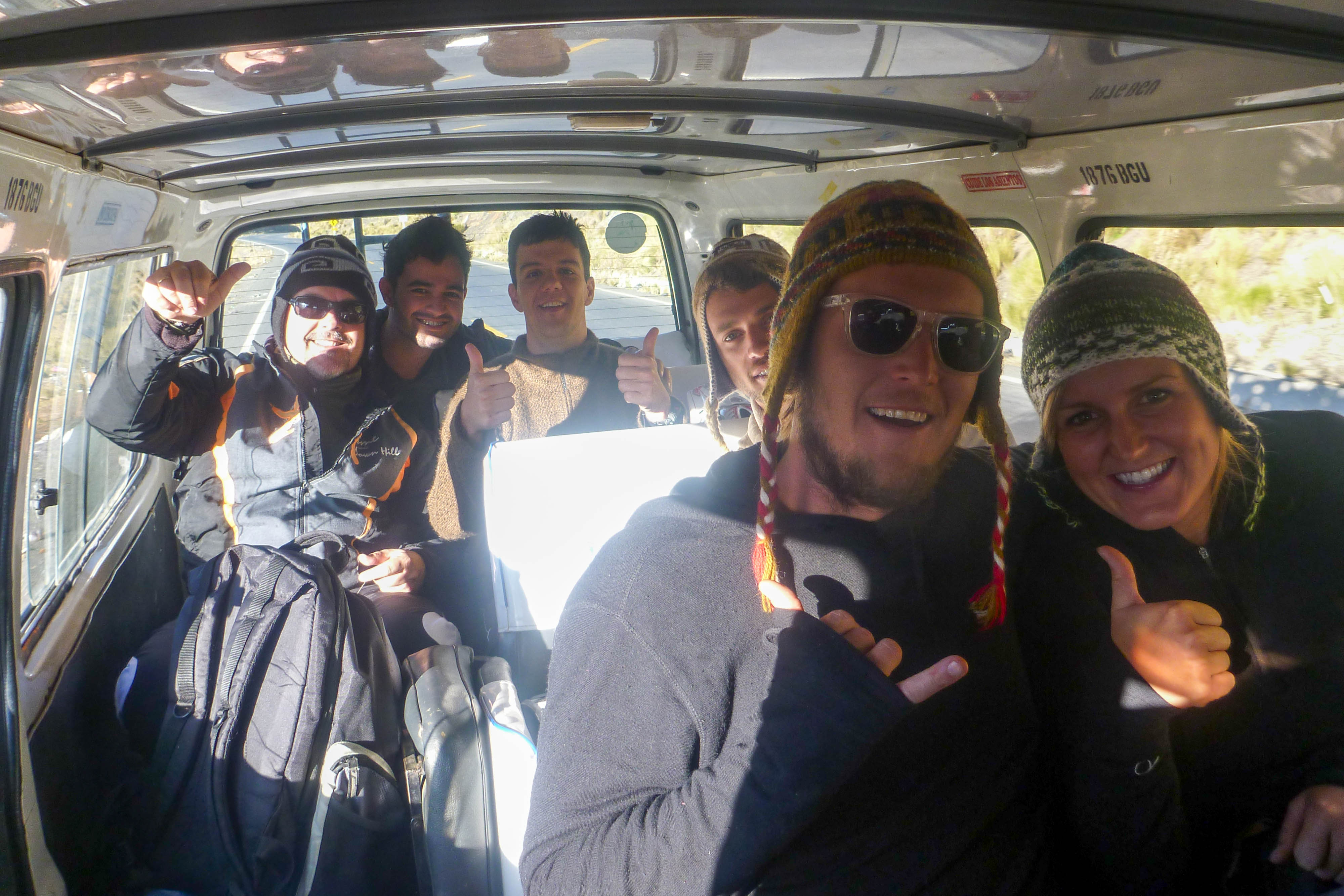

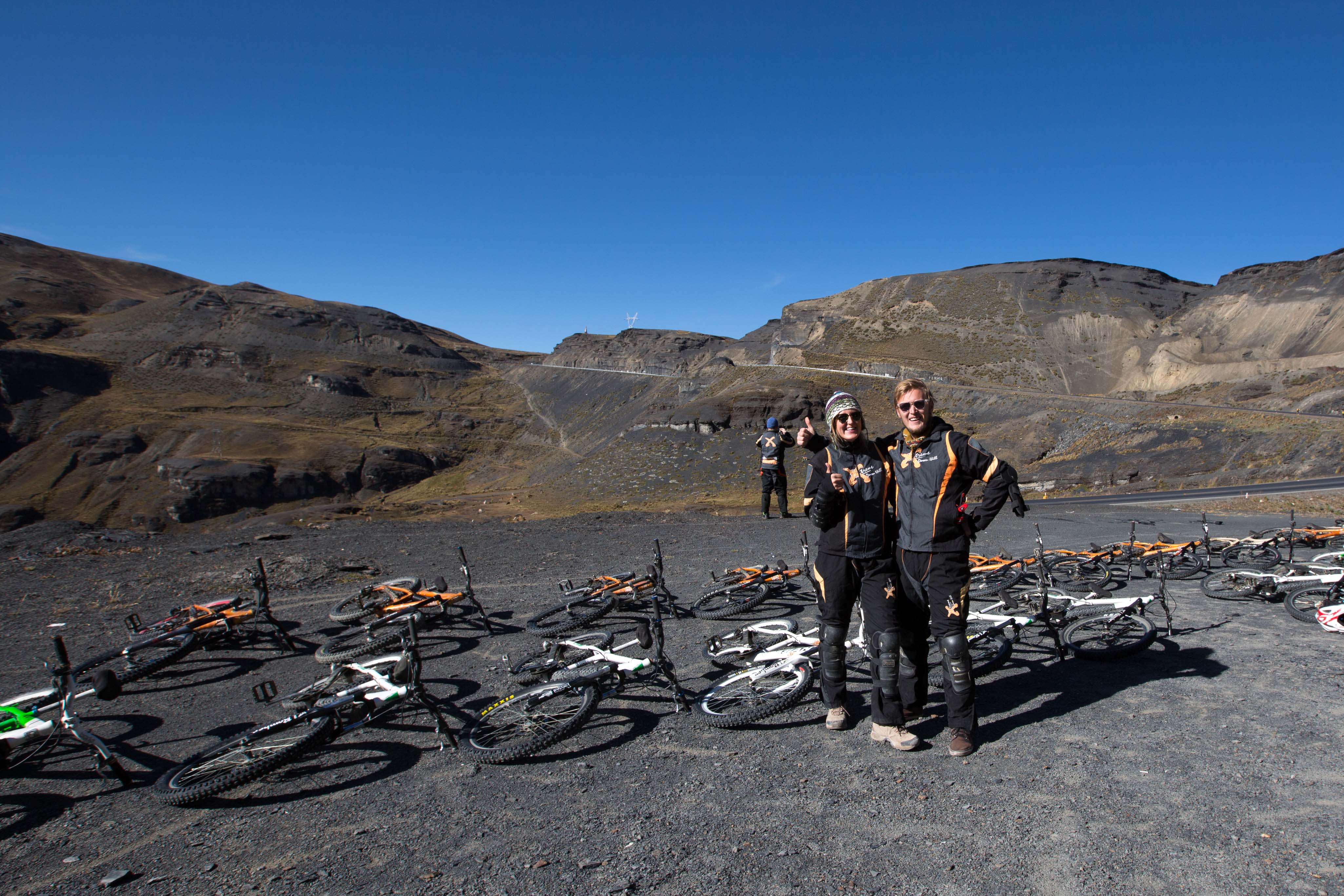
 The first part of the Death Road is now bitumen which is perfect to familiarise yourself with the bike (in particular using your brakes, which are the opposite sides to our bikes at home)! We flew down the hill, trying to pick up as much speed as possible while looking at the dramatic landscape surrounding us. This section helped to boost confidence in your riding abilities as the road was very smooth and wide (plus it had railings that could potentially stop you going over the edge).


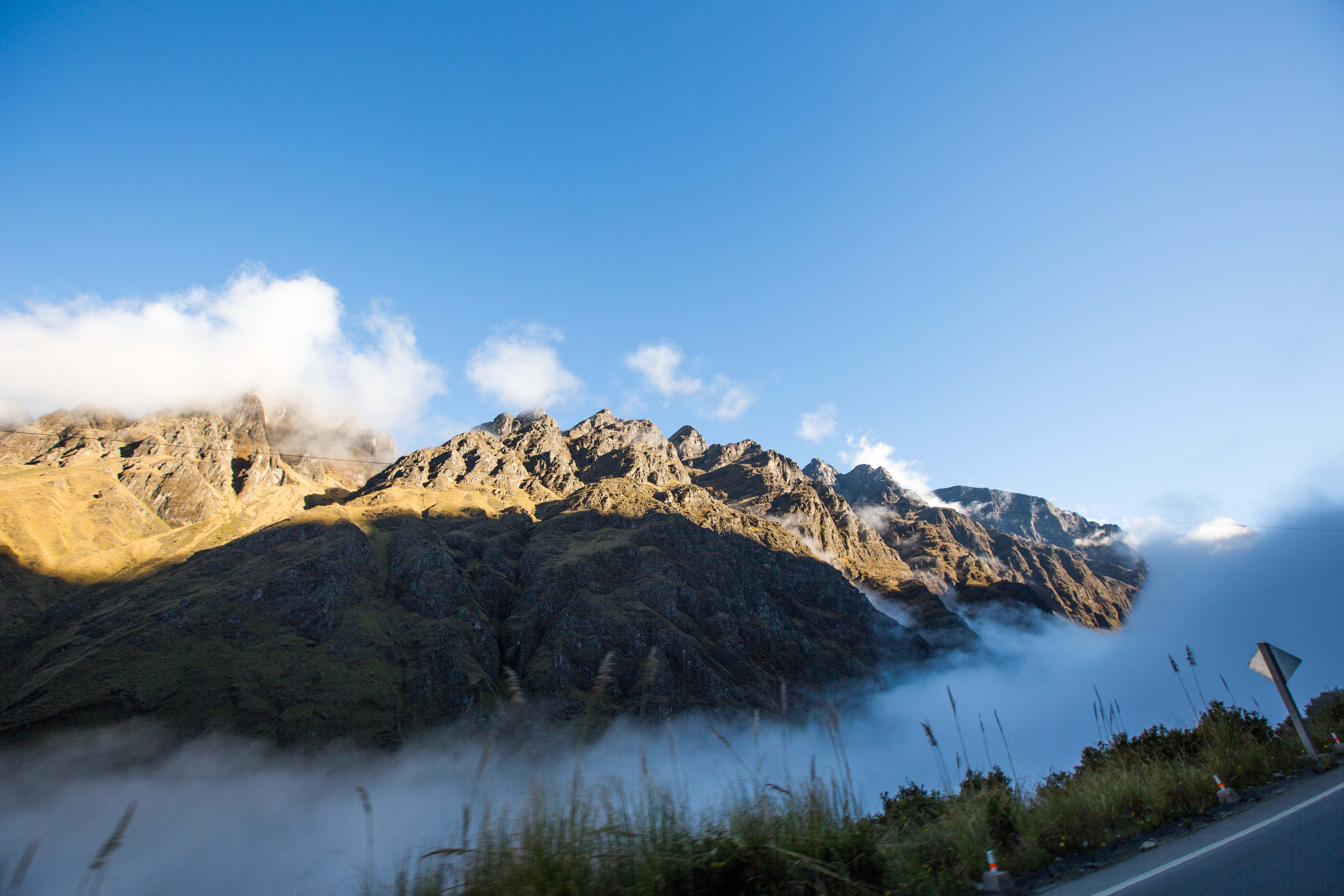
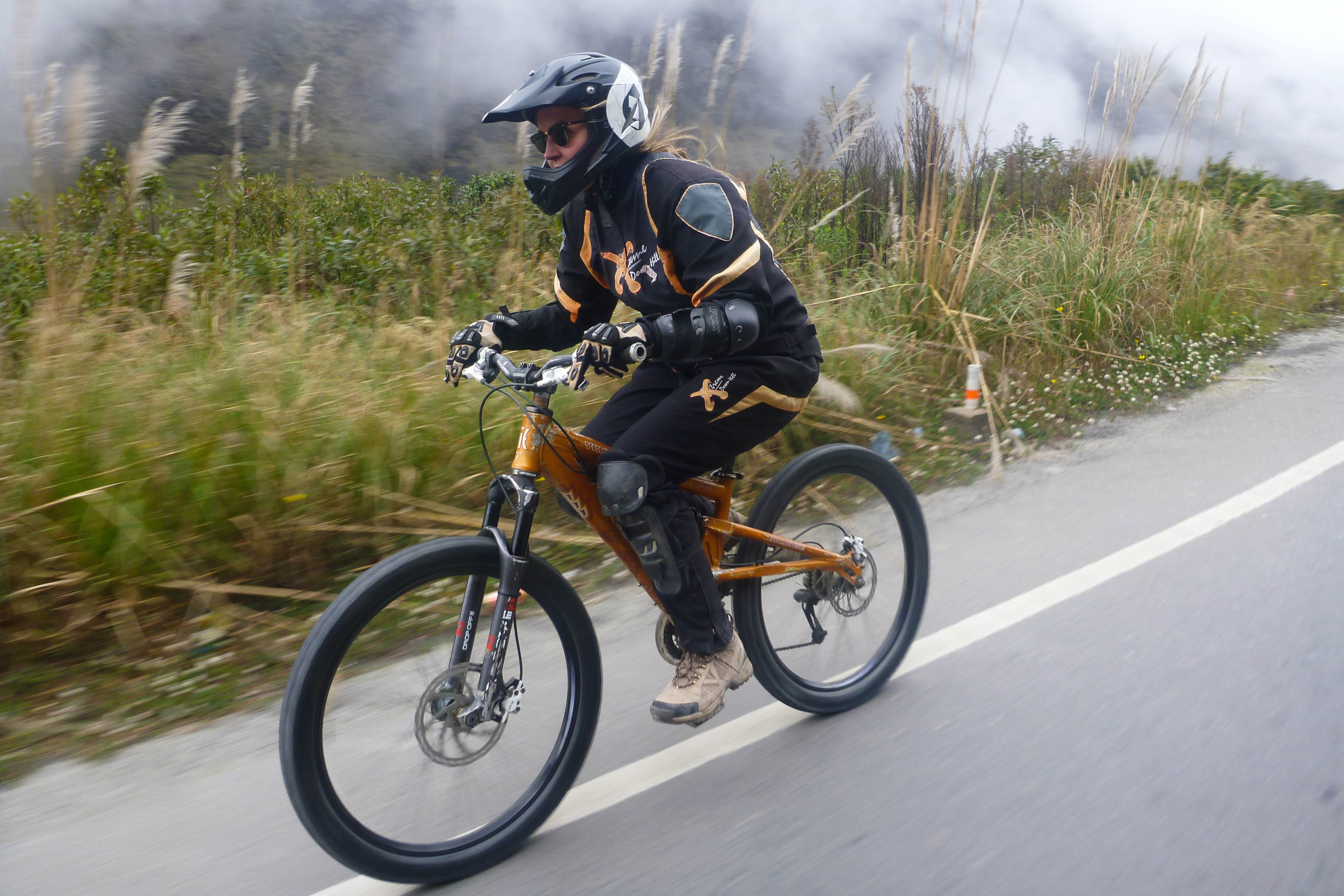 Our first section of rocky road and that confidence was lost as we bumped and slid across the rocks (or in the case of one Brazilian girl, totally ate s#!t)! We then had a quick ride in the van again to avoid a boring uphill section before arriving at the REAL Death Road. A quick briefing and we were free to begin descending – from 4700 m above sea level, in a matter of hours we would ride to just 1700 m above sea level. The cloud was incredibly thick and in some ways perhaps this made it slightly less daunting as we couldn’t see the staggering drops off the cliff. Not to mention that rather than hugging the mountain side of the road you are advised to stick to the left (closest to the edge) as any vehicles coming up will be on the inside! We commenced slowly but realised you have to be pretty special to fall off your bike and opted for flying down as fast as we could go!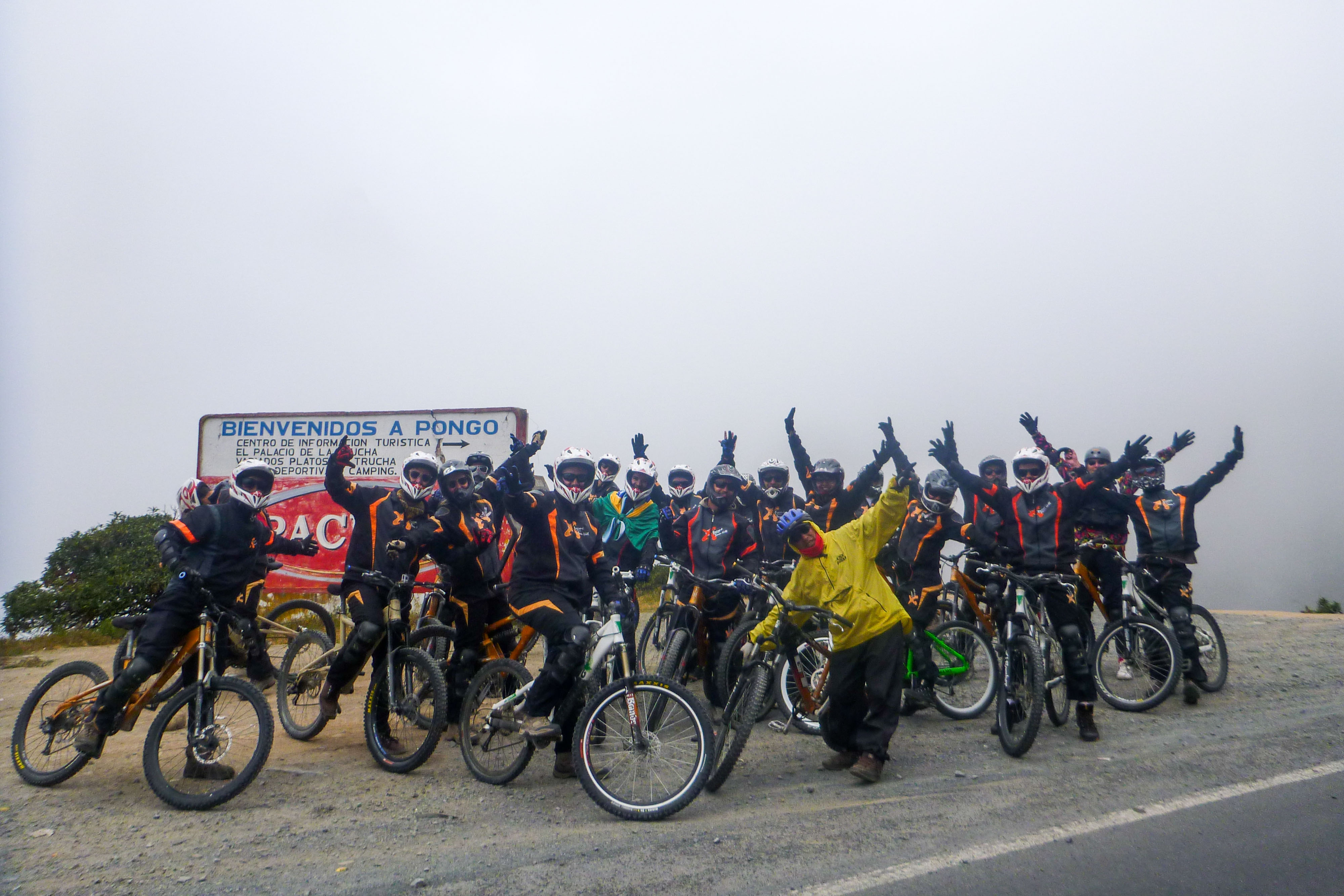

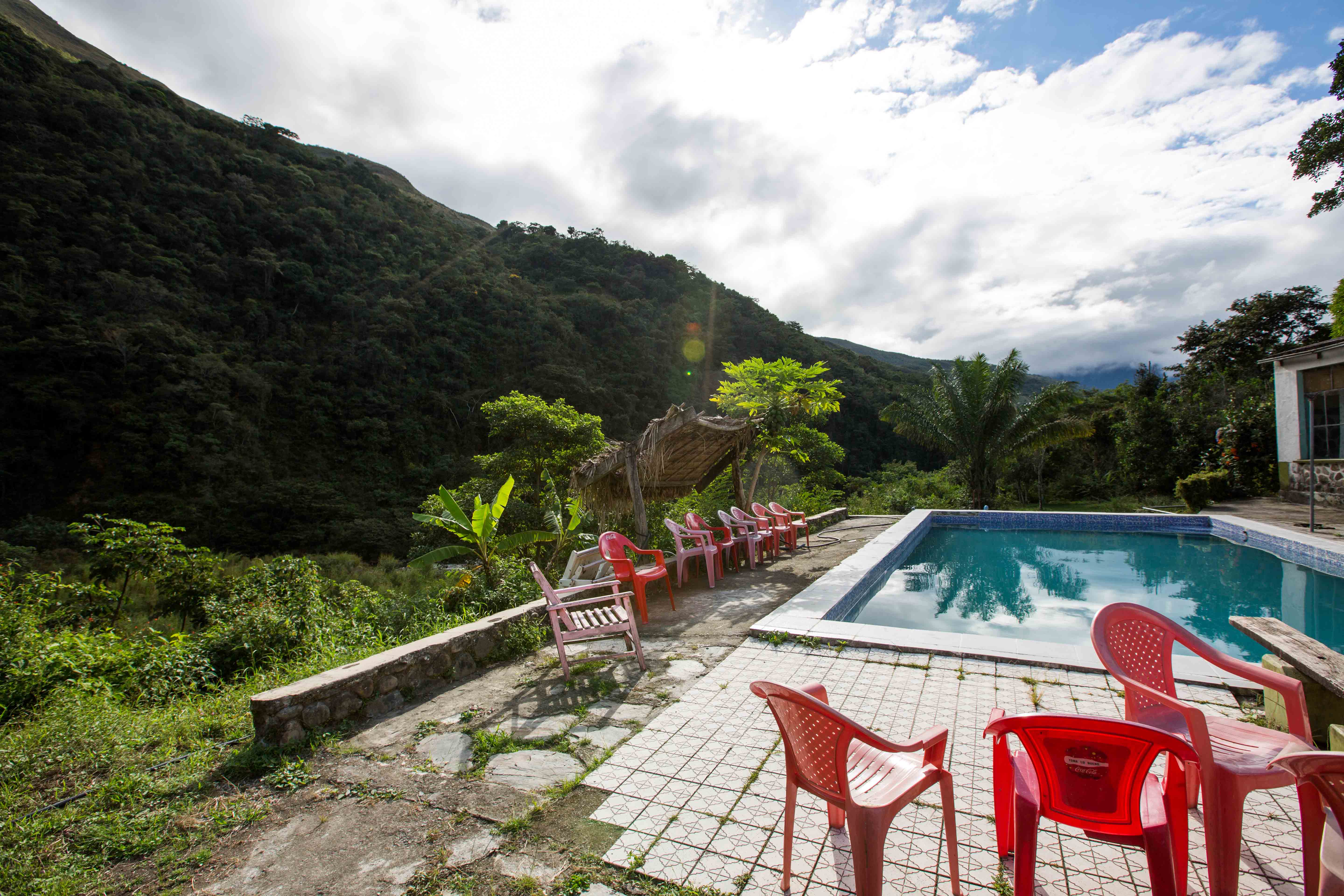
 At it’s thinnest, the road is literally JUST a car width across. There is now a new road built so the original road is used predominantly for bike riders/tourism but just imagining what it was like when cars, trucks and buses used it is scary enough, let alone the fact that a number of vehicles did actually go over the side! For the most part, it was completely exhilarating rather than scary and in sections where it opened up wider you could really get your speed up. Occasionally the cloud would break and we peered over the edge realising that there really wasn’t much between you and a 1000m drop. We also had to stop ourselves occasionally just to take in the view – so much of the time you are fixated on the uneven road in front of you that you forget just how beautiful your surroundings are. In contrast to the never ending brick buildings and dry, polluted air of La Paz, the Death Road takes you through green jungle and large valleys, with waterfalls trickling beside you. After having been quite unwell in La Paz, it really was the perfect antidote.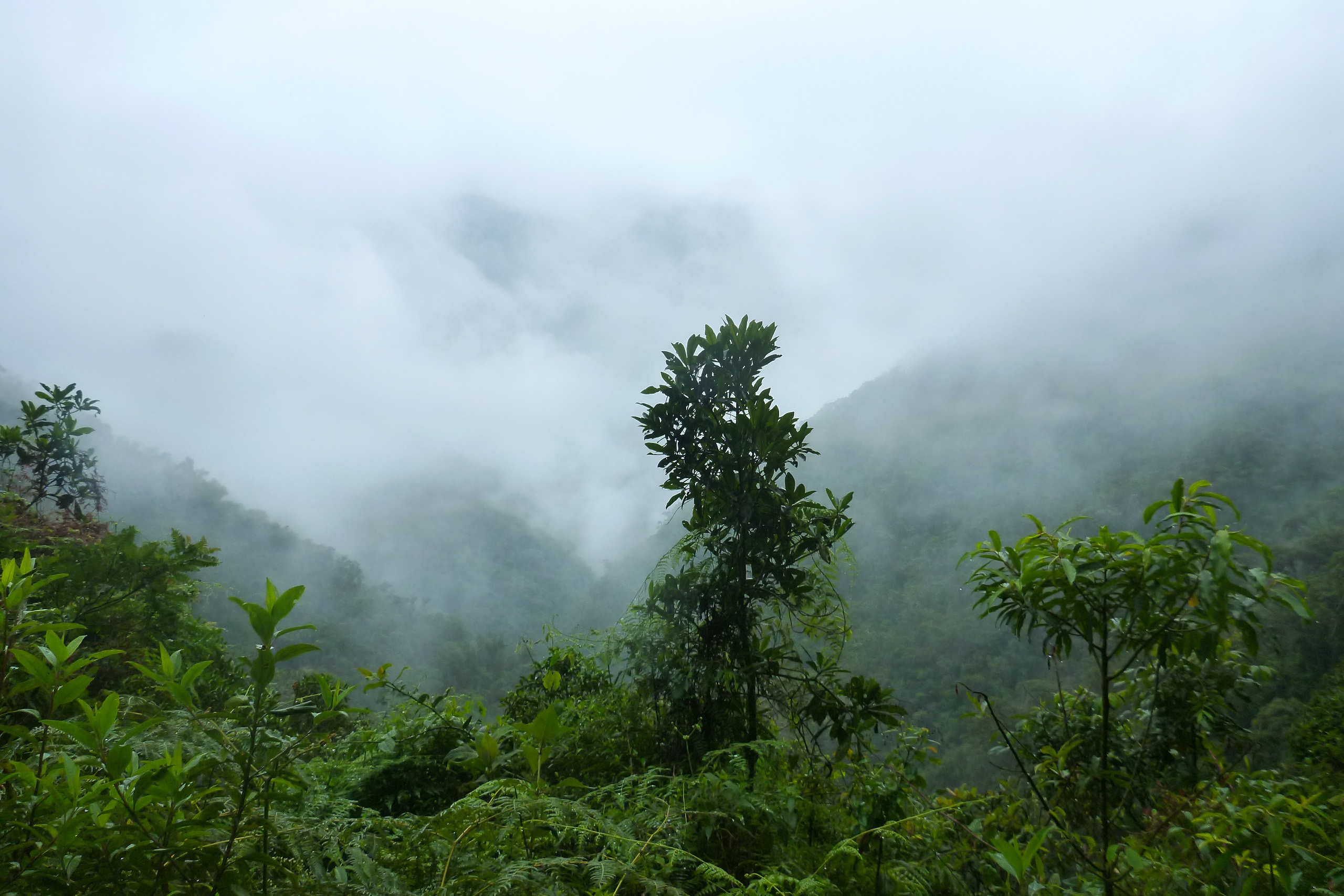

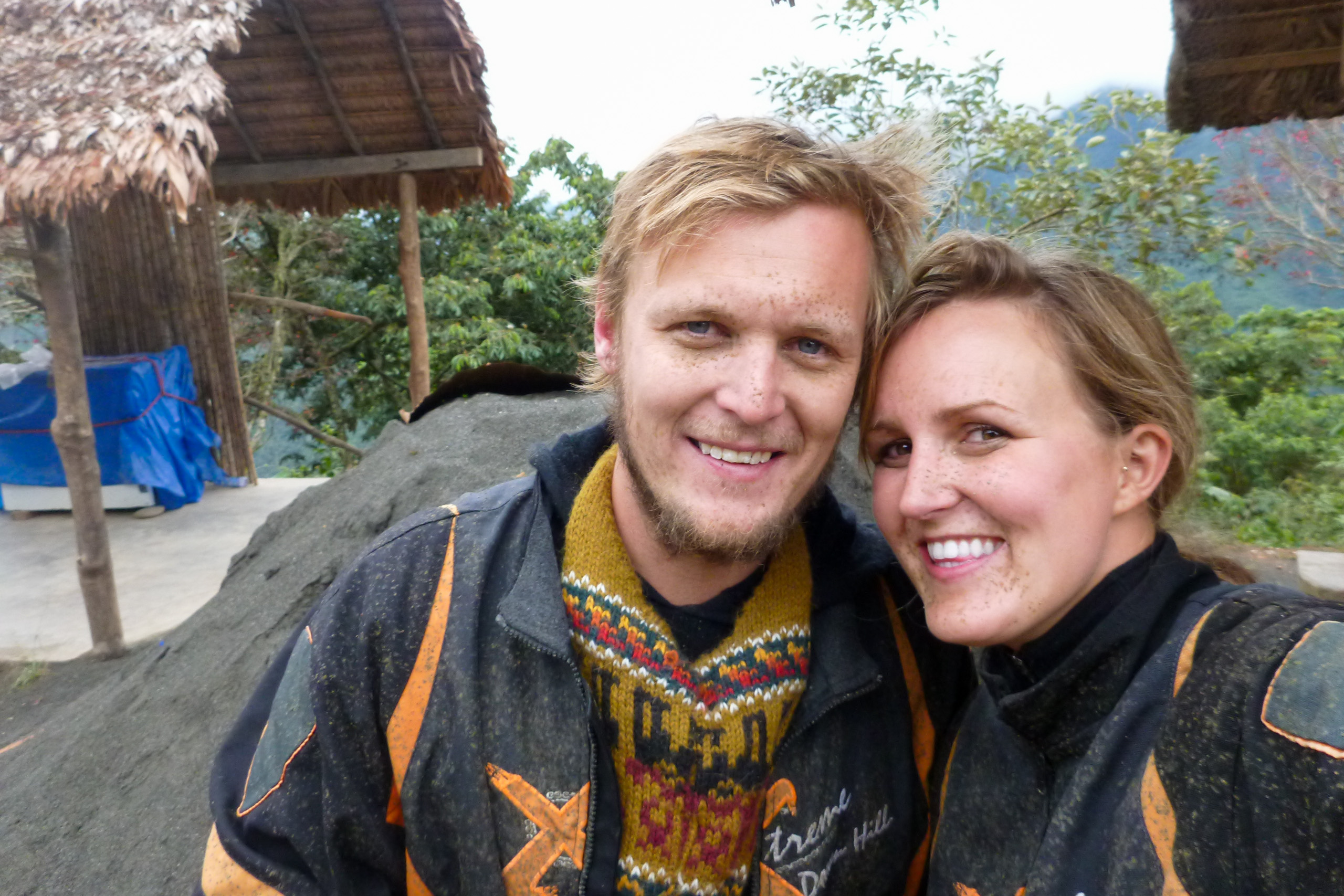
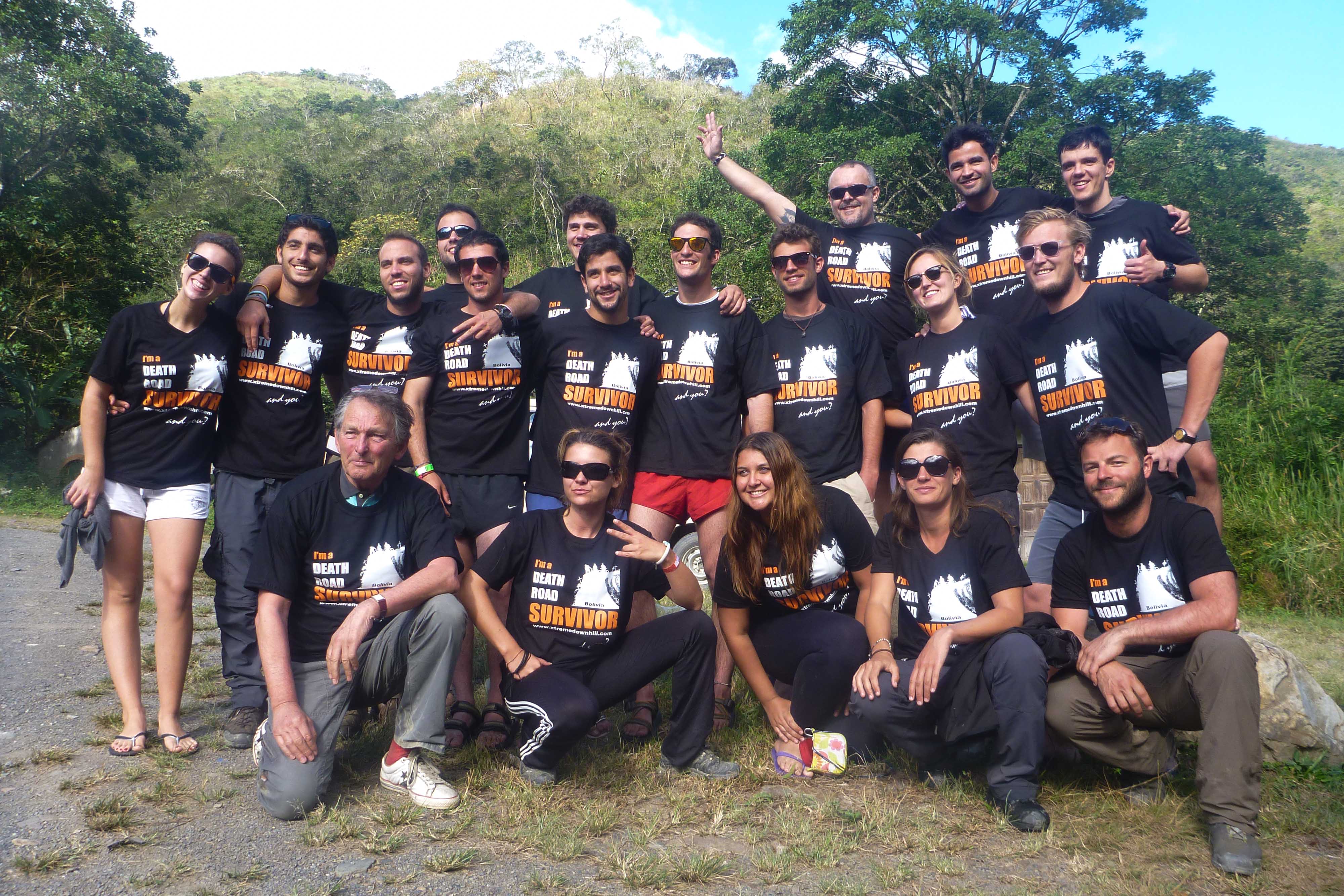
 With the final stretch complete we arrived in a small town where we stopped for a well earned beer. We had officially survived Death Road (and had the t-shirt to prove it) and with lunch and a quick swim it was time to return to La Paz. We piled back in to our minibus and began our journey back up the new alternative road which was a relief as we had been warned that due to roadworks we may have to go up the original road and were not necessarily thrilled with that idea. Nevertheless, it didn’t make much of a difference as driving up the new road our whole van of Death Road survivors sat on the edge of our seats as our driver sped through clouds of fog, overtaking trucks at any given opportunity with no visibility of what was in front of him. We may have survived Death Road but we were seriously lucky to have survived that car ride and it was without a doubt the scariest part of the day!
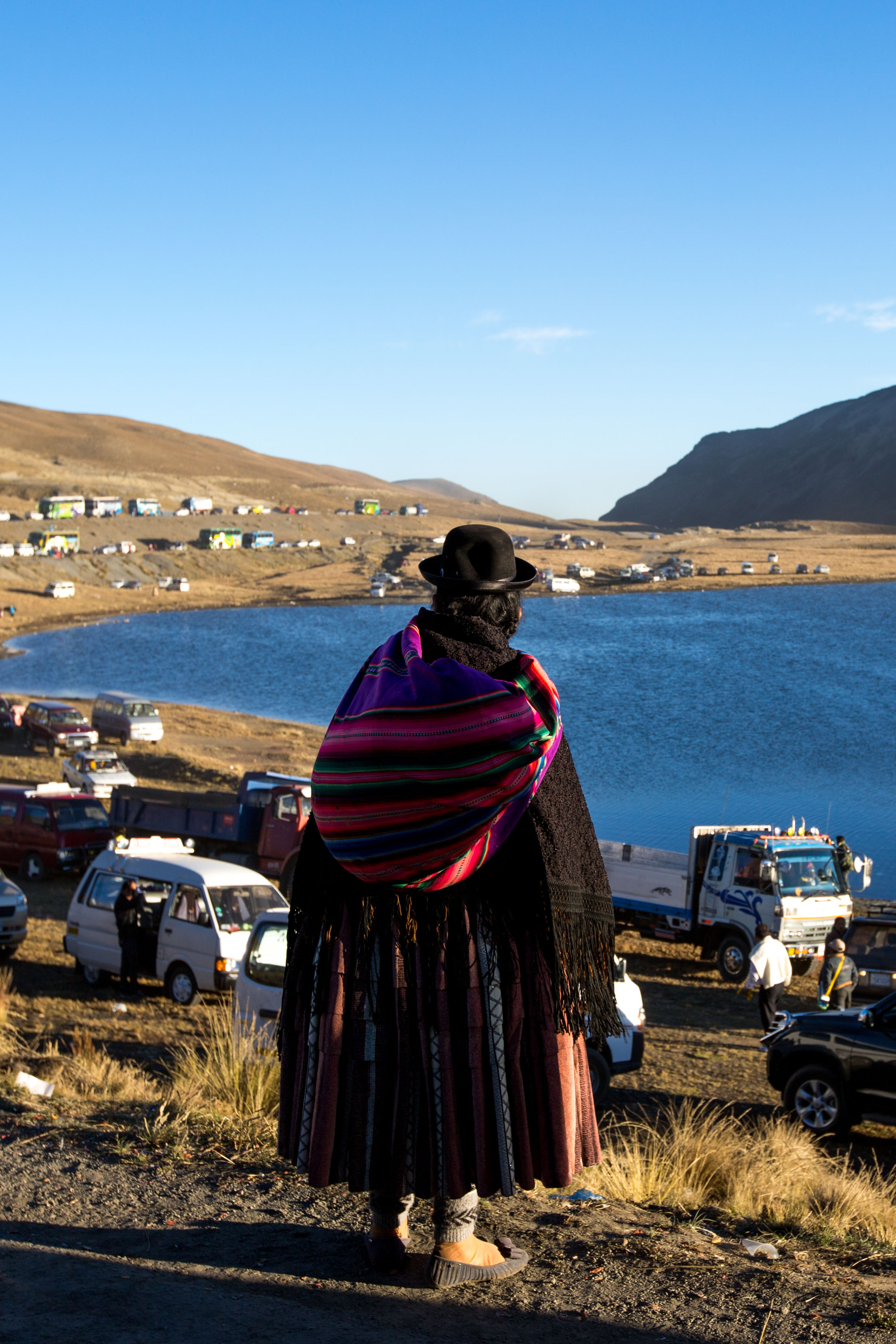
 With one day remaining in La Paz we decided to hit the markets. The streets are absolutely filled with Bolivian women dressed in their traditional outfits, bowler hats and long braids, selling everything from alpaca magnets to gigantic handmade rugs – and so ridiculously cheap! We couldn’t help ourselves and stocked up on our share of alpaca wool goods (with a 100% baby alpaca jumper costing a small $14) as well as beautiful large rugs, resulting in a whopping 21kg of items being sent home from La Paz. Love it or hate it, La Paz is quite the experience and in some ways I feel like perhaps we only scratched the surface. It is a city I find hard to describe as in many cases it seems neither one way or the other but rather a city left open for interpretation and you either get it or you don’t.
Tag: Will Horne
SUCRE
We were rather keen to leave Uyuni and were on a bus to Sucre first thing the next day. I’m not sure we could have anticipated just how much of an adventure that would be!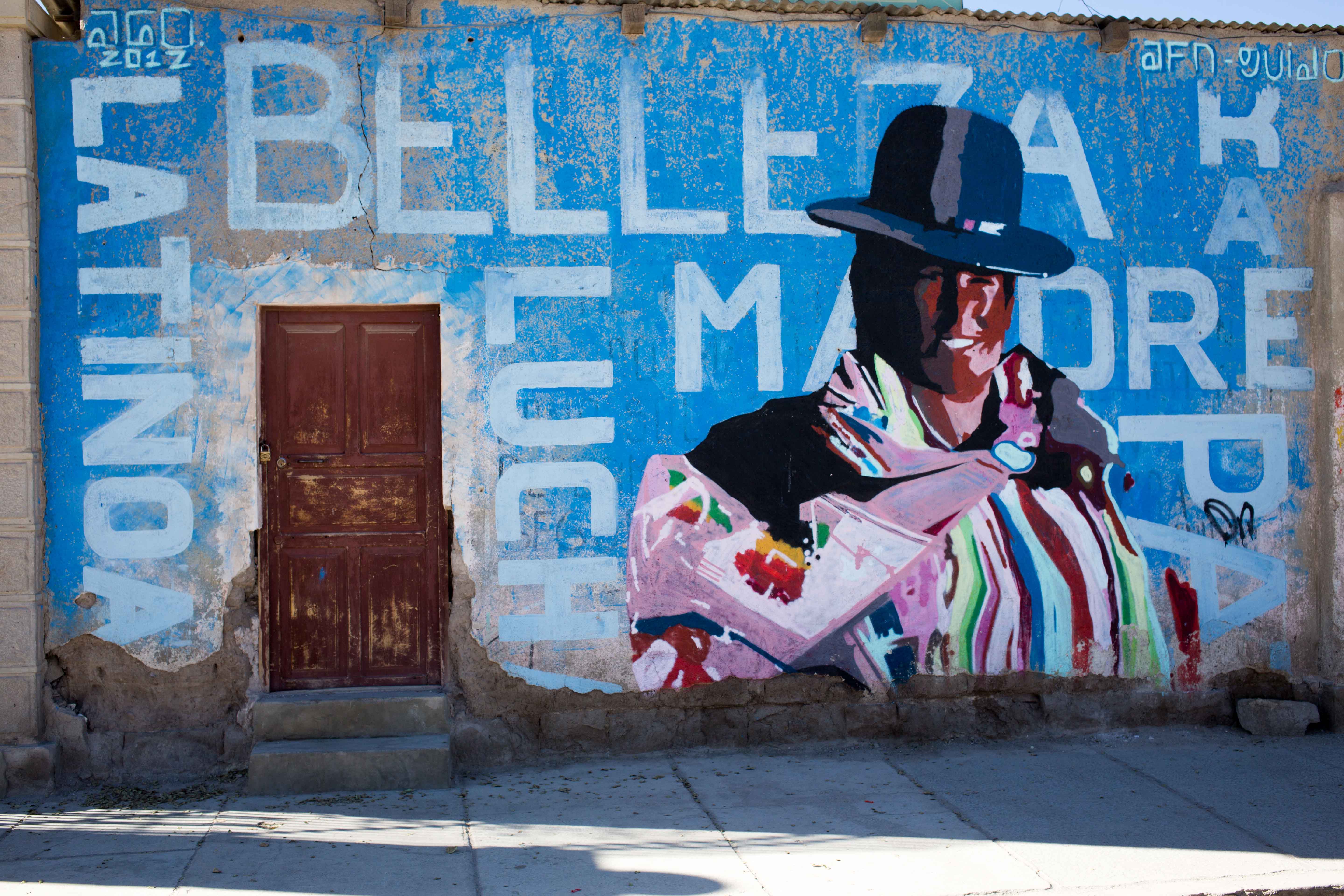

 As we approached the town of Potosi (a stopover on the way) we quickly realised there was a problem with our bus turning around and heading a different direction. As we continued up another road, our driver stopped the bus and looking ahead we could see there were trucks blocking the road. Before we really had any idea what was going on we were all off the bus and on the streets of Potosi, our bus driver giving us no real information but suggesting that we walk to the bus station ourselves! We began walking uphill in to Potosi, realising quickly that walking uphill in the highest town in the world takes slightly more effort than a stroll in the park. After multiple attempts to get a taxi, we all piled into the back of a friendly local’s ute and were finally driven to the bus station. Too bad it was the wrong bus station and we sighed as we were told the one we needed was 40 blocks away.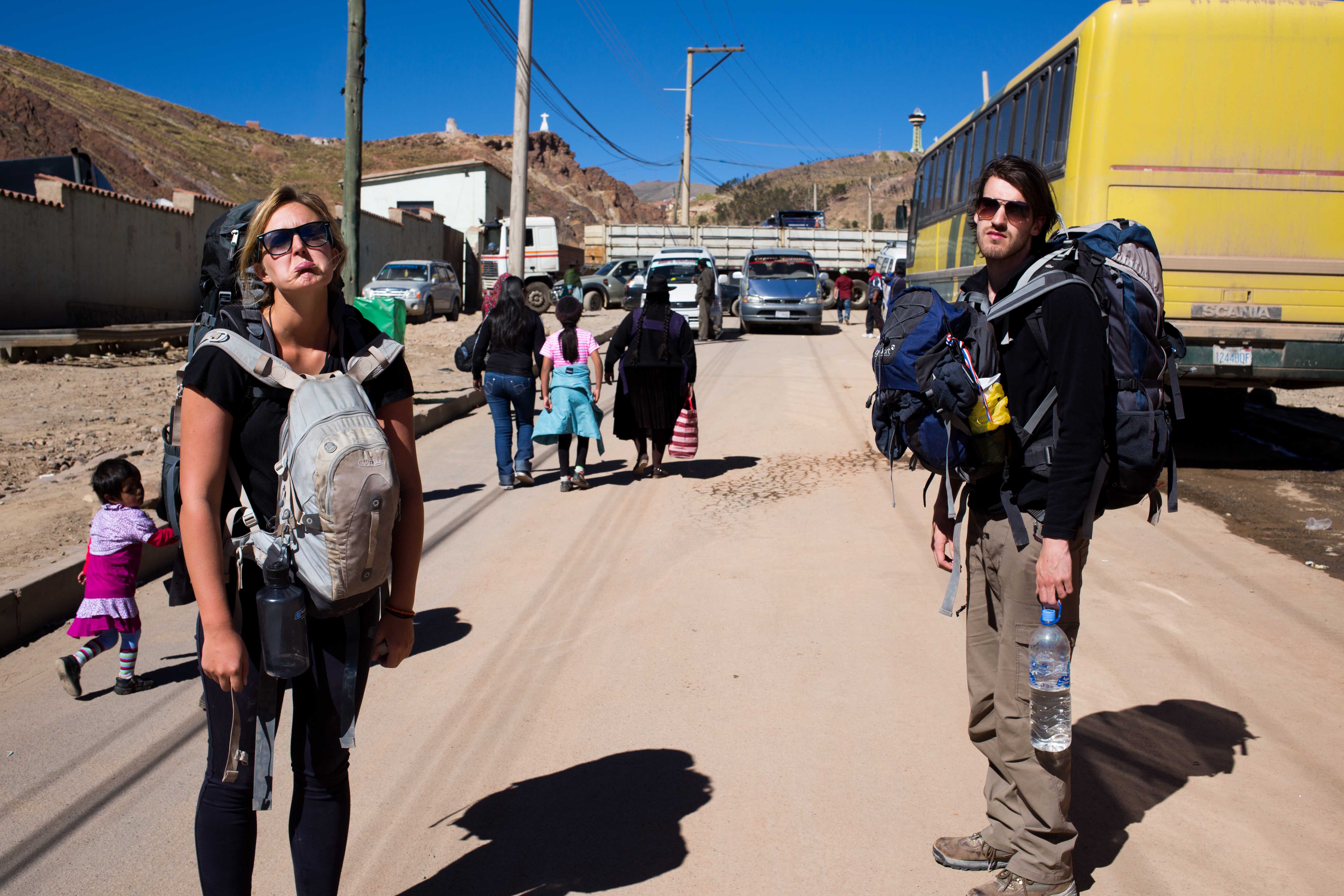
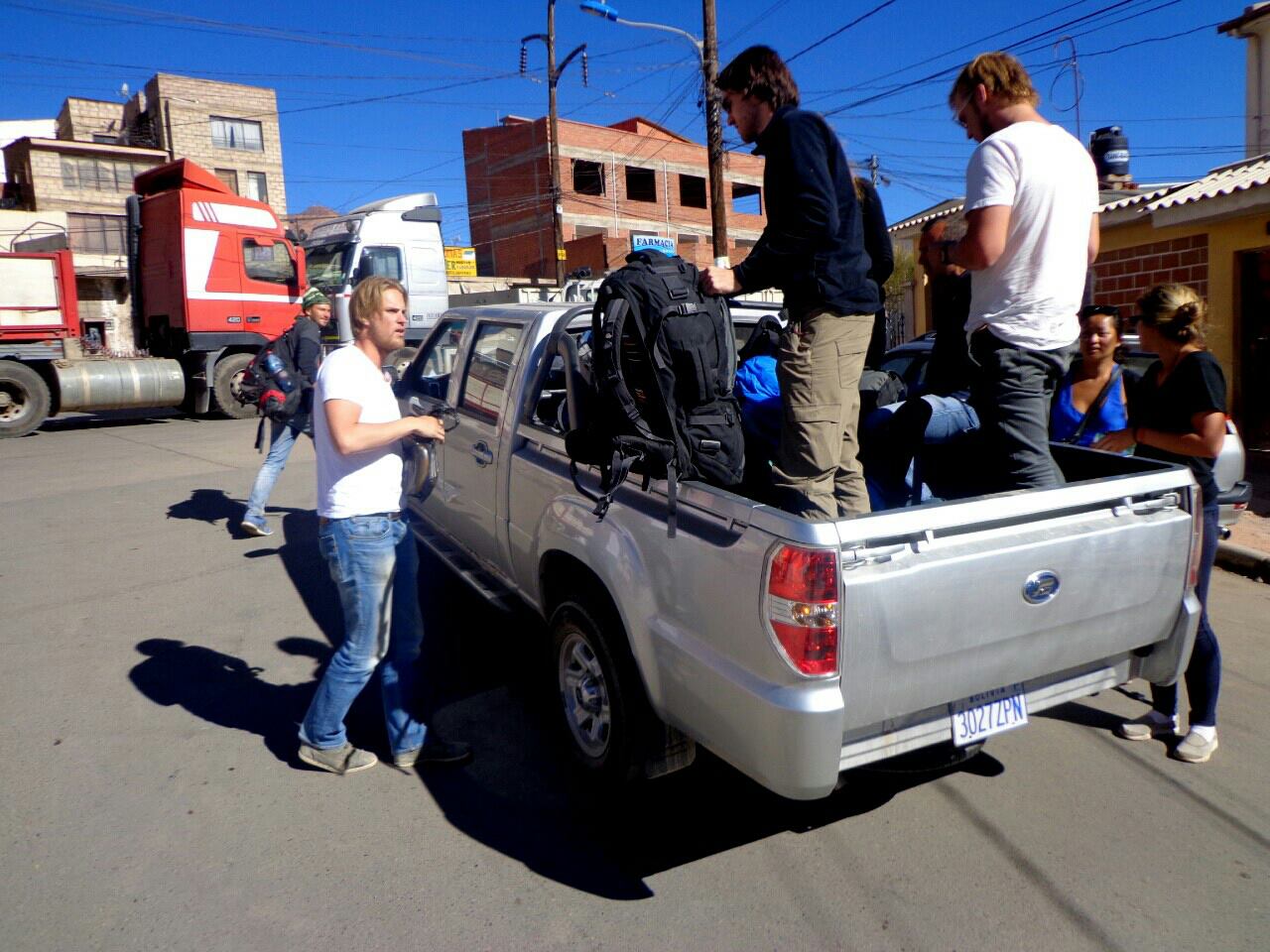 While we pondered what to do next we were approached by several taxi drivers who claimed they could get us to Sucre. In small groups we filled taxis and our driver proceeded to make his way out of Potosi (encountering a road block nearly every second street). Finally, we made it to the highway and were on our way to Sucre! But wait, what’s this? More cars and trucks? You can only take us this far? Arriving to the outskirts of Sucre it was apparent we were dealing with the same problem and we (now as seasoned road block experts), proceeded to walk in to the city. You would think one truck would suffice but no, let’s put 30 odd trucks across the road just in case someone manages to slip through! I wish I had more photos to show just how ridiculous it was! We finally made our way through all of the trucks and with one last taxi ride for the day, we made it to our hostel!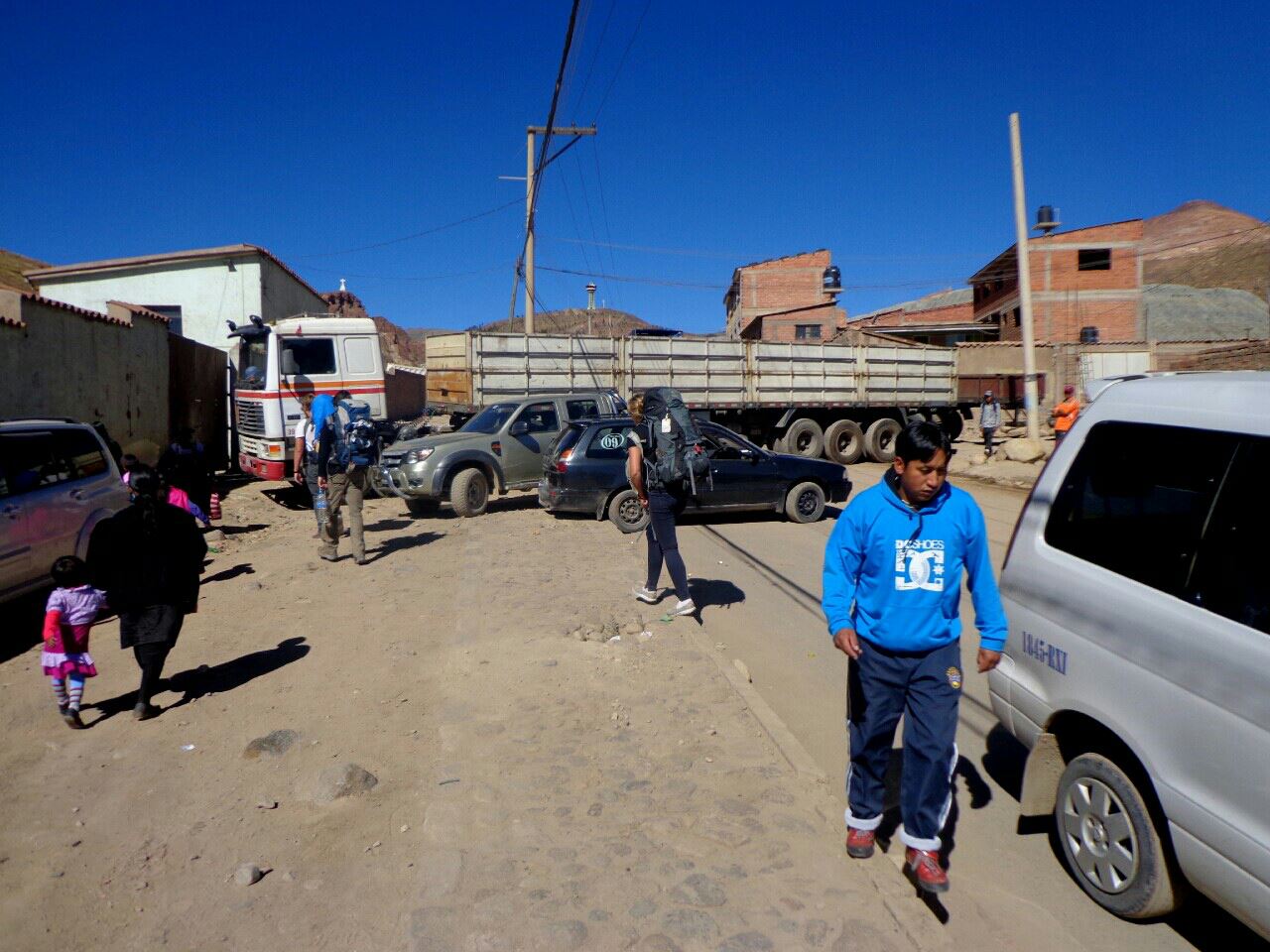
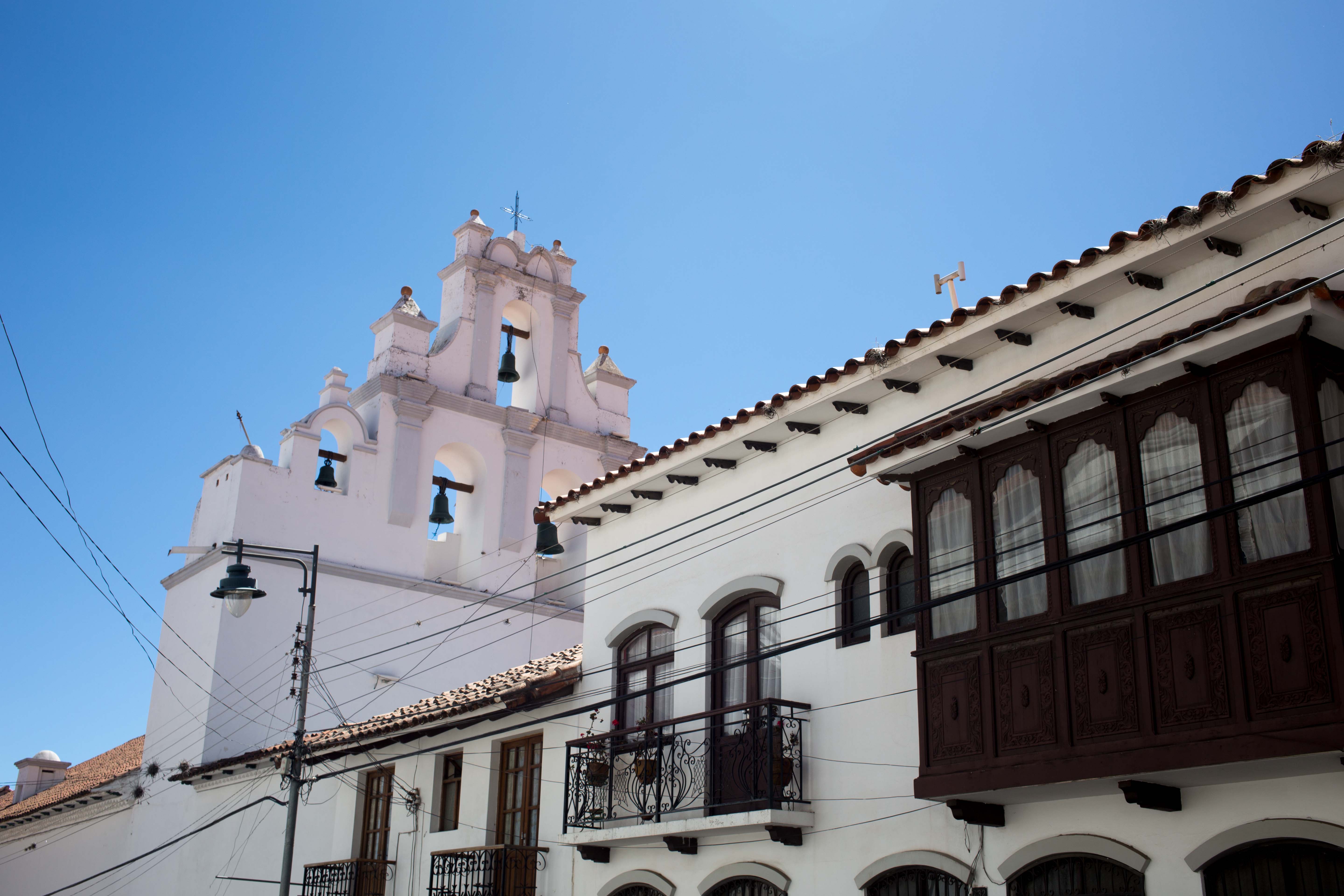
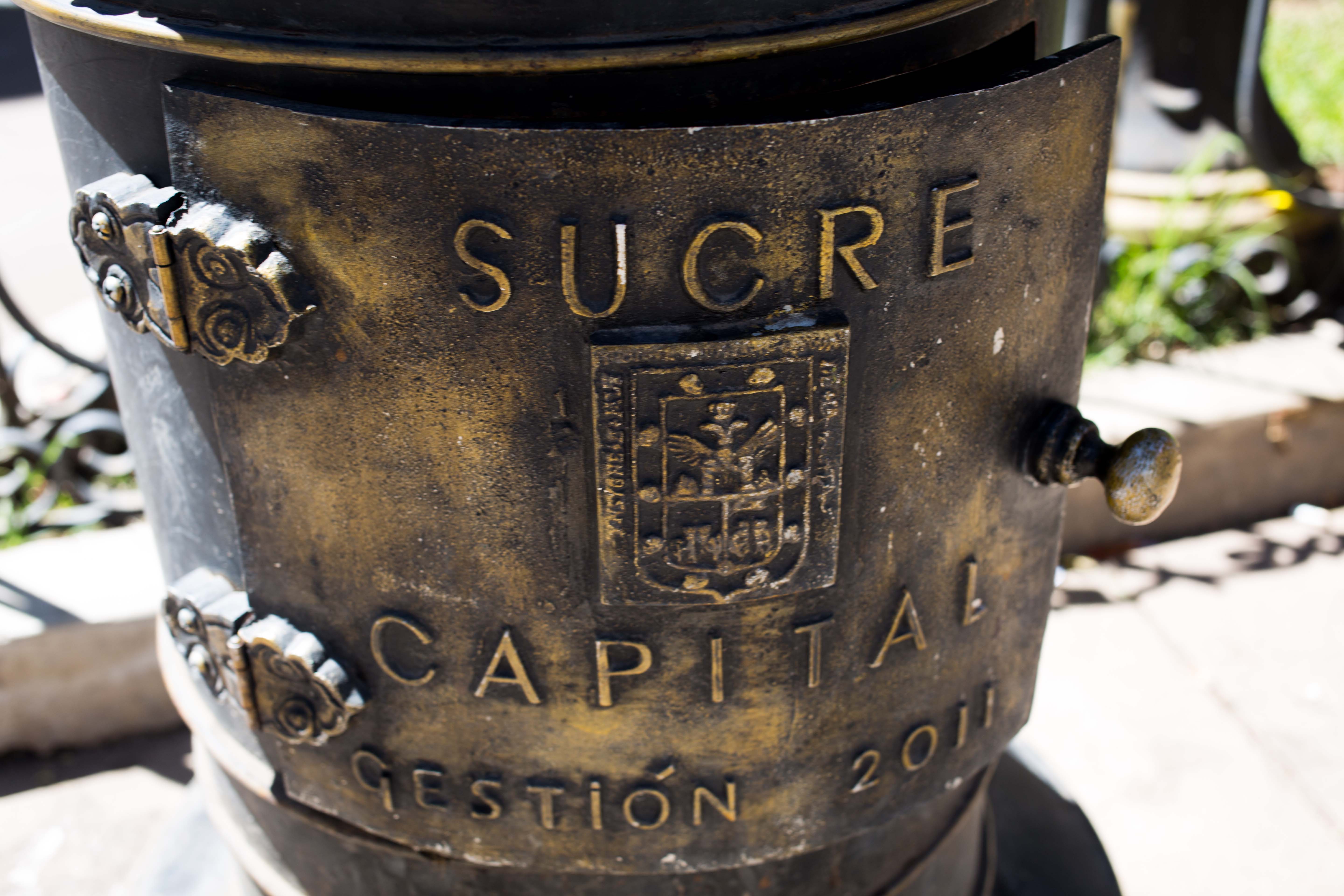
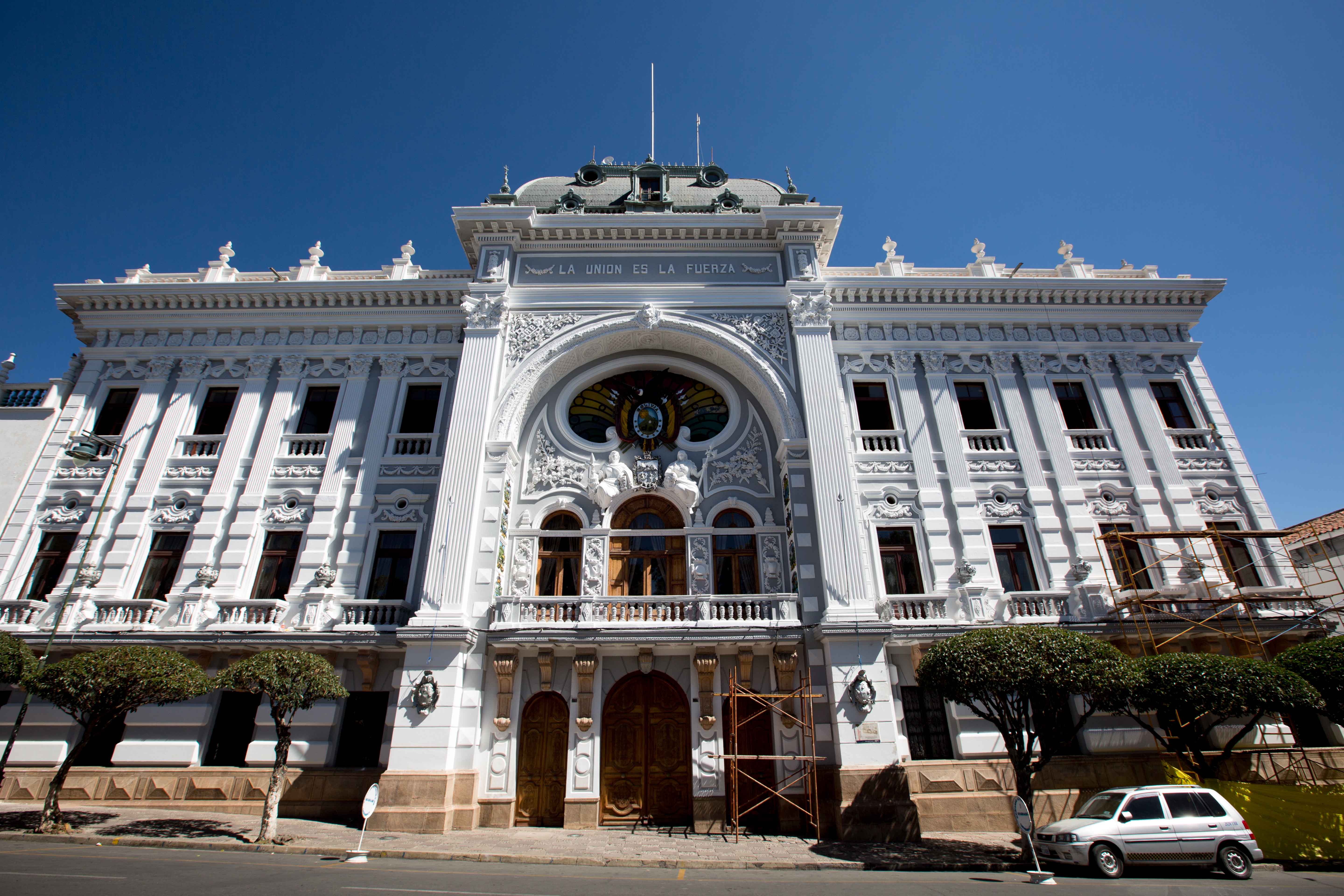
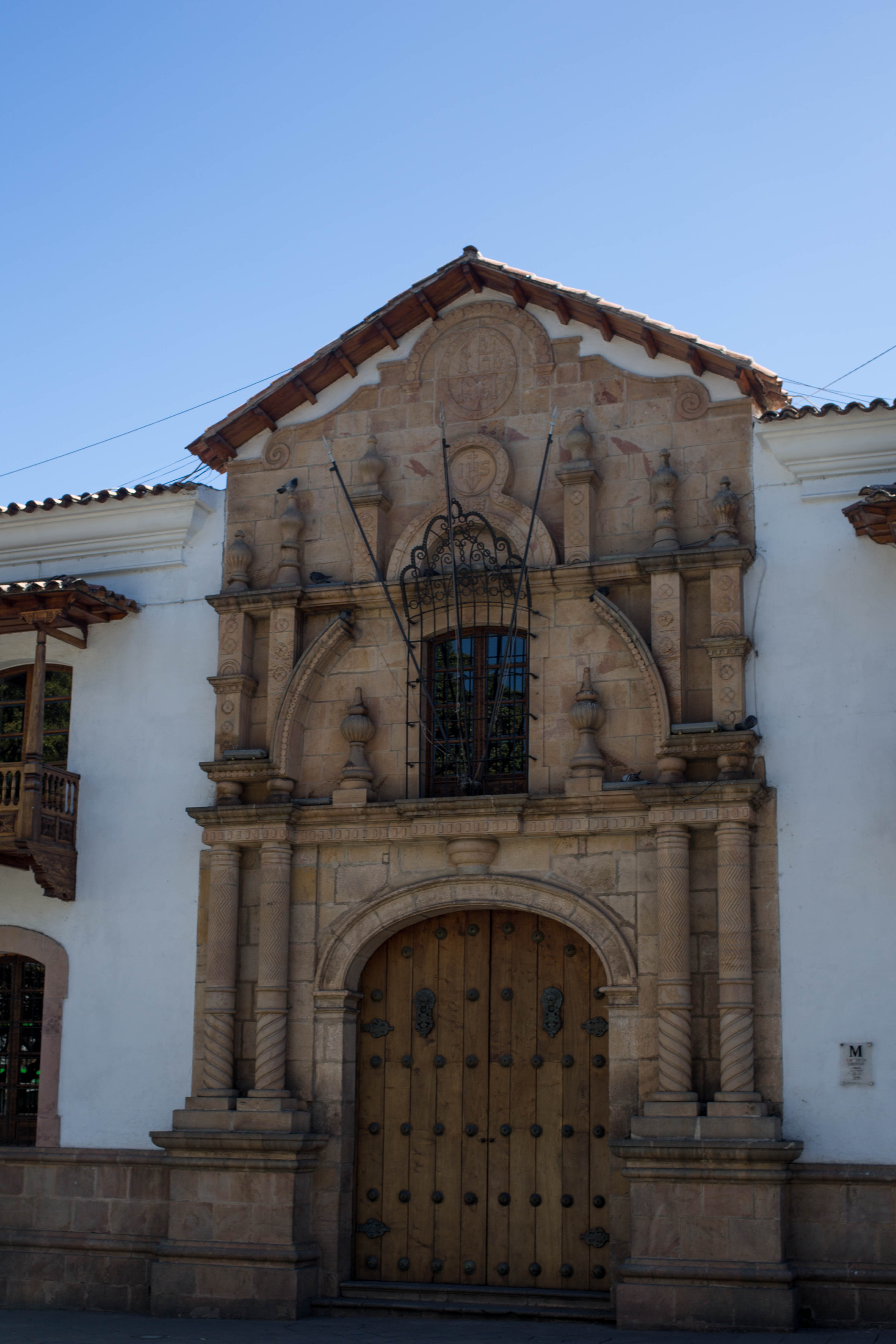
 Sucre is a beautiful city and the constitutional capital of Bolivia (there is actually two capital cities of Bolivia just to confuse you with La Paz considered the legislative and administrative capital). Sucre is also known as Ciudad Blanca, meaning the White City, as bascially every building is painted white, generally with red-tiled roofs and different balconies. It is well-documented as a city where tourists stay a little longer than expected and this ended up being the case for us, staying in Sucre for 10 days (we also didn’t really have a choice with the various road blockages that were taking place)!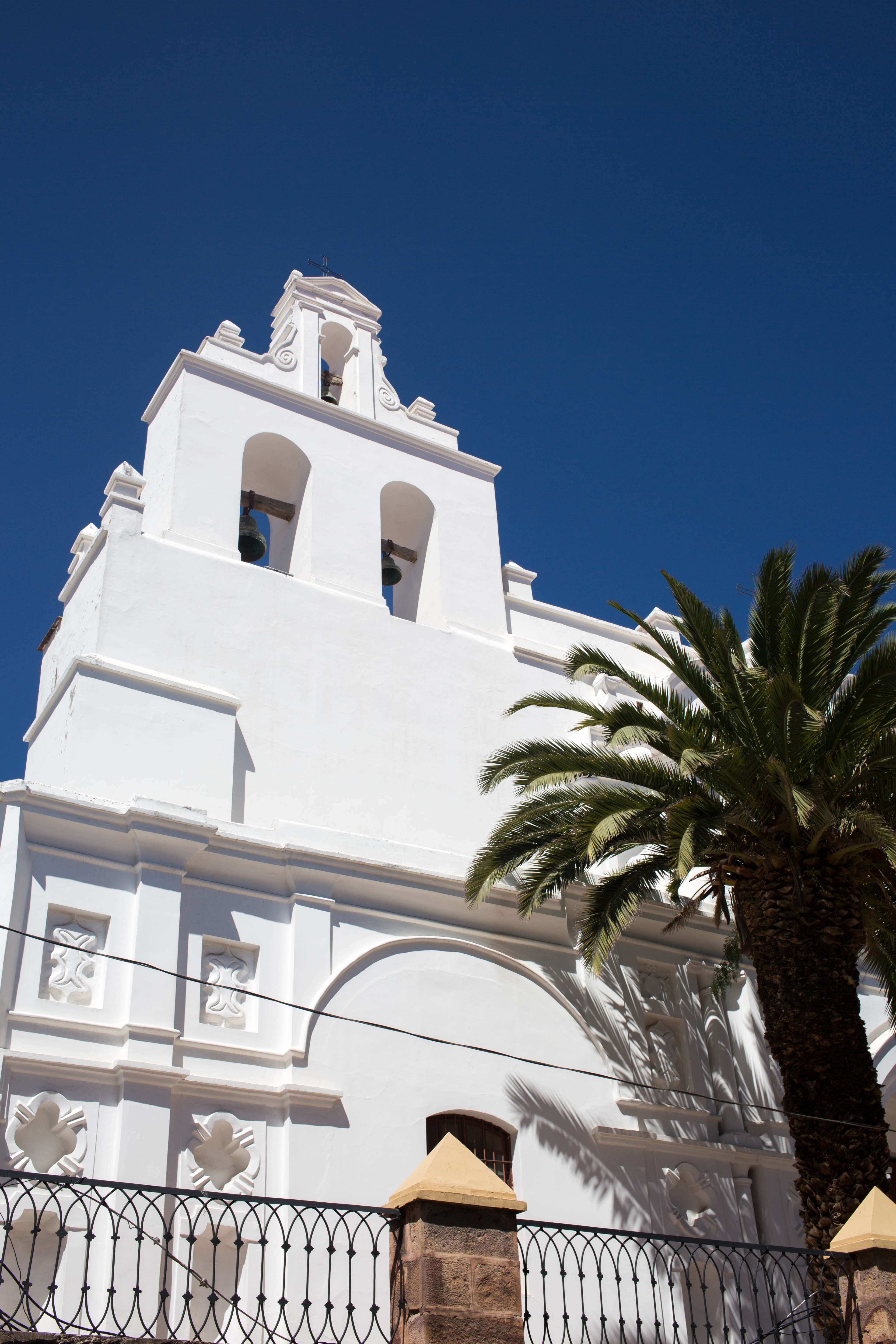
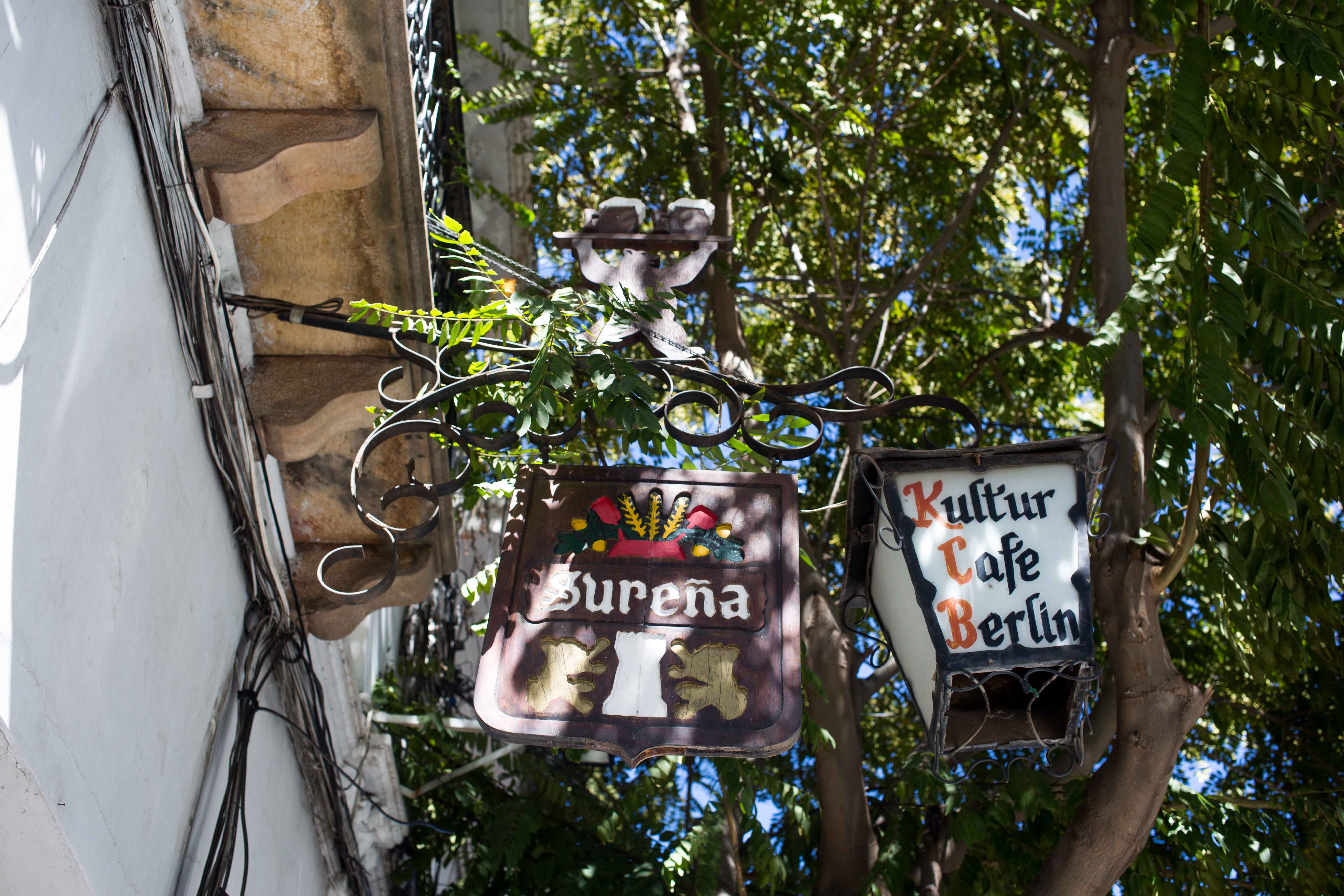
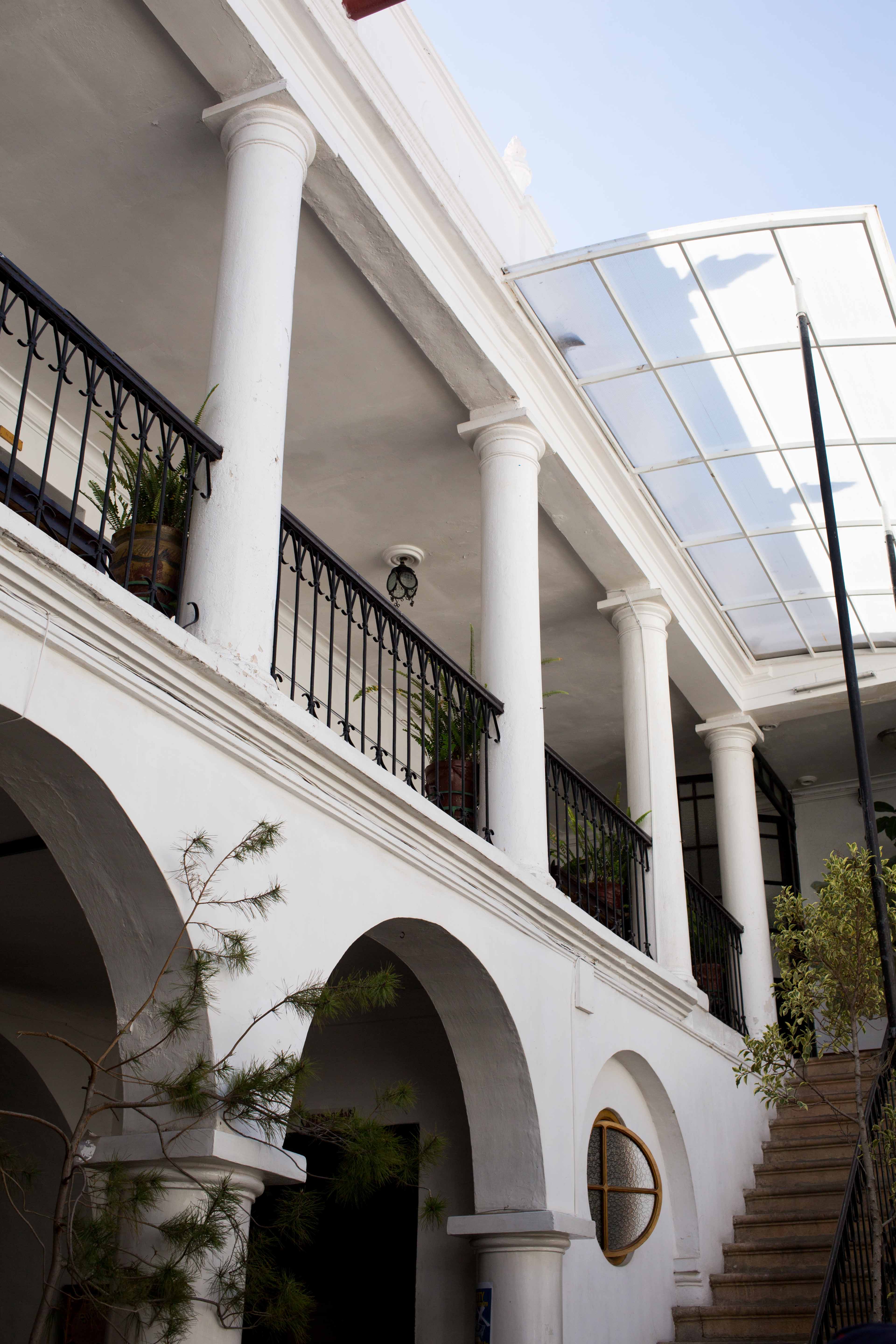
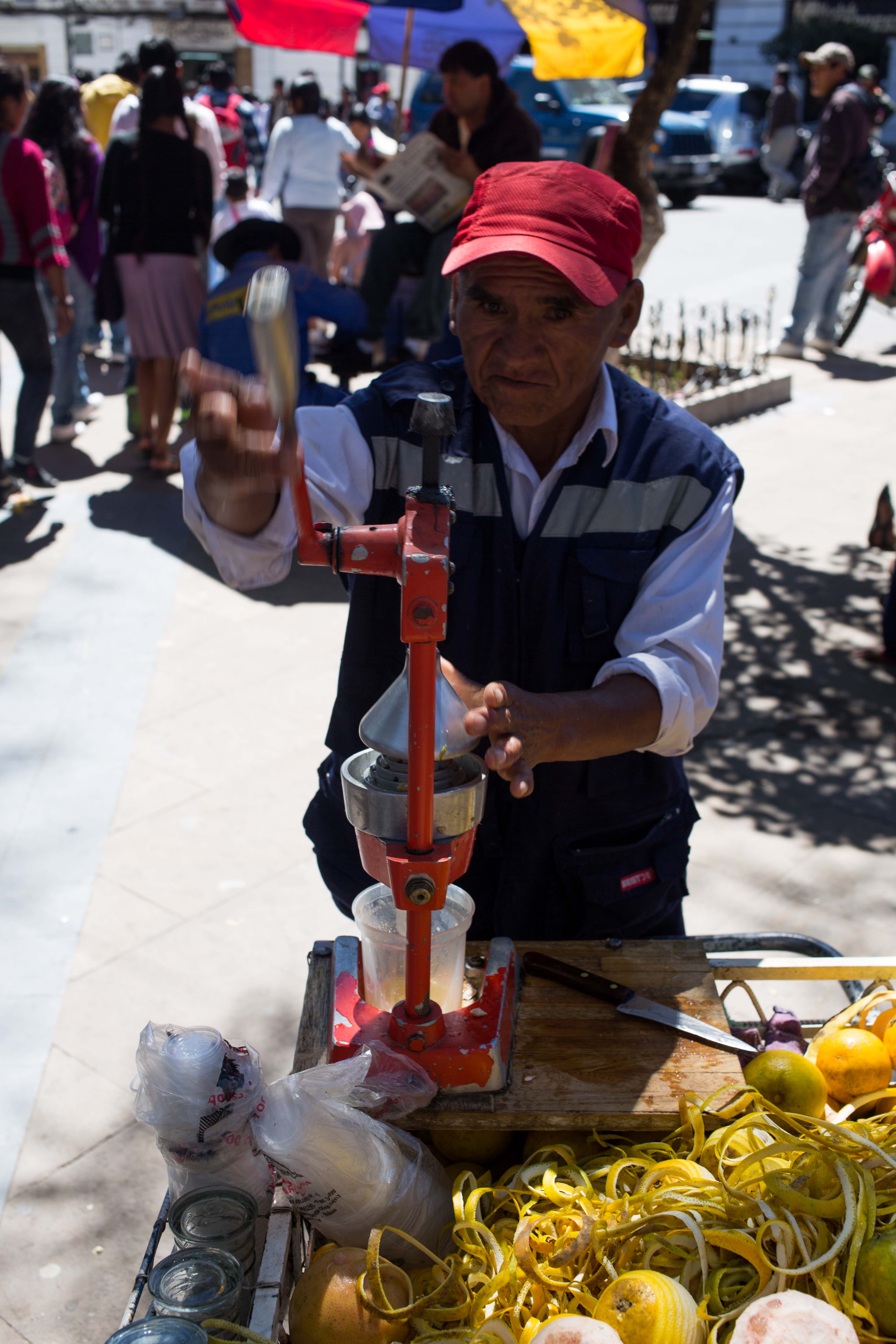
 Our hostel Kultur Berlin was the perfect place to spend some time relaxing. It is ran by a German named Klaus and was in a really pretty Spanish colonial building with an internal courtyard, pub and café. We spent our days hanging out, walking down to the main plaza for a freshly squeezed juice and we even challenged our brains a little with a handful of Spanish lessons. We had a few drinking sessions and enjoyed the flavoursome Bolivian food which was wonderful after the rather bland food in Chile and Argentina (although Niels and I did feel a little sorry for ourselves after one restaurant outing that had us sick in bed for two days)!

 We also frequented the Mercado Central, which was fantastic for people watching and walking the many aisles filled with fresh produce. There is an incredible amount of fruits and vegetables for sale, so much so that I think it would feed the whole of Sucre 100 times over! Everything is really cheap and it is hard not to stop for a quick taste test of an avocado or mango, which for the sake of roughly 50 cents you then just have to buy!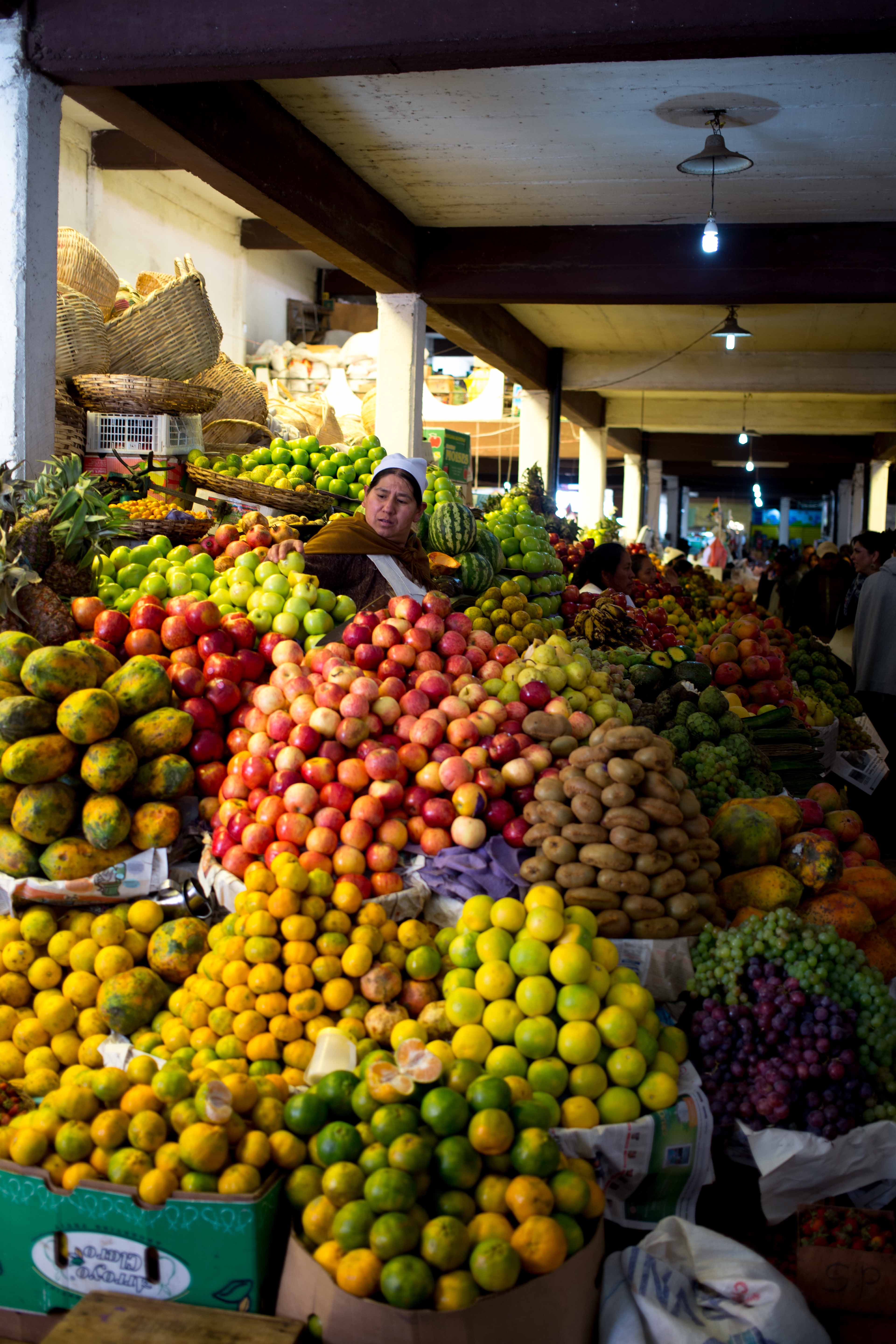


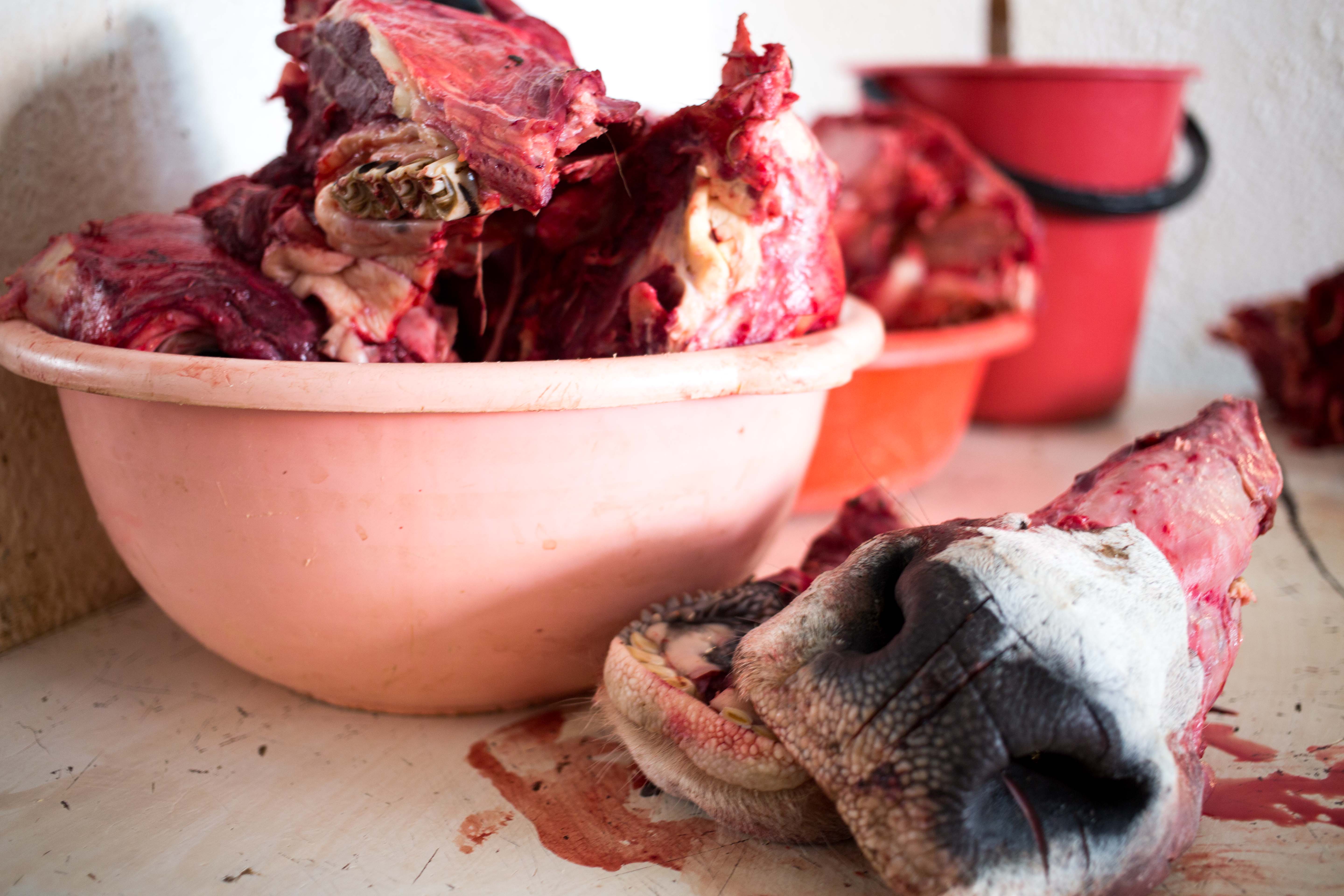
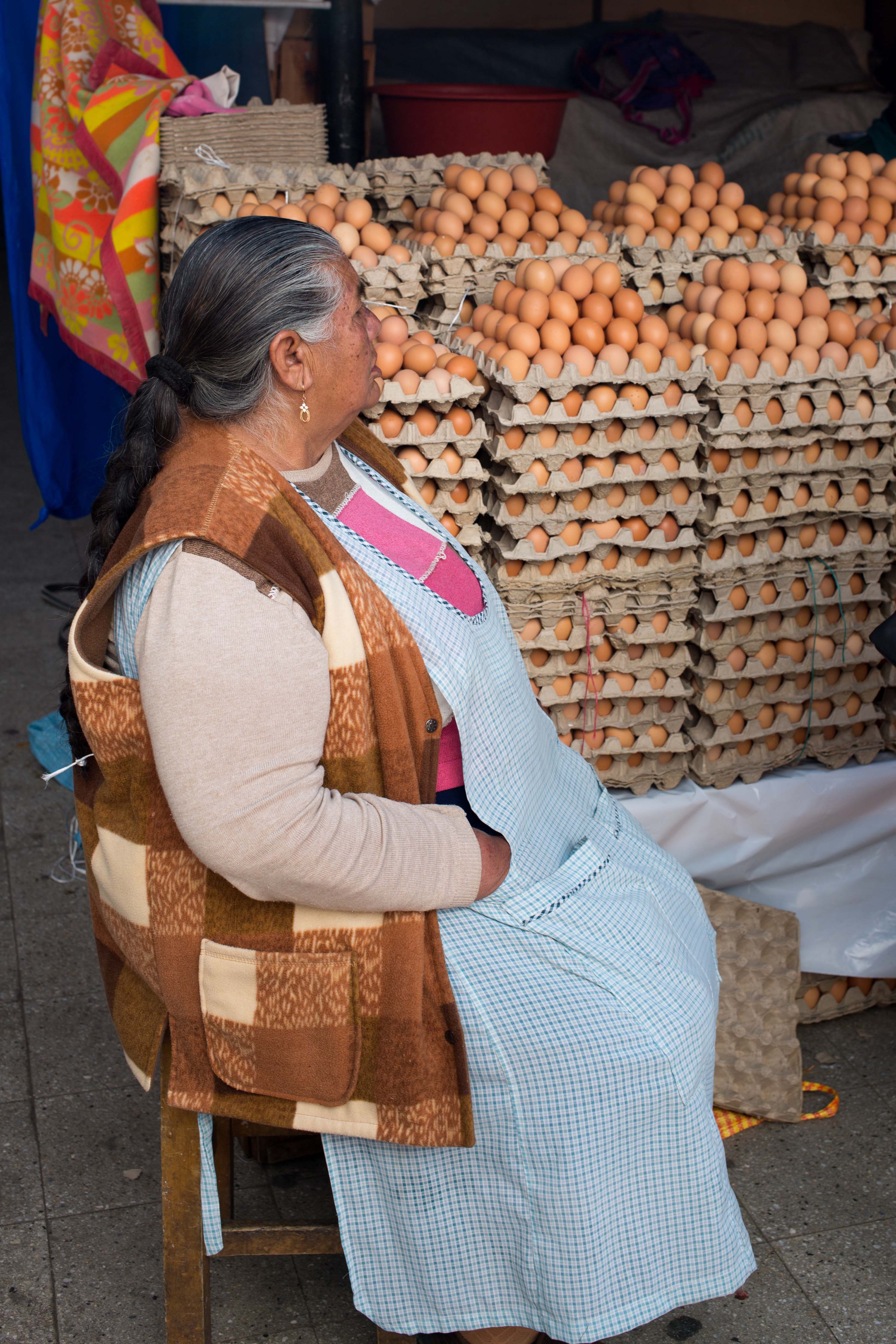
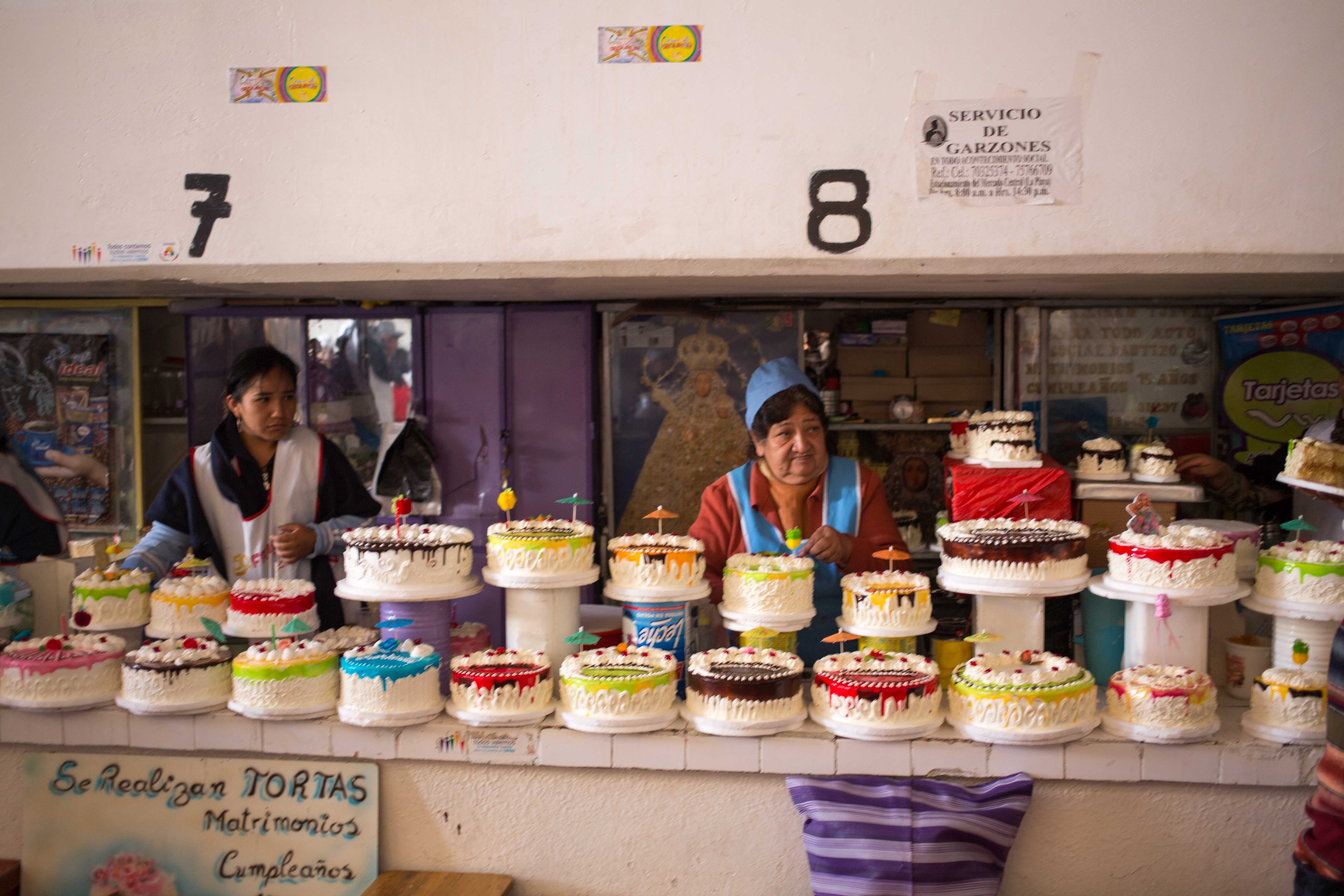
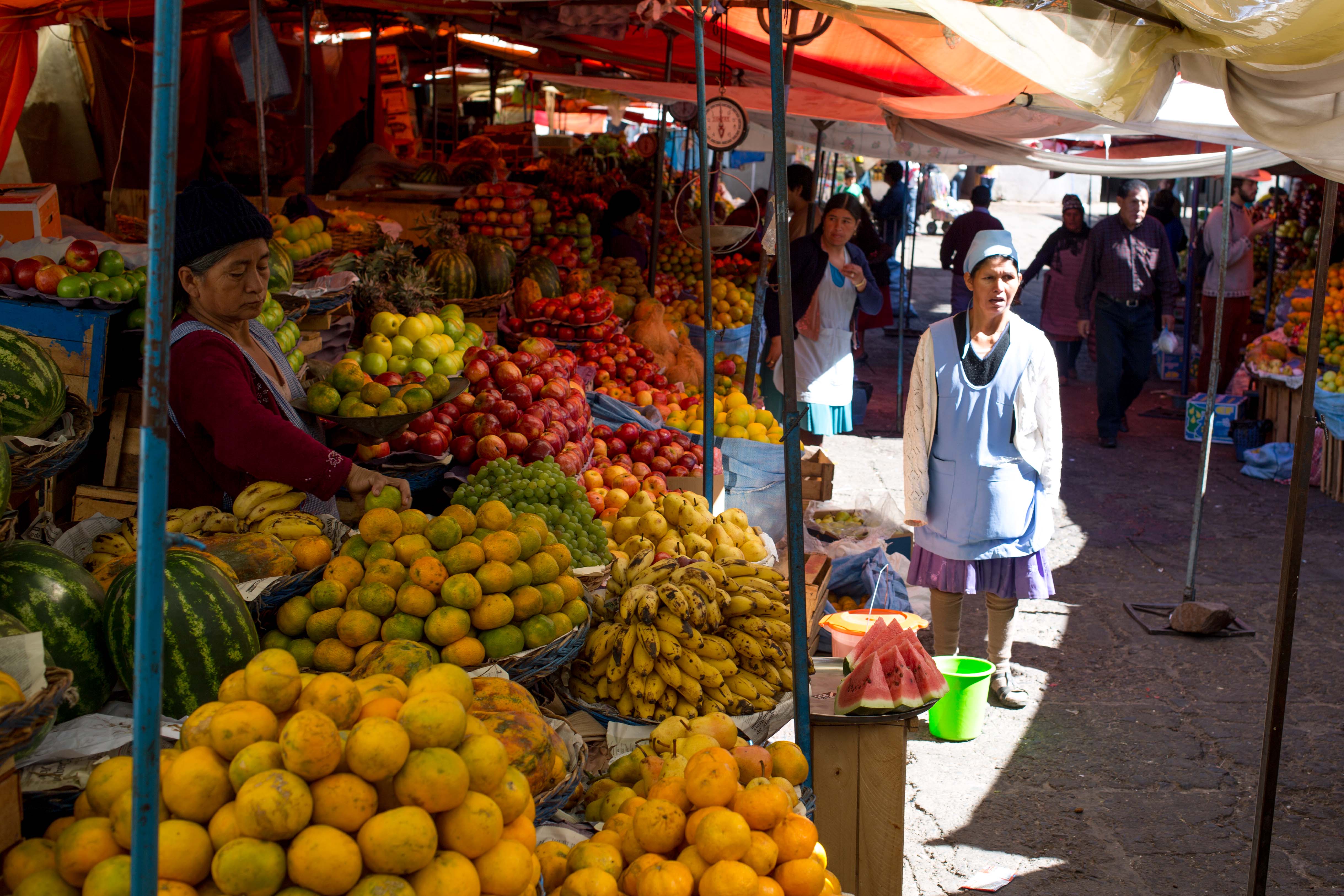 In addition to the fruit and vegetable section there are other aisles, each dedicated to a different product – some ladies sell cheese, others potatoes, clothing, handcrafted cakes, household goods, spices – the list goes on. Then there is the rows of white-tiled cubicles where butchers chop away at different chunks of meat – cows, chickens, pigs, fish (and not just your normal strip loin cut)! It is a fascinating place and a photographer’s dream however Bolivian’s are incredibly shy when it comes to photographs and we only snuck a handful of shots.


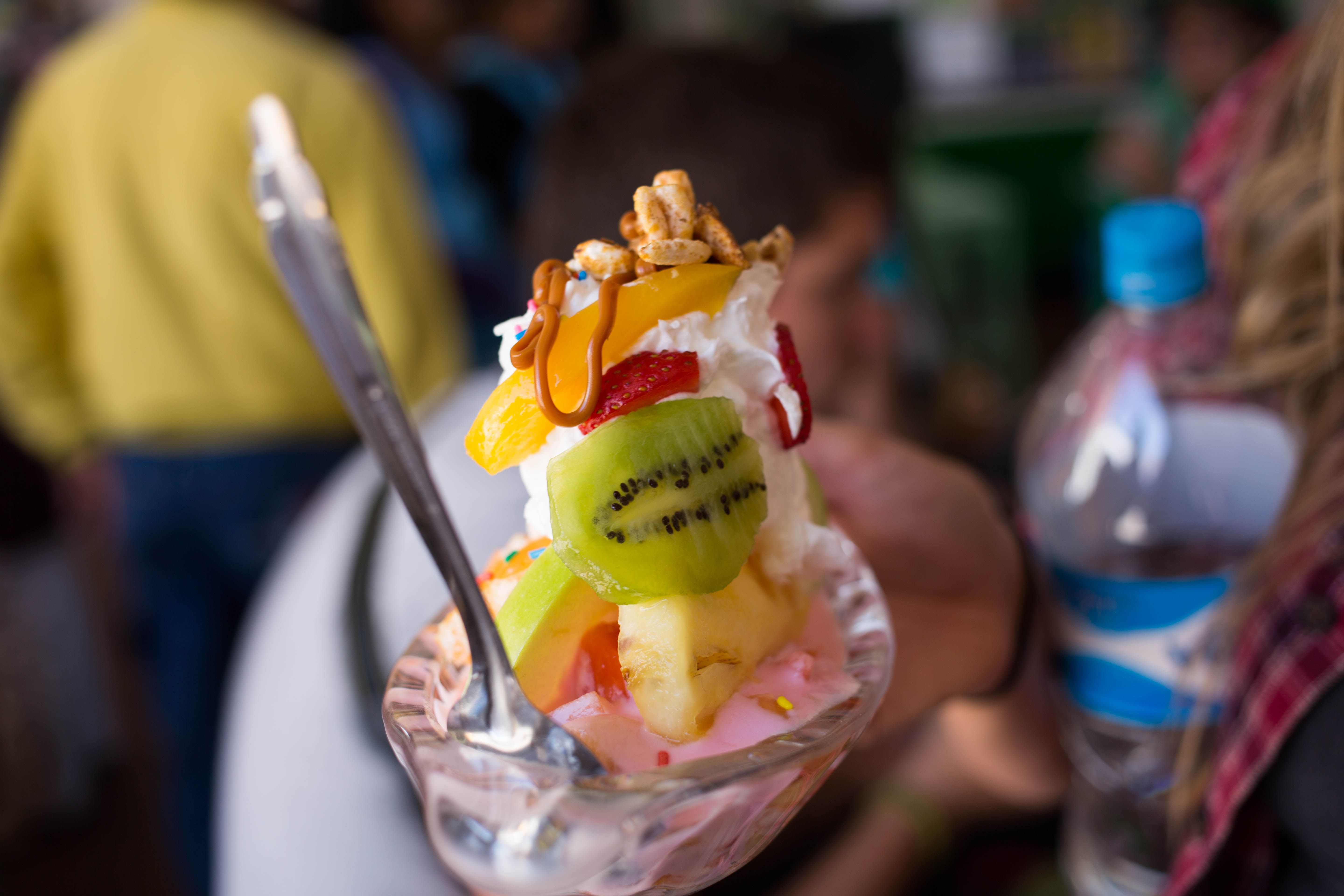
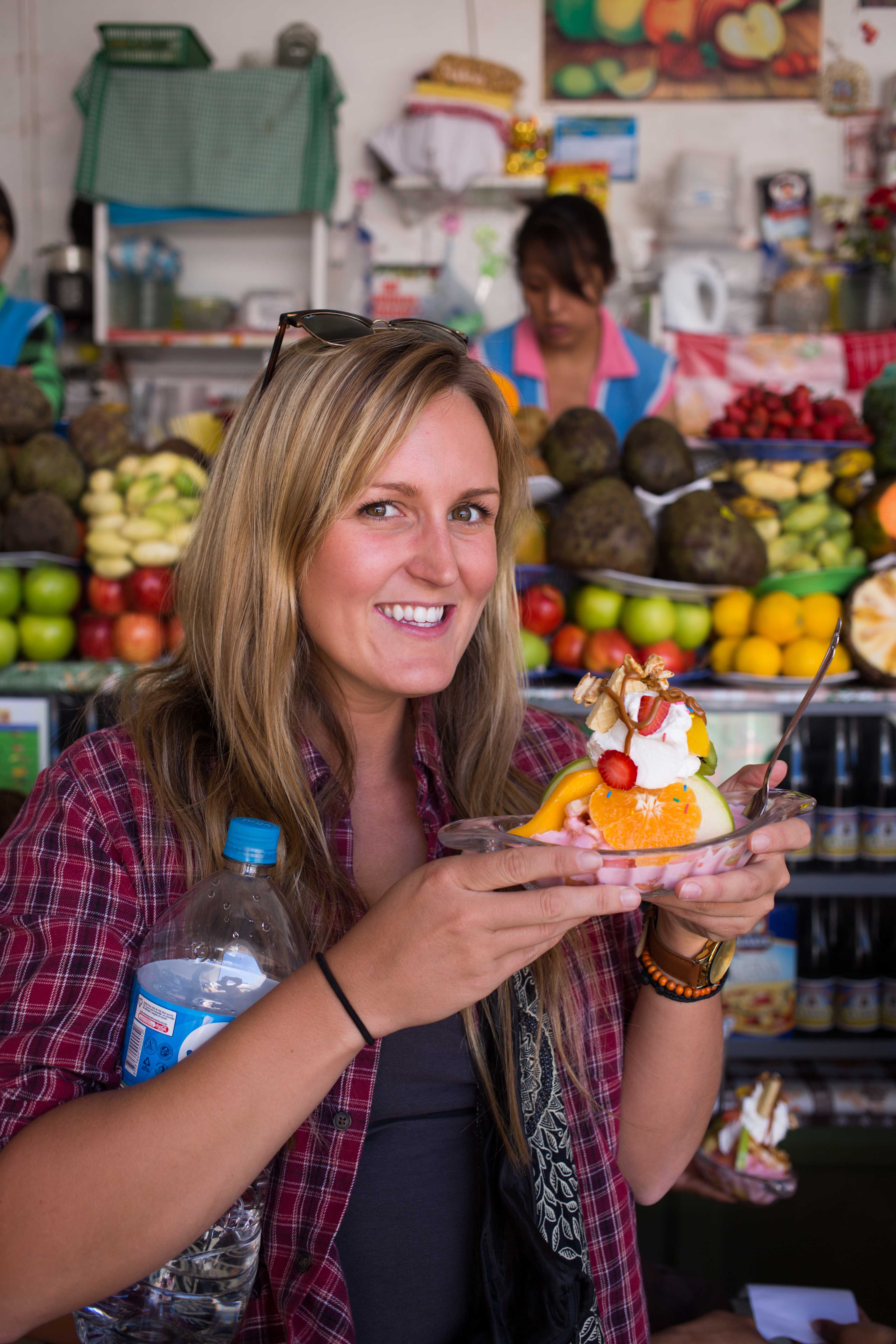
 Another must-do at the market is the juice/fruit salad section. As you approach, the different ladies compete for your attention as they peel, slice and juice every type of fruit imaginable! The fruit salad comes in a range of sizes and no matter what size bowl you select, you can guarantee it will be piled as high as possible, leaving you wondering where exactly to begin.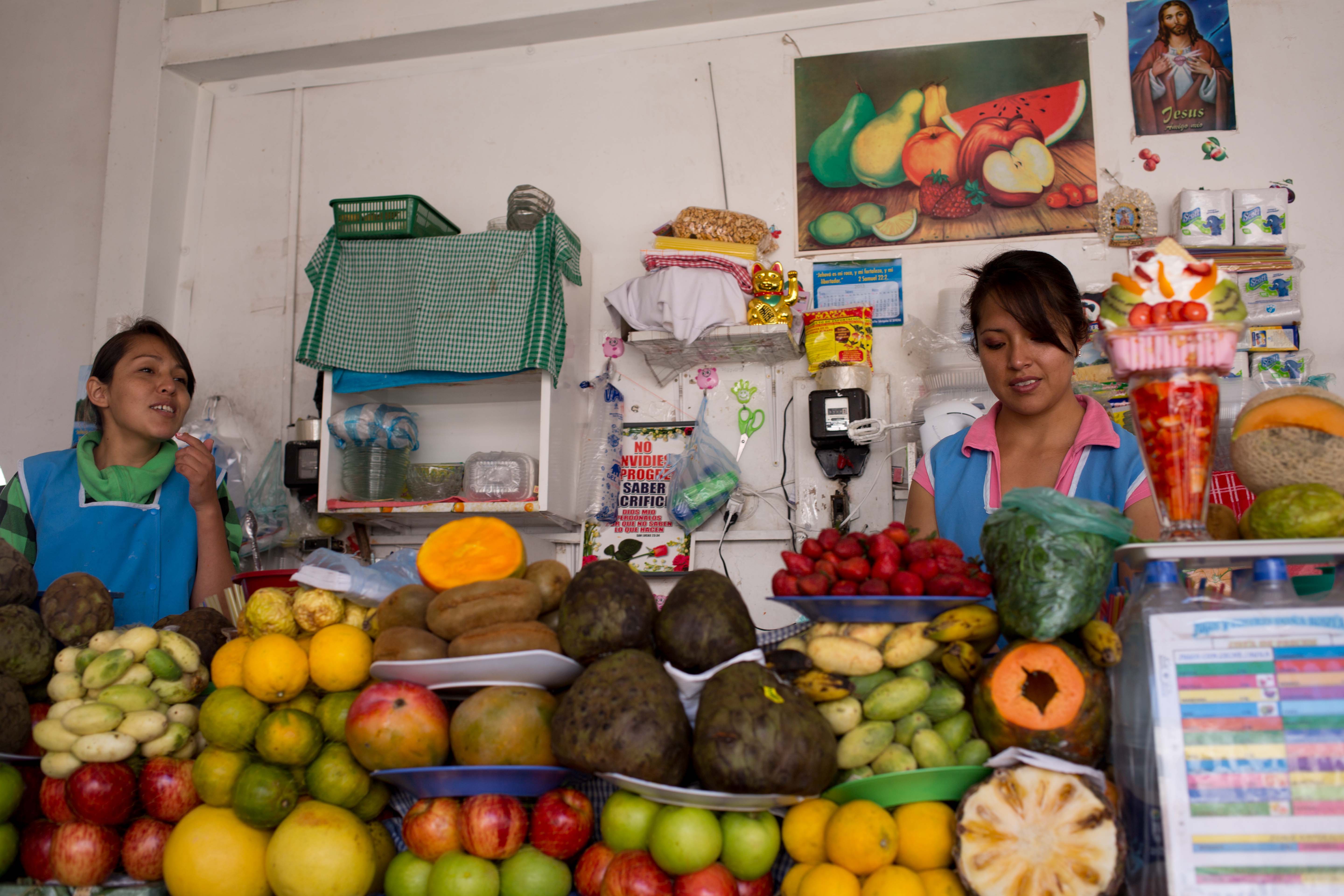
 At the top of Recoleta Hill you can get the best view of Sucre and its surrounds while enjoying deliciously cheap meals at Cafe Mirador. The walk up the hill is testing but the view is certainly worth it and it is the perfect place to watch the sun set over the “White City”.


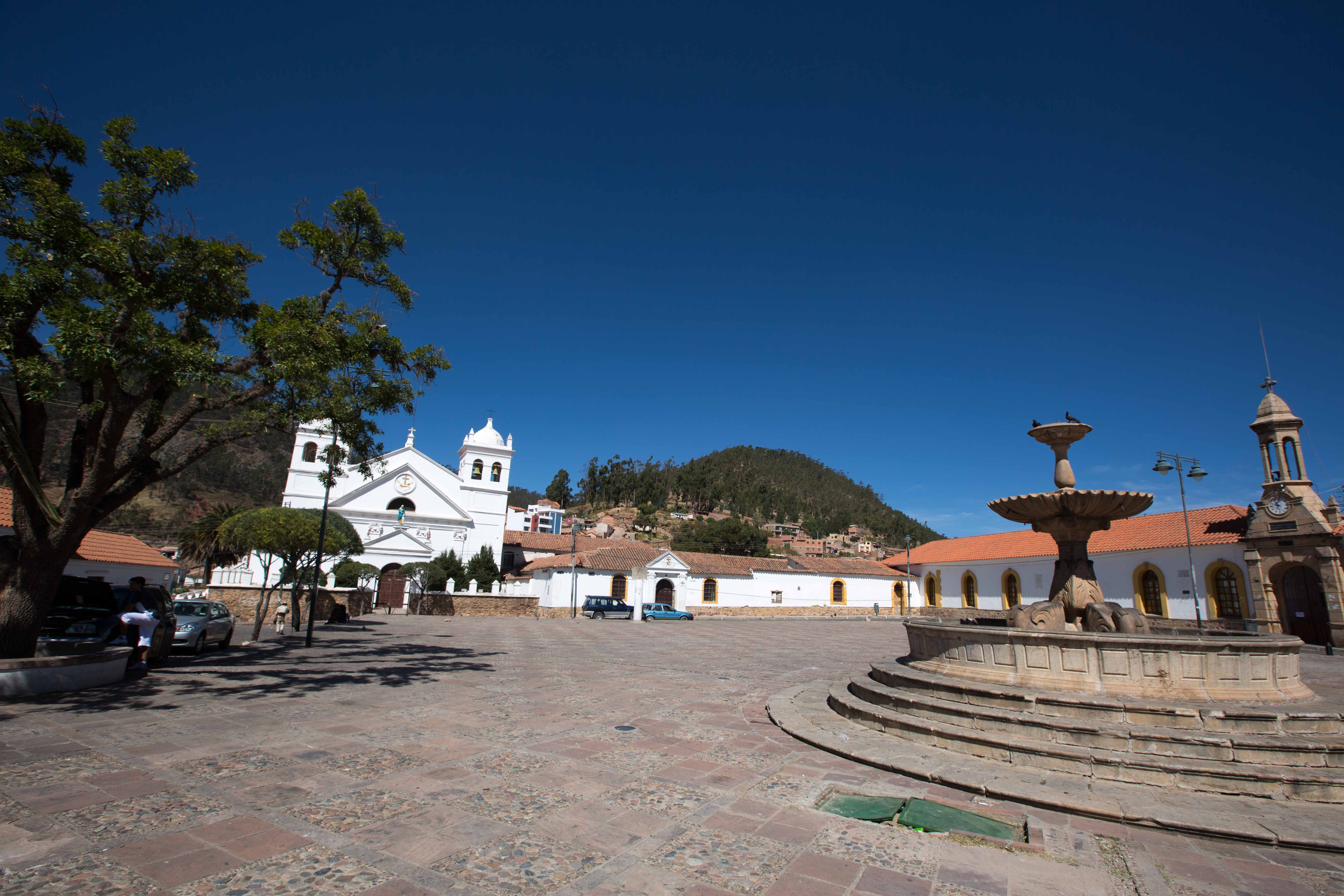


 As the days passed by we realised there was still more to explore and walked beyond the main plaza to the french-styled Parque Simon Bolivar. On the walk we passed beautifully well-kept colonial buildings which were surrounded by equally well-maintained gardens. We passed through the replica Triumphal Arch of Paris and walked through the park, where there is also a replica Eiffel Tower with an incredibly sketchy staircase you can climb. It was peaceful in the park which was nice as the one downside to Sucre is the uncanny amount of car alarm sirens you hear all day long (I know the whole sequence off by heart now)!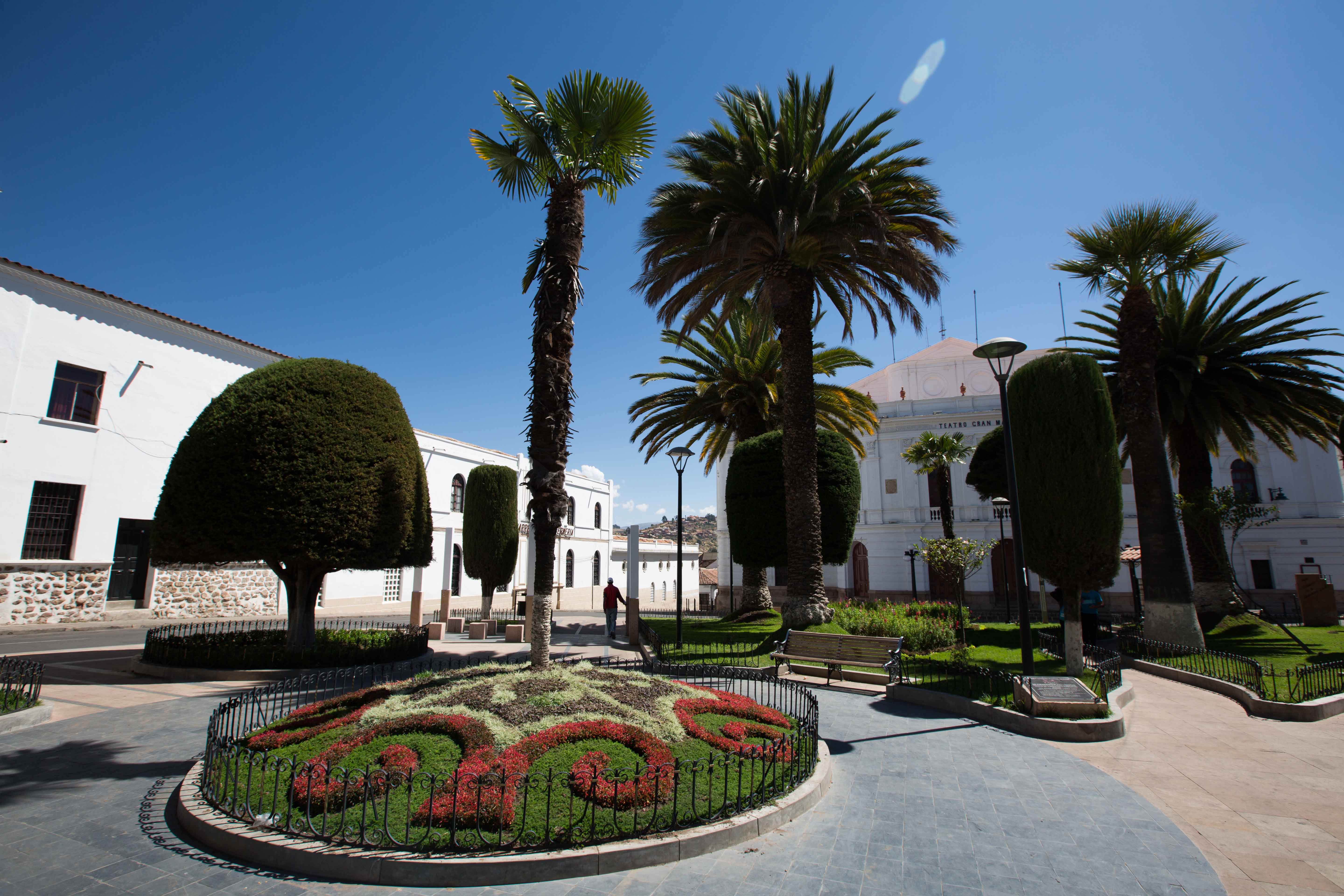


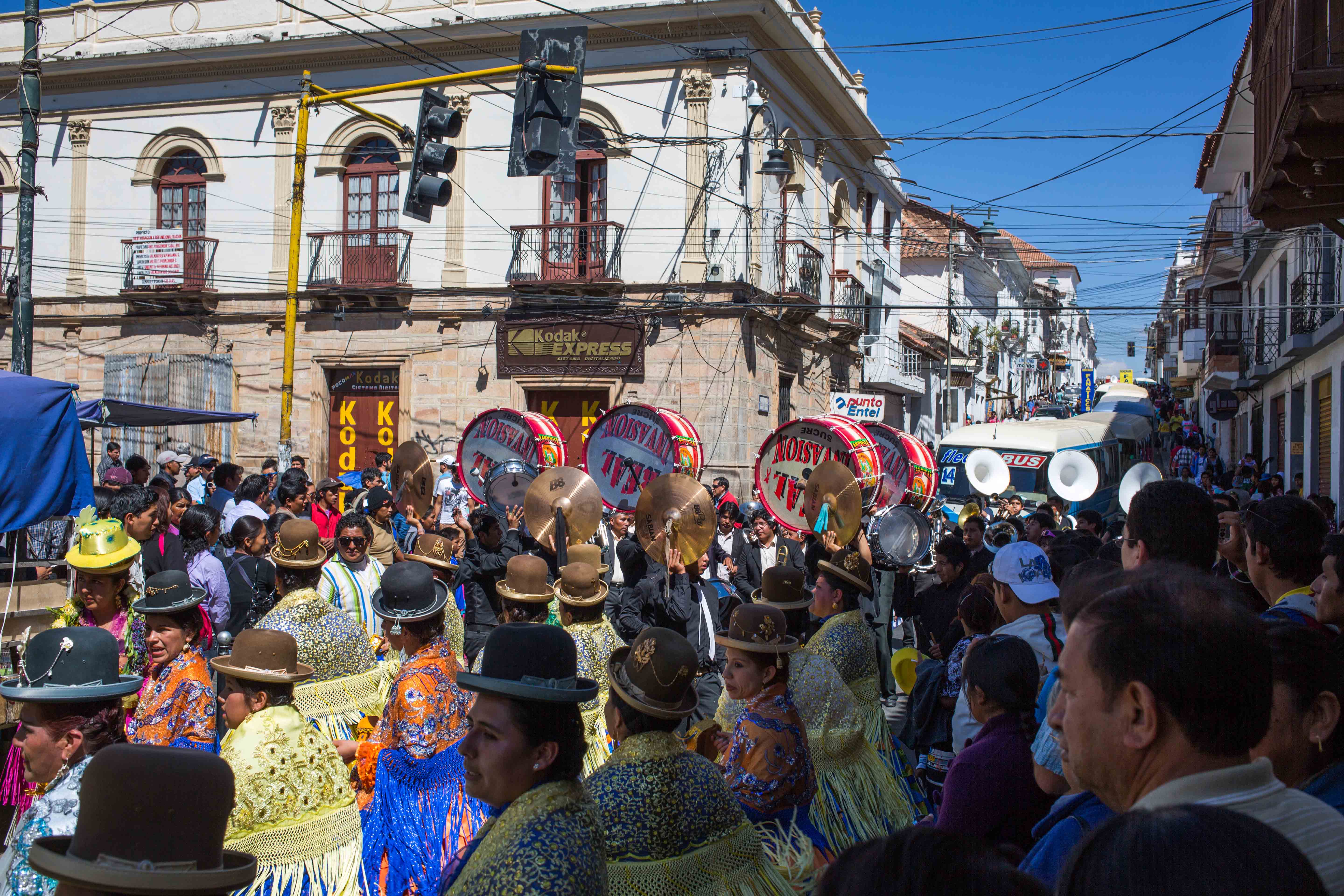
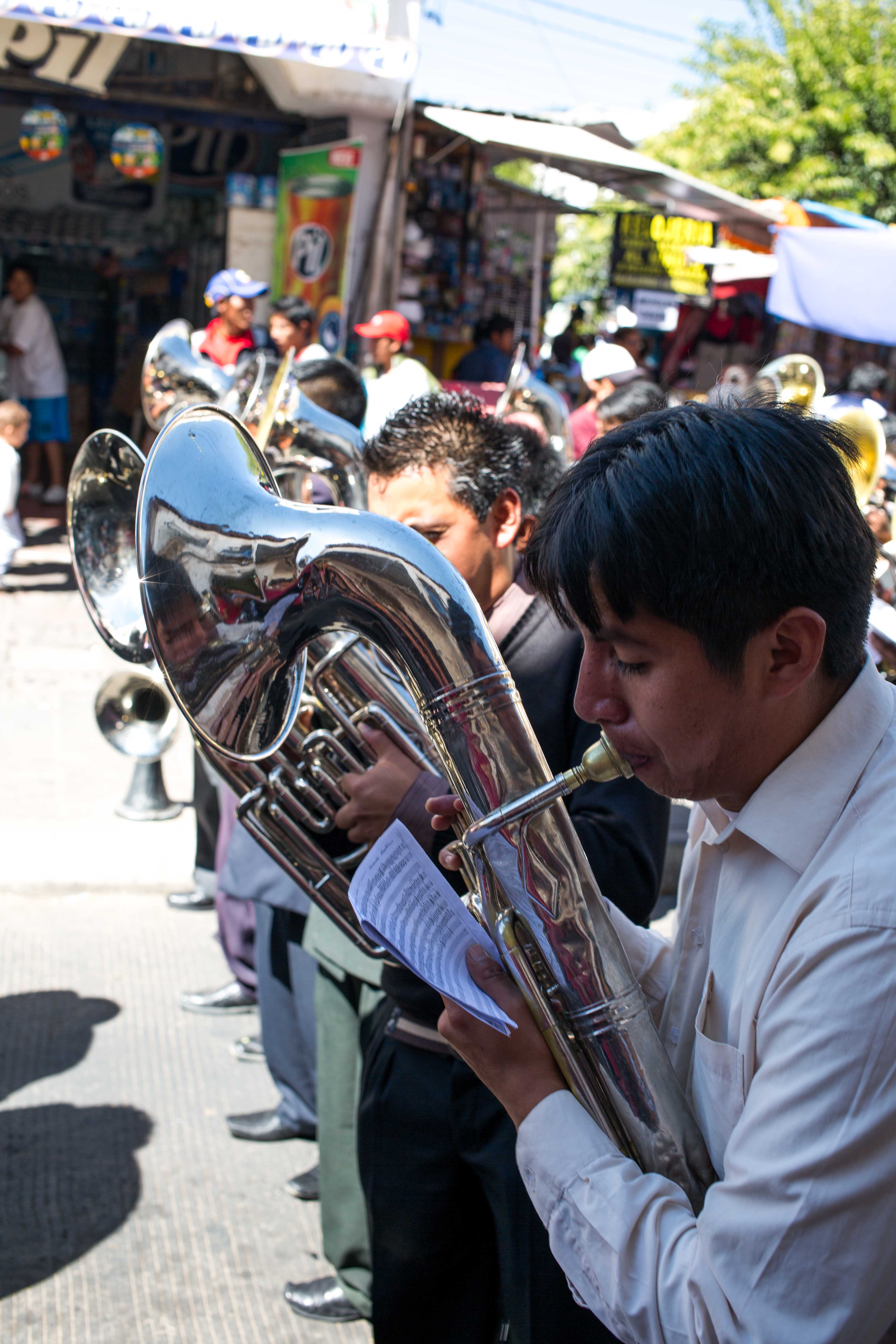
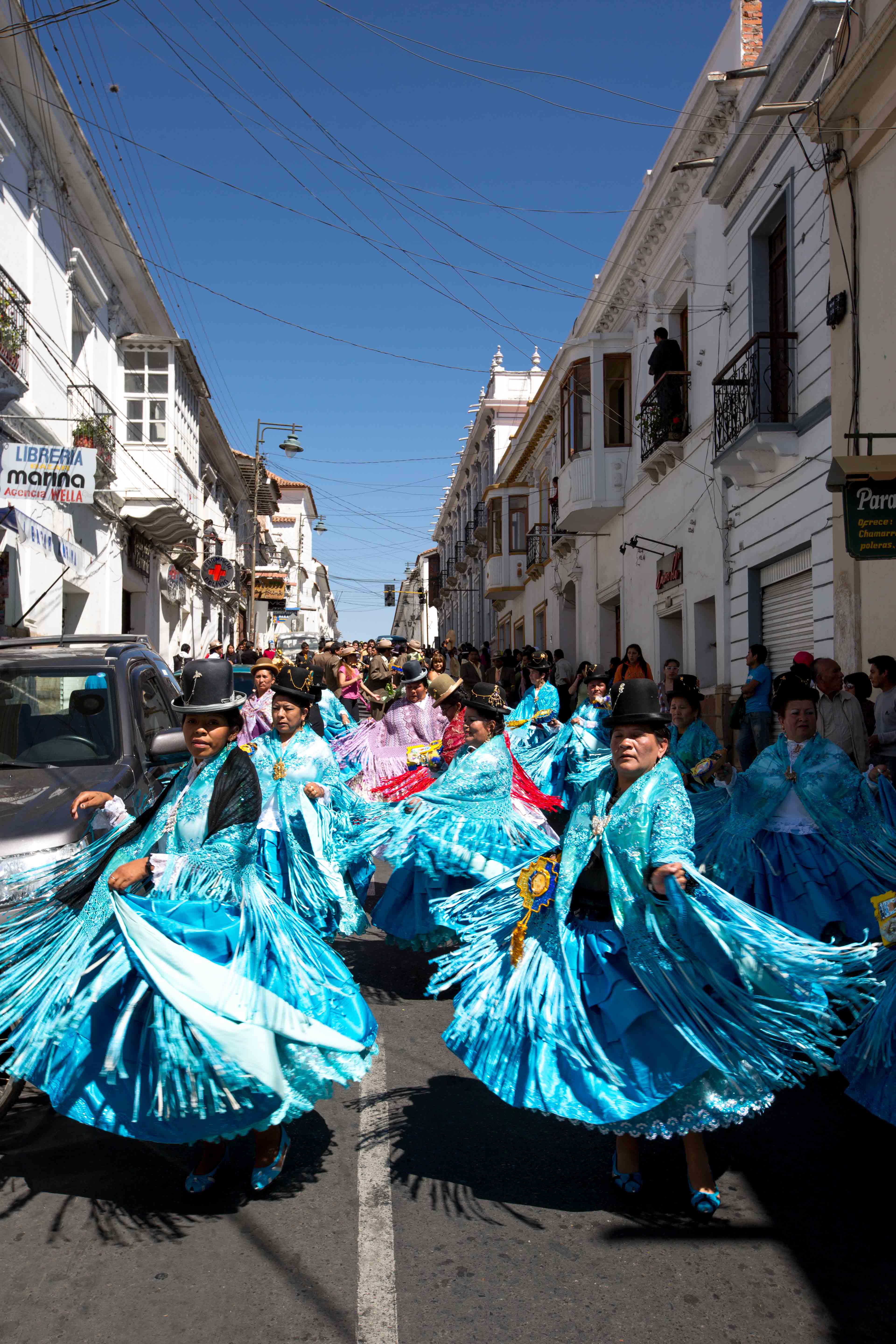
 Our time in Sucre was the longest spent in one place so far and was very much a little home away from home. Its beauty had surprised us, its people had fascinated us and its history inspired us but it was time to continue our journey. With the road blocks still continuing we decided to book a flight to La Paz. On our last day in town, the locals were participating in a festival which was the perfect way to say goodbye to Sucre.
SAN PEDRO DE ATACAMA
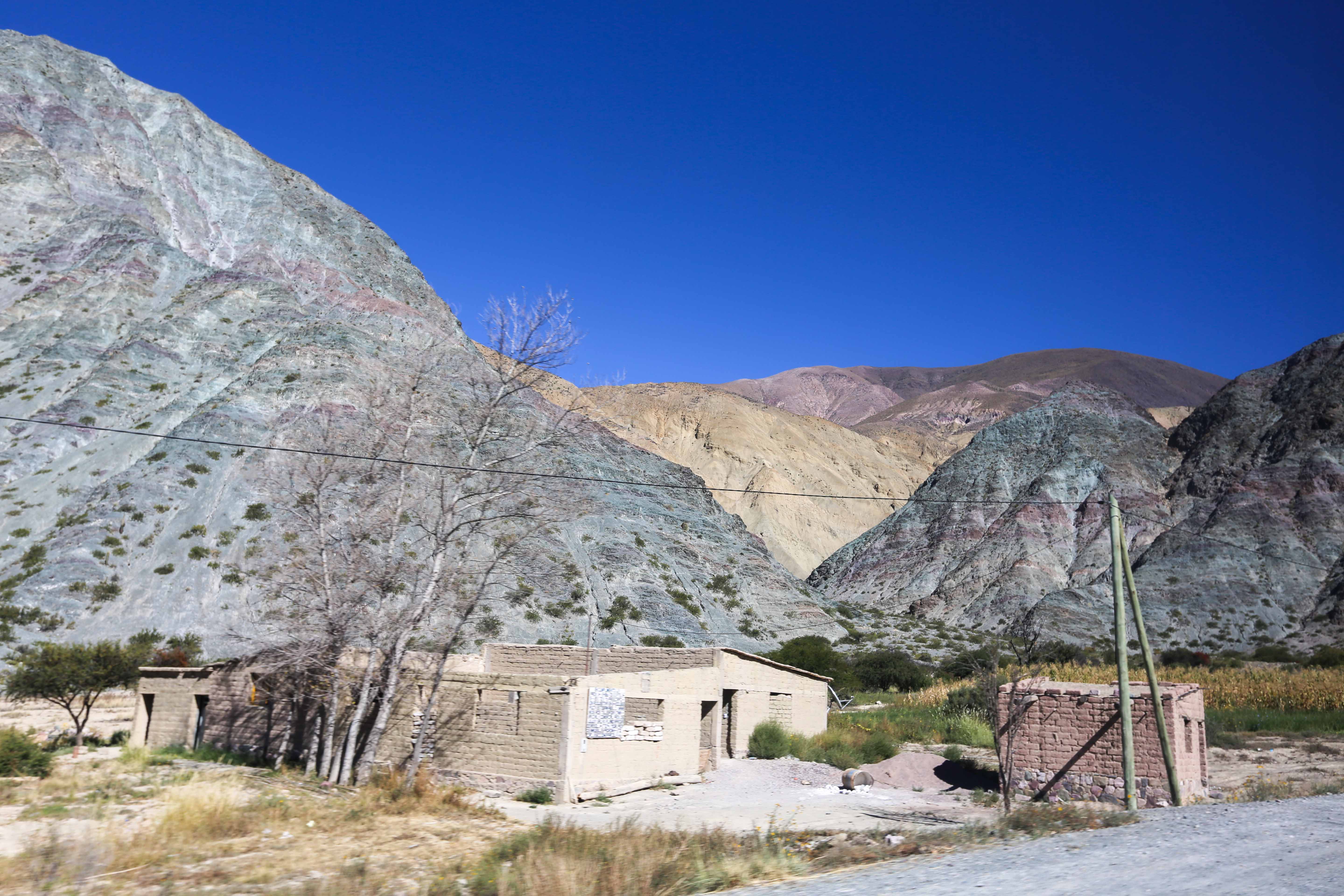
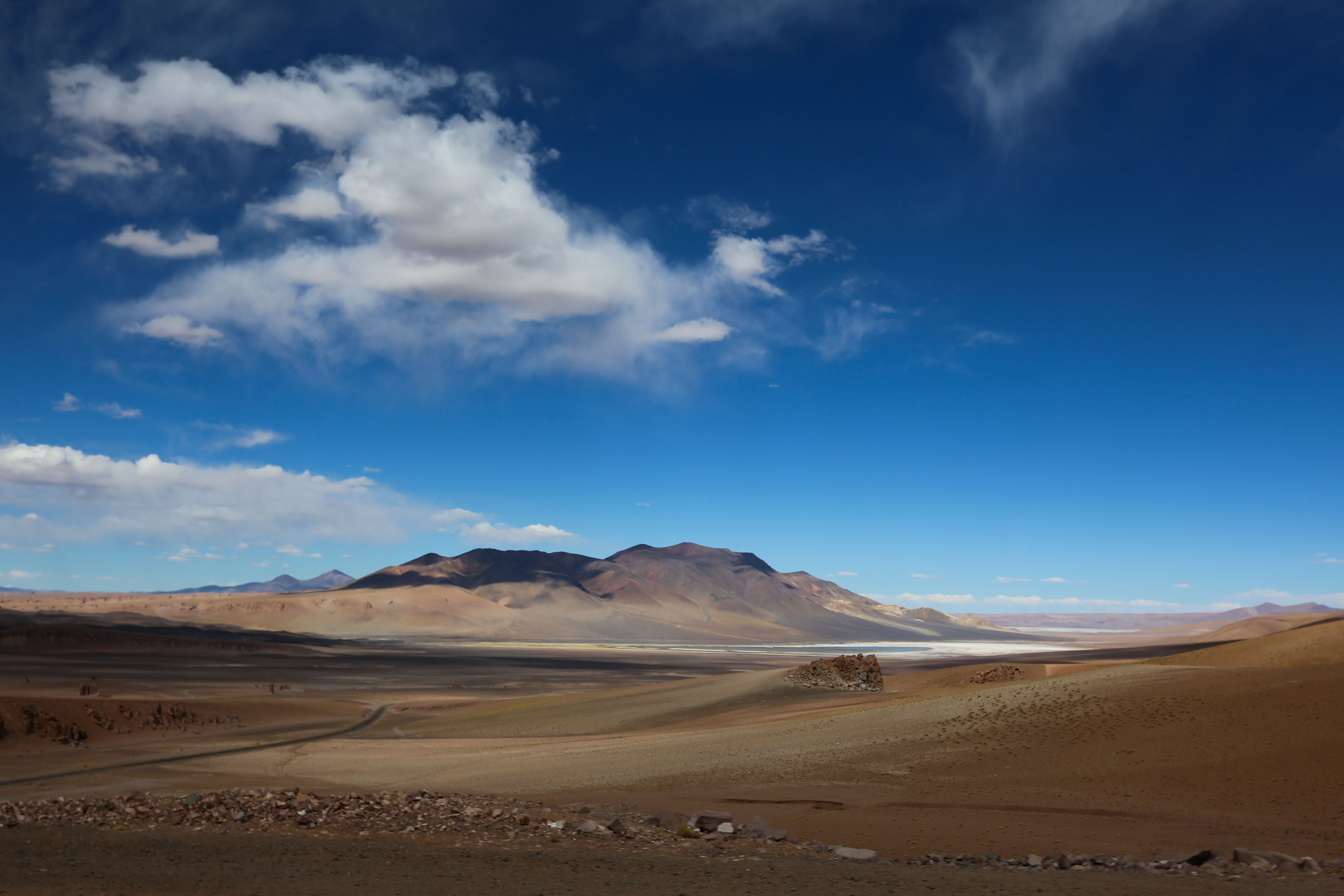
A quick stop at a customs office just outside San Pedro de Atacama and we were now officially back in Chile. I’m not entirely sure at what moment we officially left Argentina (no signs) but the scenery on the drive from Salta was beautiful. At our highest point we reached close to 4000m before descending back down the mountain range and arriving in San Pedro de Atacama where we were still at 2,438m above sea level.
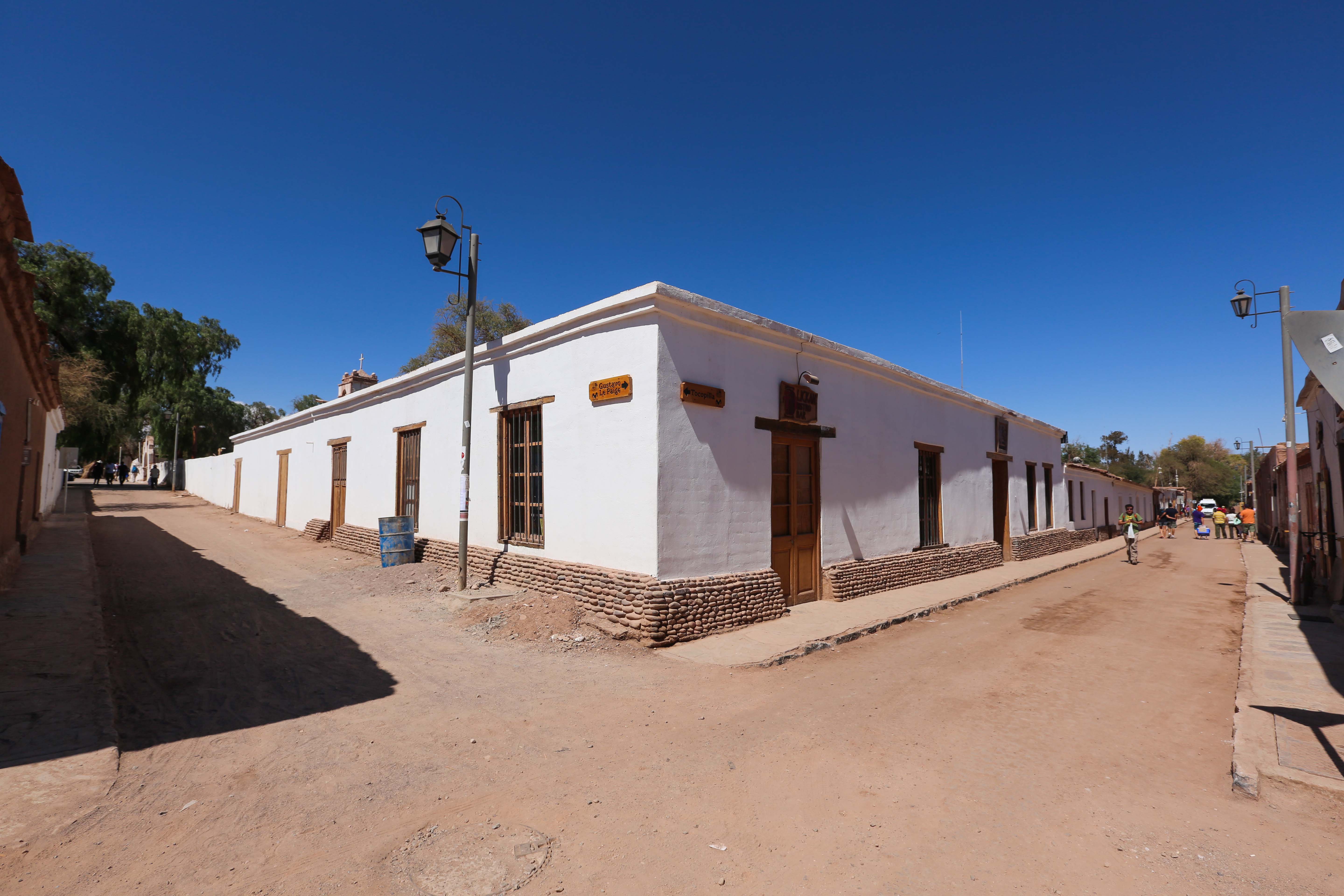
 As we walked the dusty streets of San Pedro de Atacama the air was dry and it took a moment to catch our breath. The Atacama Desert is considered the most arid desert in the world and we guzzled down water like it was going out of fashion. The whole town blends in to its vast surroundings – white and sand-coloured buildings line the streets with roofs made of clay and hay. Stepping inside the storefronts it is quite the contrast with various textiles and souvenirs of the brightest colours filling the buildings.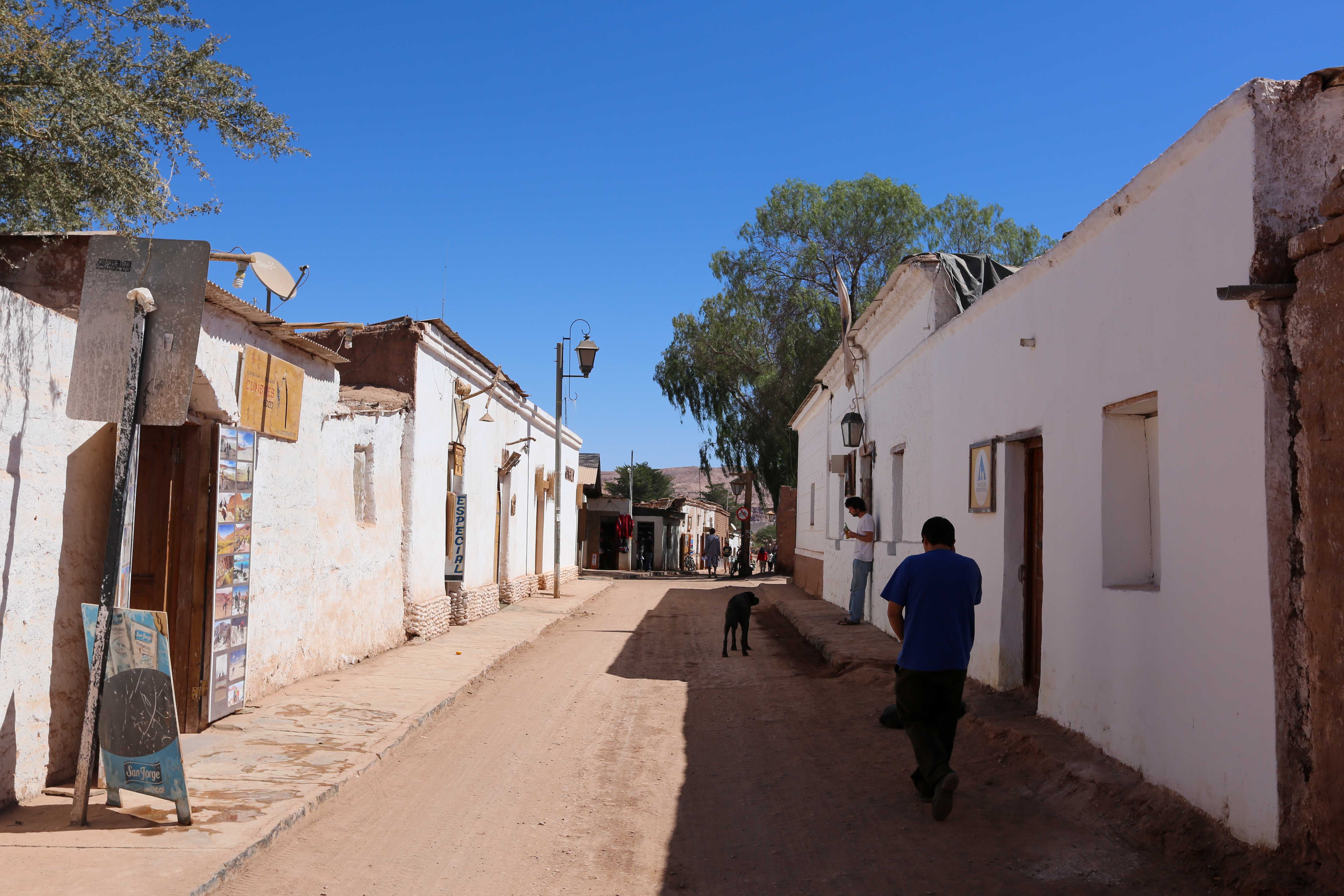
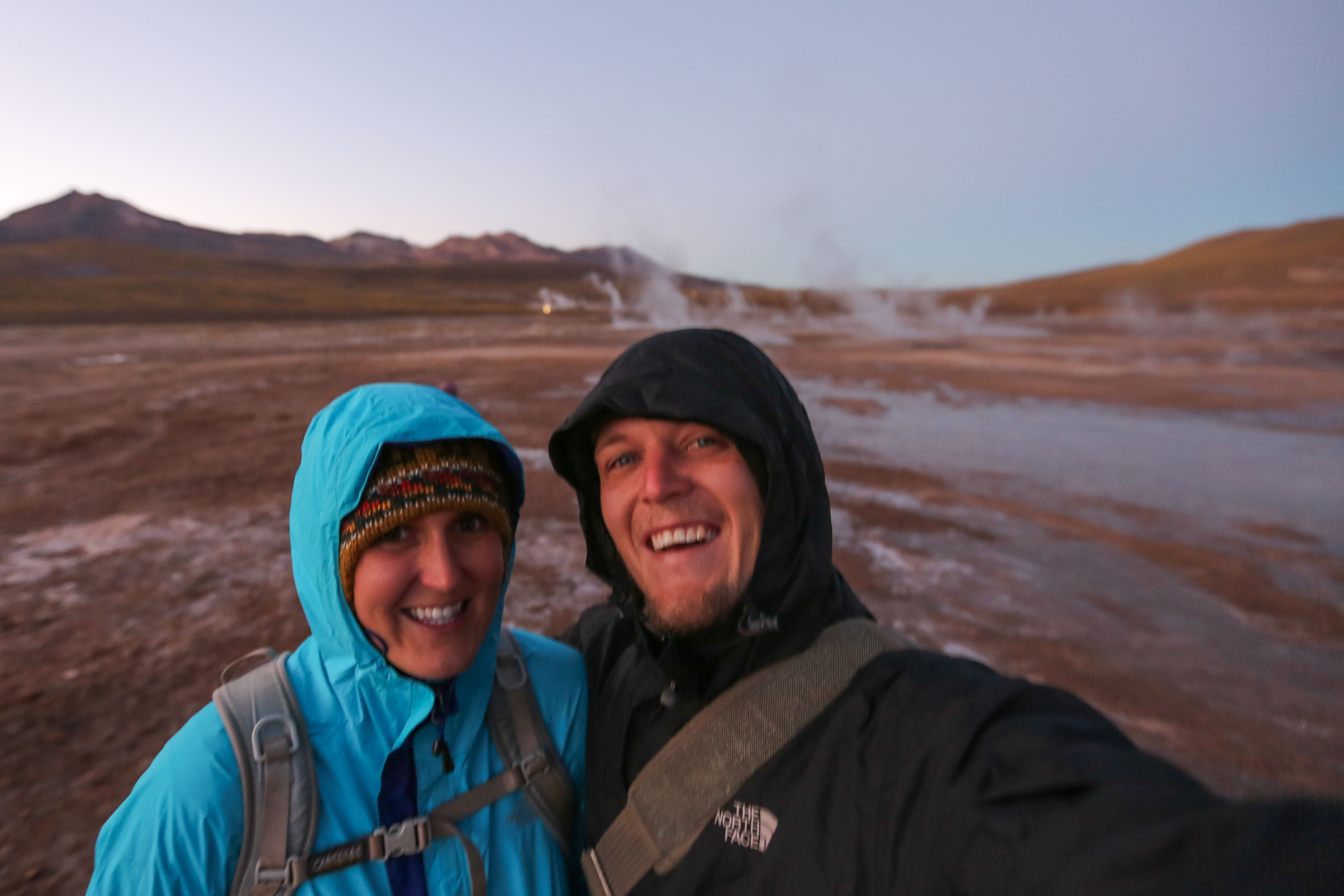
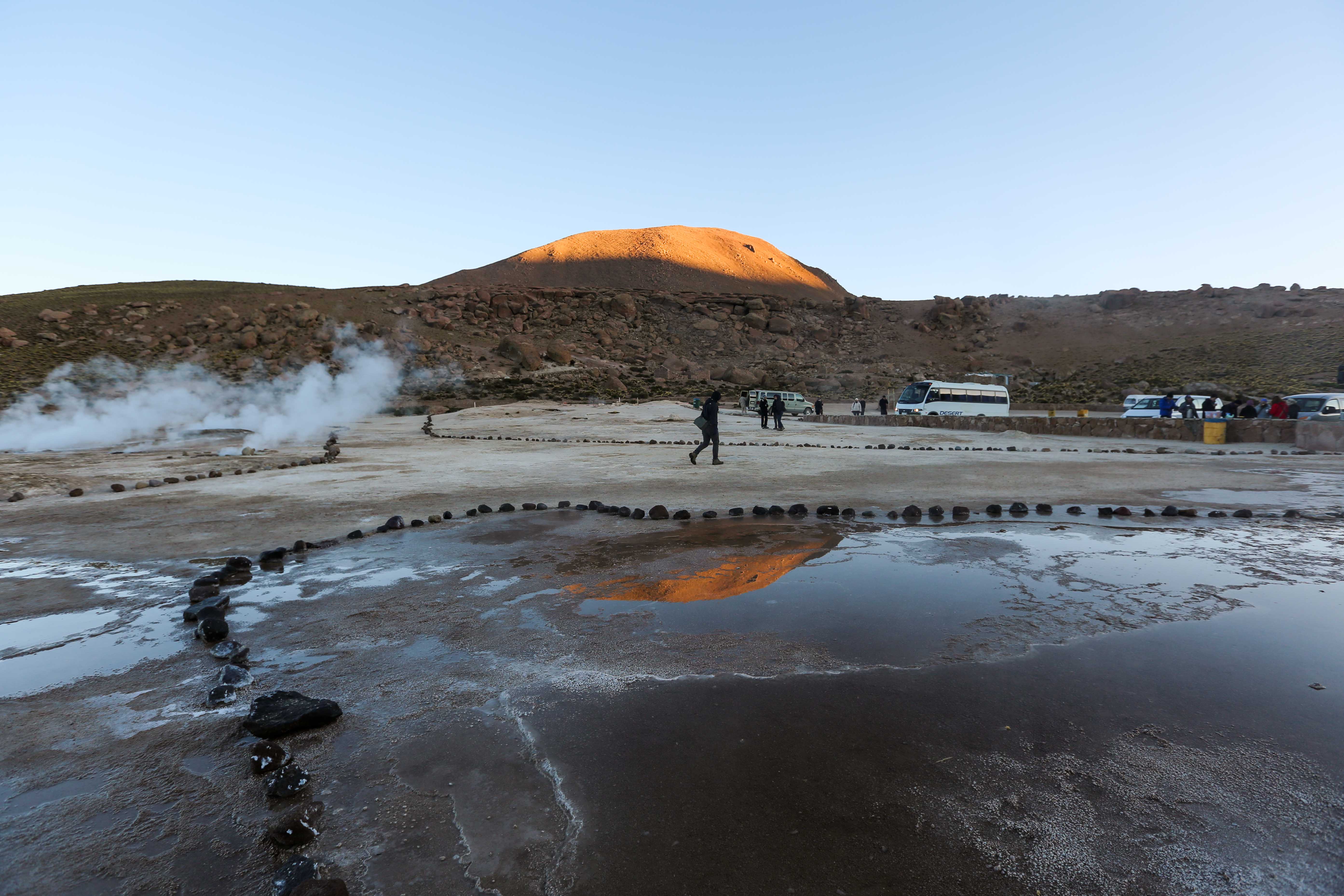
 We had a 4:00am start on our second morning with a visit to Tatio Geysers, the highest geyser field in the world at 4320m above sea level. With temperatures below zero at dawn, you can see the flow of vapor from the geysers, reaching as high as 10 metres! We had been warned of how cold it could be and dressed accordingly – I had 3 pairs of pants and about 5 layers on top however as we stepped out of the bus and began walking around the geysers we were all still frozen to the bone!
 We huddled around the geysers, watching them bubble away and catching just a little relief from the cold as the warm vapors sizzled out. As the sun rose it began to get warmer and we continued exploring the geyser field. At one stage, we decided to jump for a photo only to realize that exerting that kind of energy at over 4000m above sea level makes you all kinds of dizzy and we definitely didn’t try that again! With the darkness fading it was time for breakfast and we enjoyed hard boiled eggs and coffee – heated straight from the geysers! At first no one was eating their eggs, rather using them as a device to thaw out their frozen fingers.


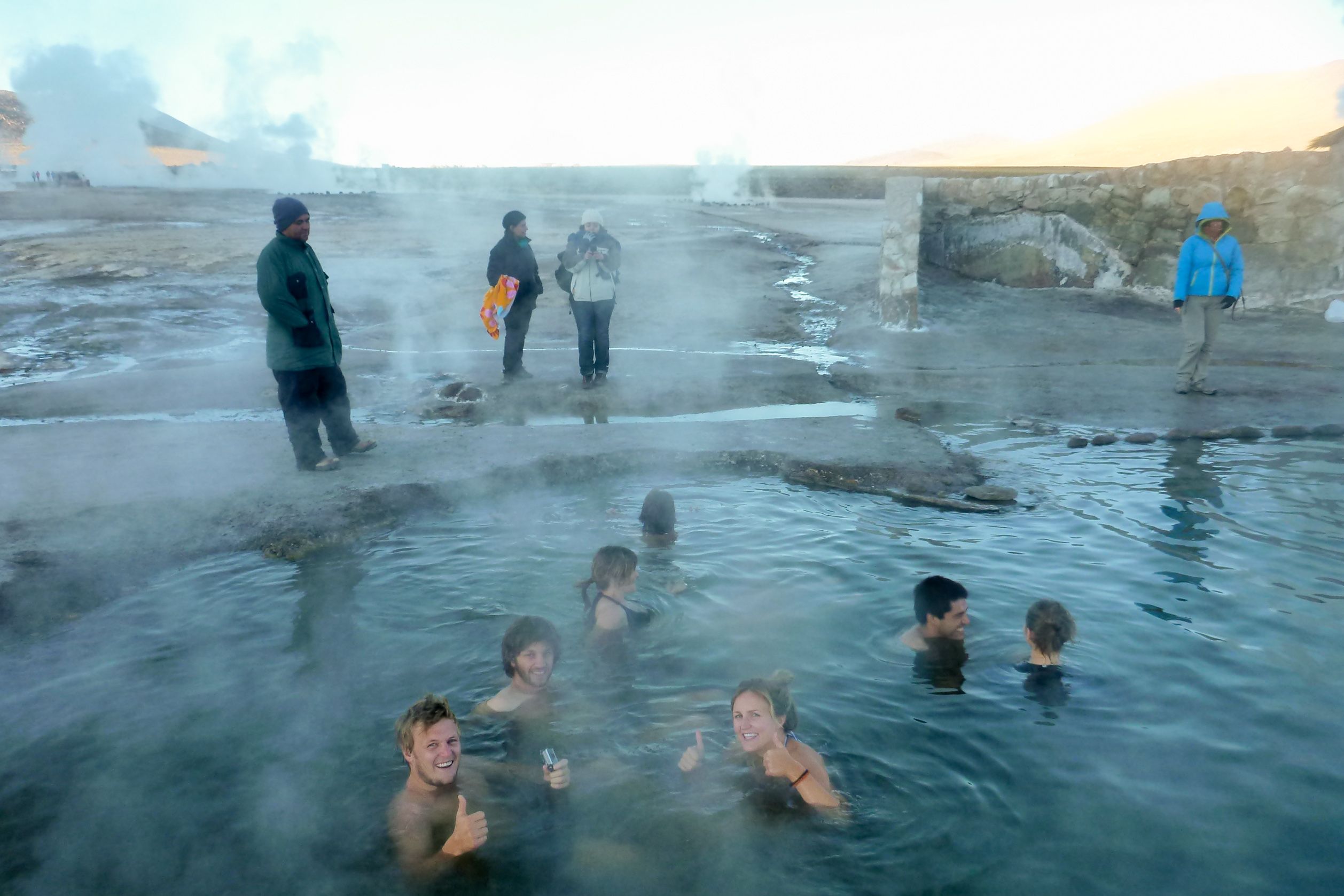
 We braved the cold and stripped down to our bathers for a quick swim in a geyser fed pool before continuing to Machuca, a small, almost uninhabited town located near the geysers. We had a quick look around and tried some llama kebabs which were surprisingly quite tasty! The town is close to a small wetland area where families of flamingoes, ducks and seagulls live, as well as the odd llama or two who always manage to entertain me (yes, from eating them to watching them)!


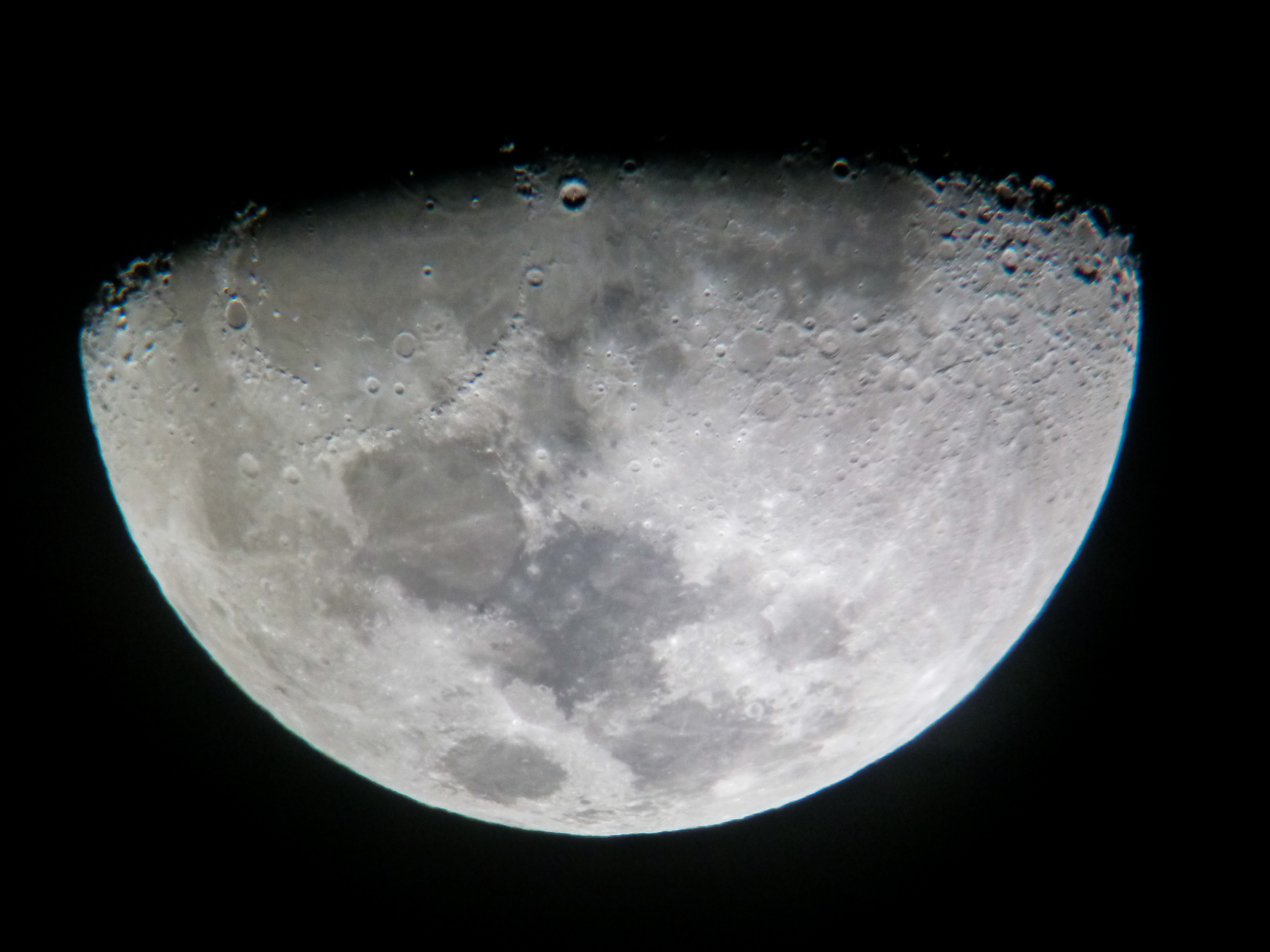
 The Atacama region being a desert, has next to no rainfall (or clouds) making it great conditions for stargazing. We went on a night trip to an observatory located out from the town where our guide showed us various constellations in the sky with his incredibly strong (and illegal) laser. After our introduction to the millions of objects in the sky, we were left with time to view various points through a number of different telescopes. We took photos of the moon through one telescope and through another we could see Saturn which looked amazing with its rings (I tried to get a photo of that but it wasn’t as easy)!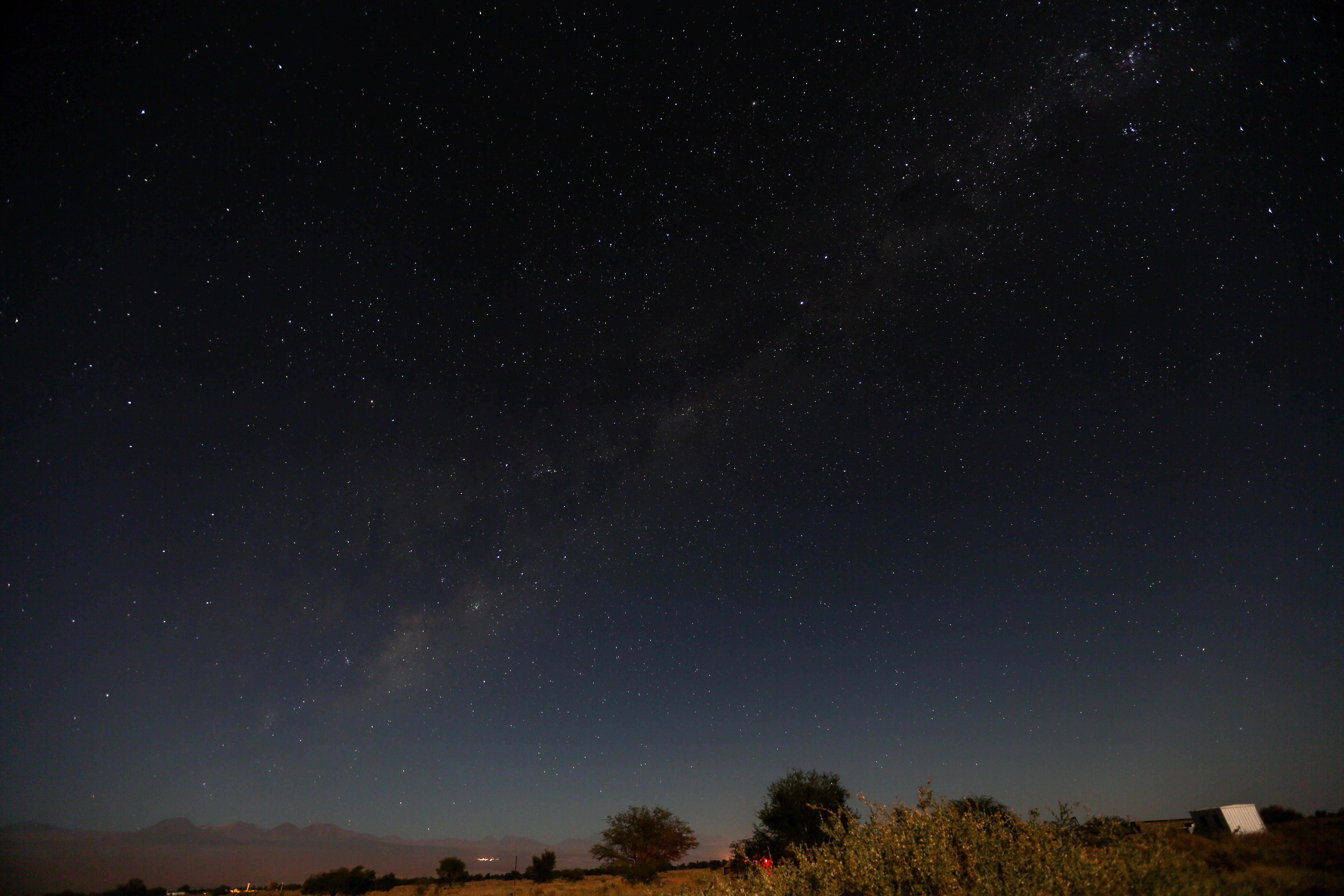
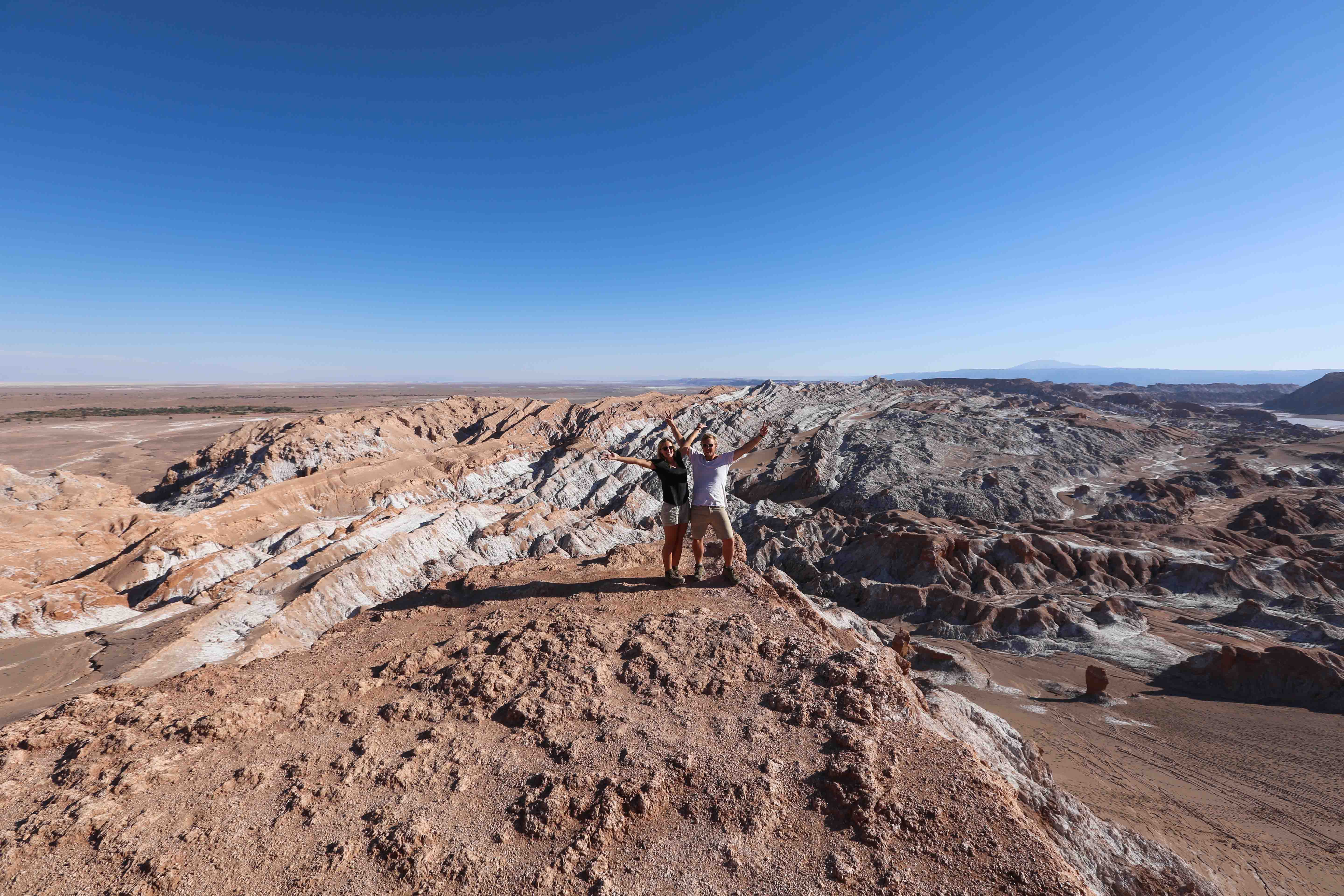
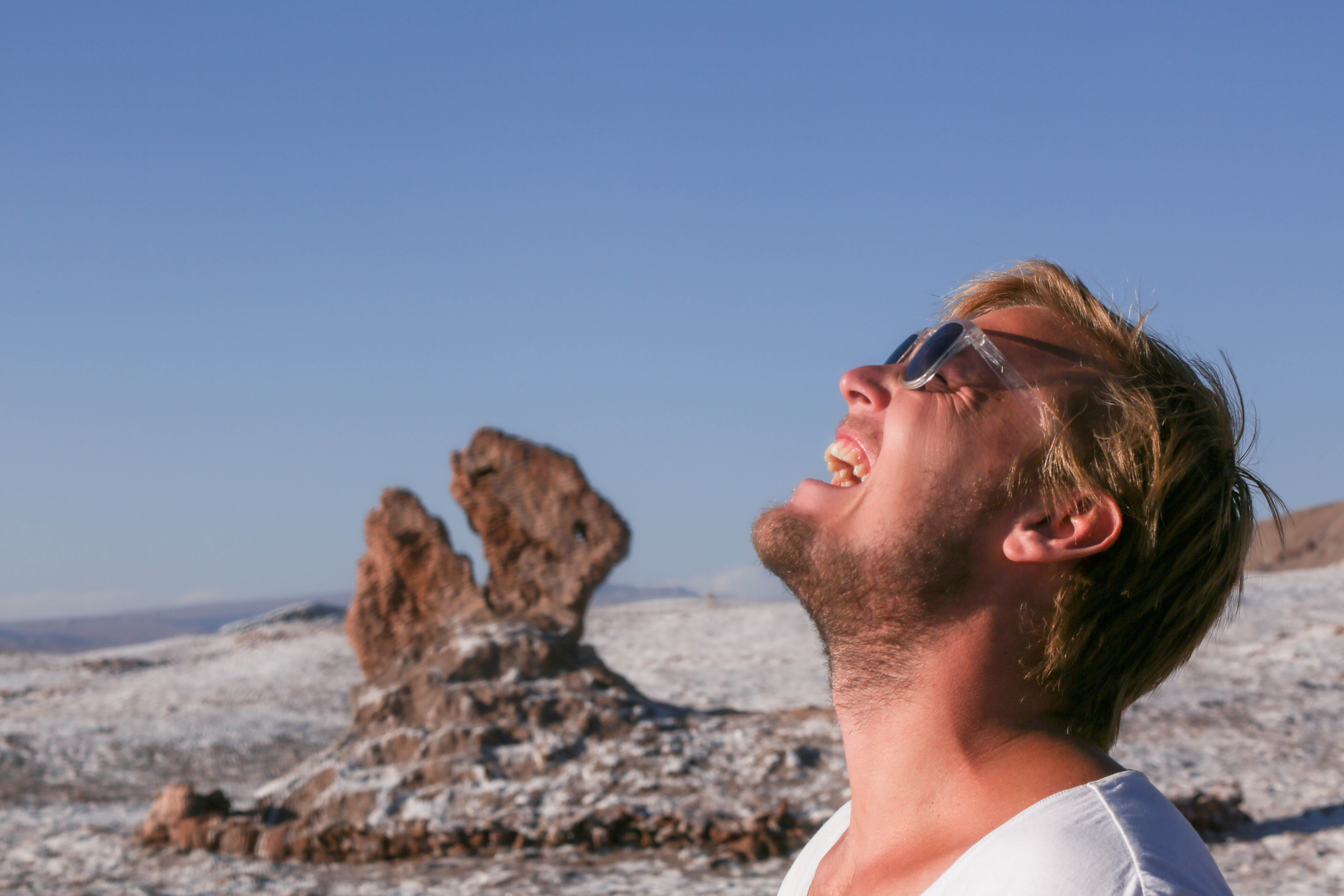
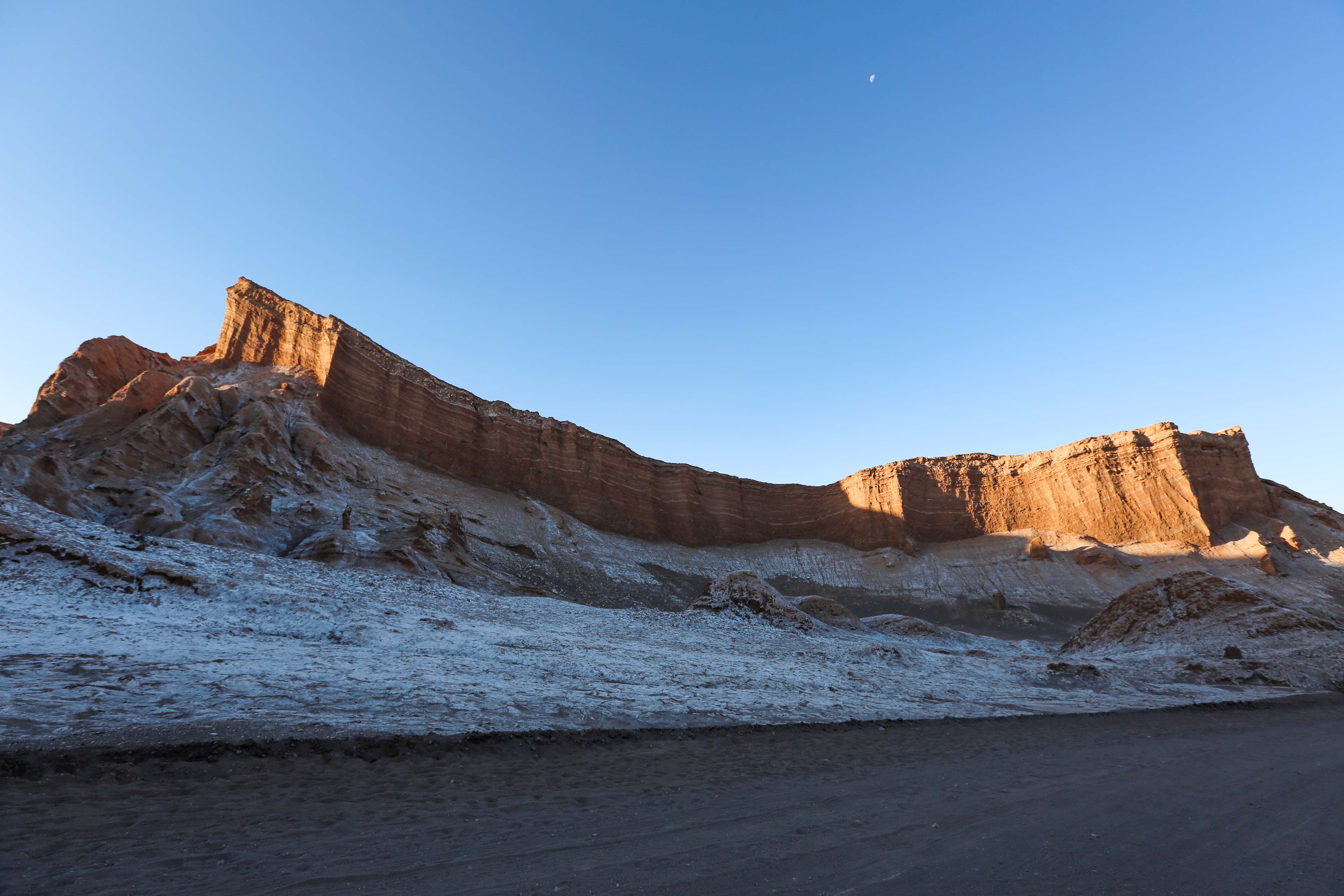
 Finishing off our time in the Atacama Desert we took a half day trip to another “Valle de la Luna” (Valley of the Moon). The various rock formations date back up to 22 million years and with the absence of any animals or vegetation, it really does feel like you are on another planet.

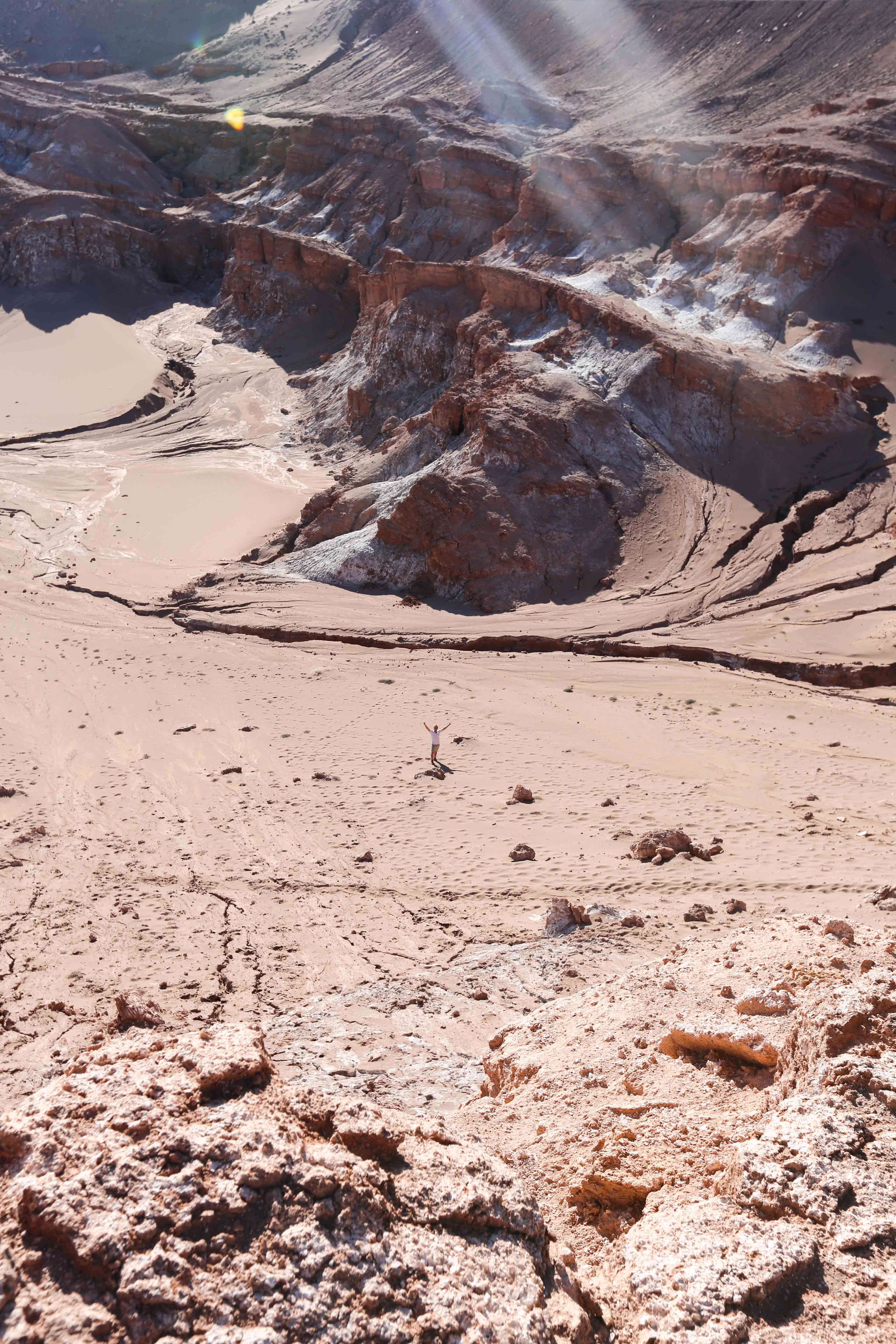 We continued through the valley, stopping to look at rock formations such as the Three Marias and the Dinosaur head (our favourite). We walked past the Amphitheatre rock formation before climbing a hill to watch the rocks change colours as the sun set.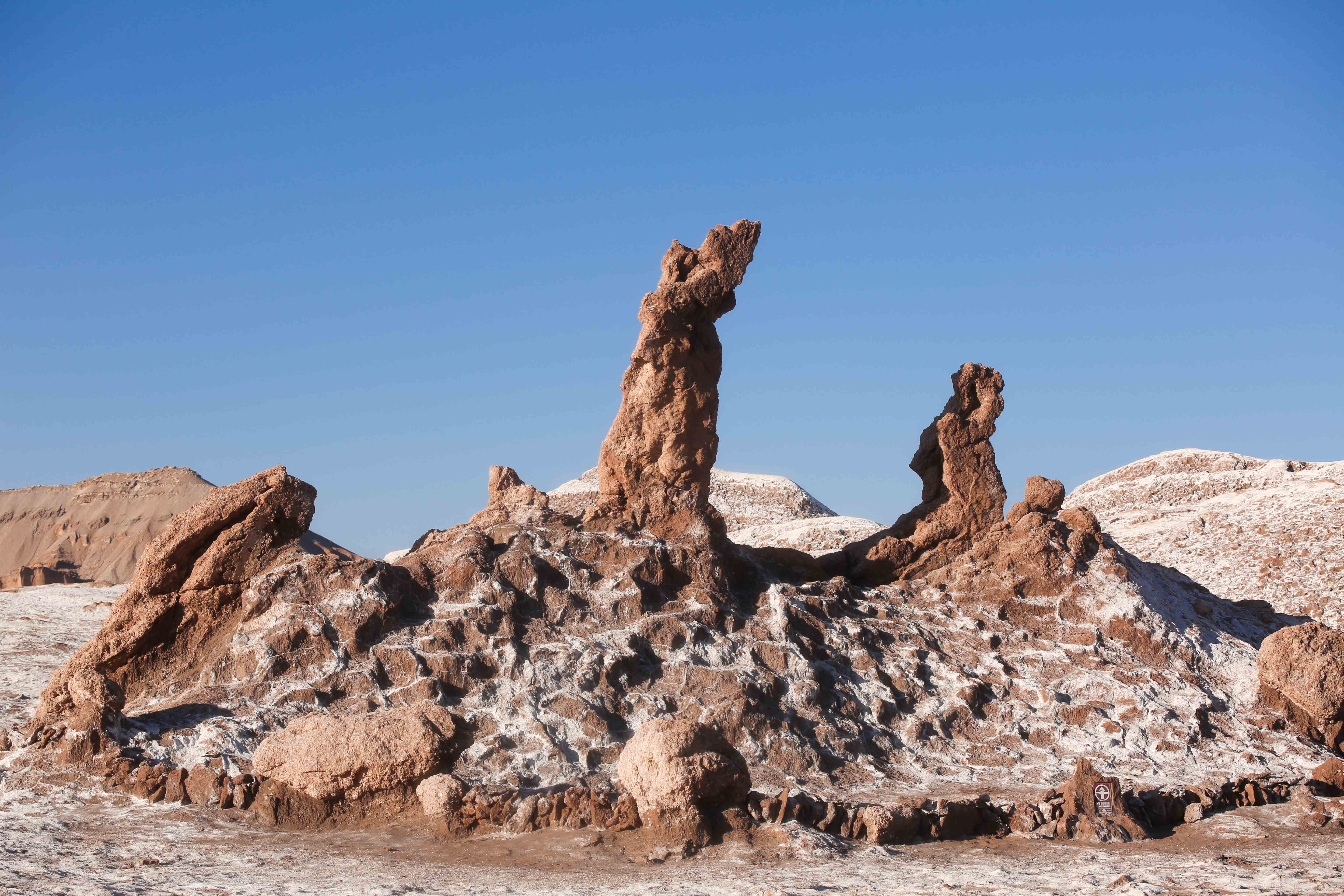


 We really enjoyed the little town, it’s like no town we’d ever seen before. Not necessarily pretty, but unique – especially when compared to the many colonial cities we had visited so far.
You can see more photos from San Pedro de Atacama here.
 HEREWHEREWEARE