Tag: Will Horne
SALTA
We left Puerto Iguazu on a miserable rainy day (lucky we had seen the falls in beautiful sunlight the day before) and were bus-bound once again on our way to Salta in northwest Argentina. Arriving early in the morning, we walked the quiet streets to our hostel, appreciating the colonial architecture that the town has preserved with buildings dating back to the 16th century.

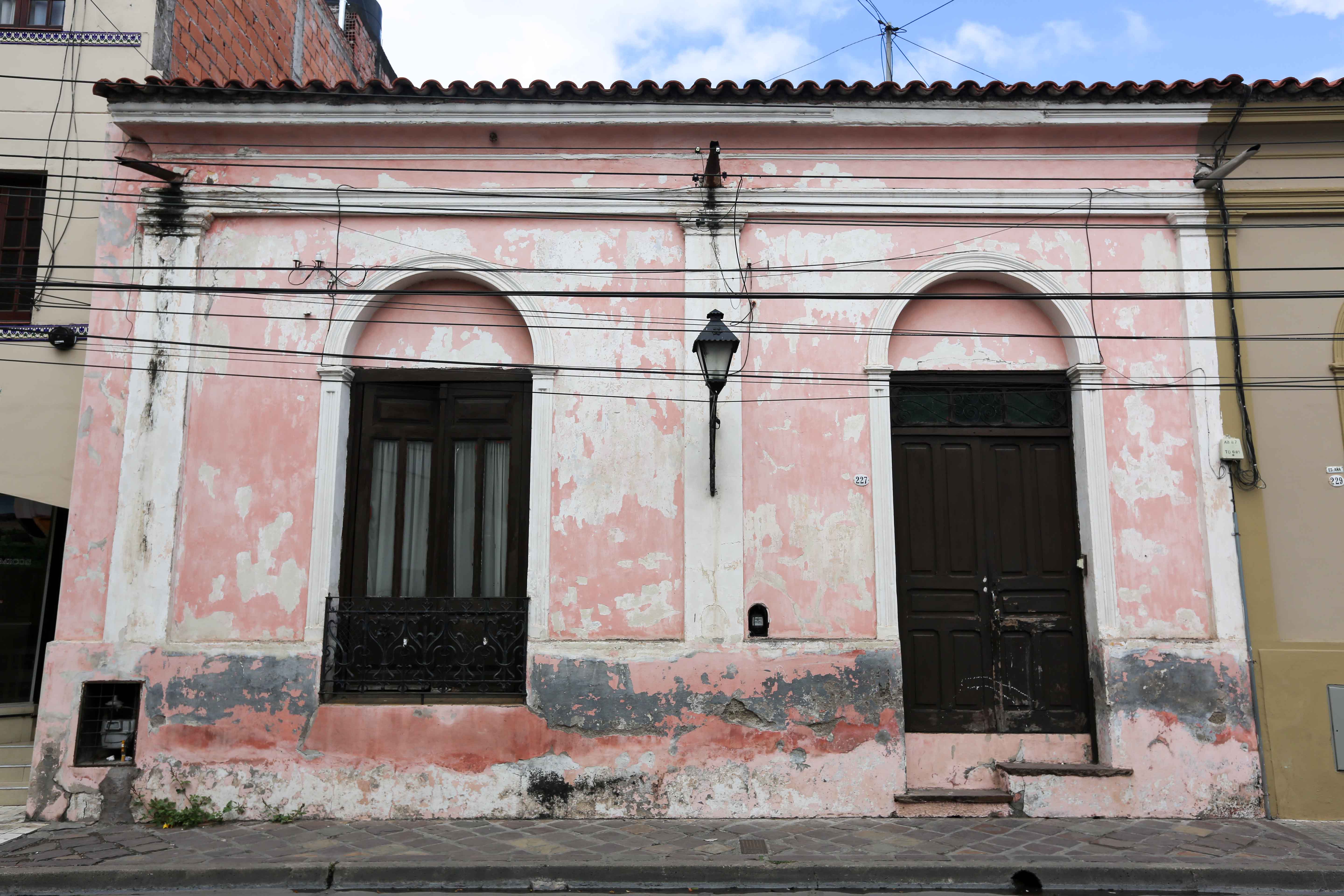
 Salta was the southernmost region of the Inca empire and we visited the Museum of High Altitude Archaelogy (MAAM) where amongst various artifacts displayed there are three children mummies that were discovered at the 6700m high site of Mount Llullaillaco. The Incan culture was a little extreme and they sacrificed these “special children” as an offering to the gods during or after important events. The poor things were dressed in the finest of jewels and clothing, participated in a lovely feast held in their honour before being fed alcohol and sent to the mountaintop to be sacrificed. Due to the conditions at the top, their bodies were incredibly well preserved and it was totally creepy staring at them but also fascinating. I was going to put in a photo of one of the mummy kids but decided that is too weird so instead here is Will with a beer called Salta from Salta:
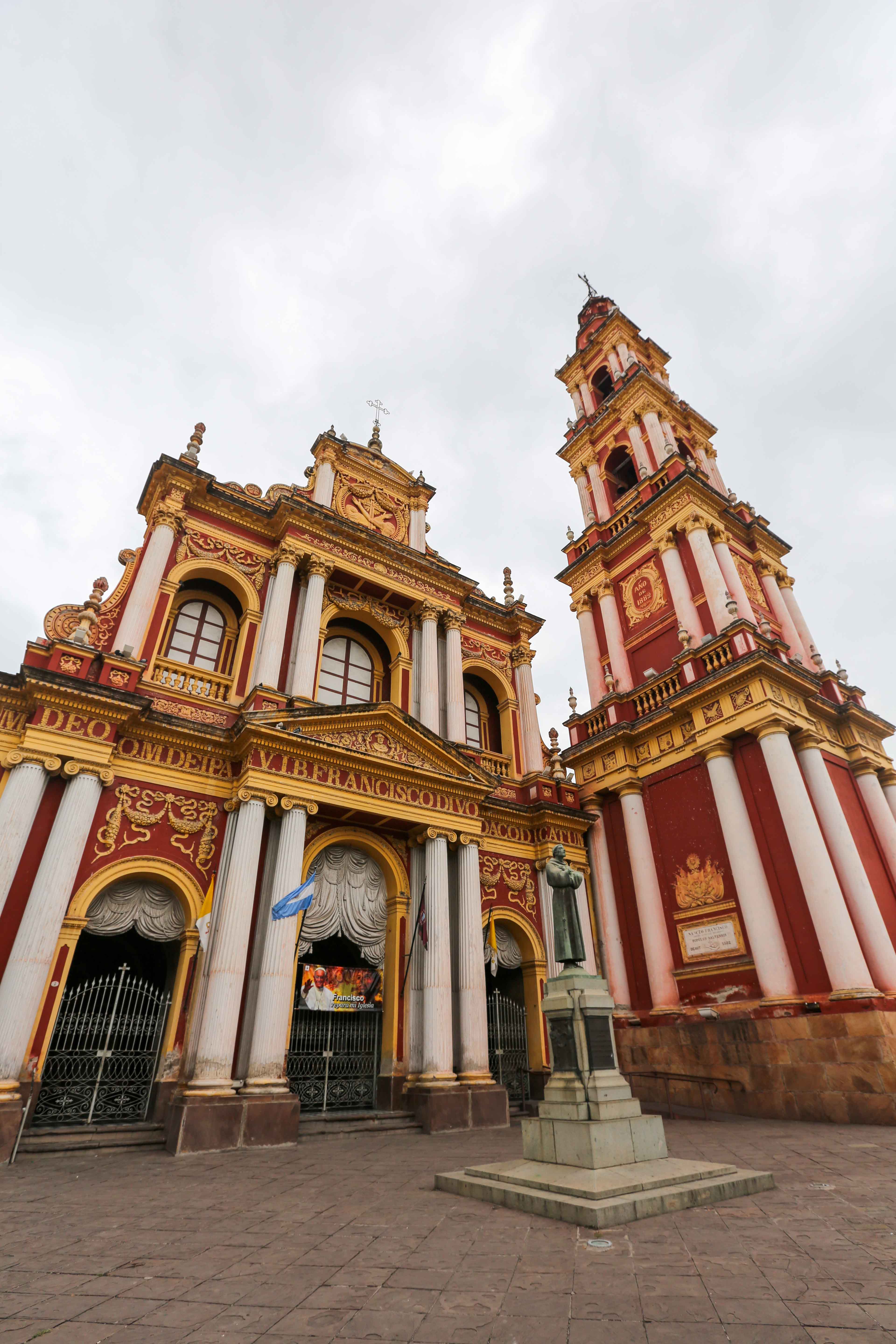
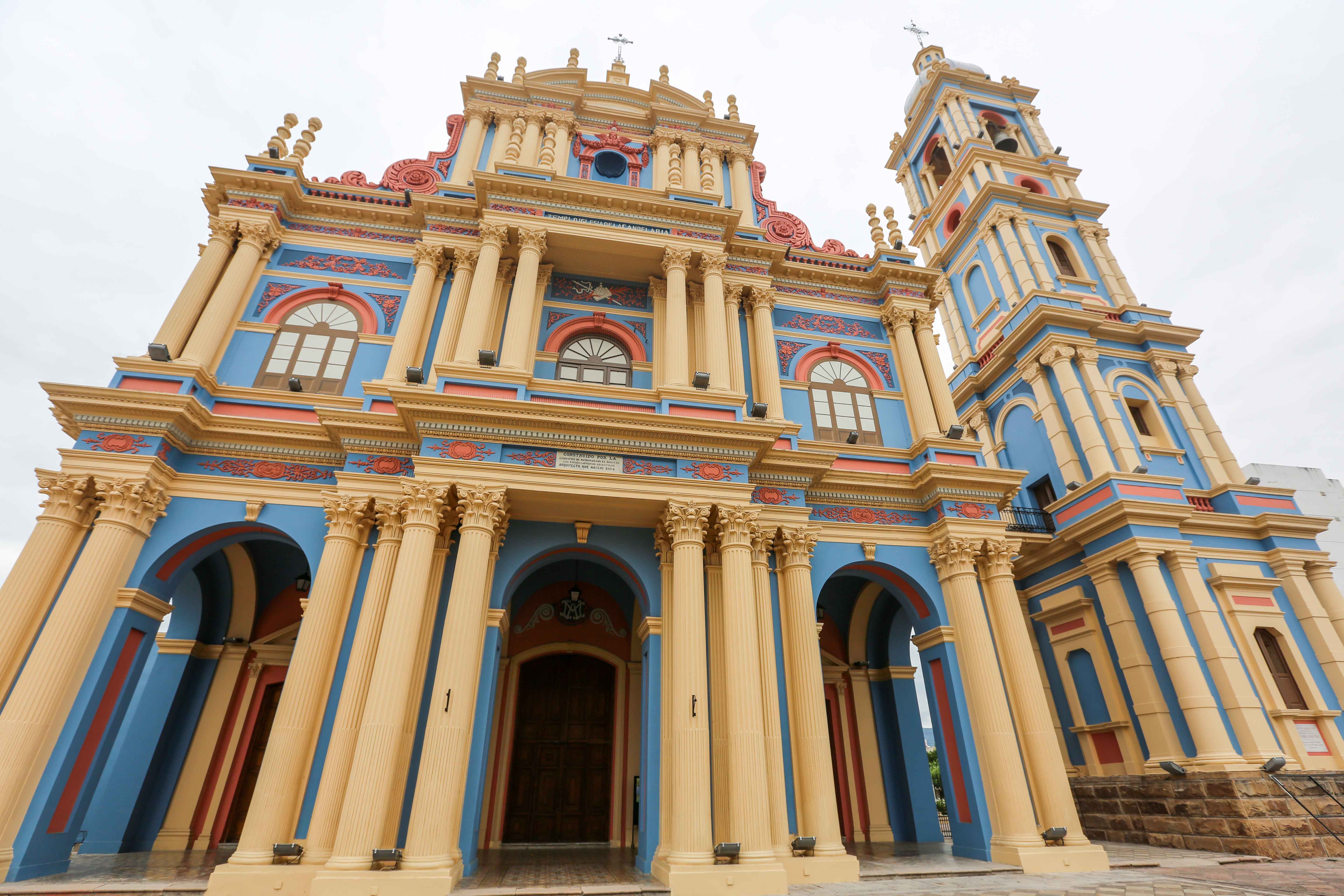
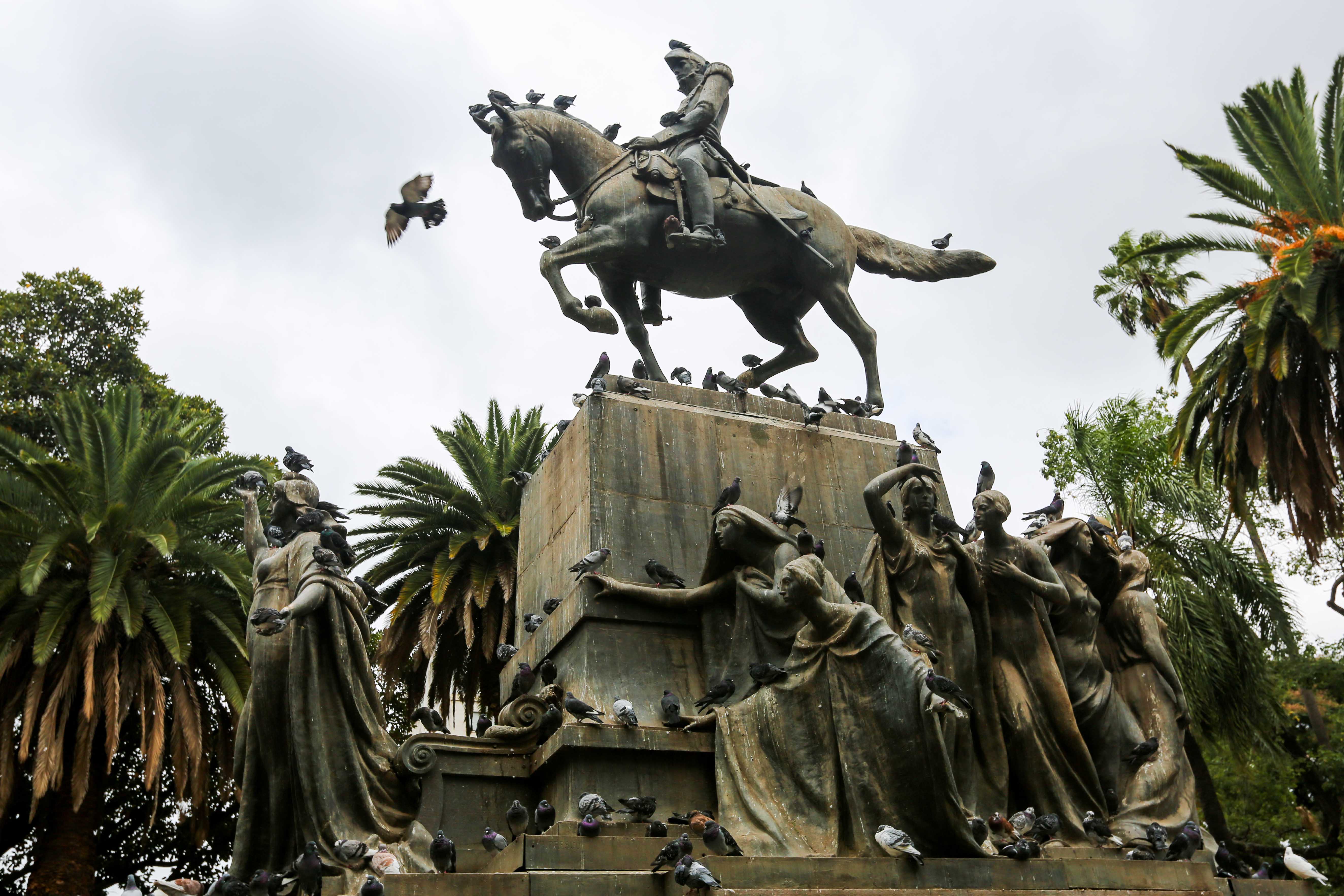
 We viewed Salta from high in the sky, taking a ride on Salta’s cable car (we will be cable car pros by the time we get home!) before continuing to look around, viewing various colourful churches throughout the town and enjoying the main square (especially the pigeon statue – I have never seen so many pigeons on a statue before)!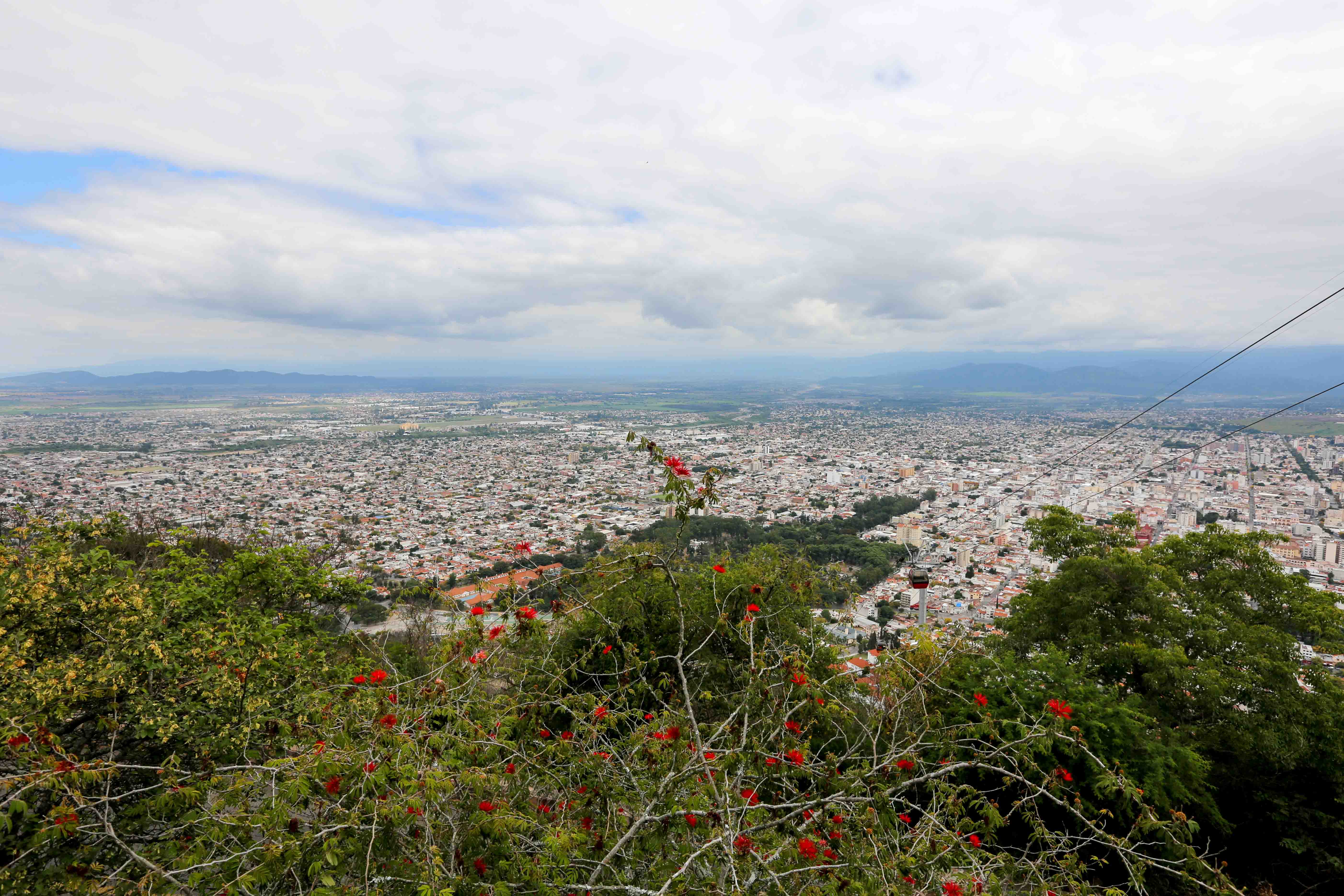

 From Salta, we arranged two day-trips to other regions of northwest Argentina. We took a beautiful 3-hour drive north of Salta to Quebrada de Humahuaca a narrow mountain valley identified by the incredible variations of coloured rock throughout. The valley was used by the Inca Empire in the 15th century and is now a UNESCO World Heritage Site (I swear half of South America is though)!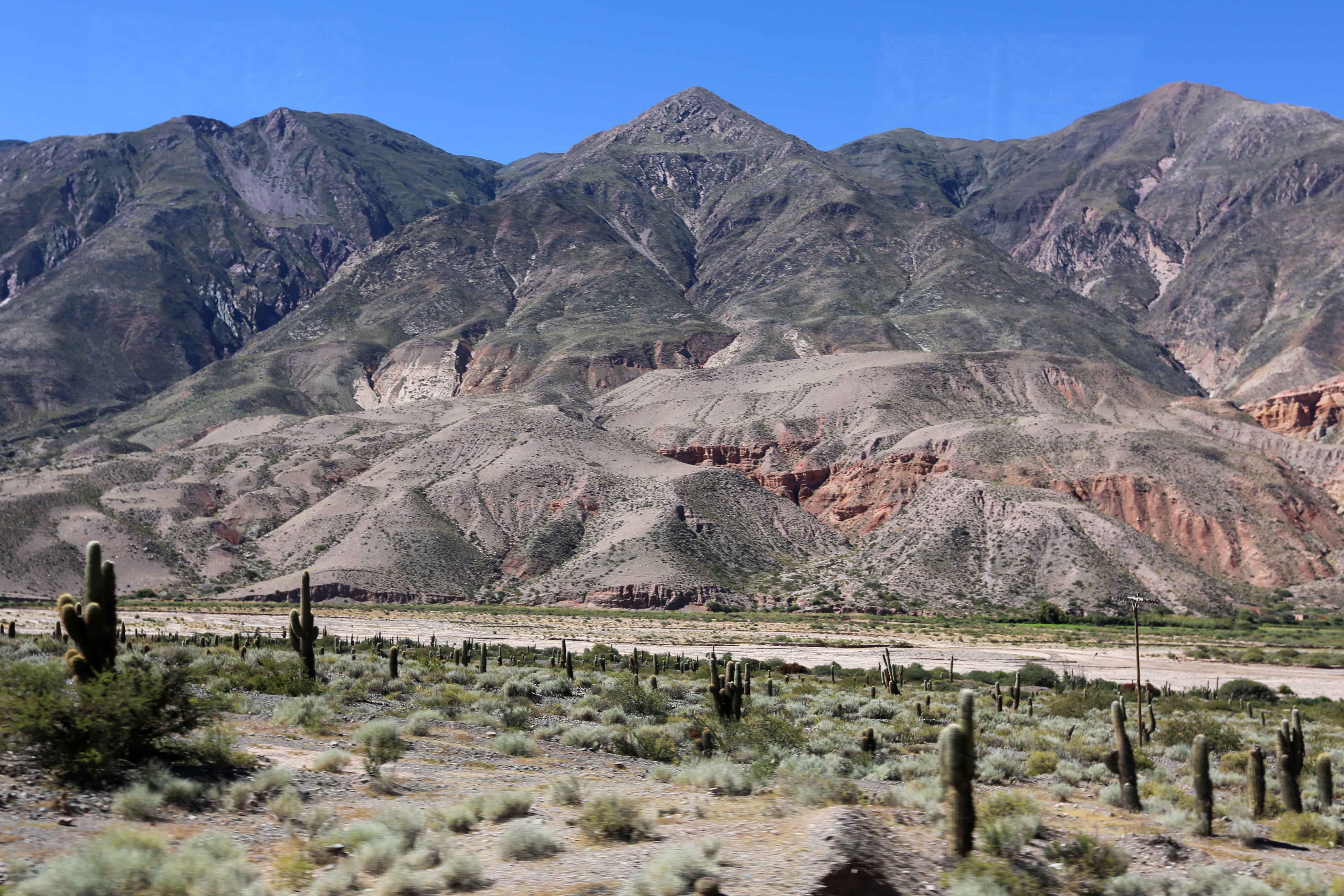
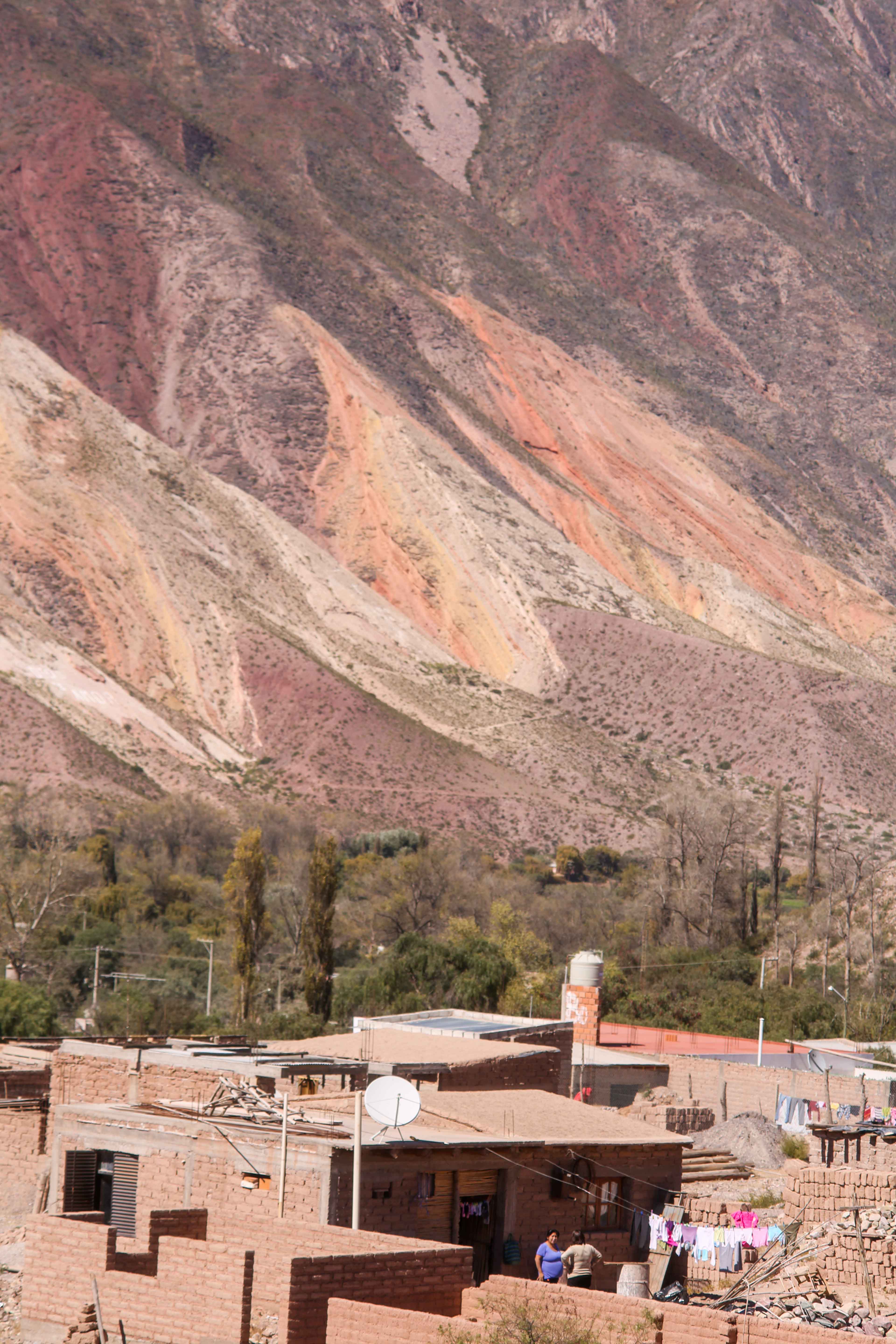 We first stopped in the town of Purmamarca, most famous for Cerro de los Siete Colores (The Hill of Seven Colors). The contrast of colours is really incredible and you will see this hill on postcards EVERYWHERE in the region!
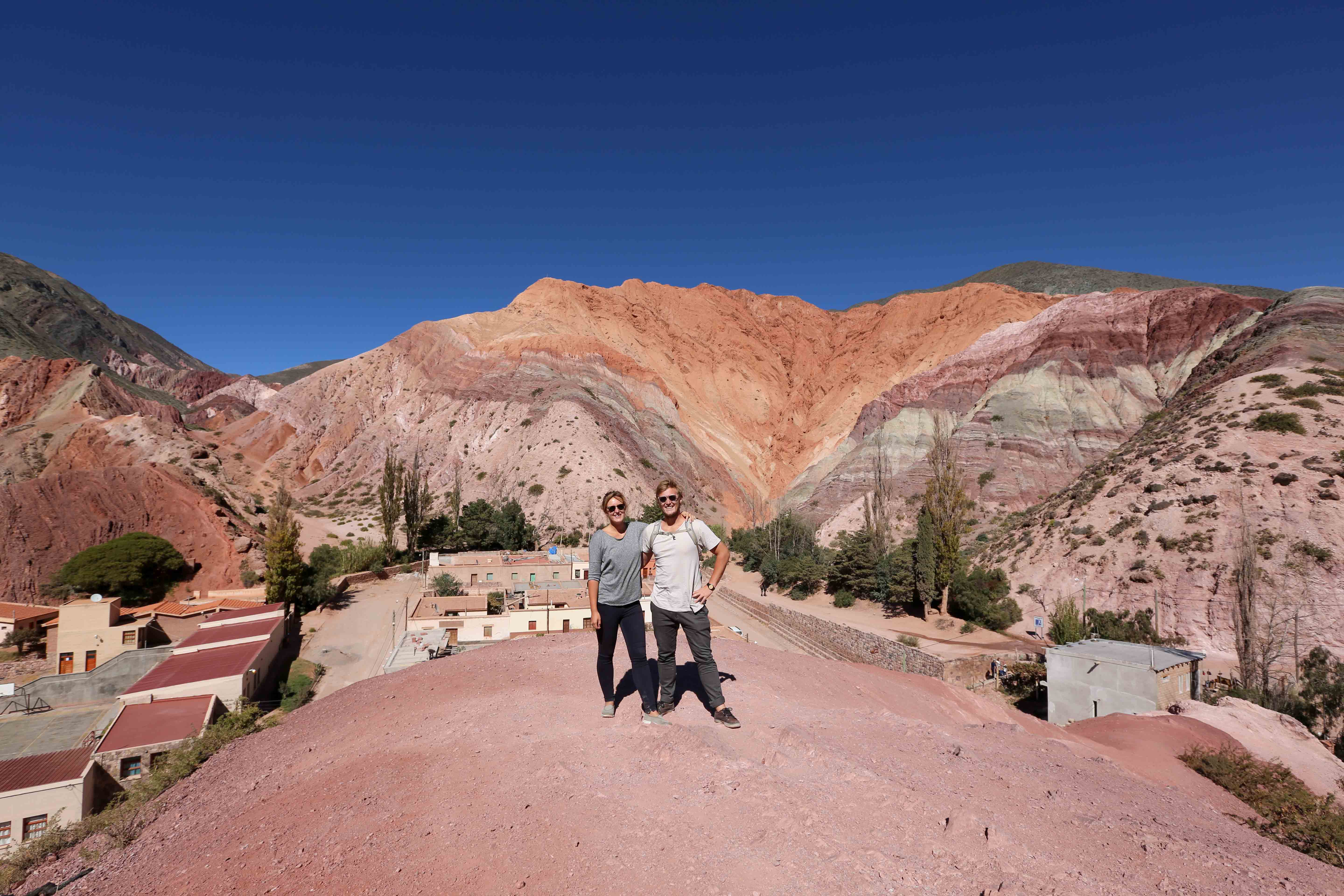
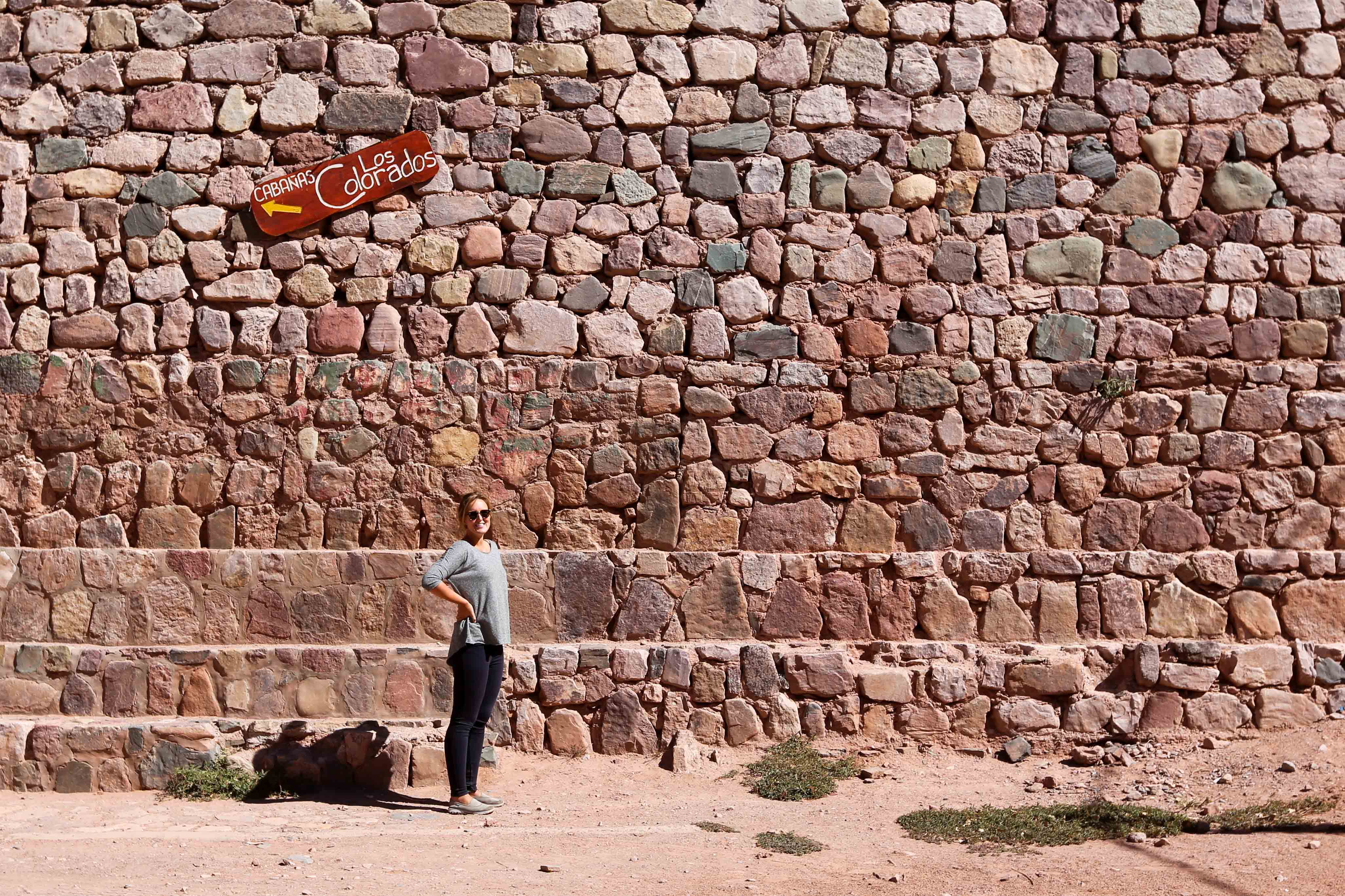 Continuing on we hugged some large cacti, chatted with some llamas and visited some restored ruins before arriving at the town of Humahuaca. I don’t know if I am just stupid but I really didn’t think of cactus plants as being like wood but they sure are and in this region the wood is used everywhere – doors, roofs, photo frames… they love the stuff.


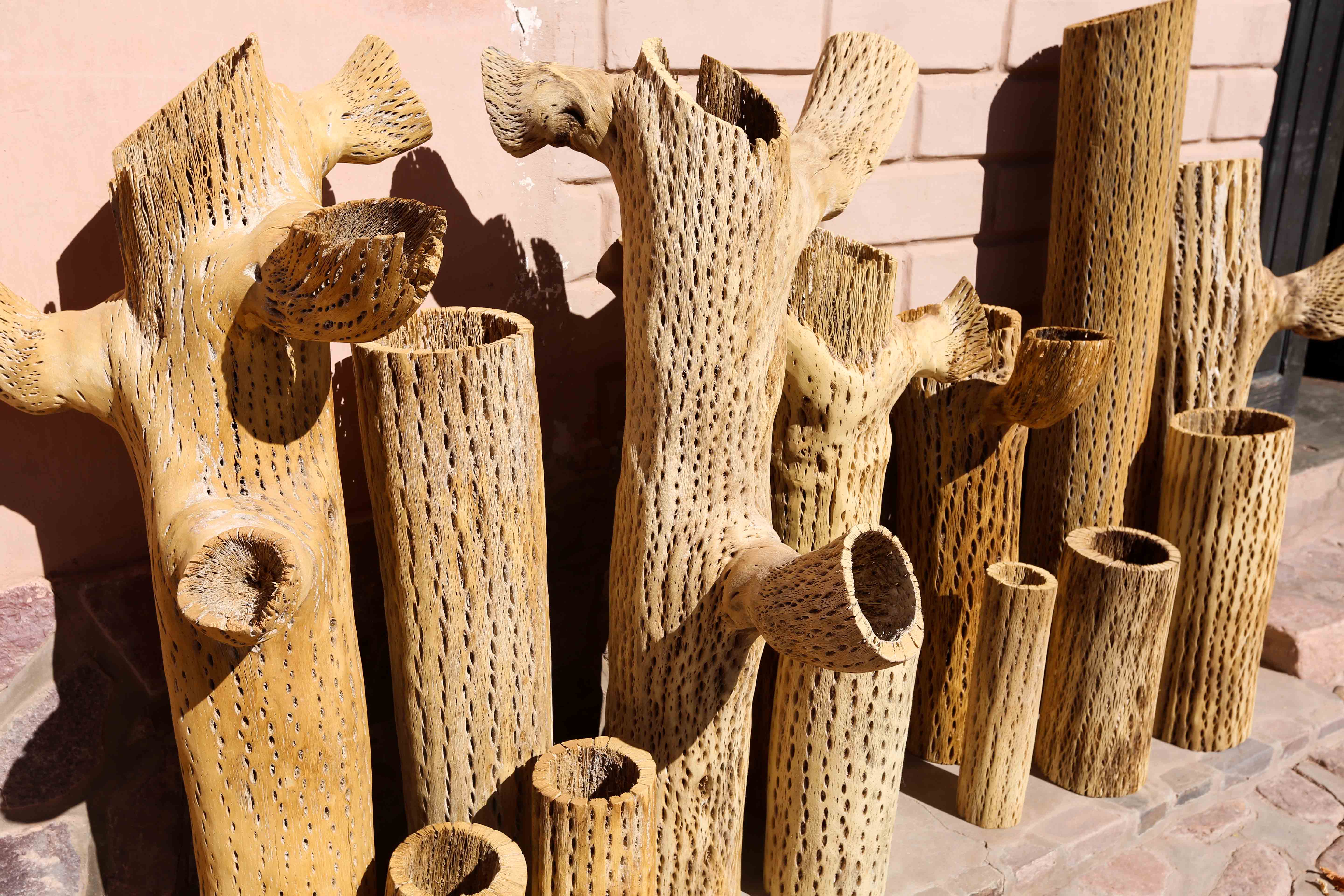 We walked around the town, admiring the view of the mountains and valley in the background while we chewed on some coca leaves – sold everywhere and used by everyone to combat altitude sickness and just for the hell of it I think. Personally they don’t taste all that great but they probably do help a bit, especially for bad stomachs (quite often a side effect of the altitude) – it is very common to have coca tea.
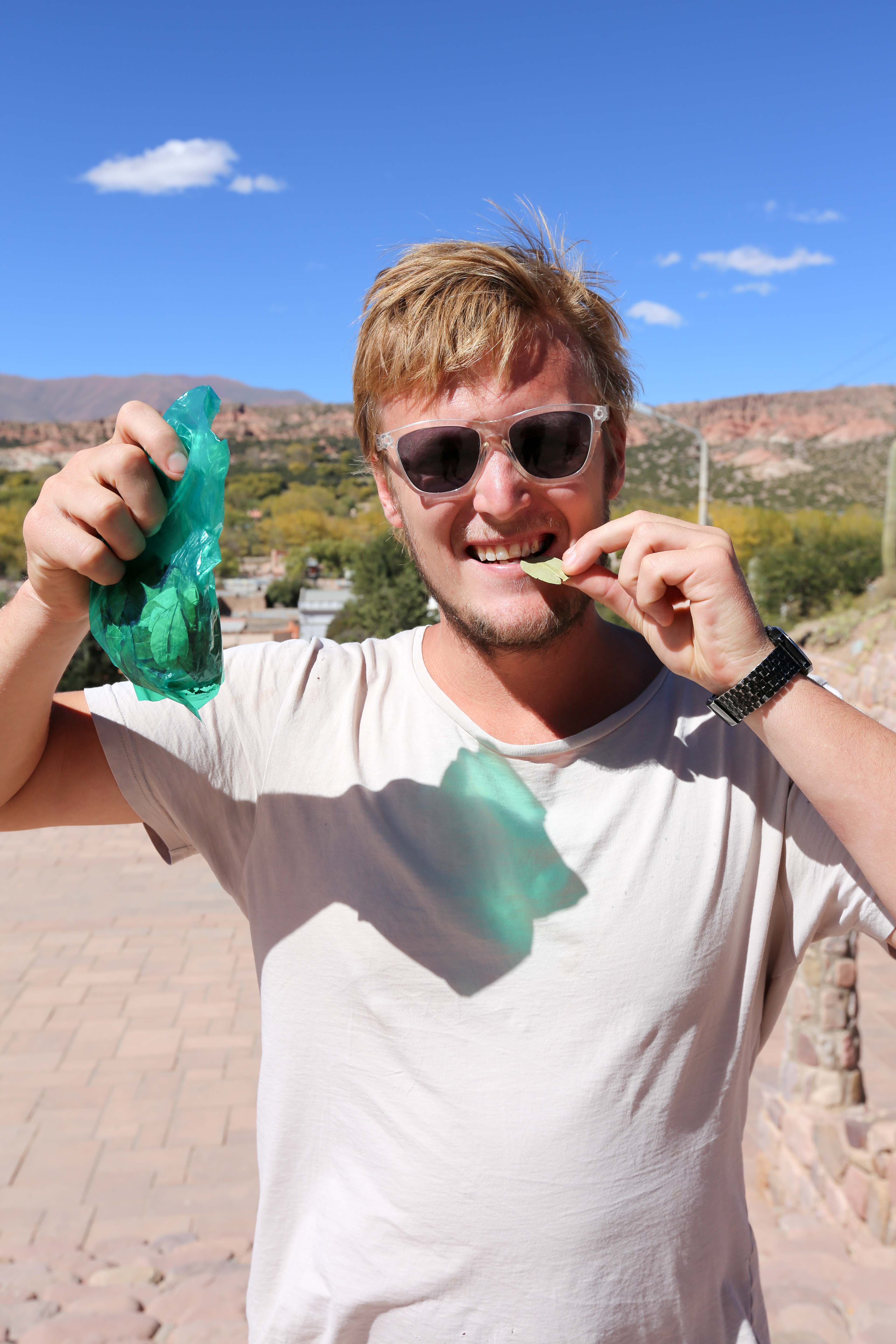

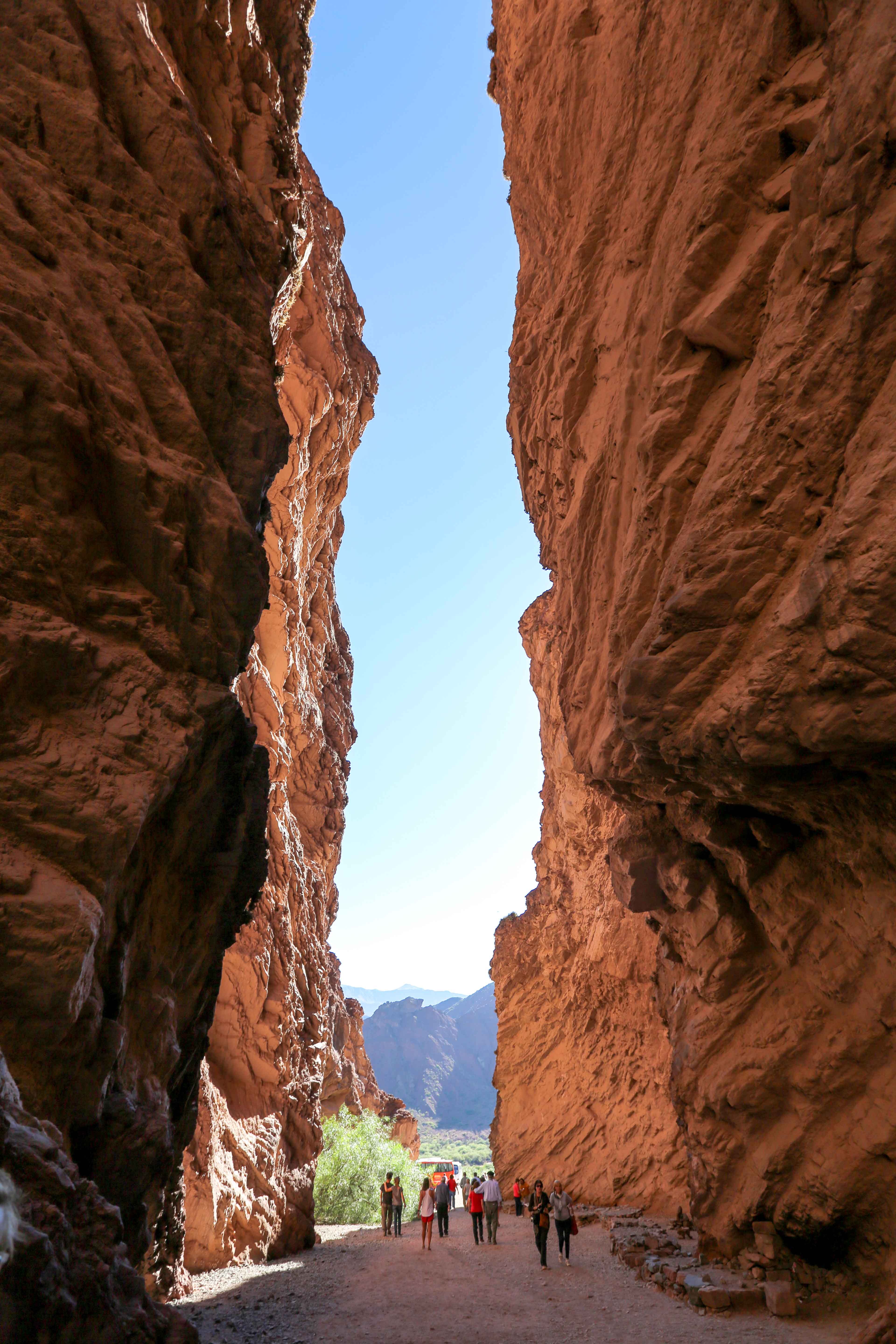
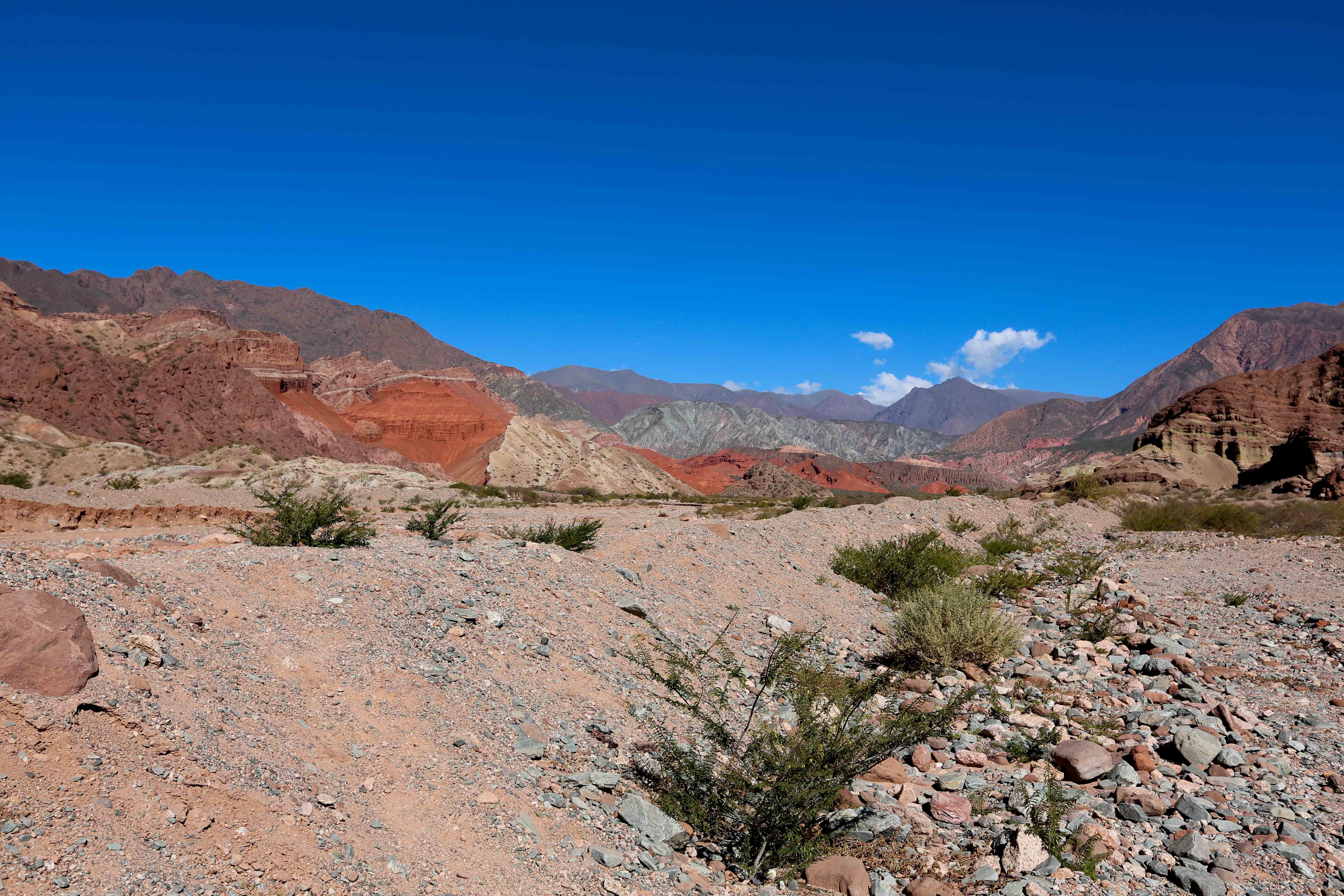
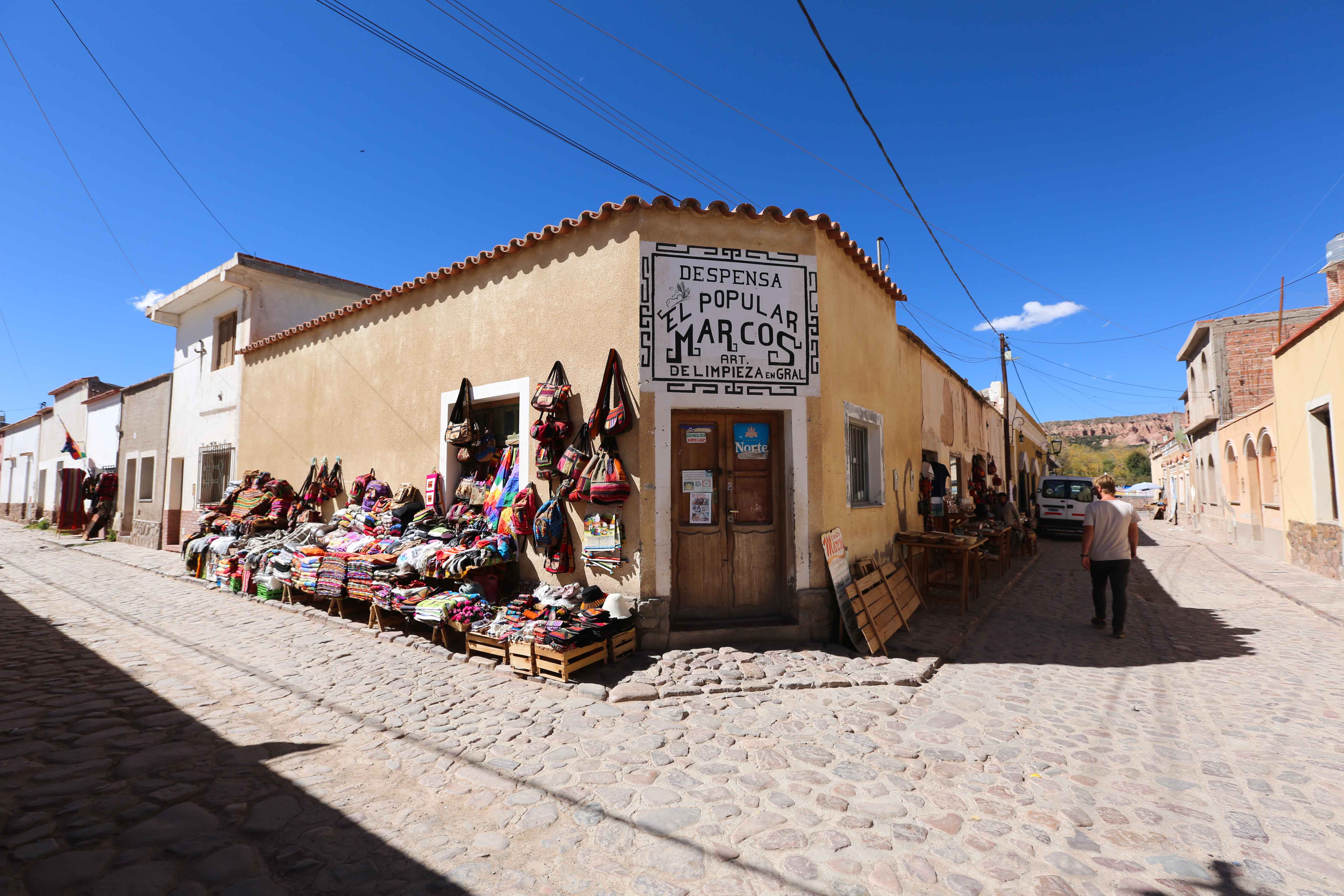 For our next day trip we were off to Cafayate, 190km from Salta city. The drive to Cafayate was absolutely stunning and in many ways it reminded me of outback Australia but on some what of a larger scale. We stopped at different points along the way, admiring the rock formations and different colours as the sun moved over the valleys.

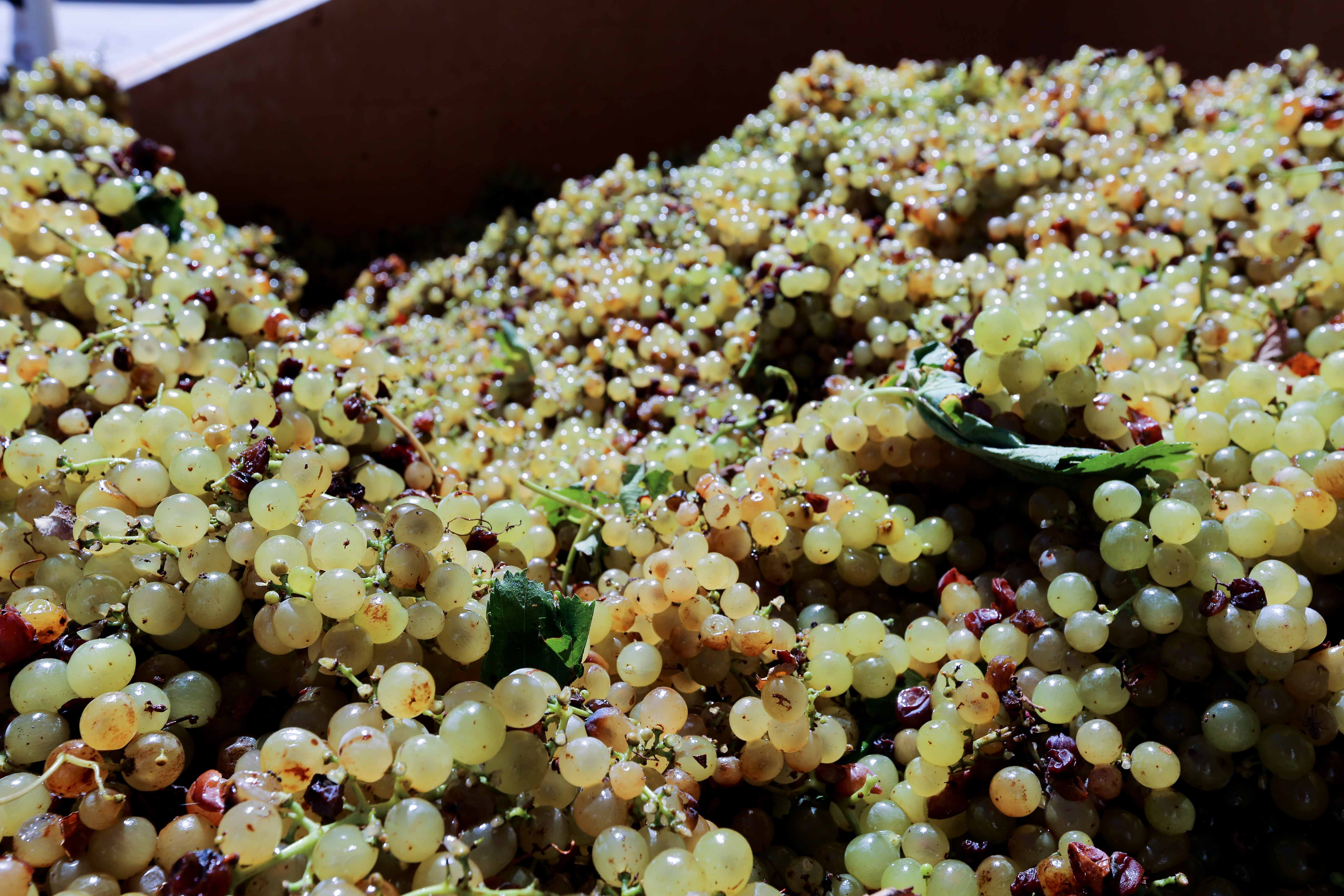
 Cafayate is a wine region and we stopped at Bodega Domingo Hermanos for a tour of their winery before a tasting. The region is famous for Torrontes, a sweet white wine largely produced in the area due to the climate.
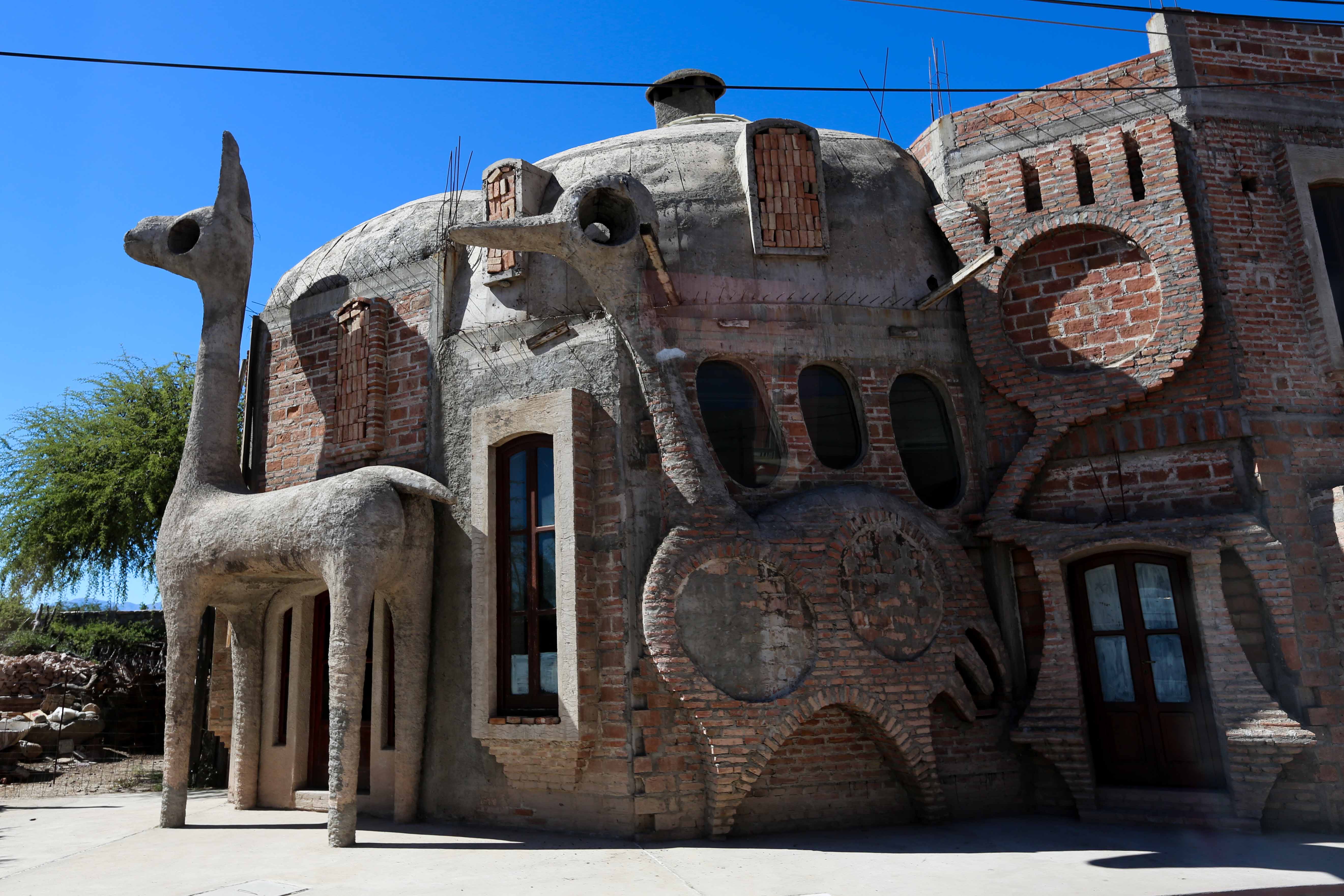
 Following the winery visit, we were left with some time to look around. We went to a local icecreamery where I had white wine and red wine flavoured ice cream while Will tasted some made from cactus. I can’t say either of us were thrilled with our ice cream choices (should have settled for choc-mint) but it had to be tried.

 On the drive back we continued to stop and take in the changing scenery which really was incredible throughout. Looking at the landscape you can really appreciate how much has changed, where water once flowed and how it shaped the surrounding Earth. It’s hard to imagine what people may be looking at in thousands of years to come.
COLONIA
The small town of Colonia del Sacramento was only a short 50km ferry ride from Buenos Aires and encouraged by the prospect of being able to tick another country off the list, we decided to head to Uruguay for the day. Departing from BA, we lined at the immigration counter to be “stamped out” of Argentina. We were then ushered to a counter right next door where we were “stamped in” as arriving in Uruguay – all within the one building which seemed a little strange!
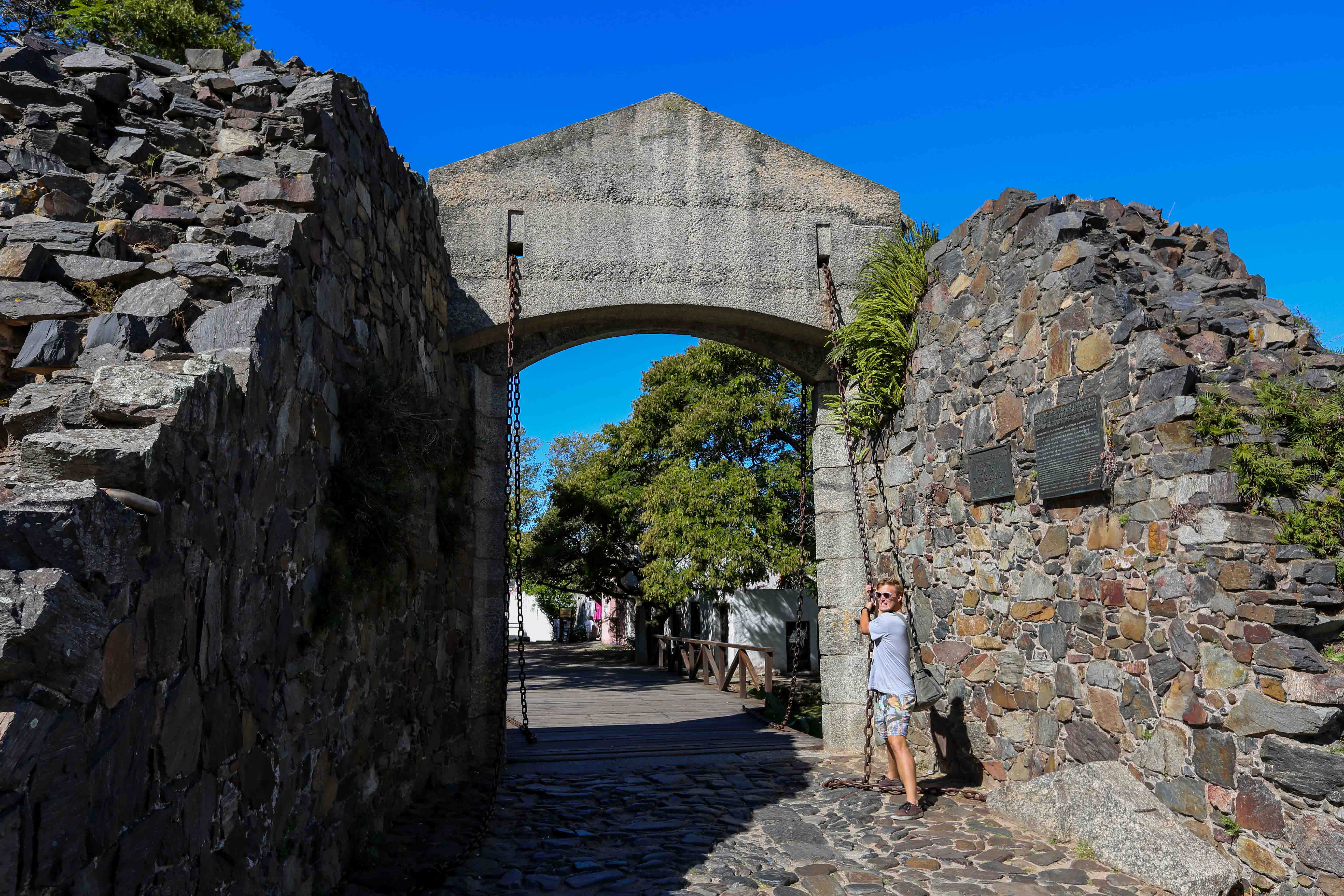
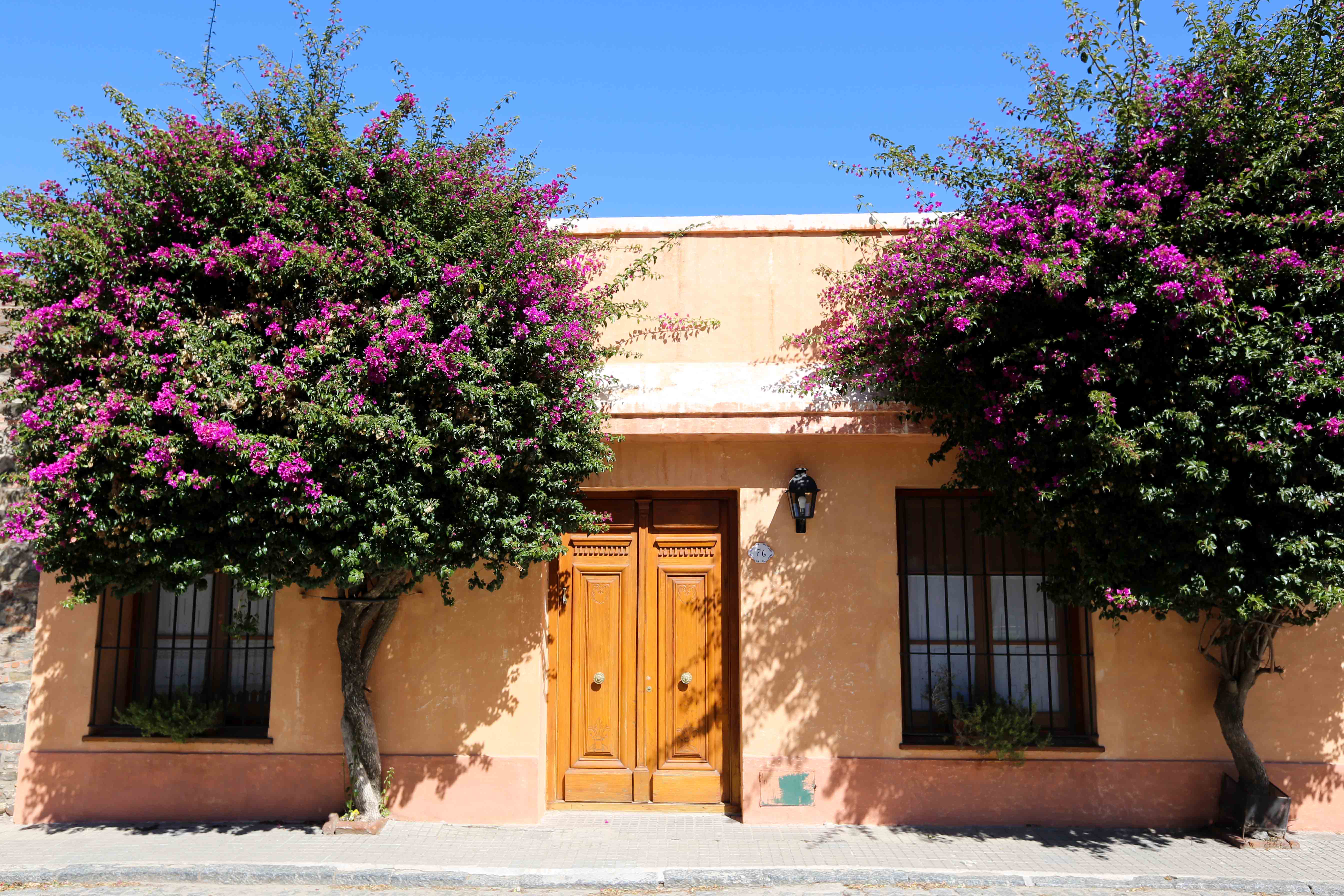
 Colonia is located almost exactly opposite Buenos Aires on the other side of the Rio de la Plata. It was founded by a Portuguese governor (before alternating rule with the Spanish) and is now a Unesco World Heritage site and popular day trip from Buenos Aires. With our friend Oytun from Turkey, we arrived in Colonia in the morning and hired a golf cart to drive around Barrio Historico – the historic neighbourhood containing some of Uruguay’s oldest buildings.


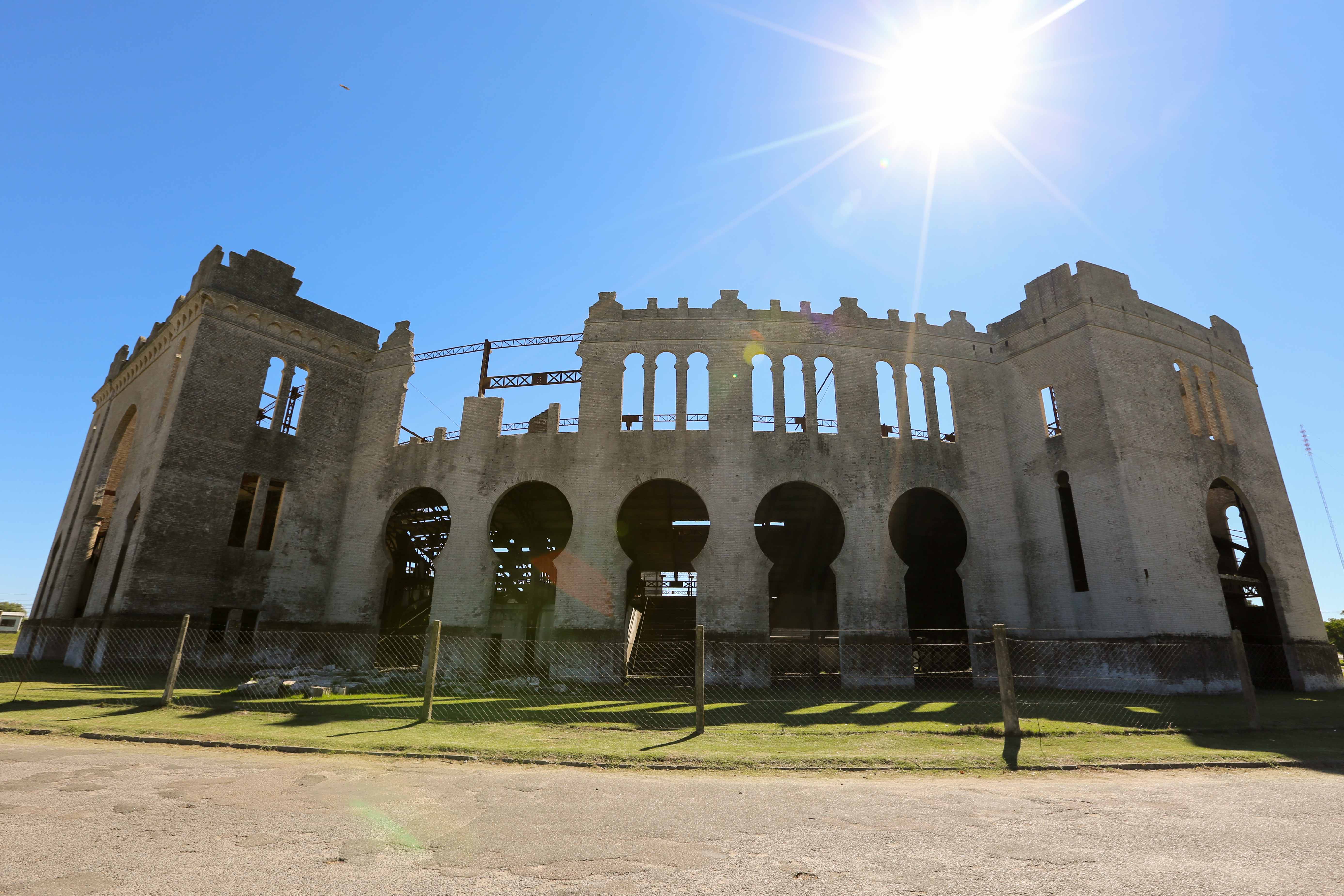
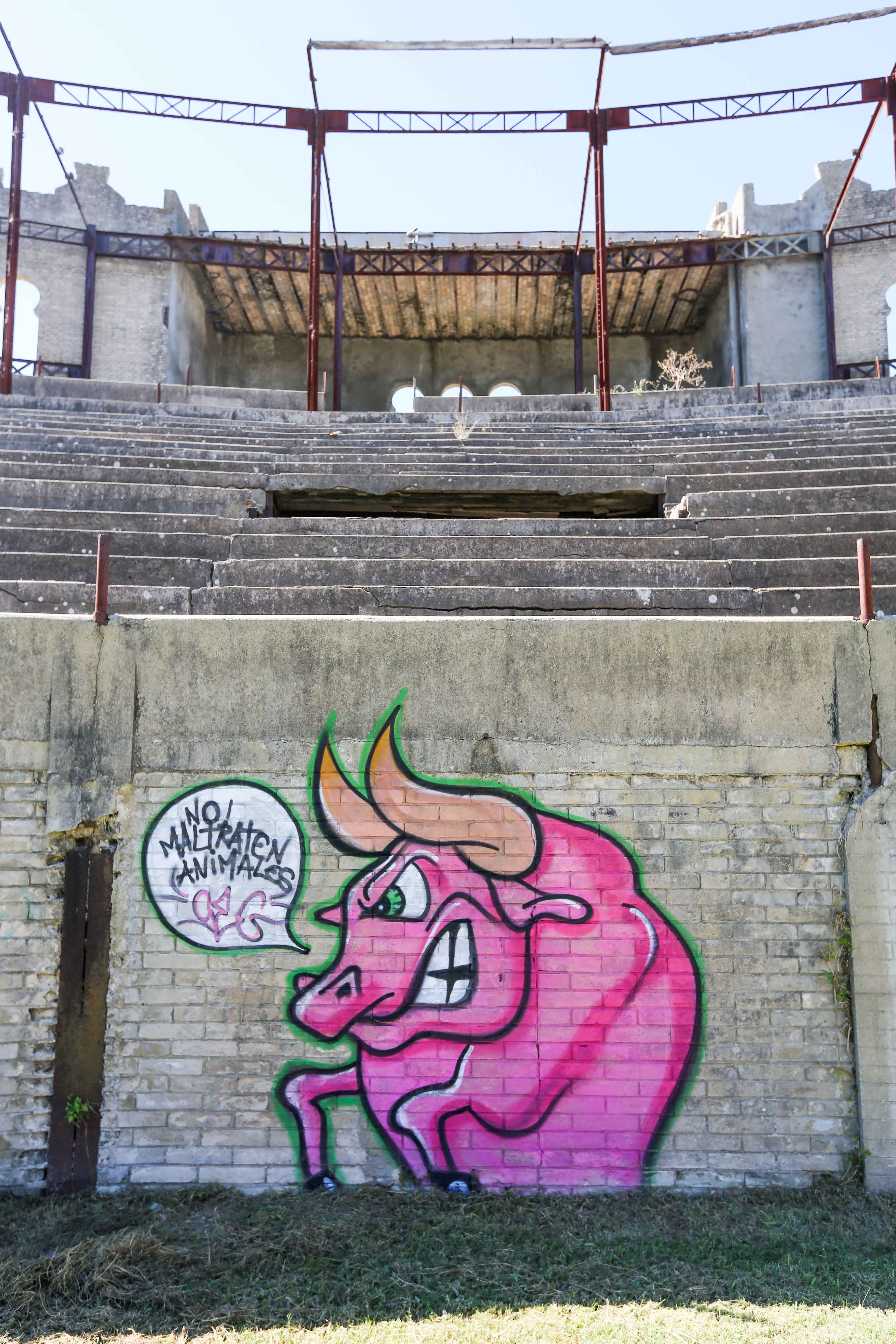
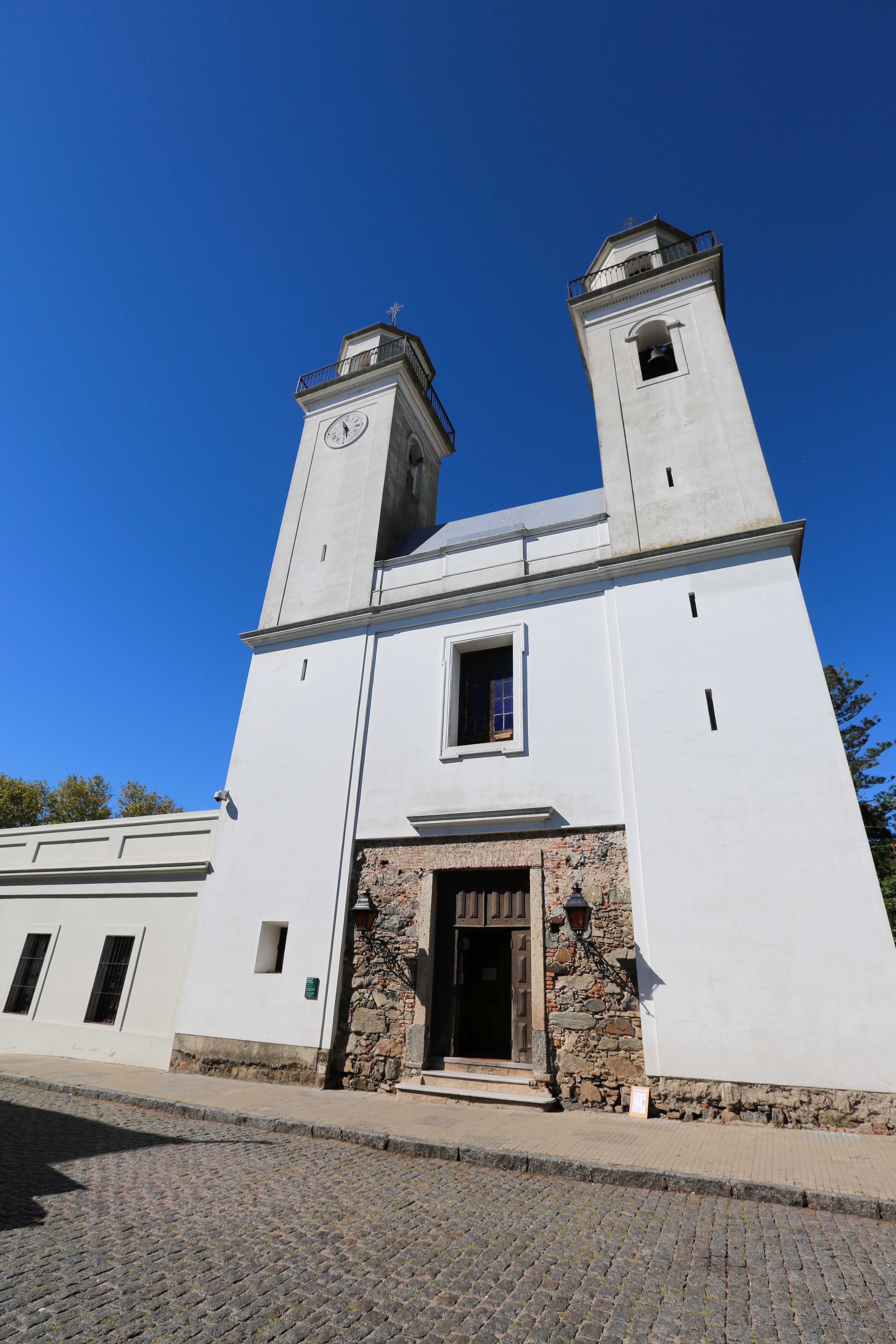 We drove along the river, feeling quite at home with gum trees lining the riverbank before passing an old bull ring – Plaza de toros Real de San Carlos, where we stopped our golf cart and snuck under the fence to have a look inside. It would have been amazing in its day however unfortunately it is crumbling away and I’m not sure if there are any plans to restore it.
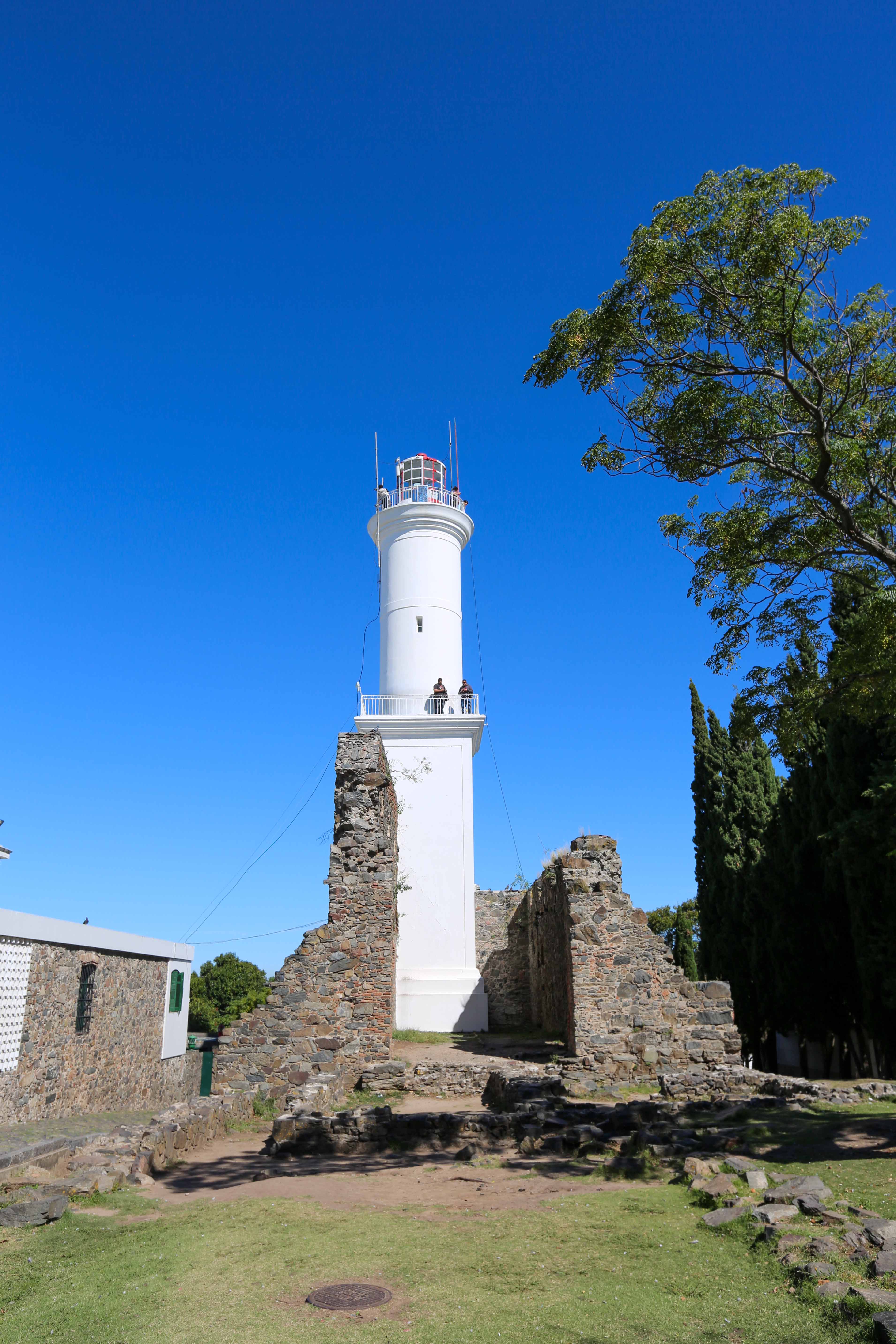
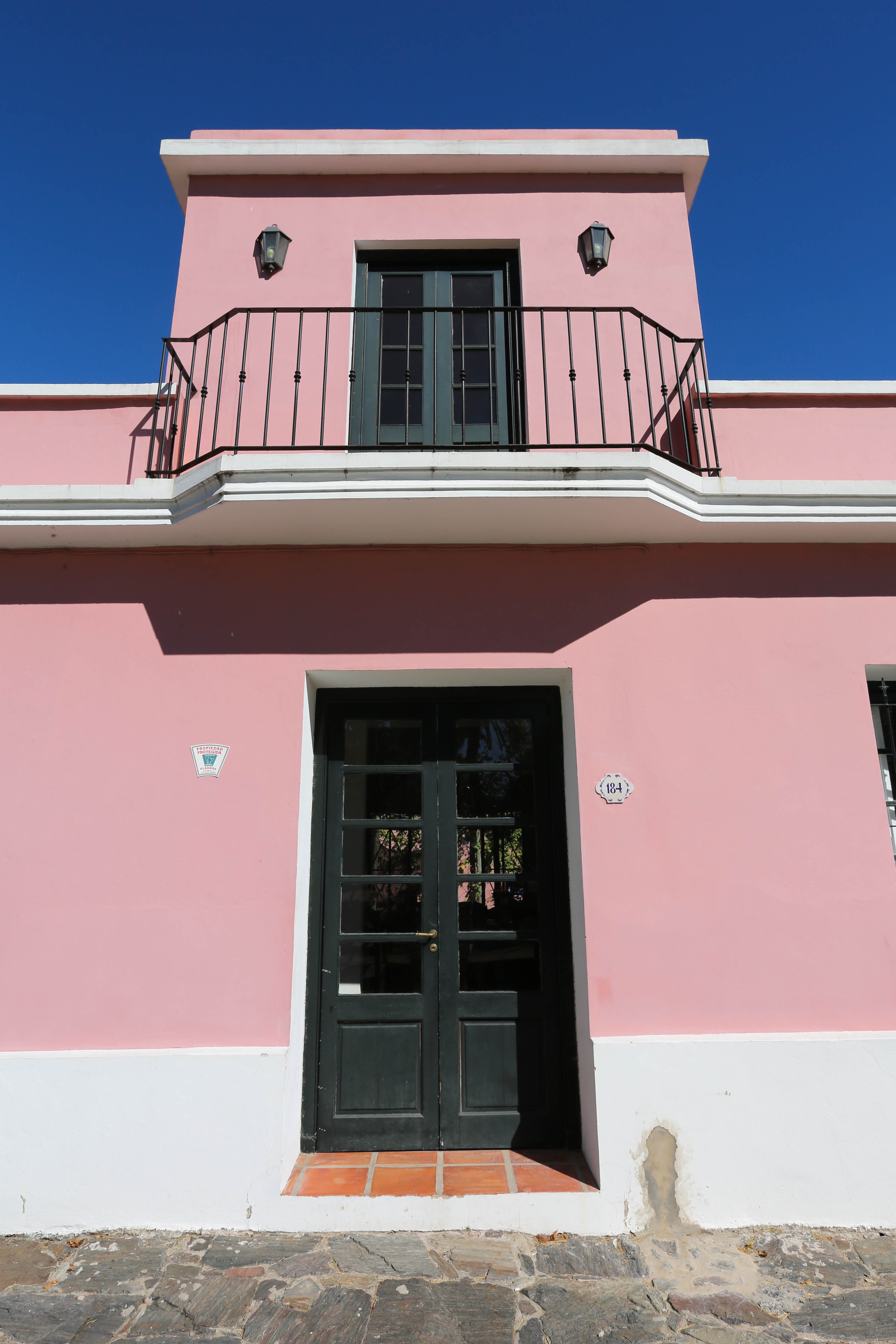
 It was a beautiful day and we parked our golf buggy to walk the Portuguese built cobble stone streets. We walked along the waterfront, past the old wharf and up the stairs of the 17th century lighthouse, located within the ruins of the Convent of San Francisco.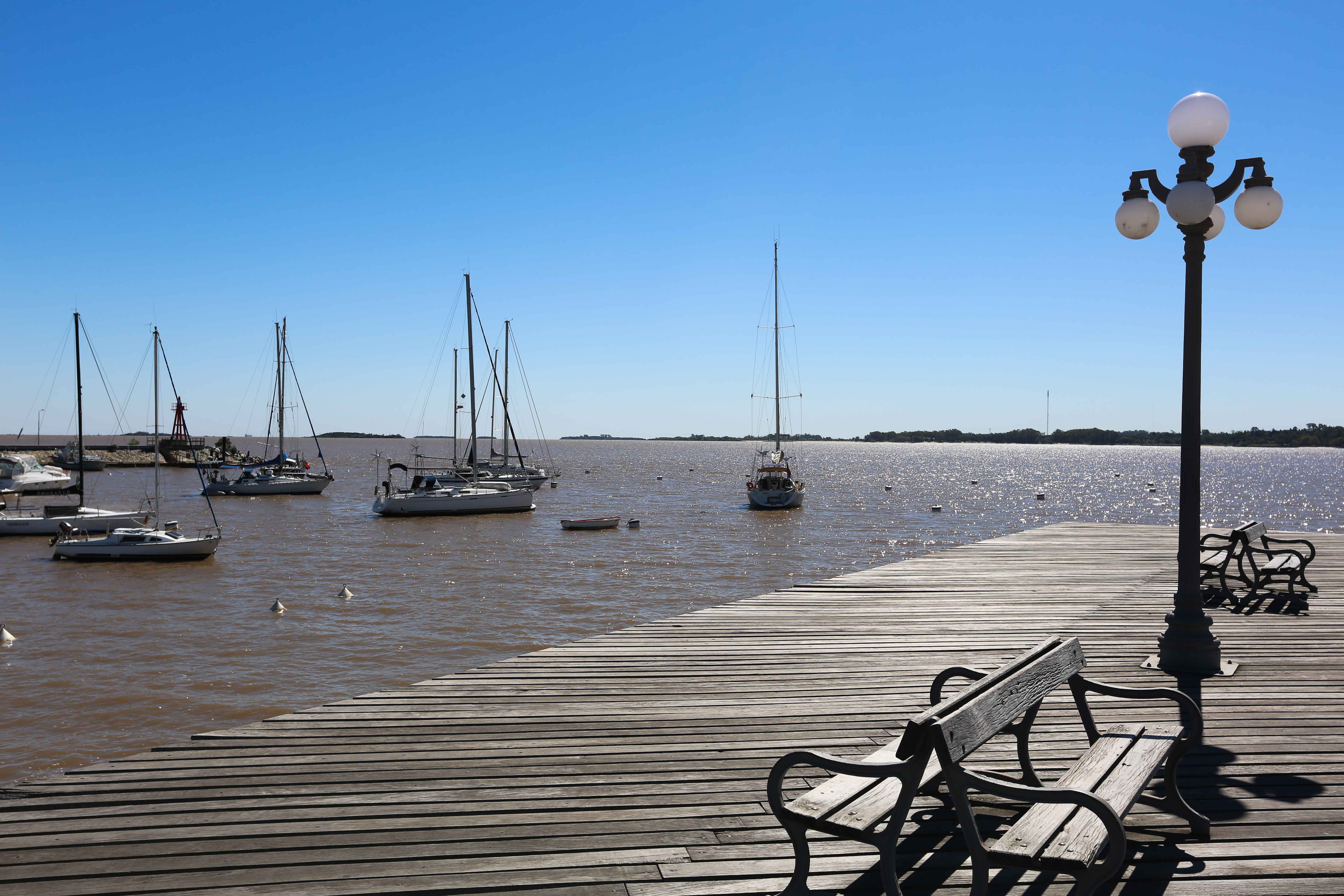

 In addition to exploring the streets, we paid a visit to multiple ATMs to withdraw some US dollars, which we could exchange on the streets of Buenos Aires at a rate of 8 Argentinian pesos to 1 US dollar (as opposed to the official rate of 5 Argentinian pesos). It is so crazy how accessible it is to exchange money on the “black market”, everyone is doing it (including Argentines) and for us it meant getting an extra 60% for our dollar. Inflation rates are so high in Argentina that there is no value in saving Argentinian pesos and Argentines would prefer to exchange their pesos for US dollars. With Uruguay so close for many Argentines, it makes sense to travel across the river to withdraw US dollars and the lines at the ATMs were incredible.
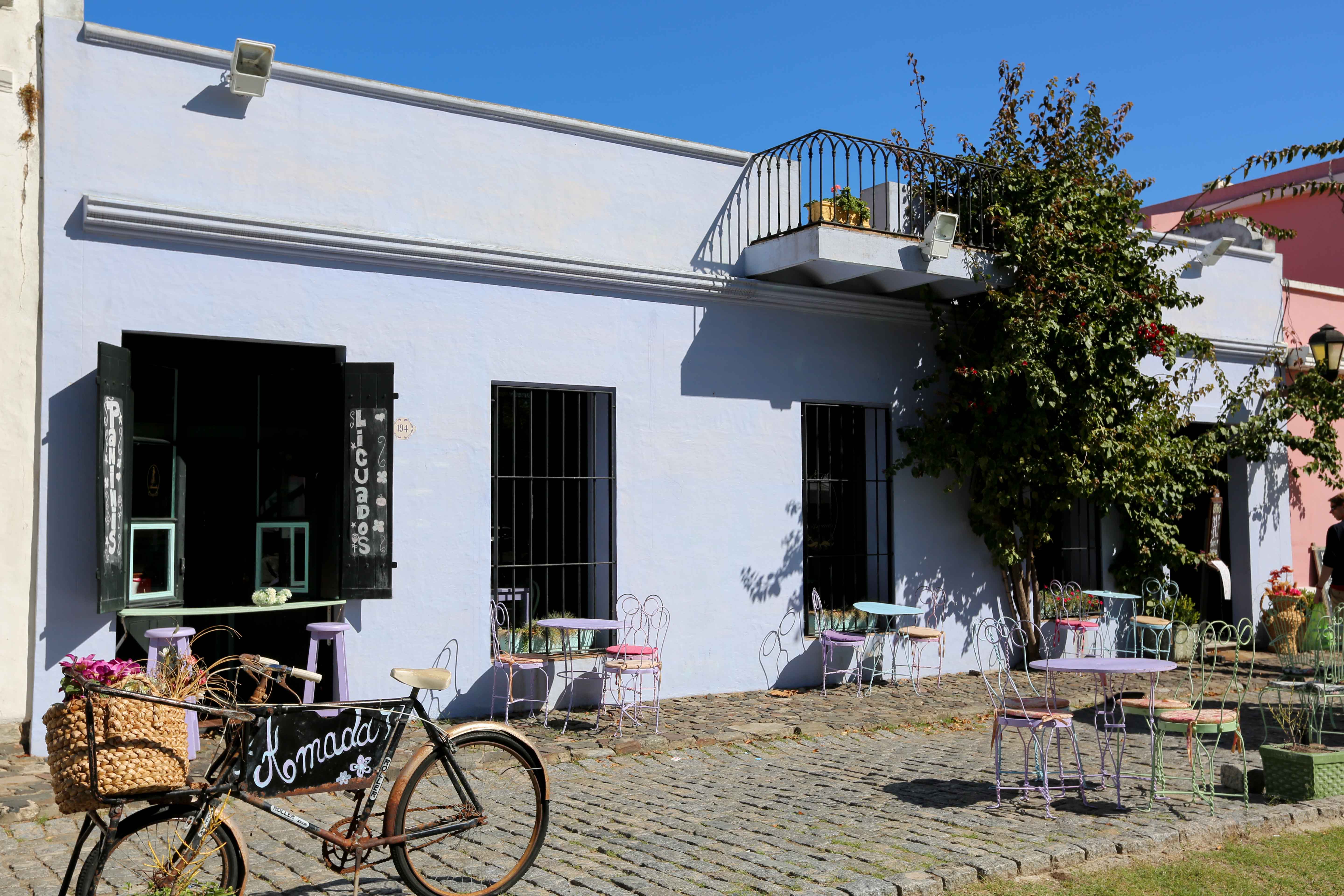
 We finished off our trip to Uruguay with some ice-cream at a local ice-creamery before boarding the ferry back to Buenos Aires.
 HEREWHEREWEARE