Sleeping on the bus ride to Buenos Aires we woke to the feeling of a wet floor below us. When I say we woke, really Will woke in a panic that perhaps he had wet himself in his sleep! It had been pouring down rain ever since we left Cordoba and it appeared that not even the inside of the bus had escaped the storm. Luckily, we had picked up our belongings before they got too wet unlike the poor man next to us who we watched on arrival as he squeezed the water out of his bag. Unfortunately, relief had struck too soon and as I retrieved my backpack from below the bus it also felt quite damp. Continuing on to our hostel I was surprised to find the whole contents of my bag was soaking wet – welcome to Buenos Aires!

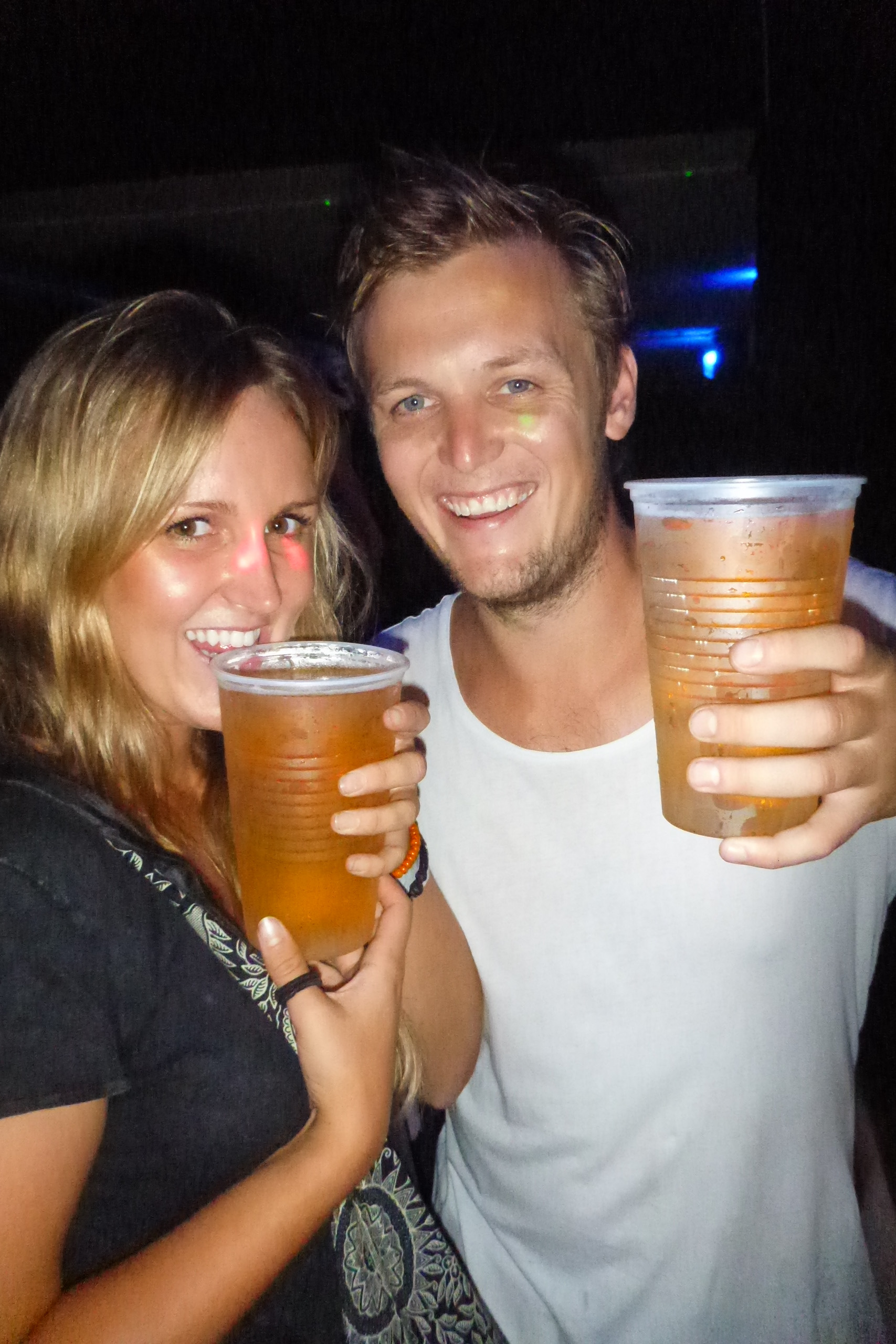
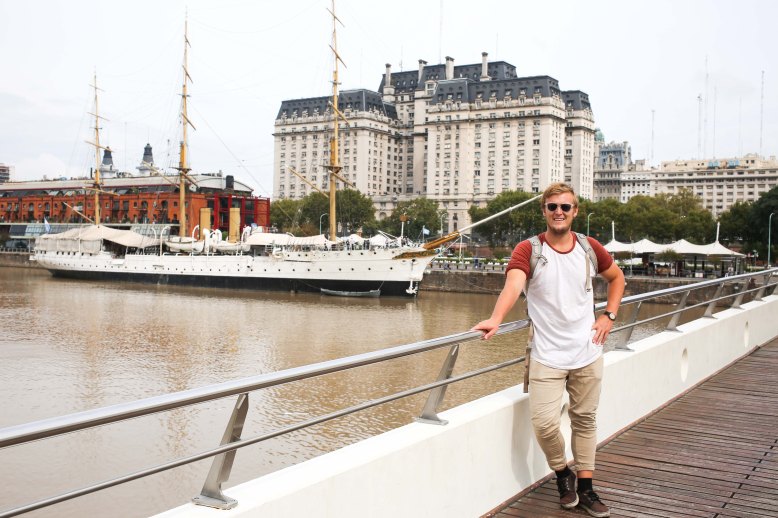
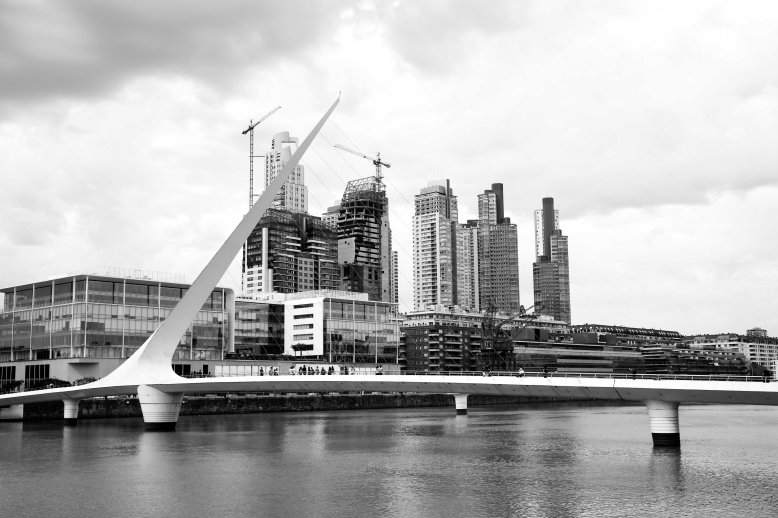
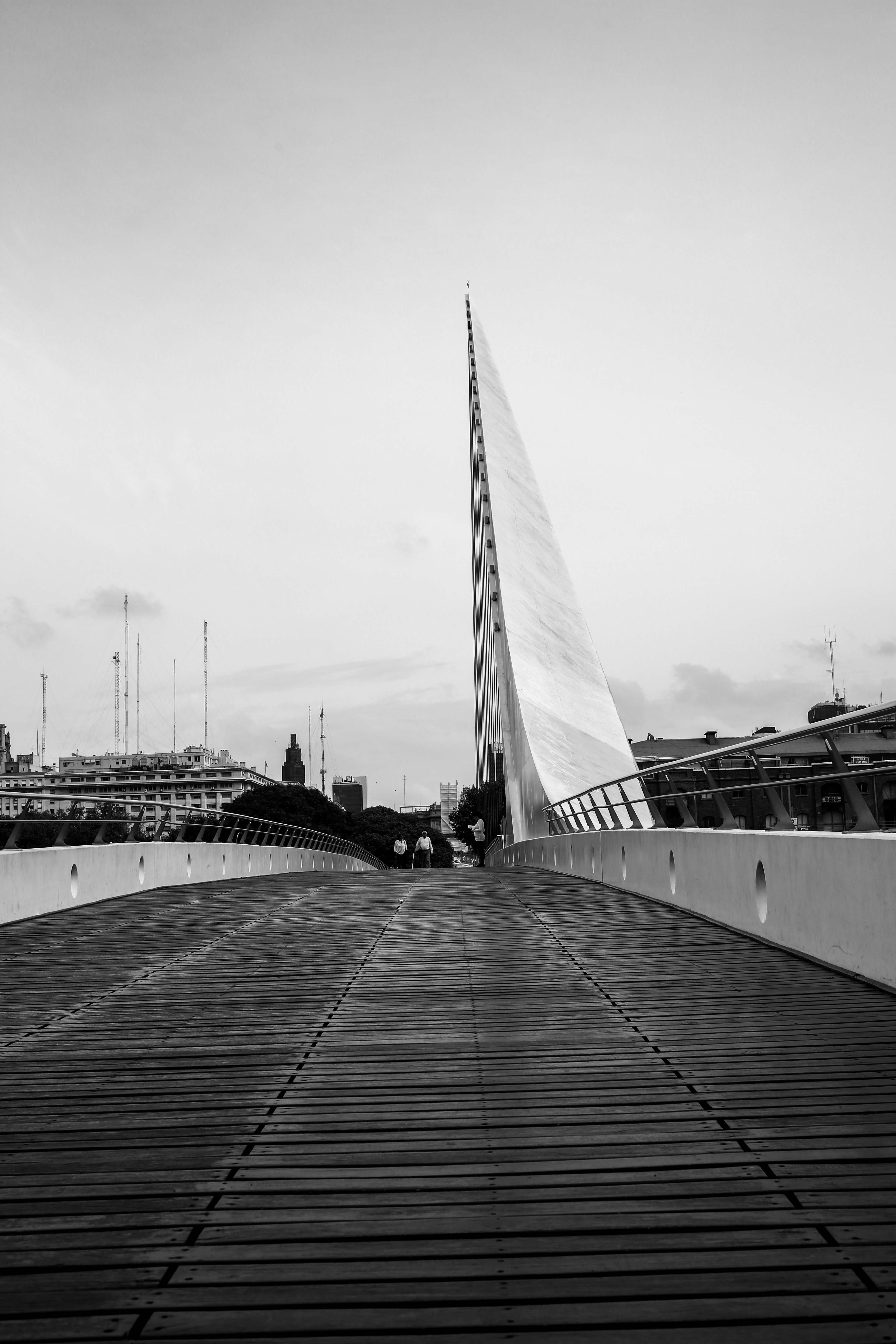
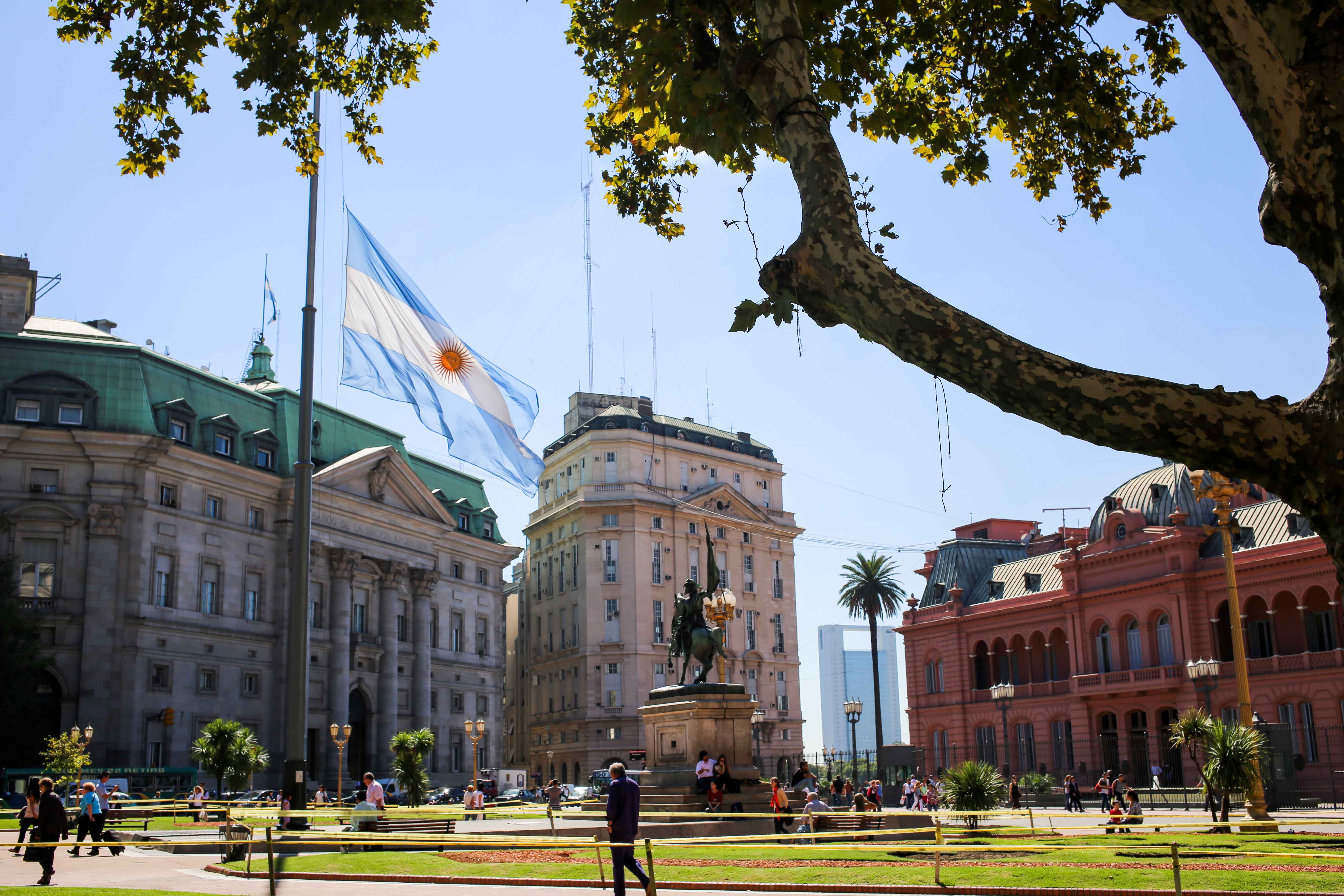
 It was Easter Monday and the streets were quiet (although luckily I did find a laundromat to sort out my soaking clothes)! We walked along Buenos Aires’ (or as many call it B.A) newest neighbourhood Puerto Madero, the old waterfront and as it goes in many cities, now some of the most expensive real estate in B.A. The weather was still recovering from the incredible amount of rain and we once again were victims of the worst of it when we joined an incredibly lame pub crawl on our first night. According to their website they “take you to the best bars and hottest clubs” whereas the reality is they take you to empty excuses for pubs complete with “bar crawl hosts” that exude tacky tourist. I guess the one advantage of that was, we went out of our way to get drunk really fast (not hard when they sell beers on tap in 1 litre plastic cups) and this also numbed the pain when it absolutely poured down rain as we waited to get into one of their “exclusive” venues.
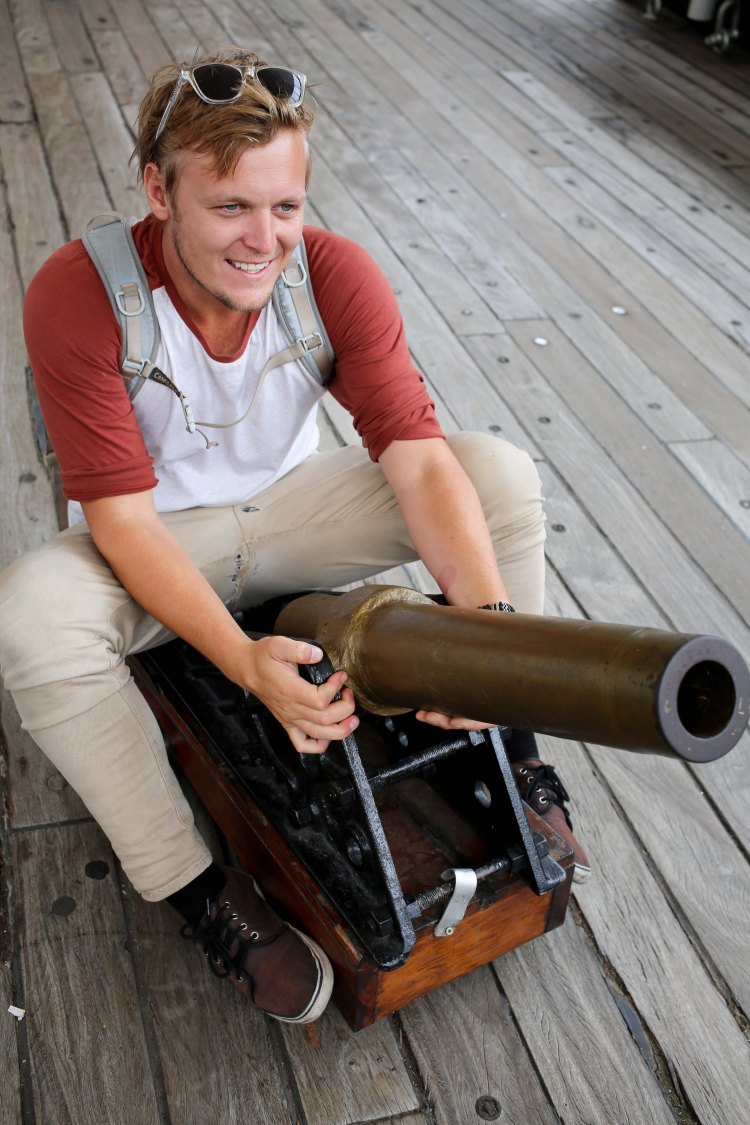
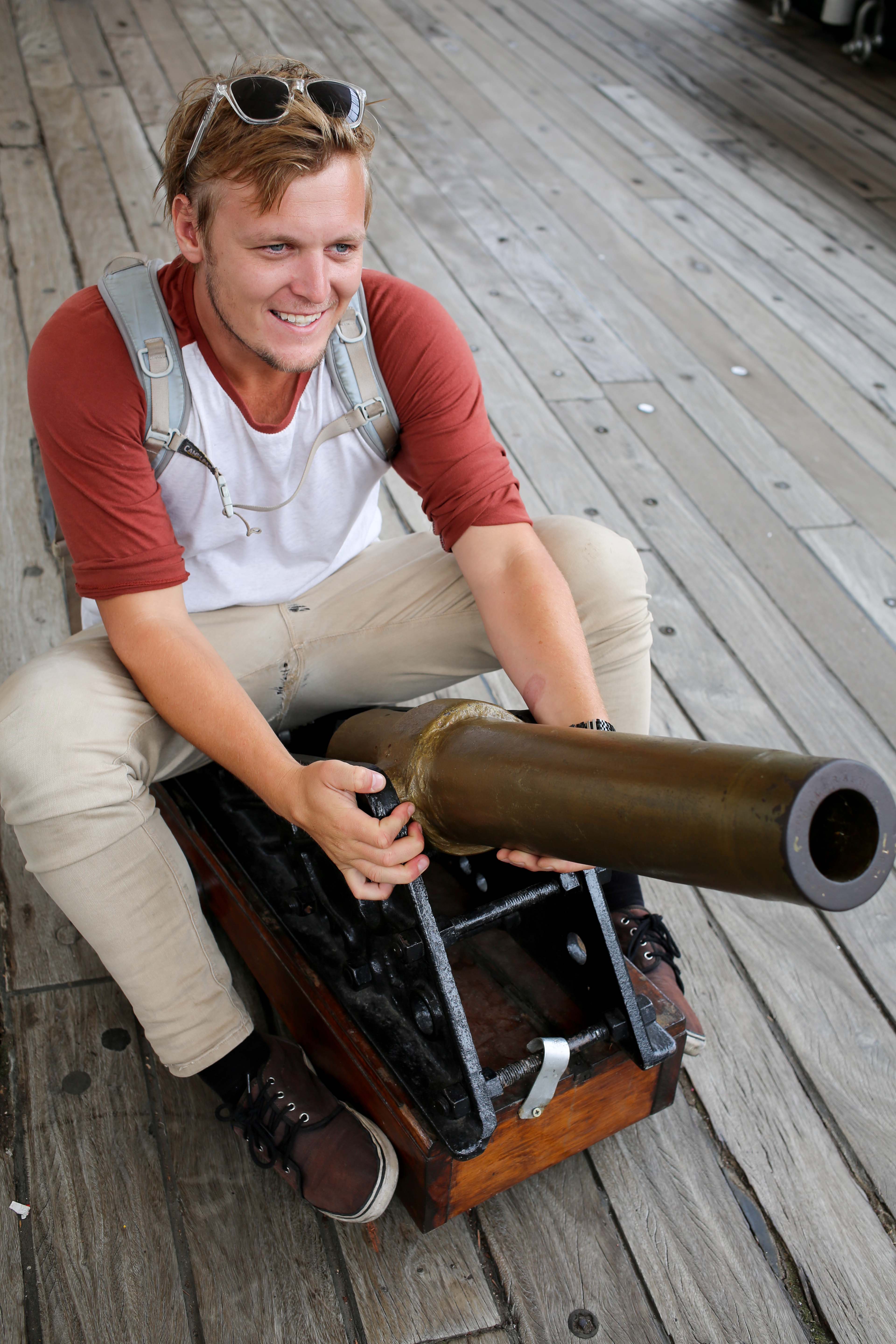
Will and his big cannon..

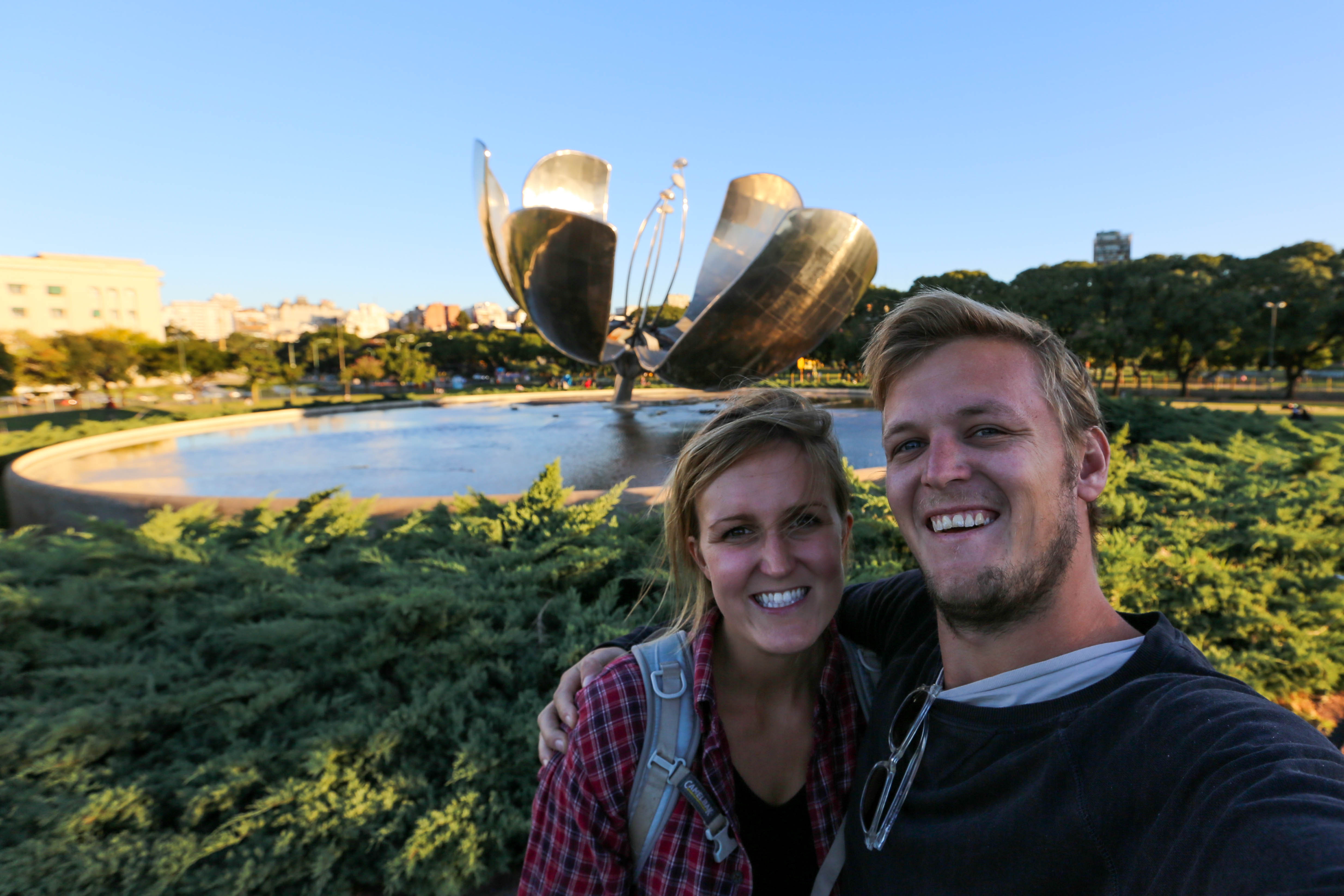
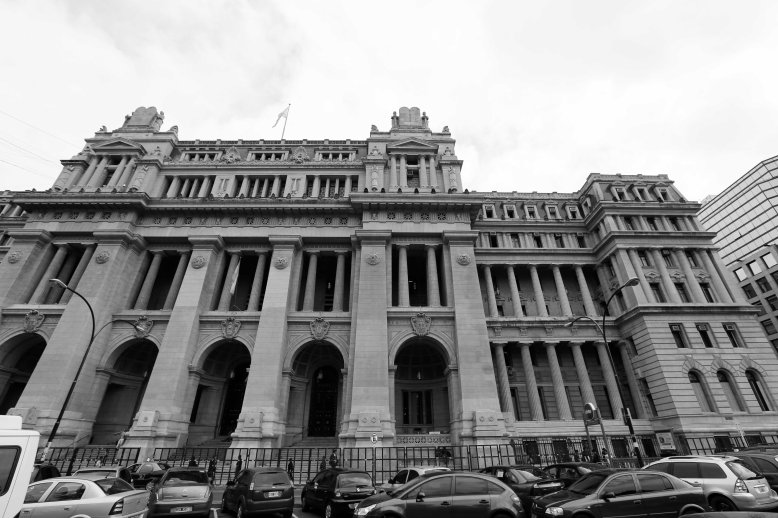
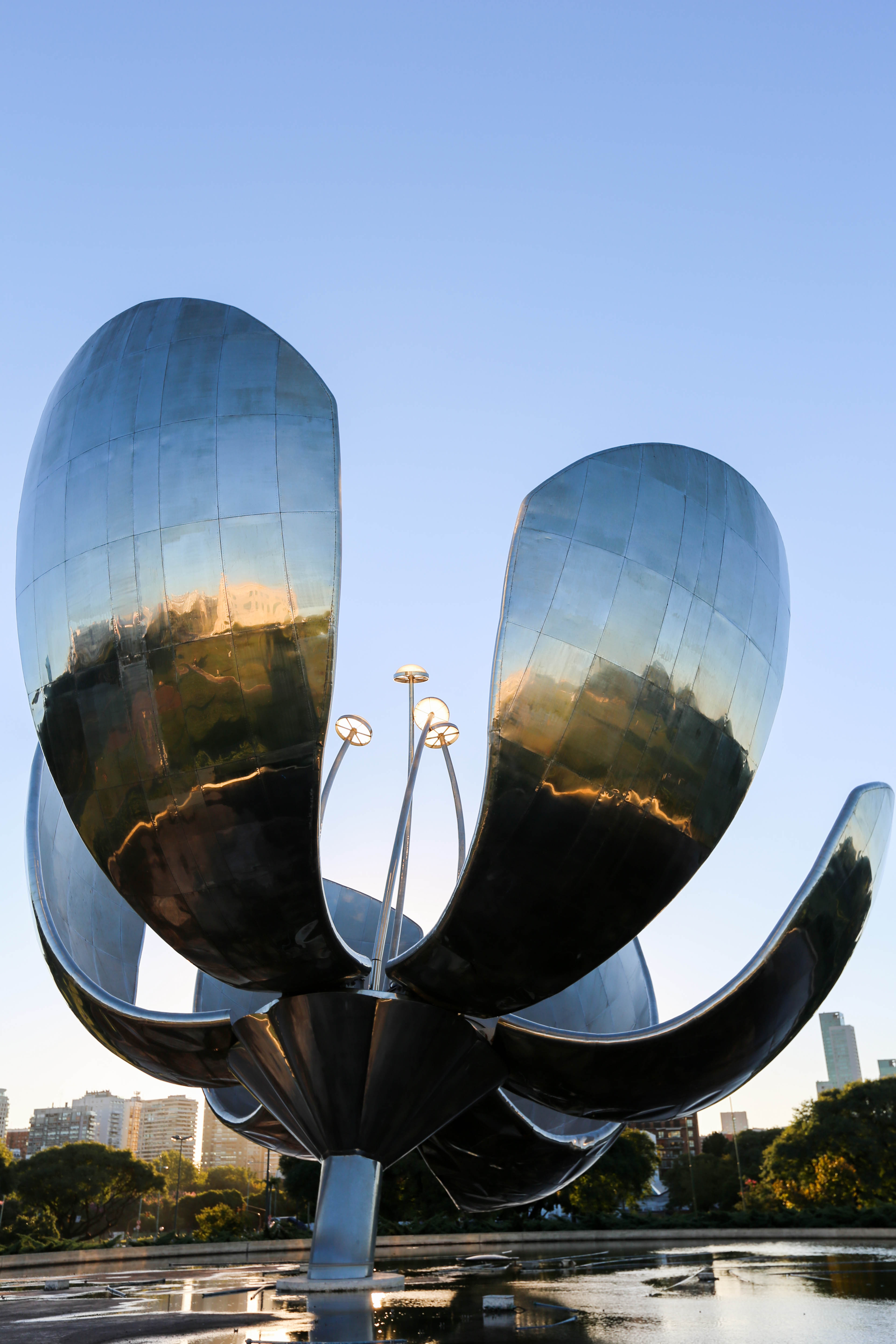
 In our days to follow we participated in various walking tours, our first to Retiro and Recoleta, two of the most exclusive and wealthy neighbourhoods of BA. We walked down Av Alvear which is full of impressive old mansions and continued to Recoleta Cemetery, home of the tombstone of Argentina’s most celebrated first lady, Eva Peron. The cemetery is quite incredible, almost like a small neighbourhood in itself (except your neighbours never stop to say hello… sorry, really bad joke). We walked through the grid of family crypts, containing the remains of the city’s elite before continuing on our tour and visiting the famous flower artwork which used to open and close its petals throughout the day however no longer works. It was given to BA as a gift from an artist but when it broke down, BA claimed it never actually wanted the gift and therefore refused to fix it, which is quite a shame.

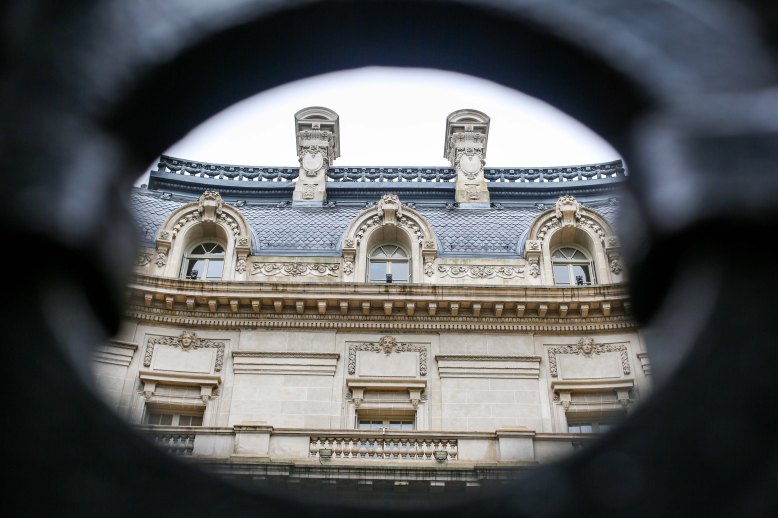


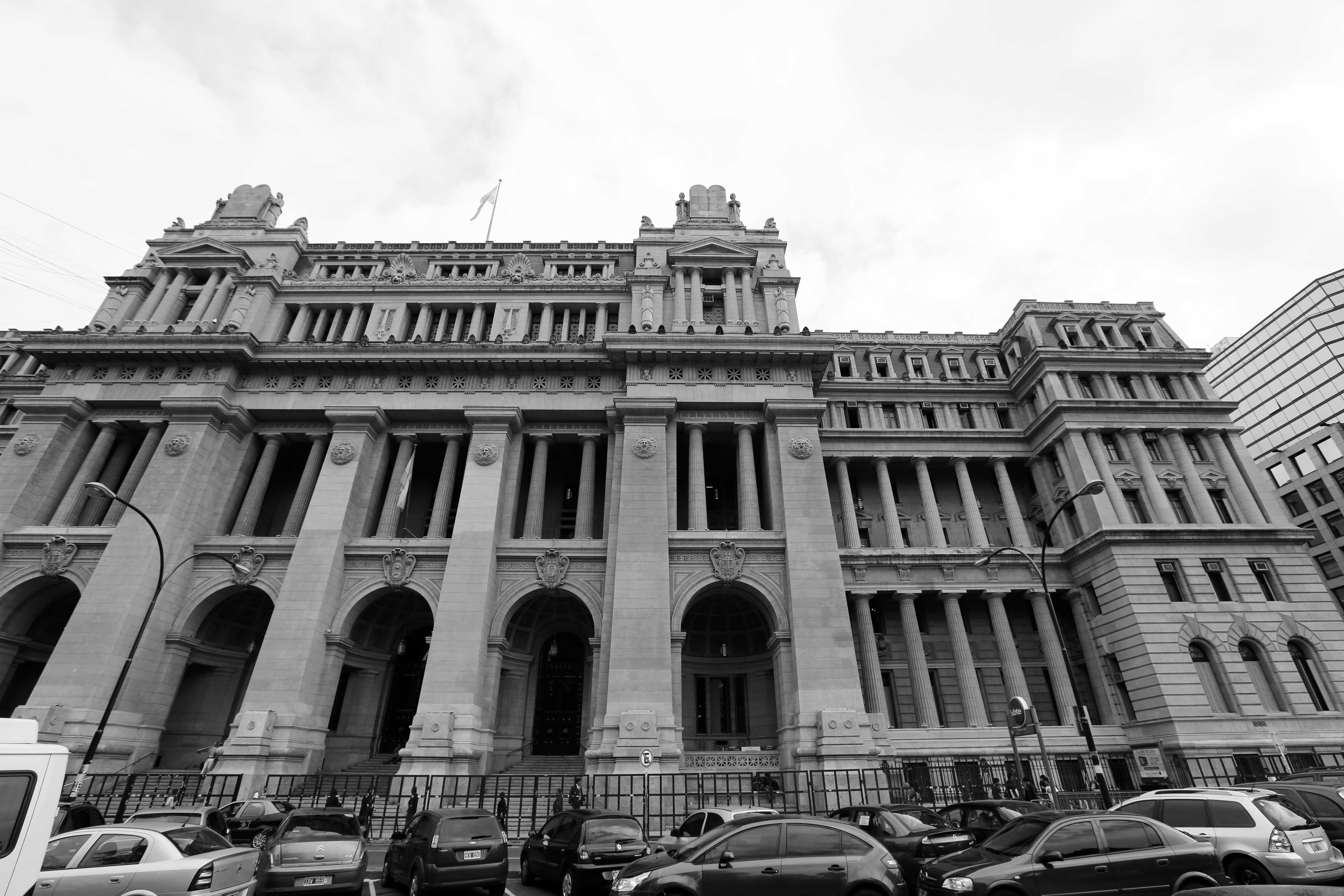
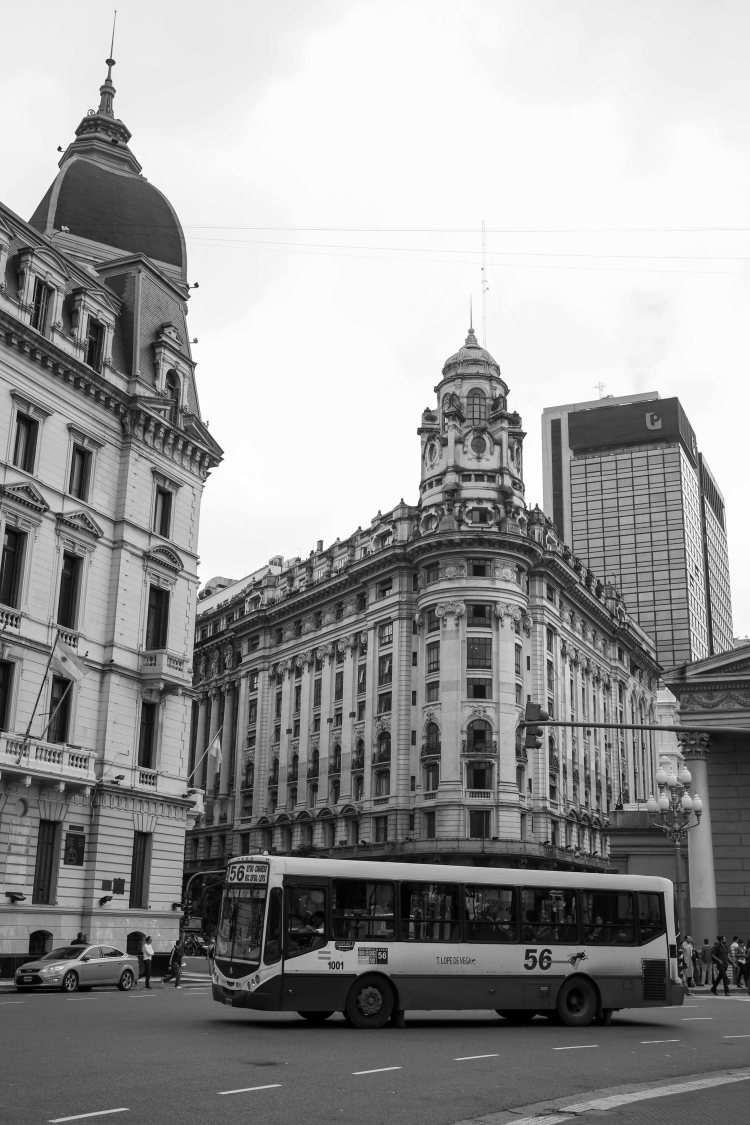
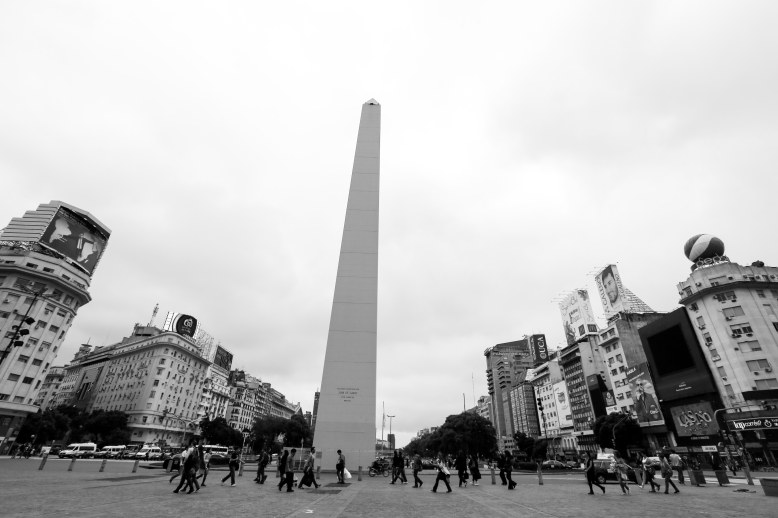
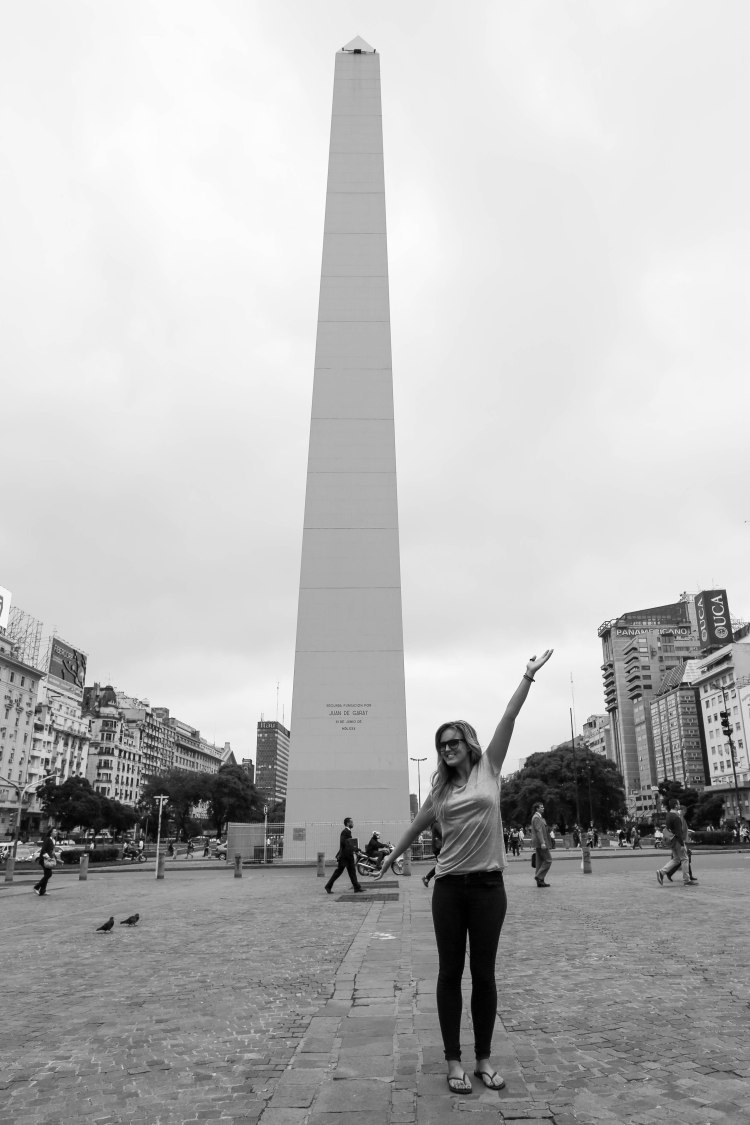
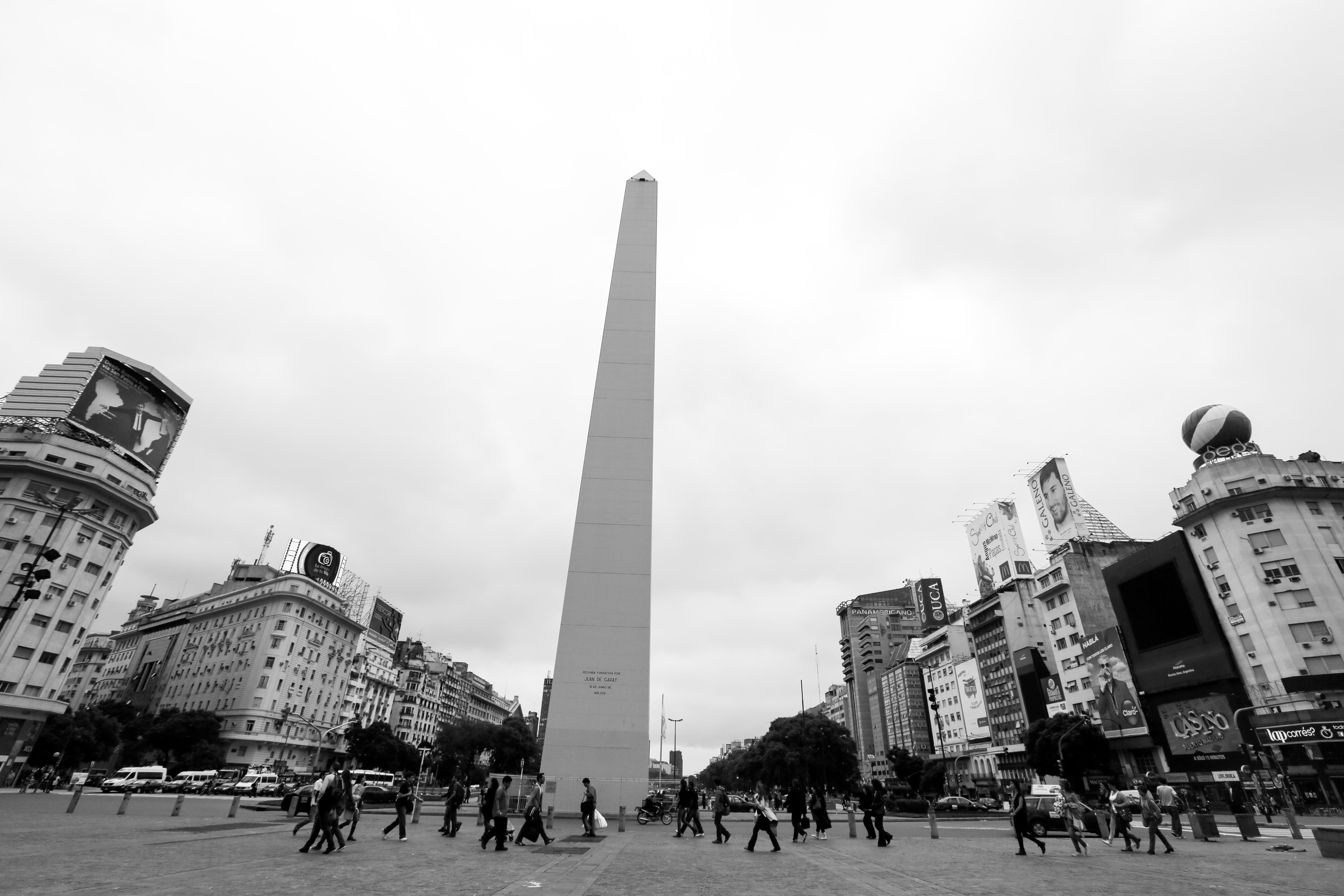
 Our next day was spent exploring the Microcentro and Congreso neighbourhoods of the city, home to business suits, skyscrapers and old European buildings. Separating the two neighbourhoods is the ‘widest street in the world’, Av 9 de Julio which at its widest is 16 lanes! In the middle of the street is the Obelisco, a 67m high monument standing tall amongst the hustle and bustle.
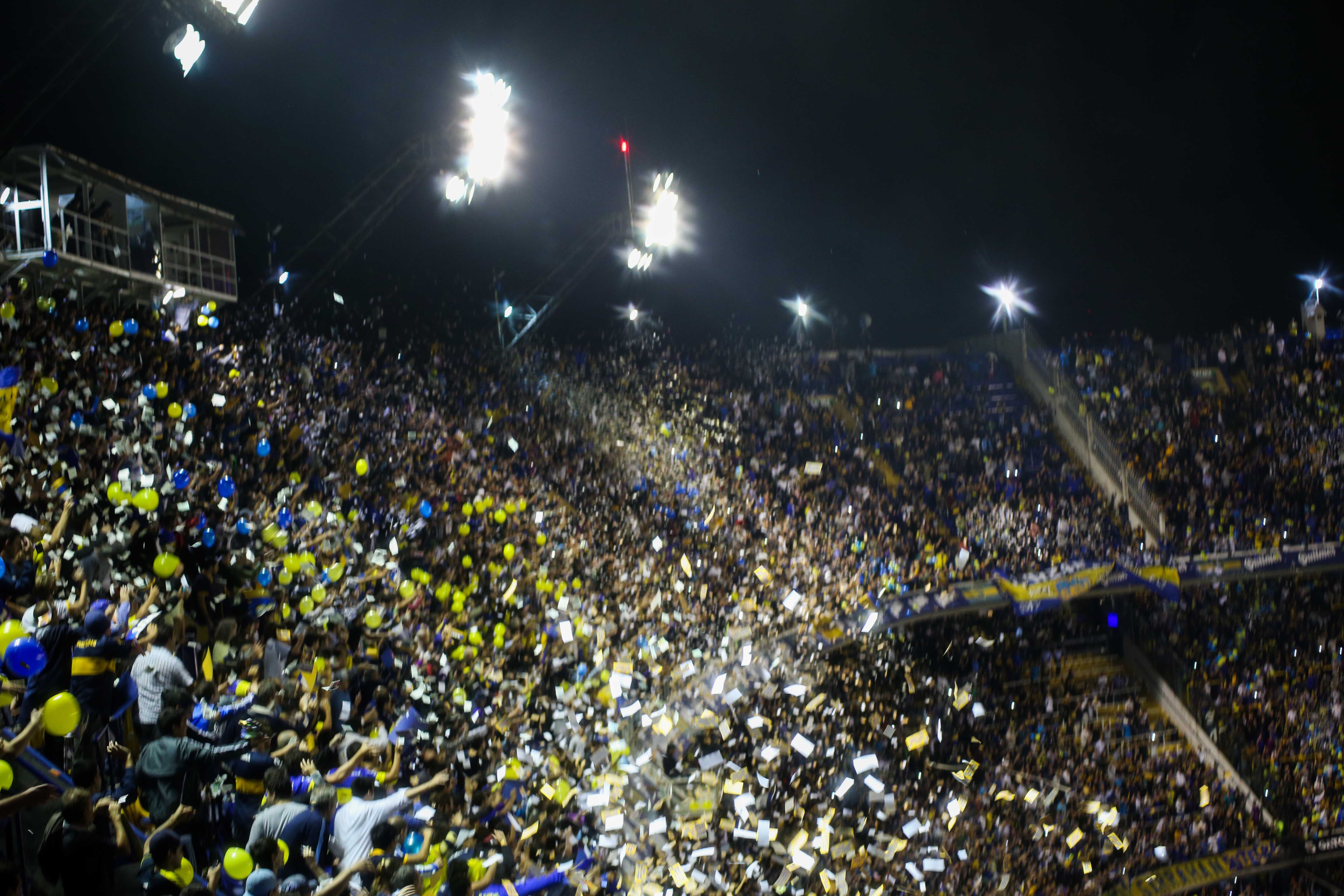
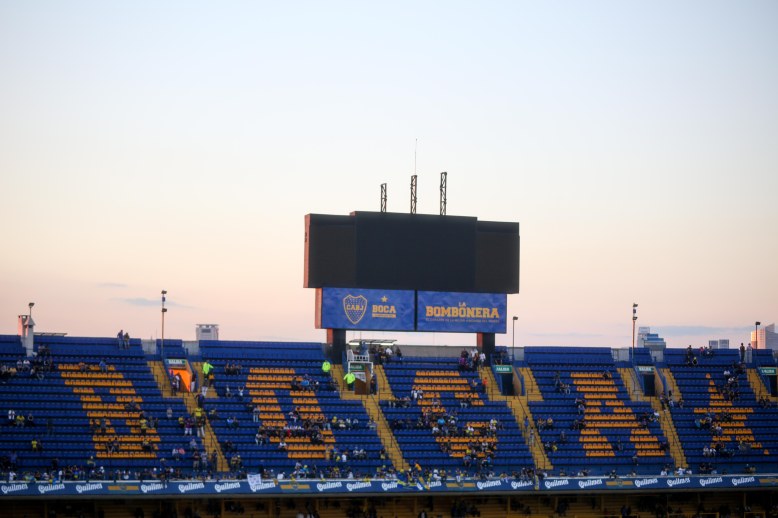
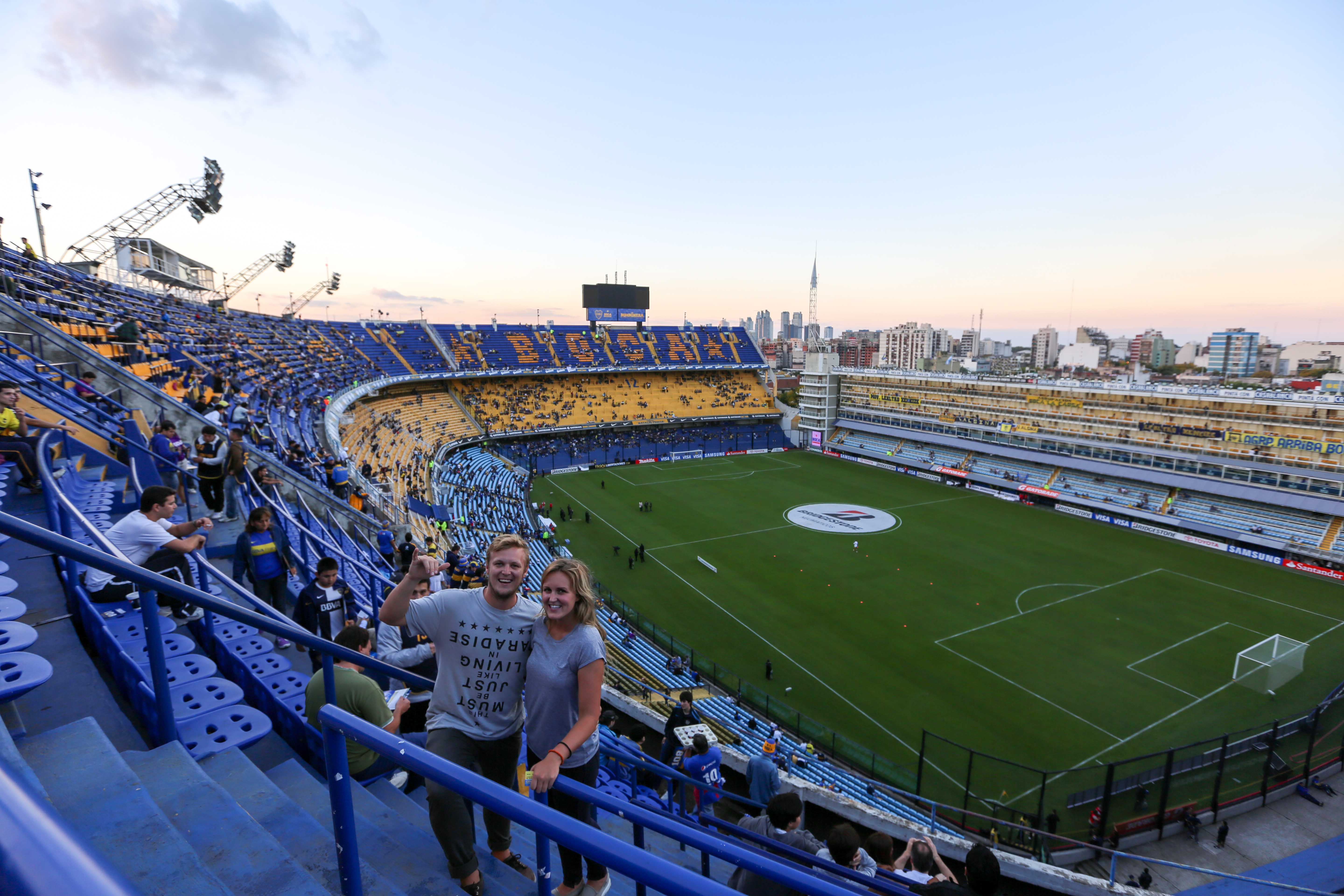
 We couldn’t come to BA without experiencing a futbol (their spelling not mine) match and the best team to watch is Boca Juniors, Argentina’s, if not South America’s most celebrated futbol team. We joined a group tour to the stadium, somewhat of a relief as the atmosphere at the stadium was tense to say the least. Argentinians really take their futbol seriously, so much so that armed guards and barb-wired fences separate the away team from the devoted Boca supporters.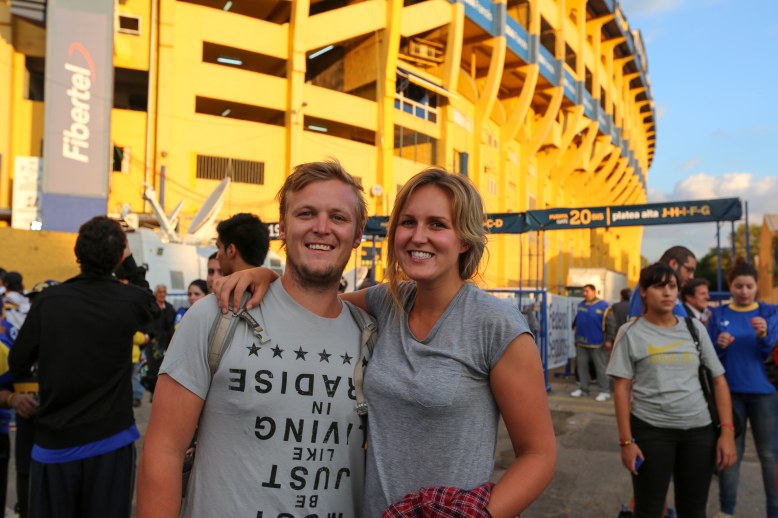
 We watched as the stadium filled in, firstly the many Boca supporters but then followed by the entrance of the rival team – Ecuador’s confusingly named team – Barcelona. They tried their best to make an entrance, complete with drums and chants however were incredibly outnumbered by the home supporters and their cheers dissipated amongst the home crowd. Last but not least, Boca’s most passionate supporters entered the stadium, bringing with them their many chants and the loud beating of their cheer squad drums. Blue and yellow flares were ignited throughout the stadium as it erupted with cheers before the arrival of the players themselves. Luckily, Boca won the game 1-0 and after the game we safely walked the streets back to our bus. I can only imagine what it would be like should the opposing team had won (I must say I was secretly sort of hoping for it but also sort of afraid of what may happen if they did!)
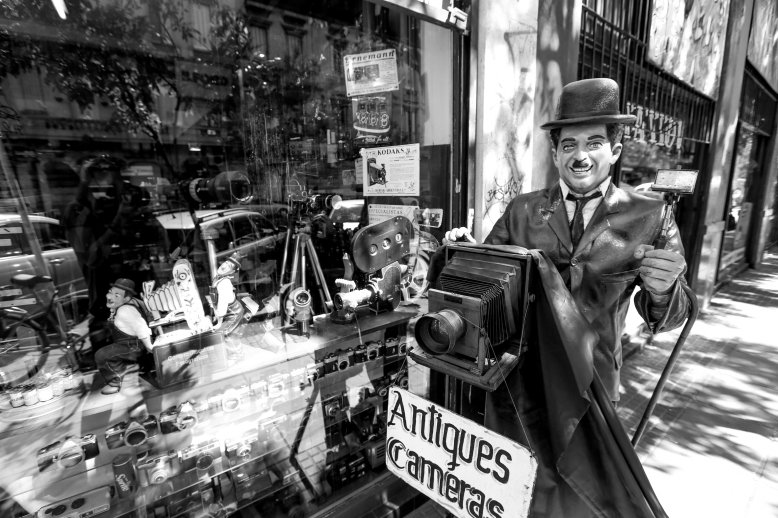
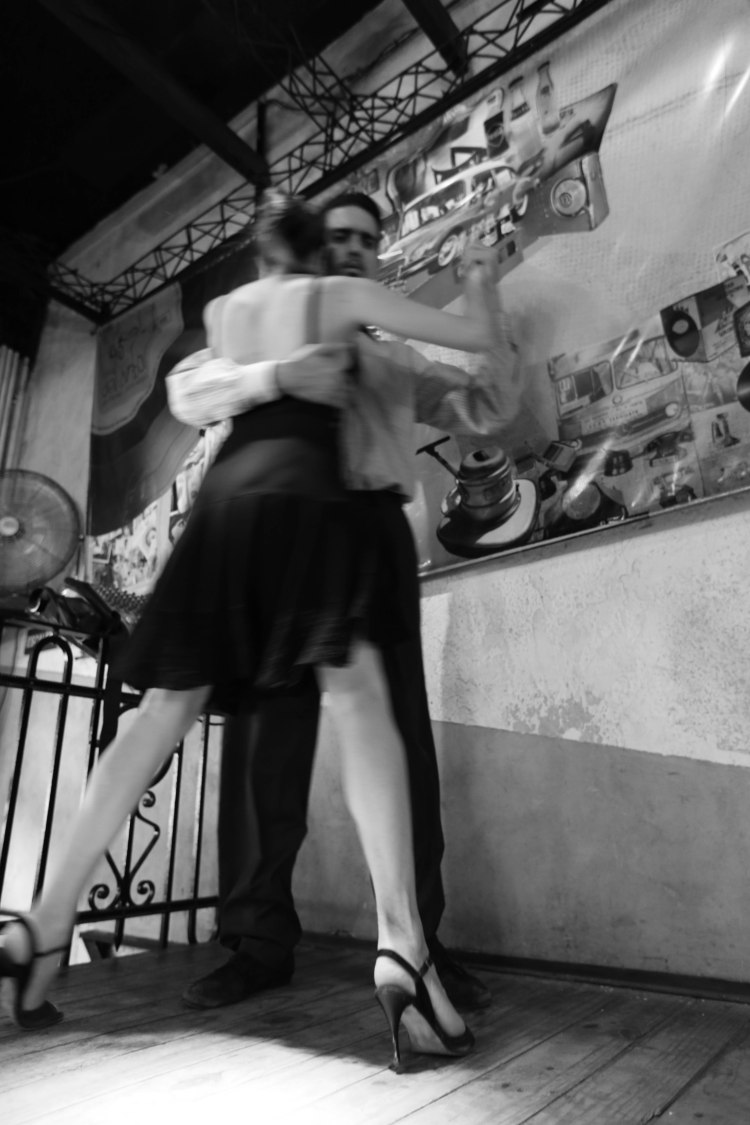
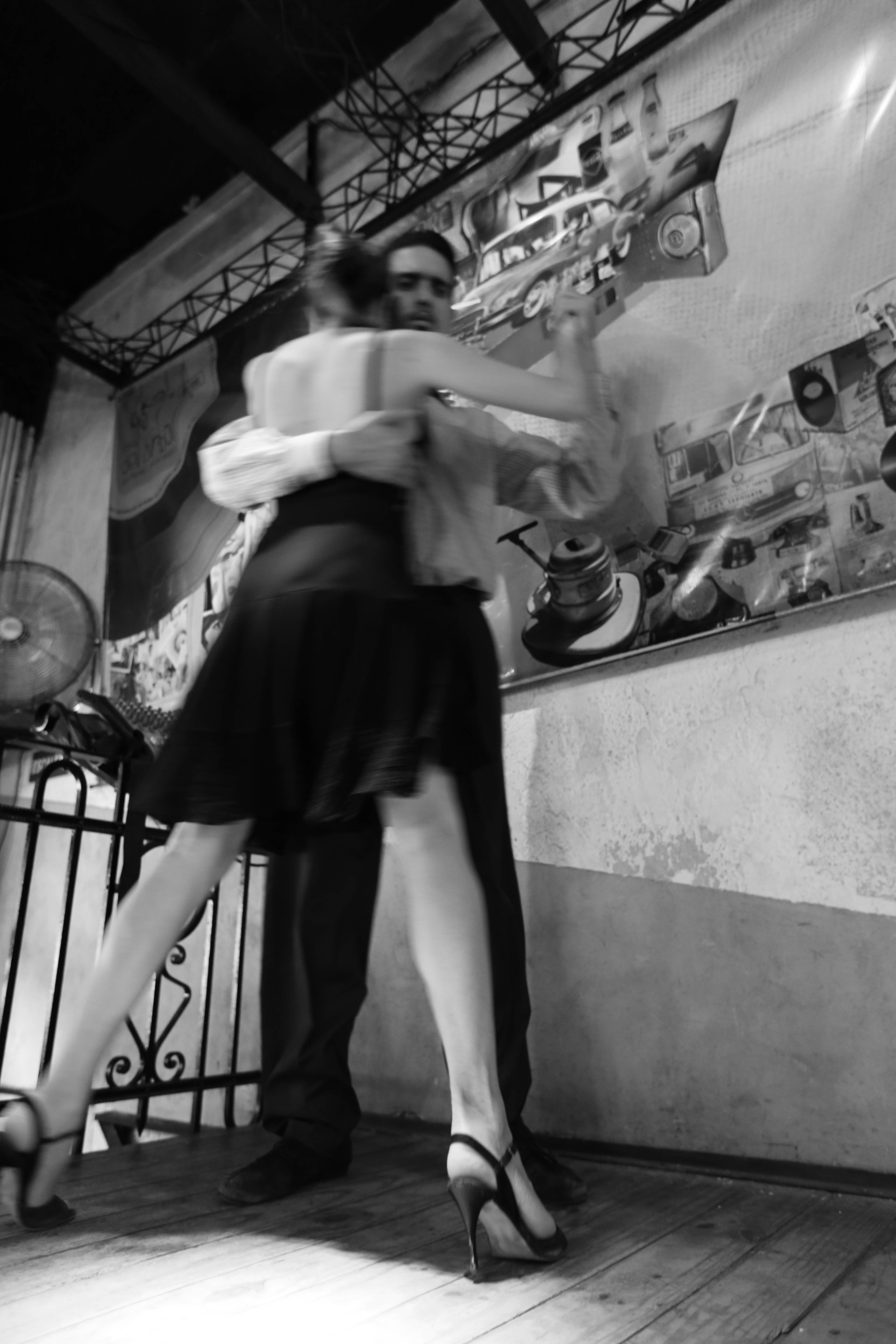
 Another day, another walking tour, this time exploring San Telmo and La Boca. San Telmo was originally won of the most attractive and affluent neighbourhoods in BA however in the late 19th century, following a Yellow Fever outbreak, it was deserted by the elite as they searched for higher and drier ground. Immigrant families flooded the area with old mansions divided to house the many poor families. Many say San Telmo was the birthplace of Tango with the various background immigrants coming together to create an emotional and original dance form. Nowadays its cobble stone streets are filled with antique stores, remnants of its past life and incredibly fun to explore.

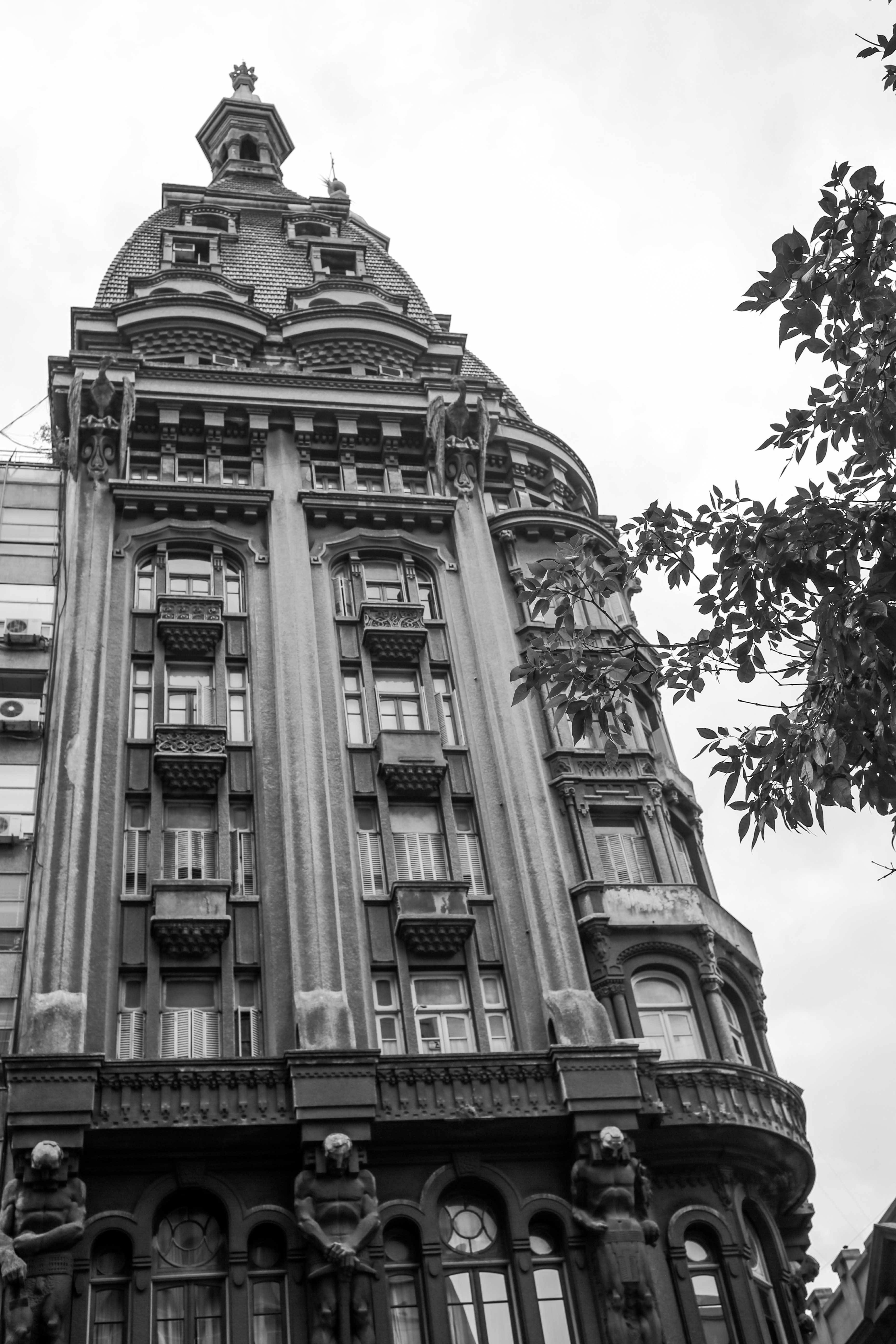
BA’s thinnest building
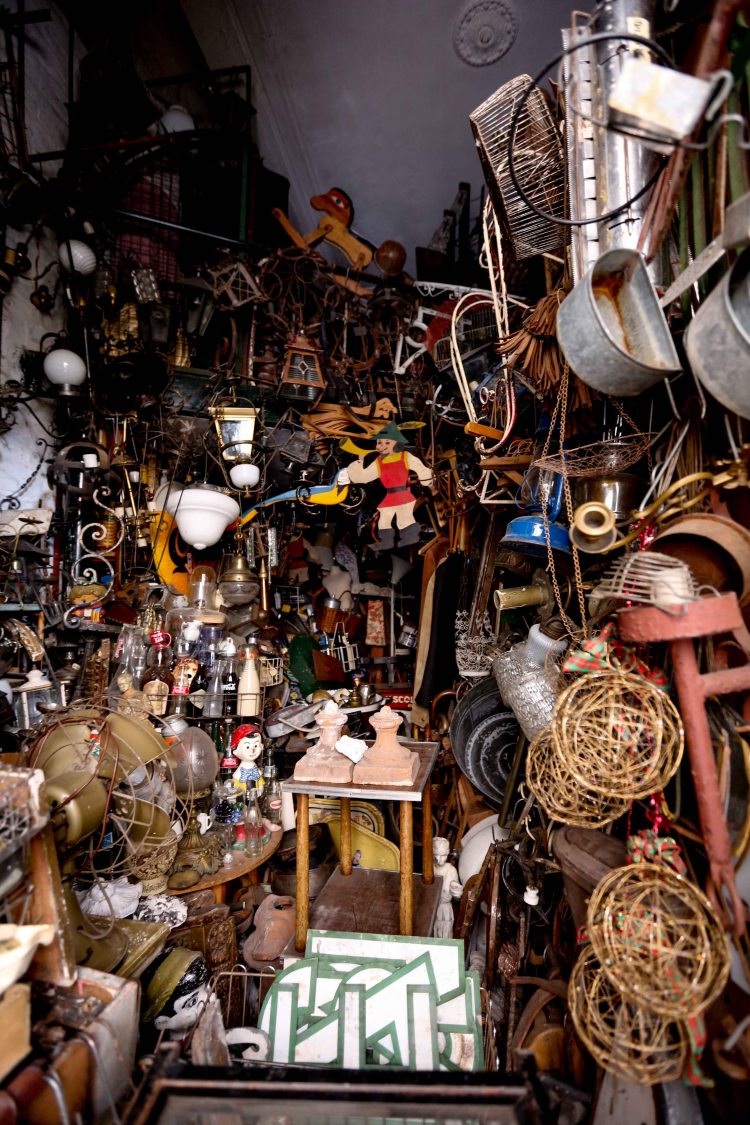
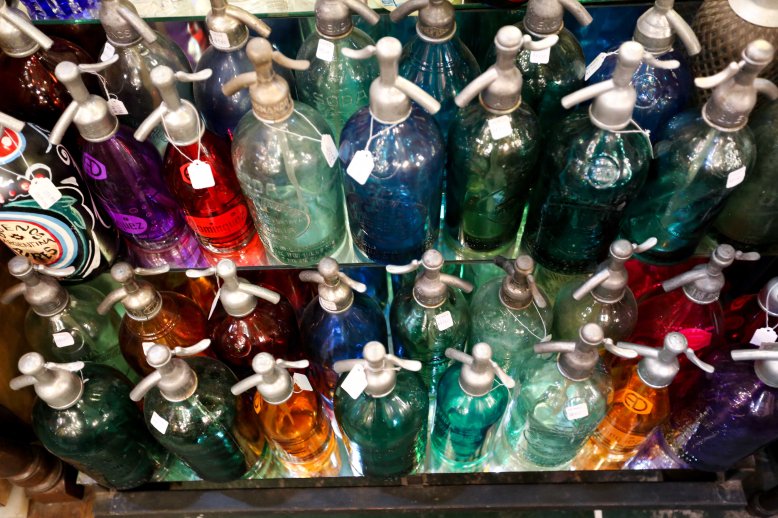
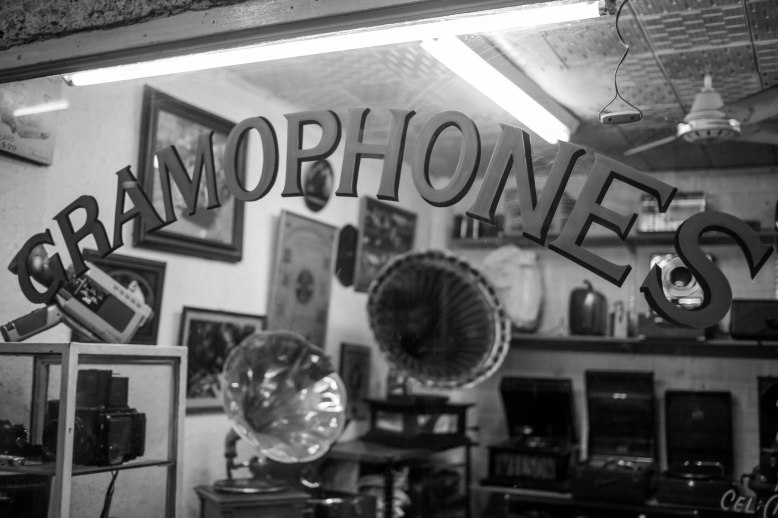
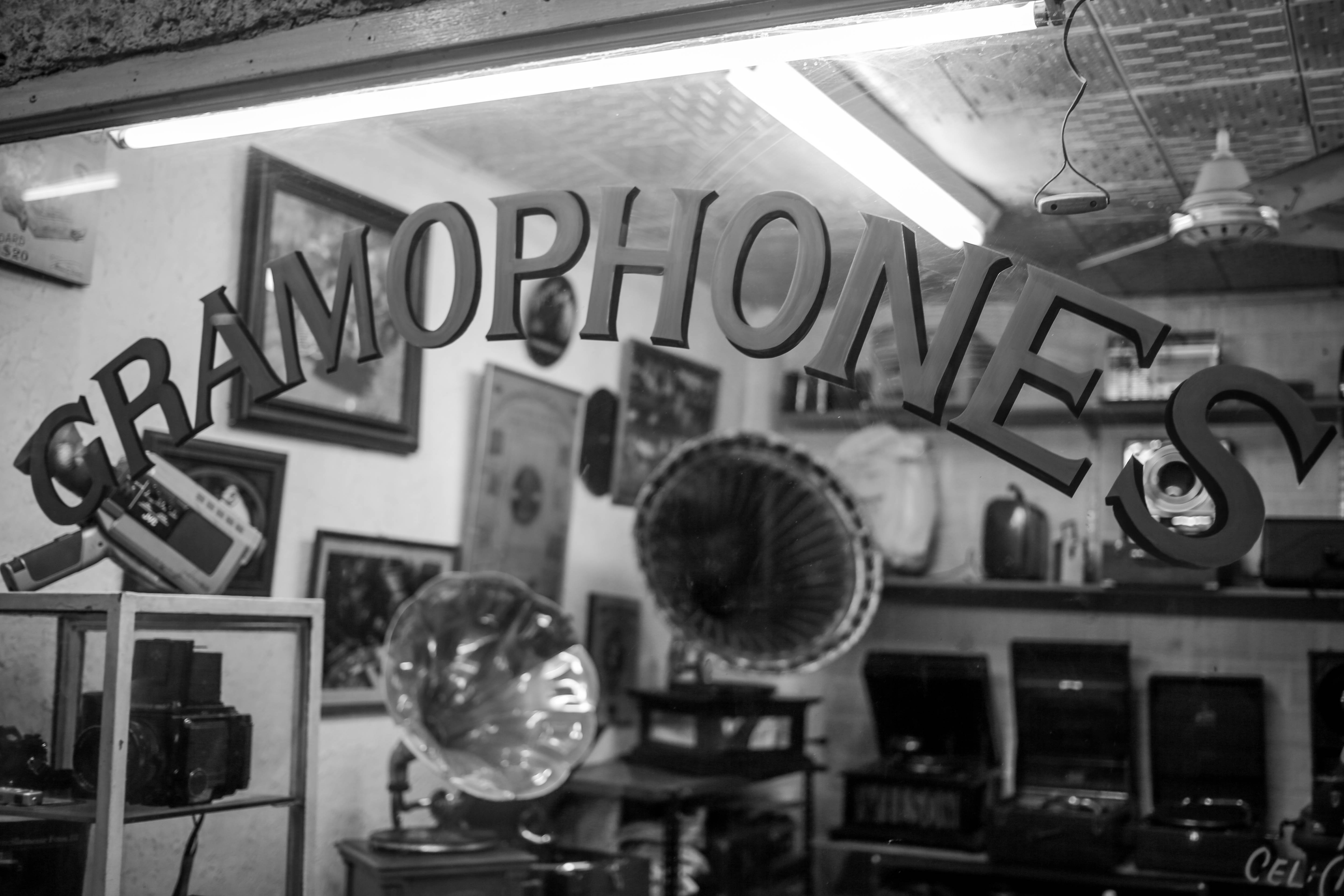
Just a small sample of the antiques…


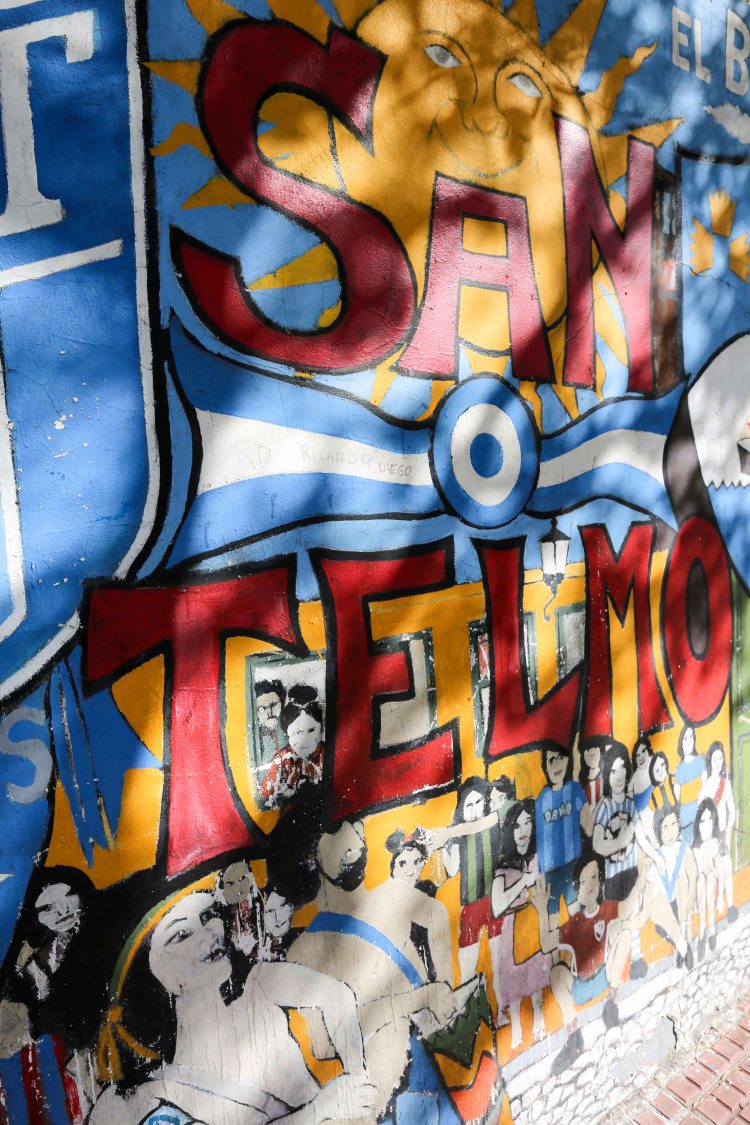
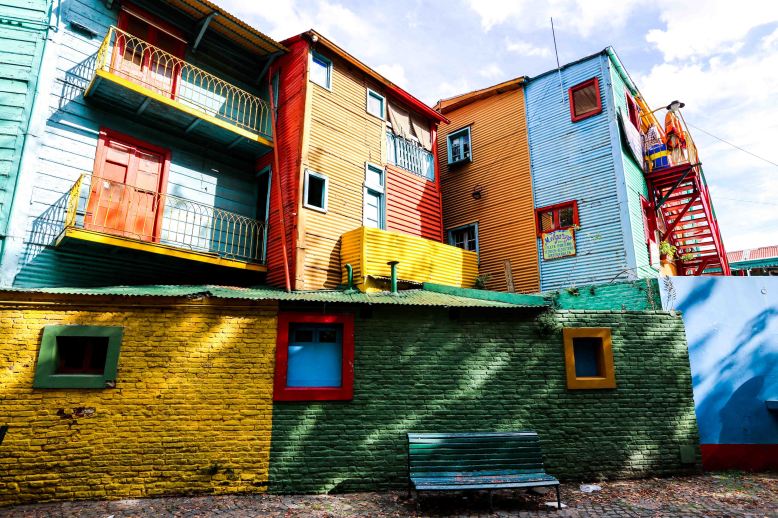
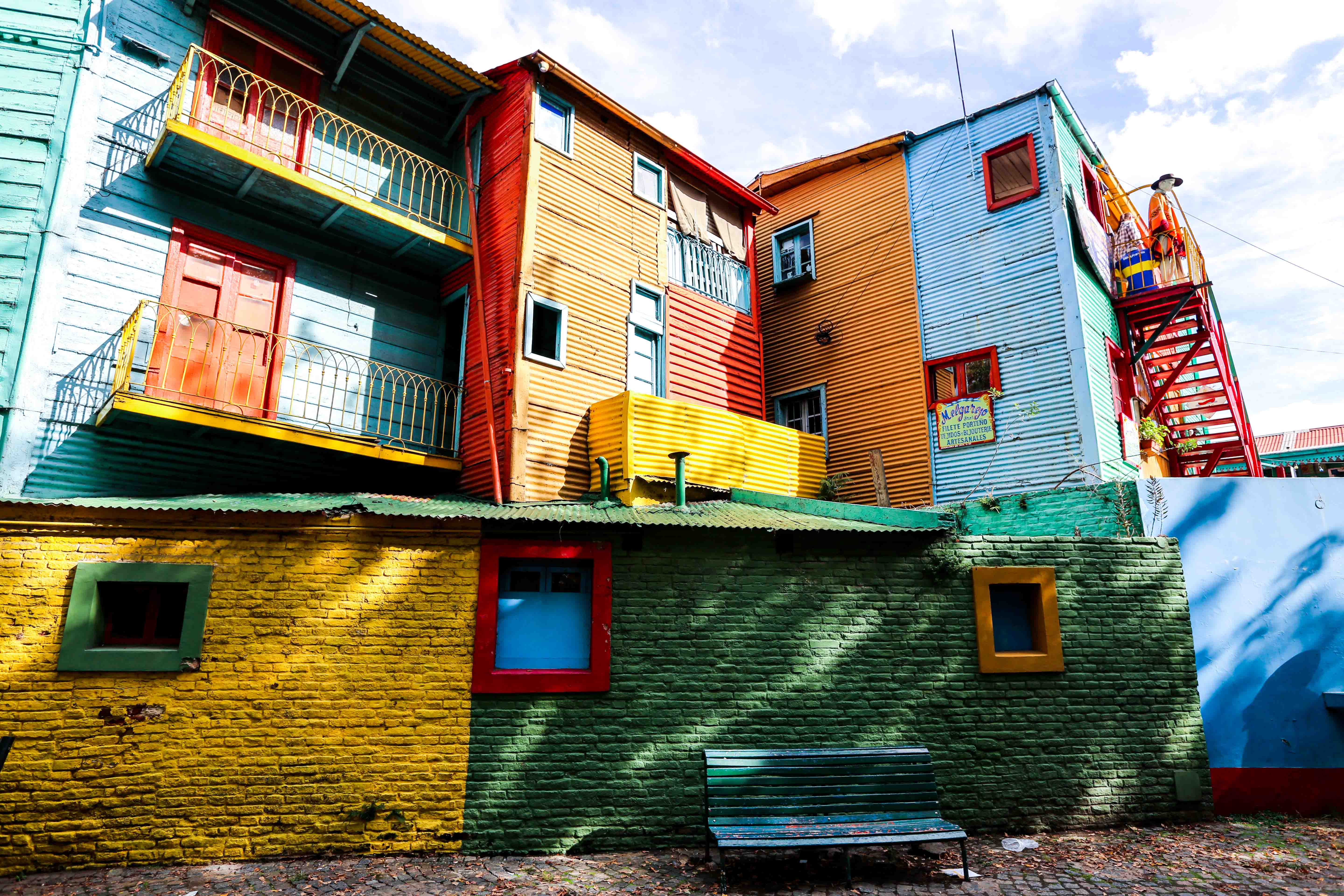
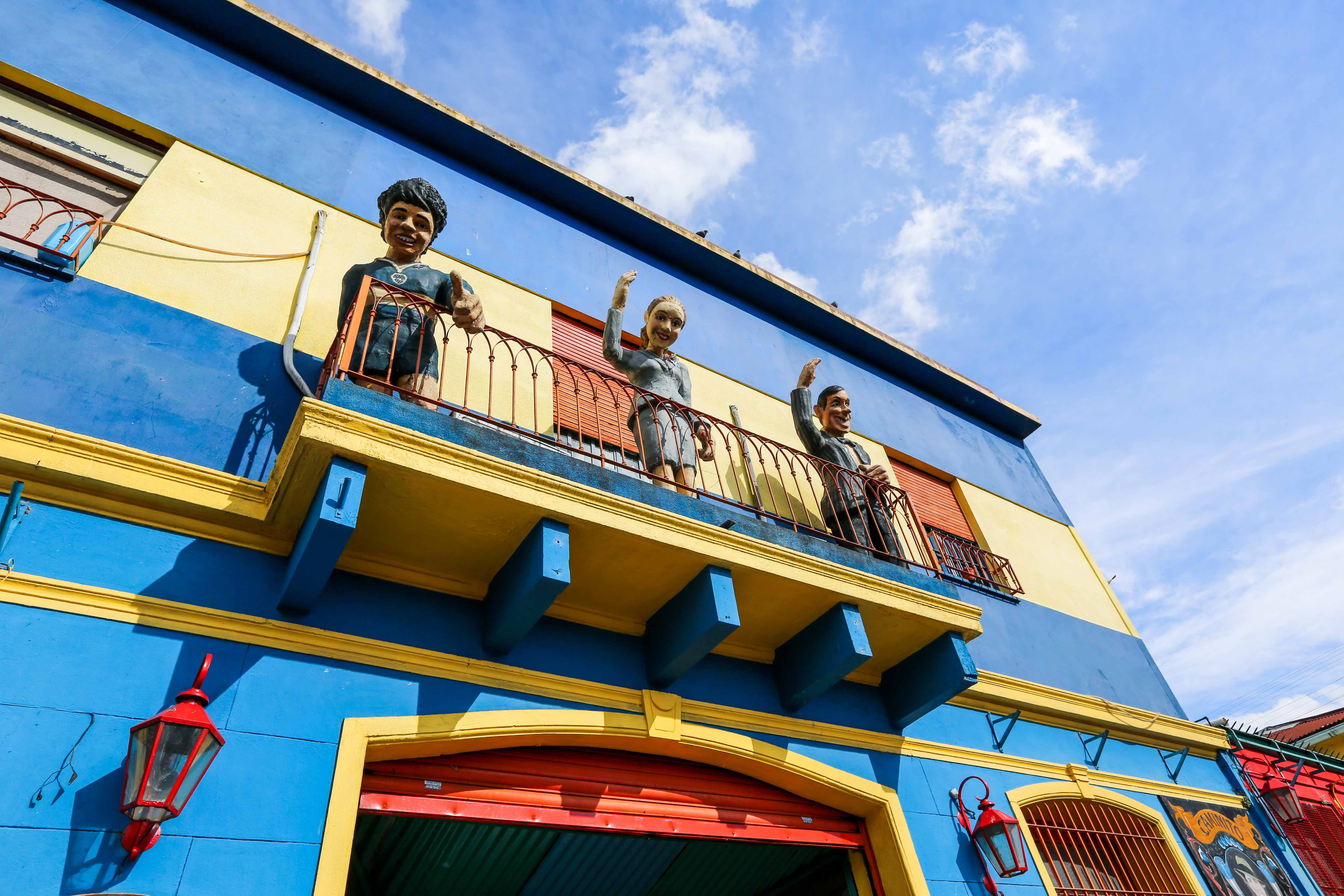
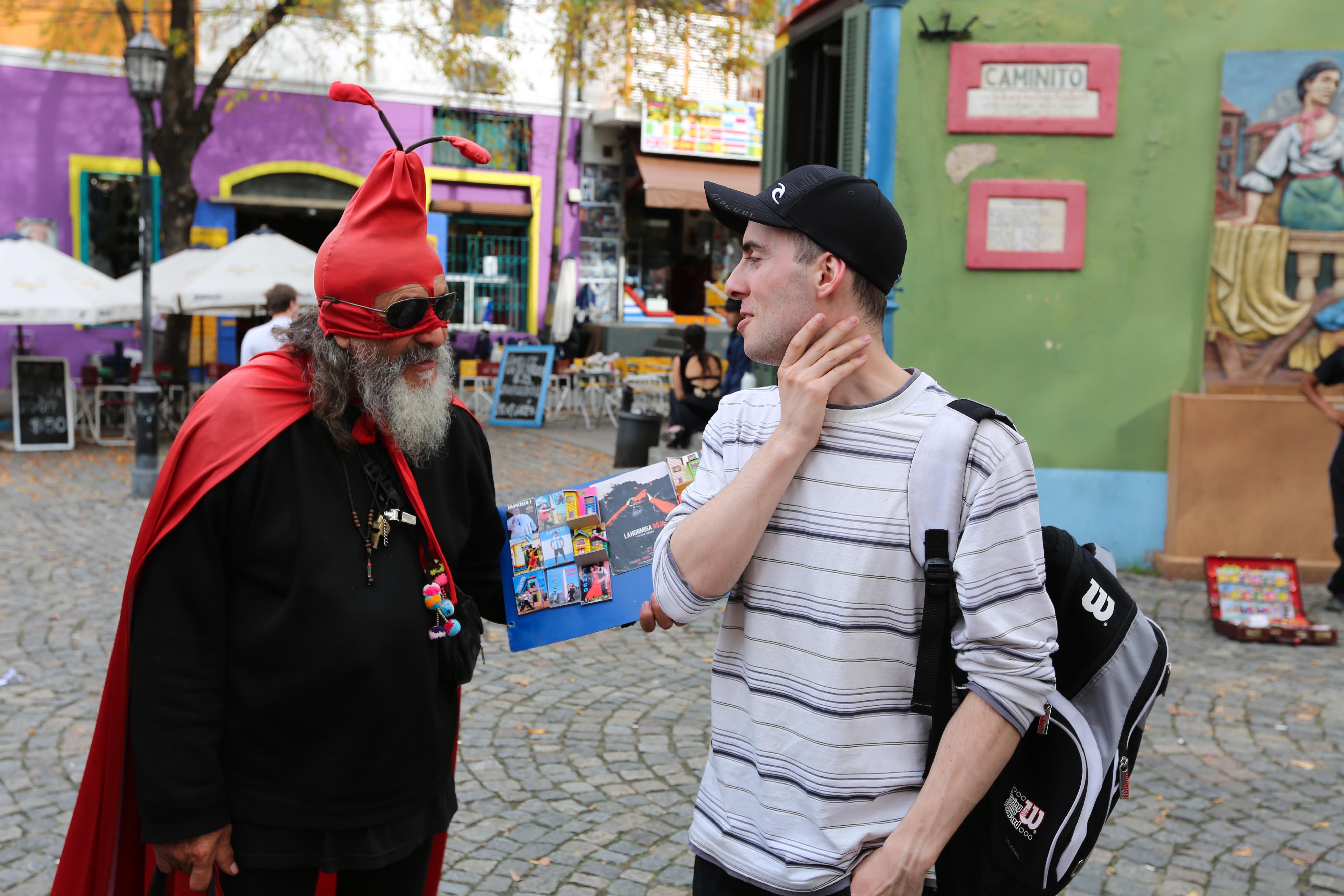
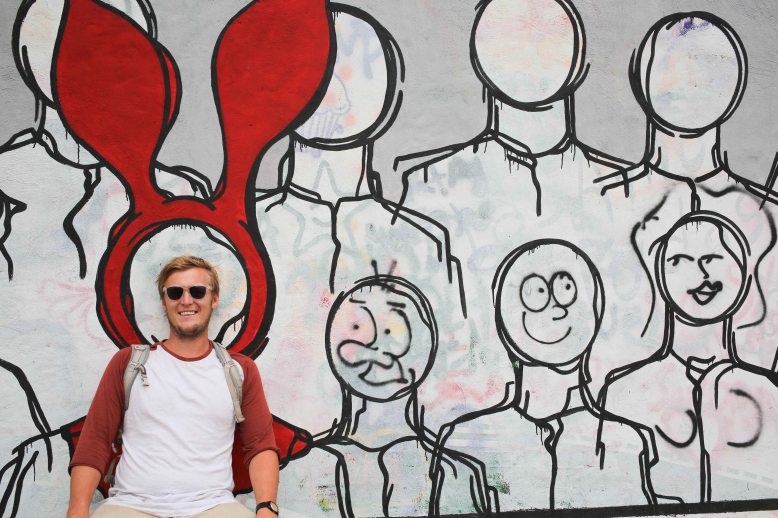 La Boca is a locals’ neighbourhood that was also home to many immigrants who worked in the warehouses along the river. The main attraction is the various colourful corrugated buildings, a result of the immigrants splashing leftover paint on their dwellings in an attempt to distinguish their small properties. We walked the most famous street – Caminito, a tourist attraction by day however one of BA’s most dangerous areas come night. For us, one of the highlights was the “Bee Man” some old guy in a red bee suit walking the streets and saying hello to everyone. I think he was going on about being in some movie many a year ago dressed as a bee and I also think that perhaps that also led to him becoming completely insane.
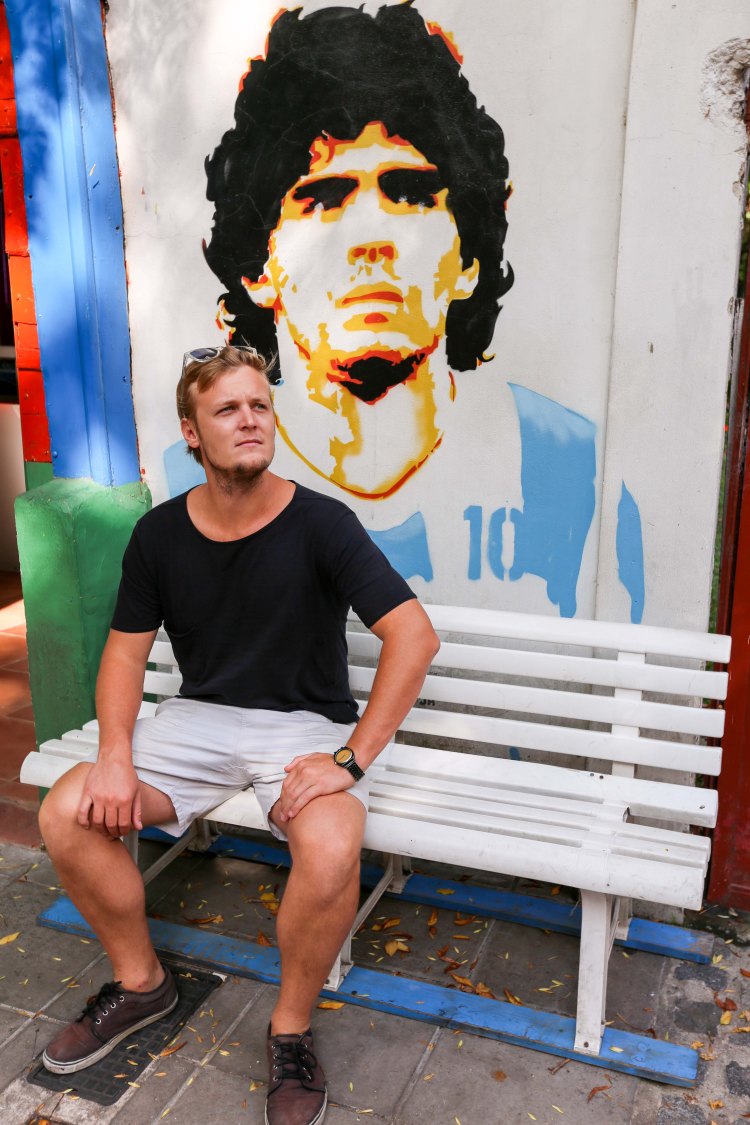


 A tour to BA would not be complete without learning some more of its long and interesting history. Settled in 1536, it has suffered attacks by foreign countries (as well as being bombed by its own navy), control by ruthless dictators, lived under the shadow of Gestapo-like police while also being home to some of the most important writers and artists in Latin American history. It has seen both economic booms and growths in wealth as well as complete economic crashes resulting in crippling poverty. We walked through the streets, learning about the kidnapping of thousands of children and the rise and fall of Juan Peron.
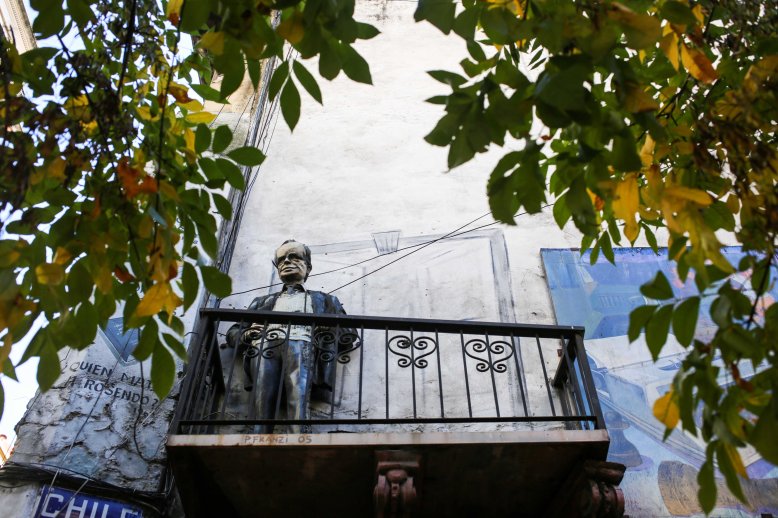
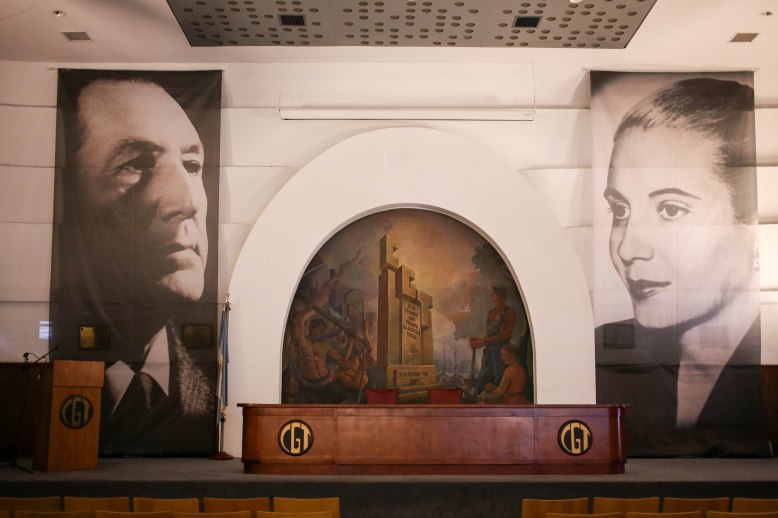

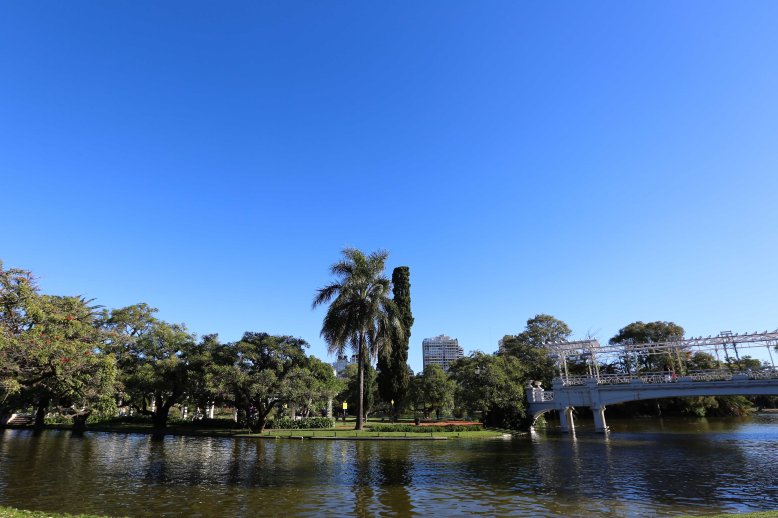
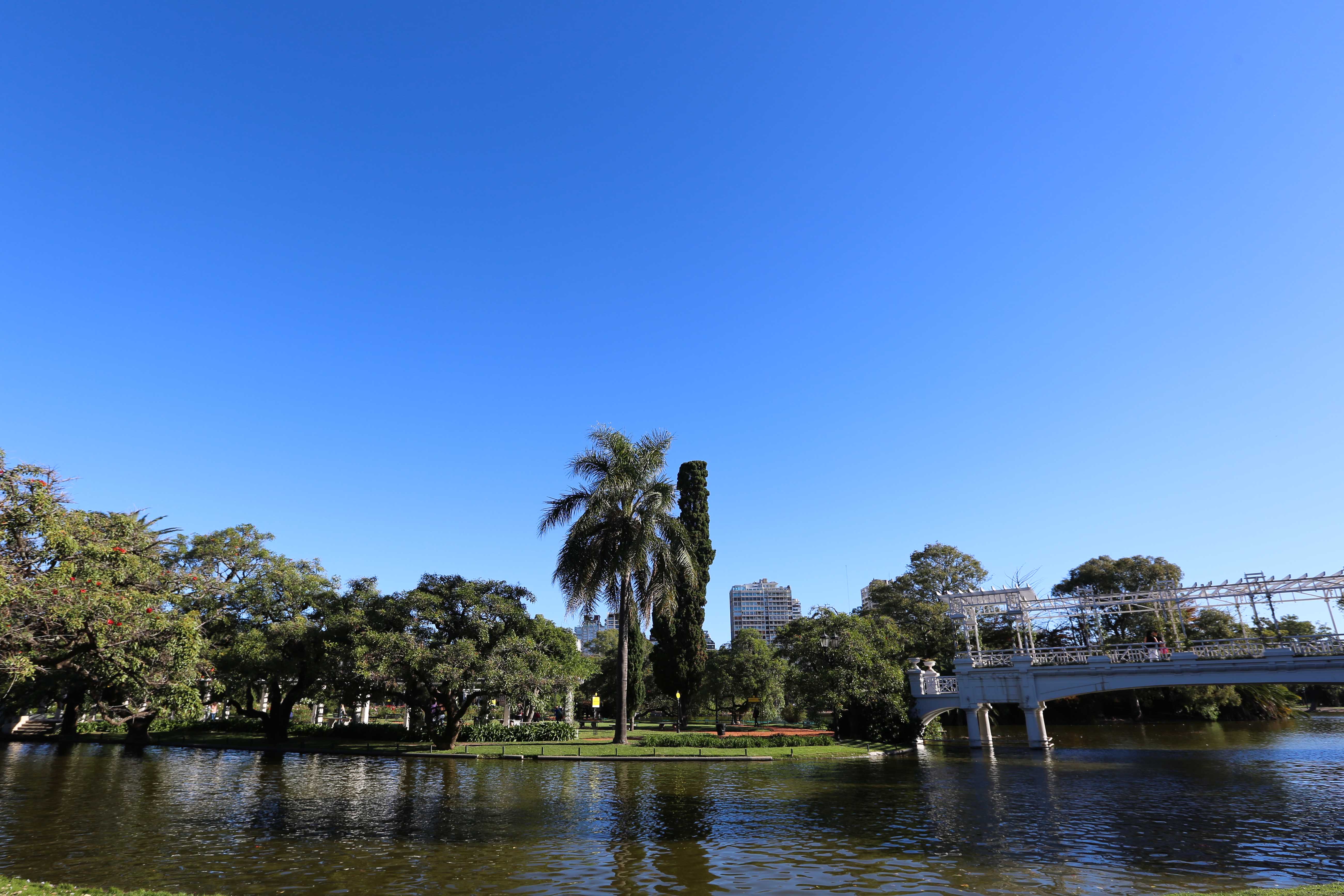
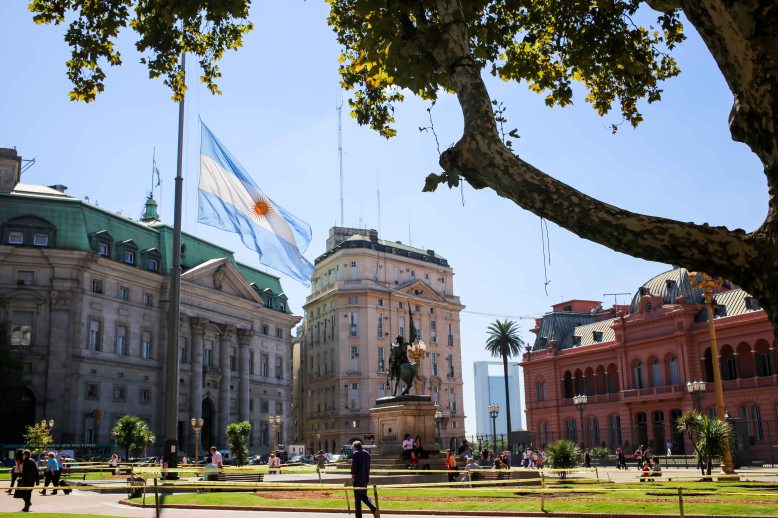 In our last days we explored the final neighbourhoods of BA, enjoying Palermo’s cosmopolitan lifestyle and relaxing in picturesque Parque 3 de Febrero where we had the whistle blown on us for lying down on the grass. The famous San Telmo antiques market was on Sunday and we walked the many streets full of old soda pop bottles, cameras, street signs and other antiques of early BA.
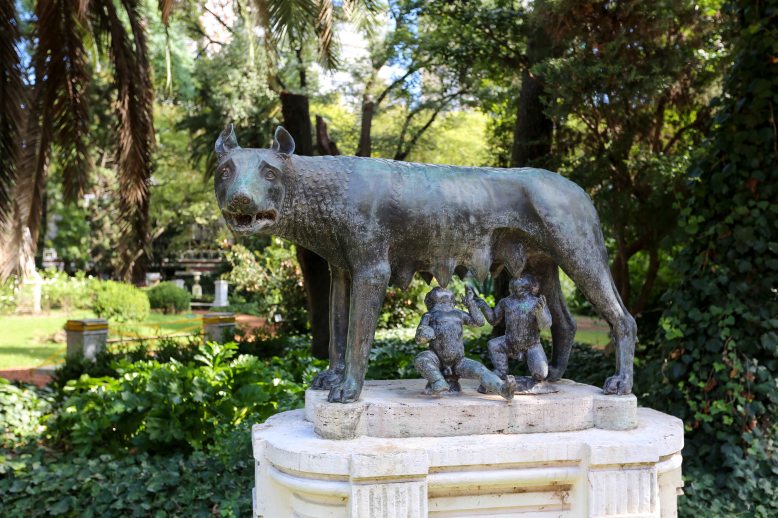
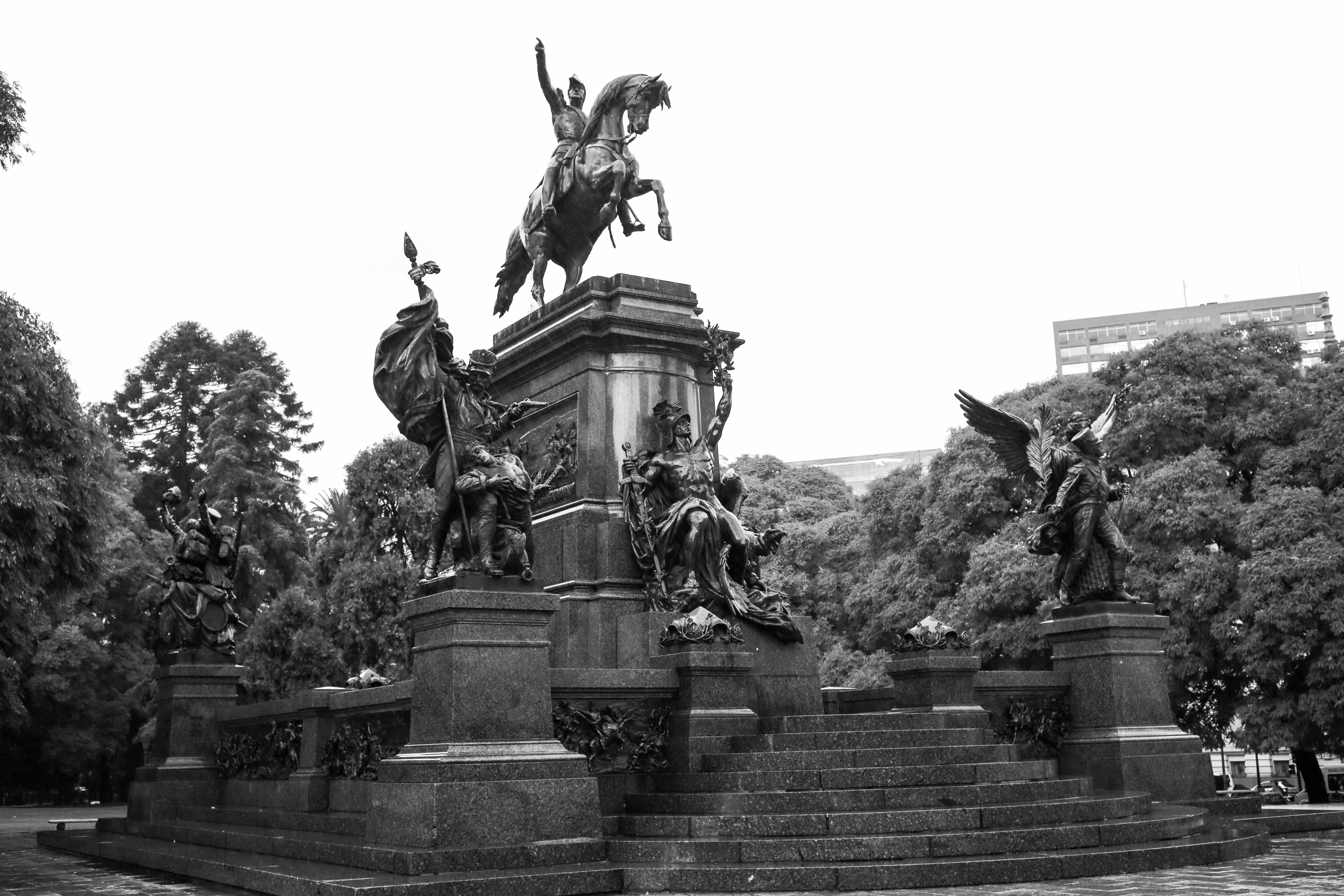
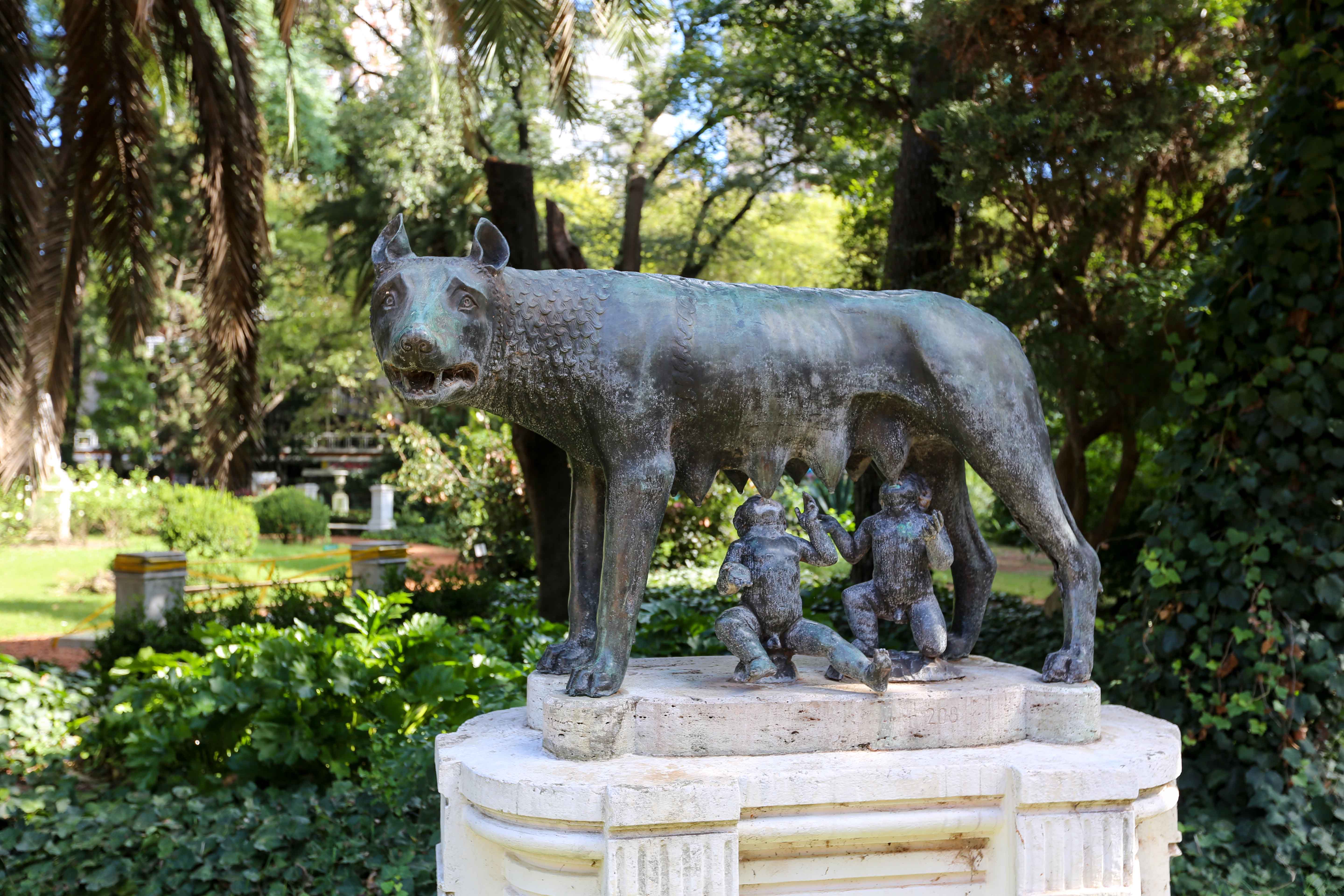
Weirdest statue in the park…
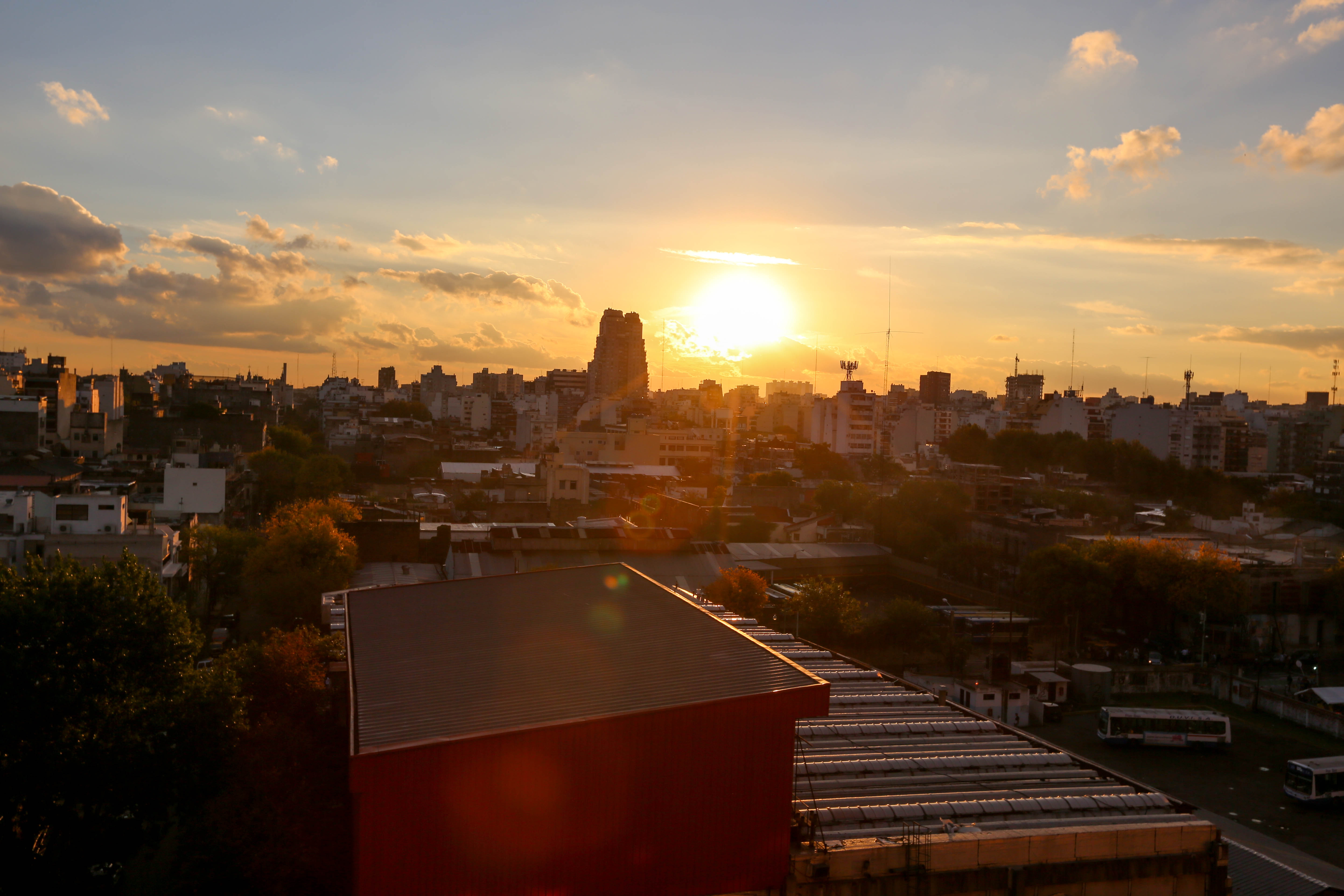
 Buenos Aires is an incredible city, the perfect mix of old and new, with colonial architecture reminiscent of Paris, shopping and nightlife to envy other European cities but all mixed with its own Latin American flavour. With so many different neighbourhoods to explore it is hard to not fall in love with some part of the city.
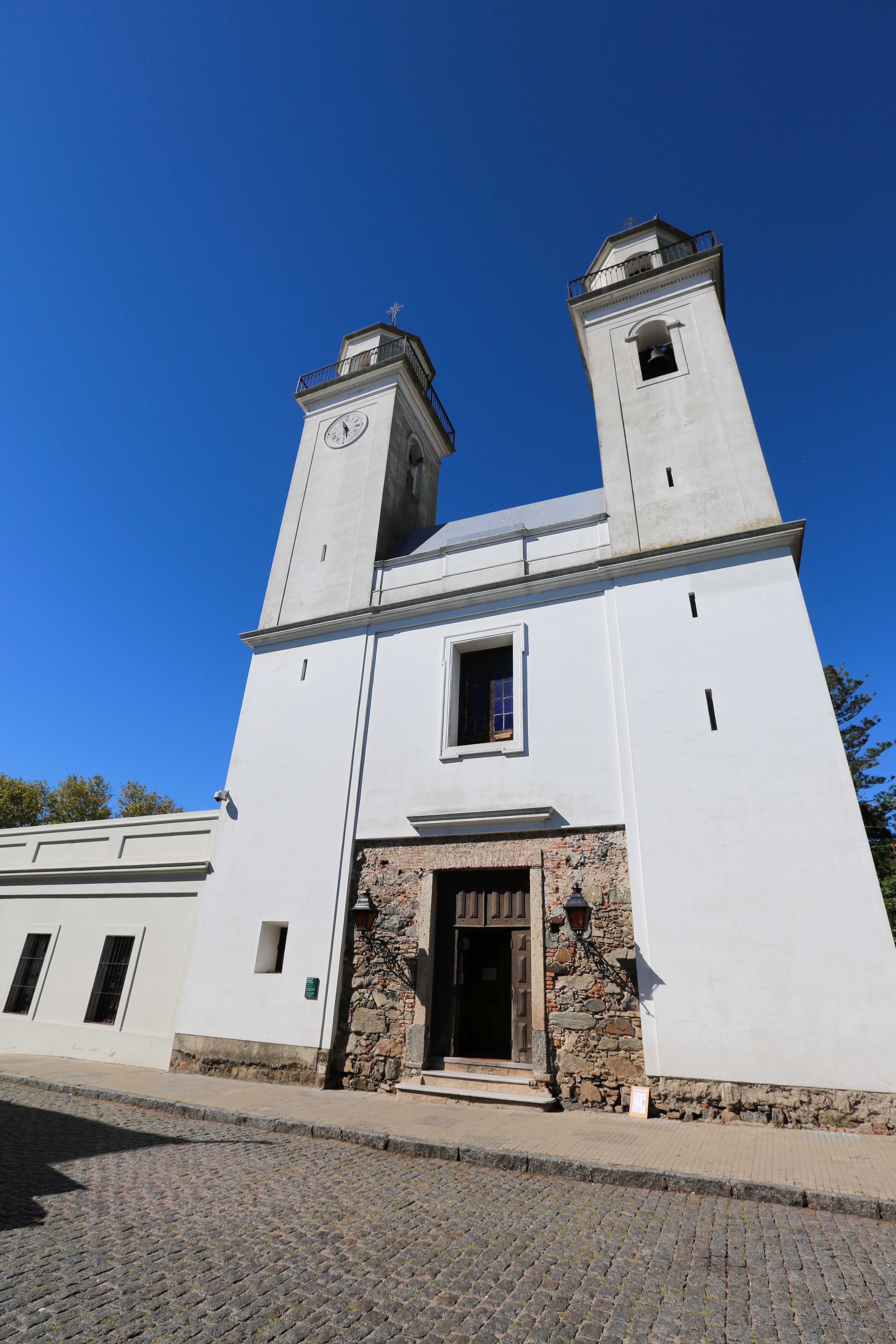
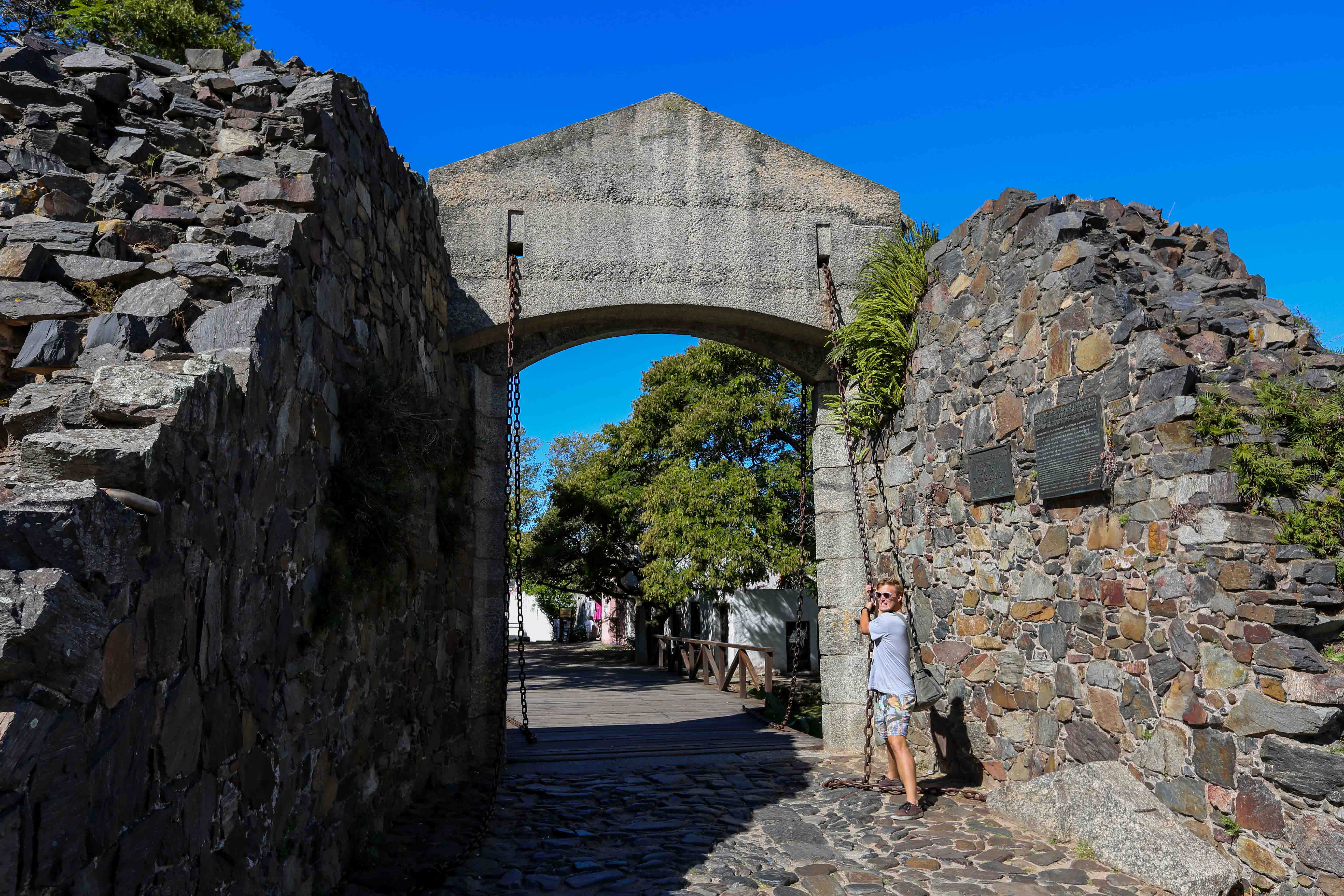
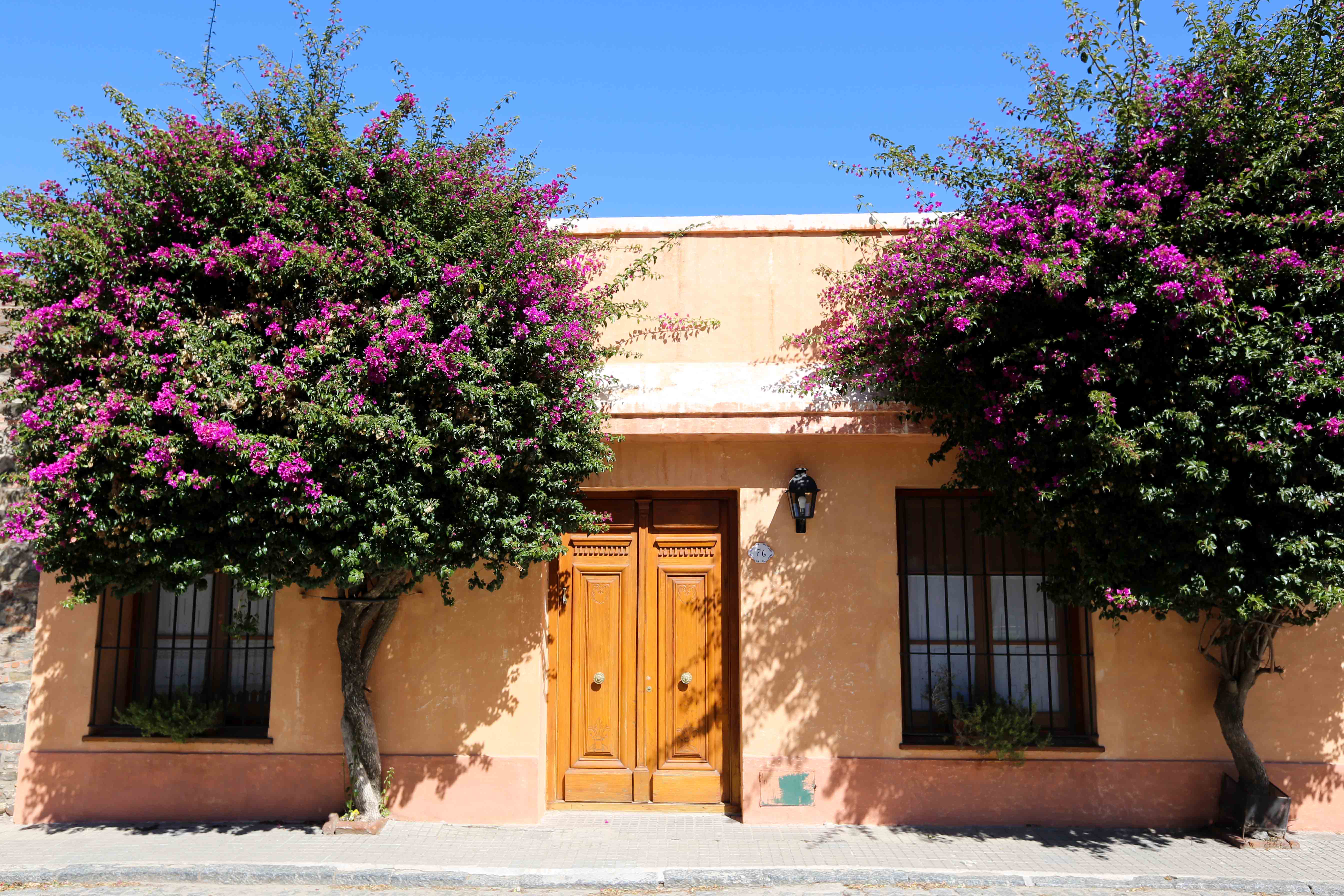
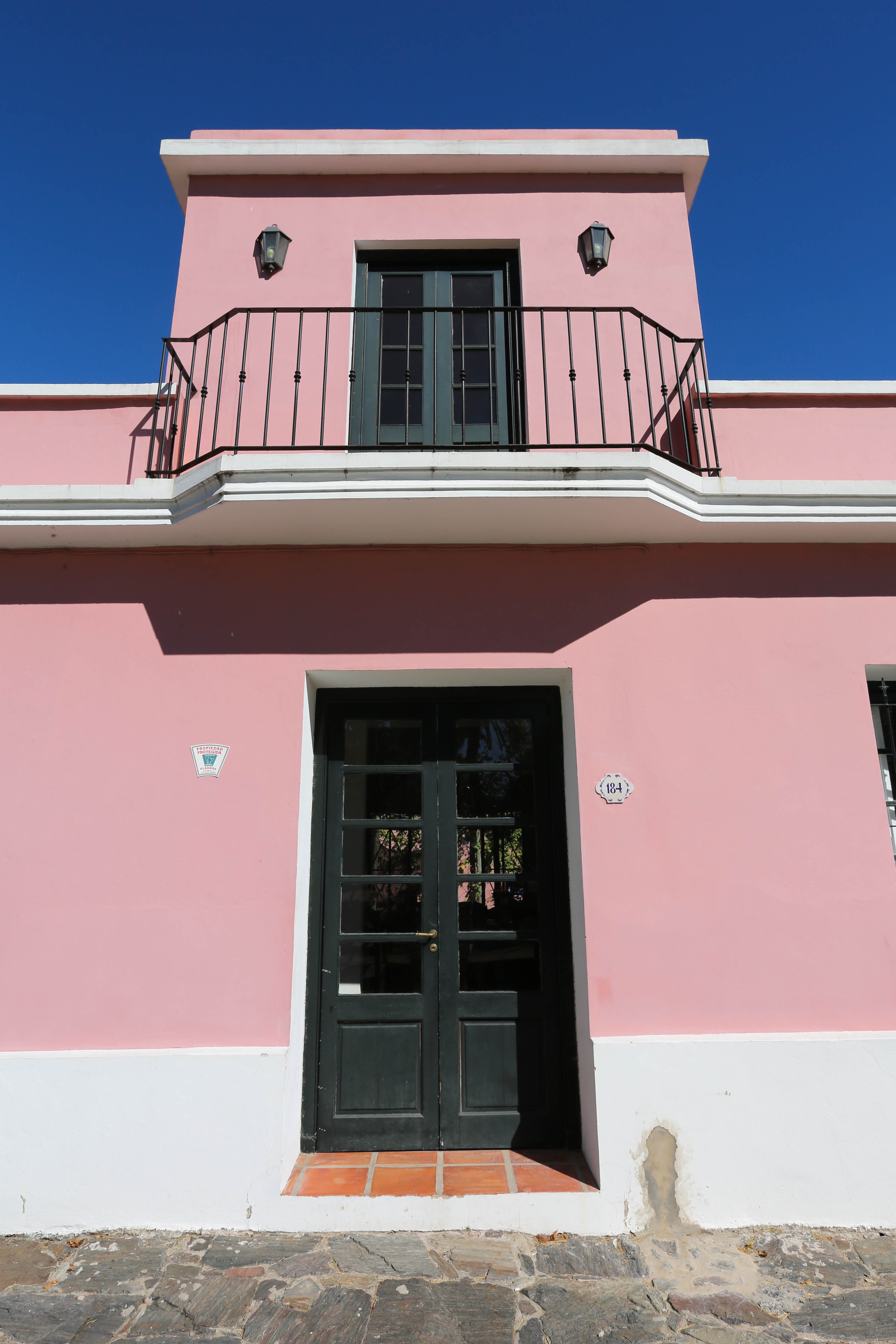
 Colonia is located almost exactly opposite Buenos Aires on the other side of the Rio de la Plata. It was founded by a Portuguese governor (before alternating rule with the Spanish) and is now a Unesco World Heritage site and popular day trip from Buenos Aires. With our friend Oytun from Turkey, we arrived in Colonia in the morning and hired a golf cart to drive around Barrio Historico – the historic neighbourhood containing some of Uruguay’s oldest buildings.

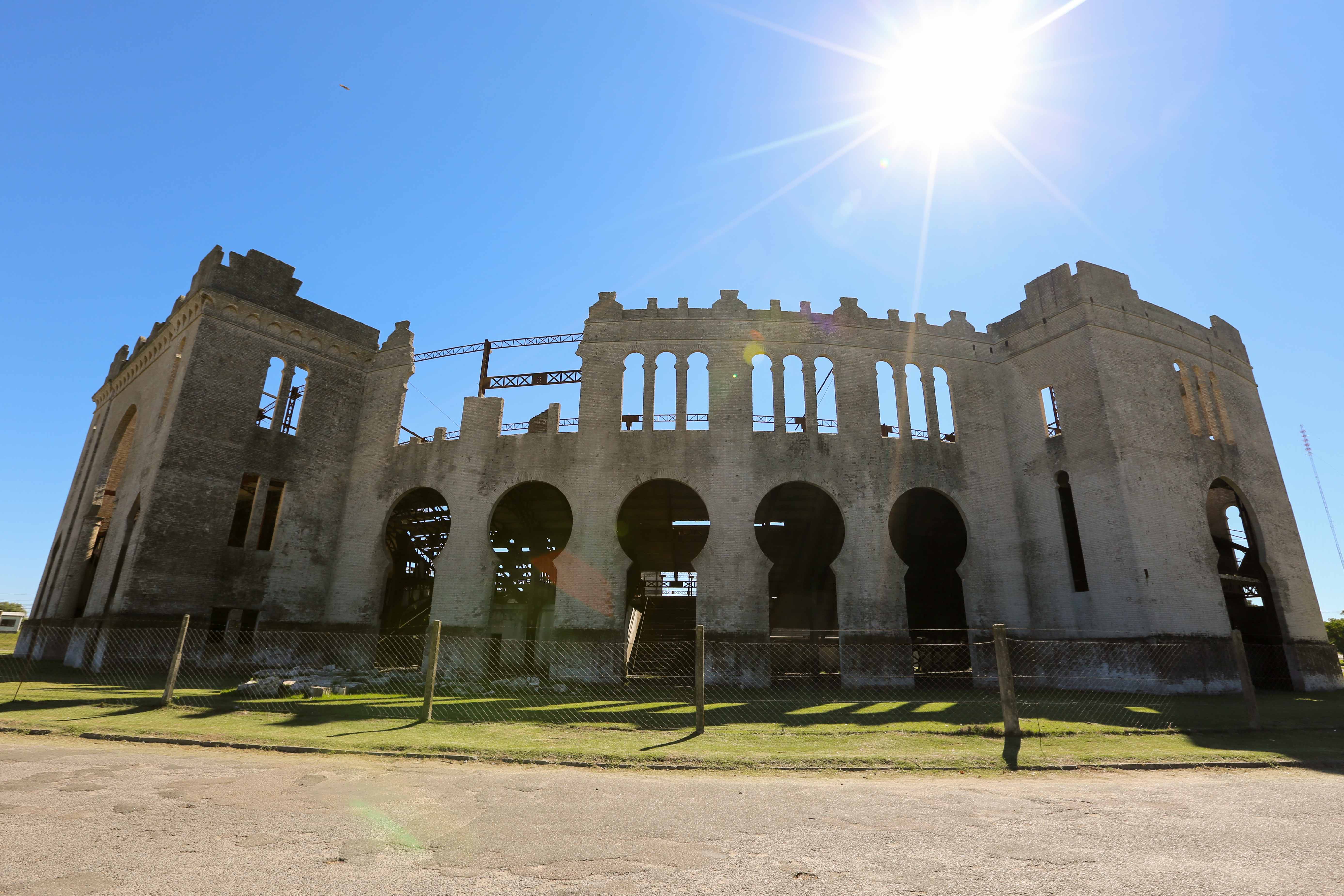
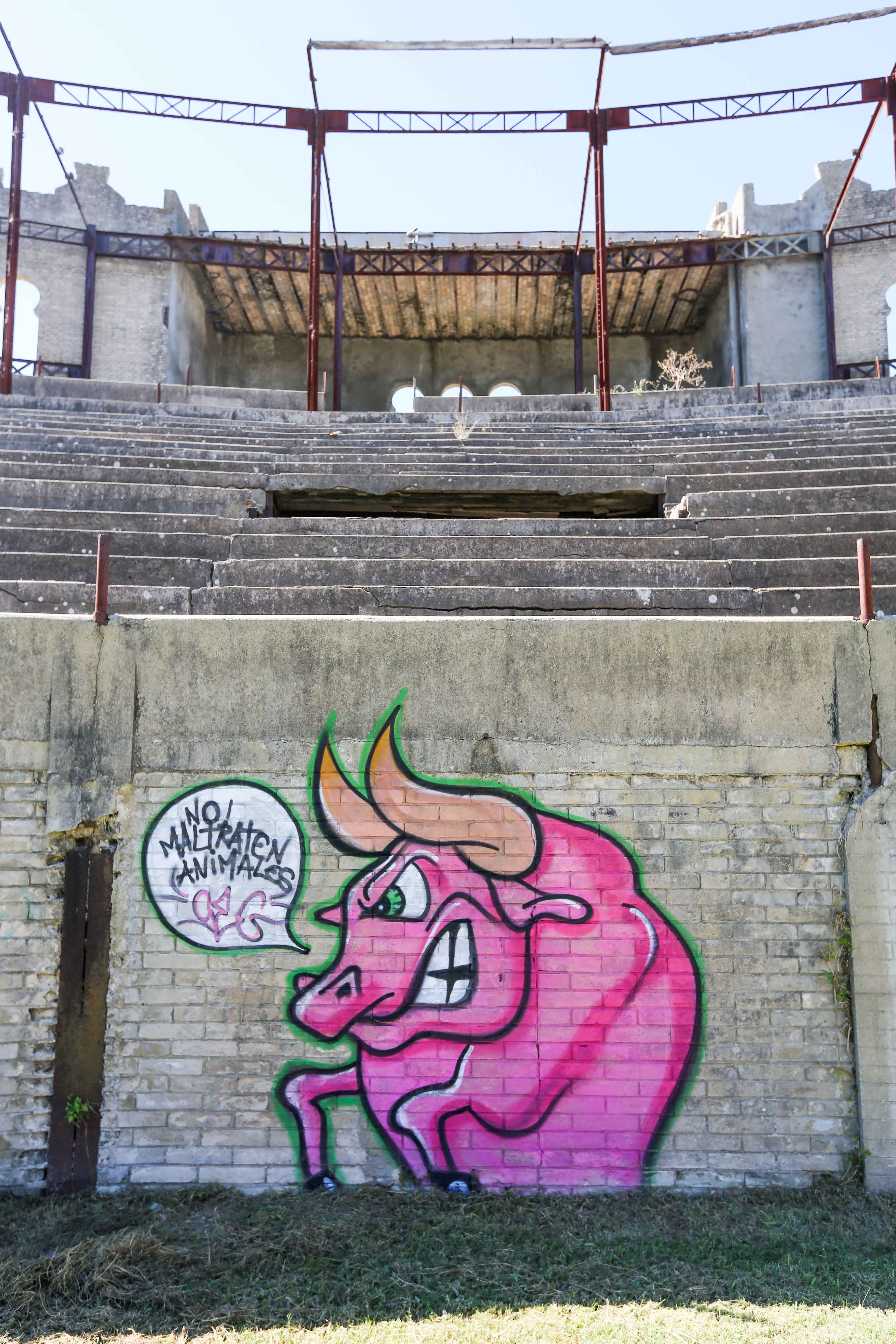
 We drove along the river, feeling quite at home with gum trees lining the riverbank before passing an old bull ring – Plaza de toros Real de San Carlos, where we stopped our golf cart and snuck under the fence to have a look inside. It would have been amazing in its day however unfortunately it is crumbling away and I’m not sure if there are any plans to restore it.
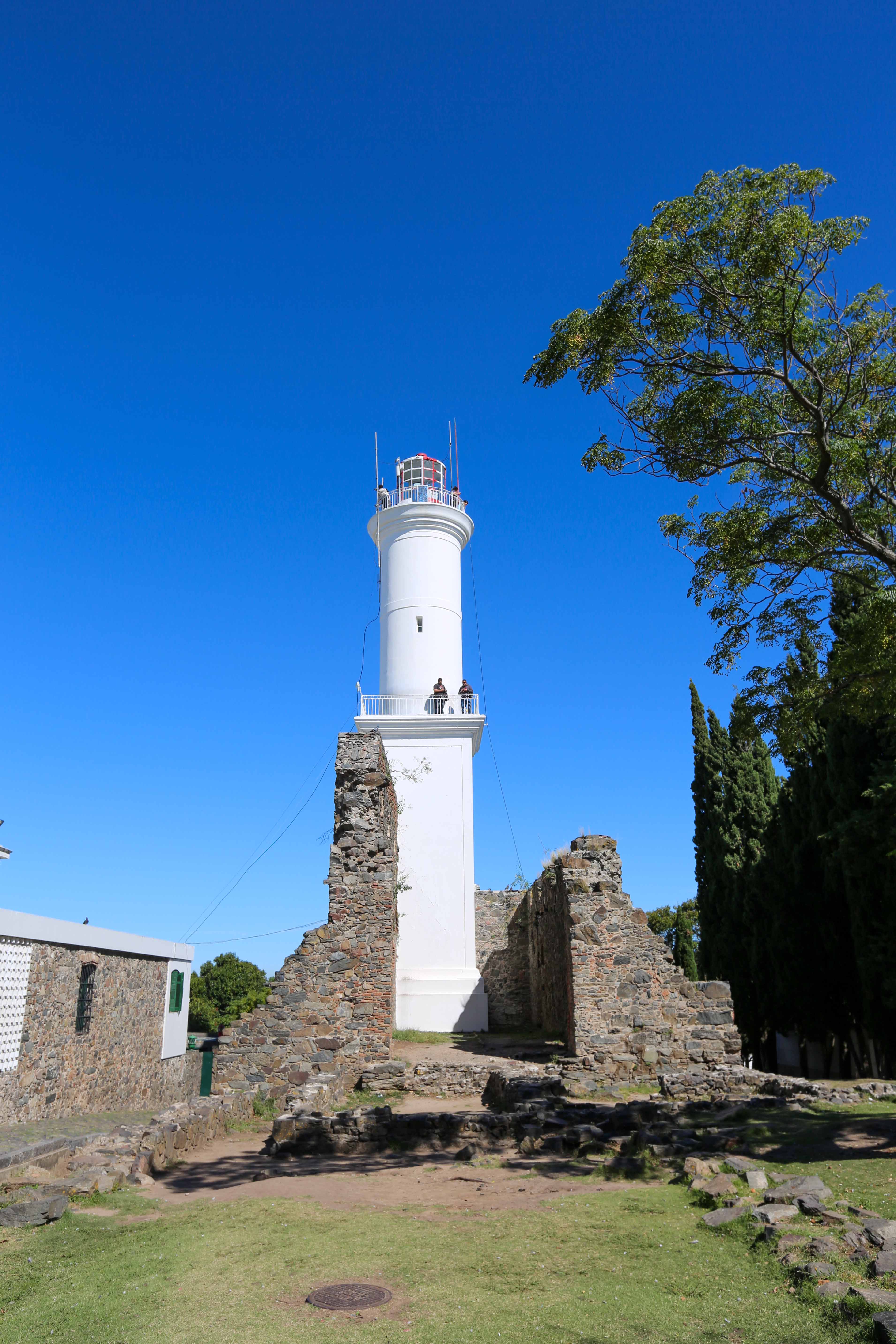
 It was a beautiful day and we parked our golf buggy to walk the Portuguese built cobble stone streets. We walked along the waterfront, past the old wharf and up the stairs of the 17th century lighthouse, located within the ruins of the Convent of San Francisco.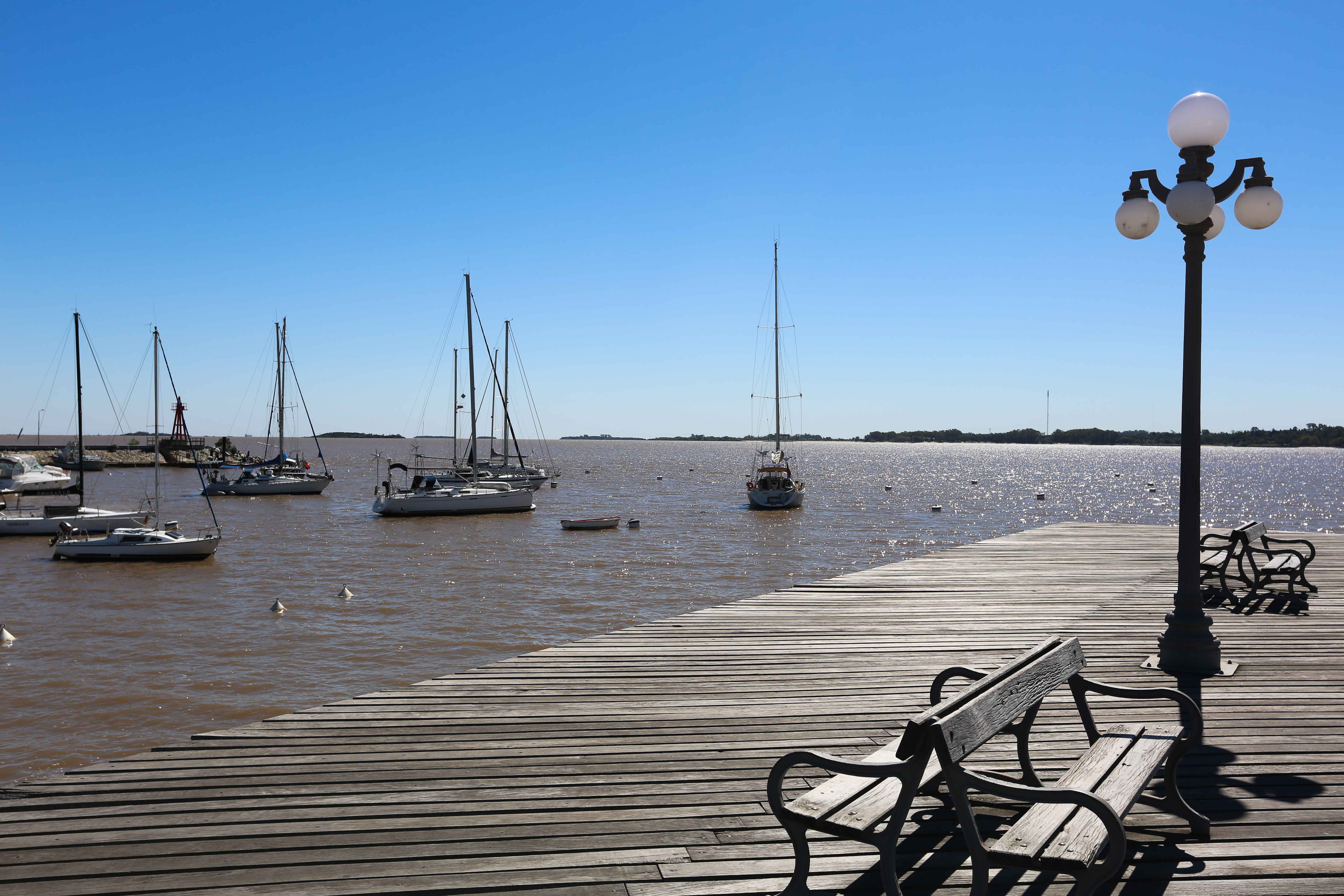

 In addition to exploring the streets, we paid a visit to multiple ATMs to withdraw some US dollars, which we could exchange on the streets of Buenos Aires at a rate of 8 Argentinian pesos to 1 US dollar (as opposed to the official rate of 5 Argentinian pesos). It is so crazy how accessible it is to exchange money on the “black market”, everyone is doing it (including Argentines) and for us it meant getting an extra 60% for our dollar. Inflation rates are so high in Argentina that there is no value in saving Argentinian pesos and Argentines would prefer to exchange their pesos for US dollars. With Uruguay so close for many Argentines, it makes sense to travel across the river to withdraw US dollars and the lines at the ATMs were incredible.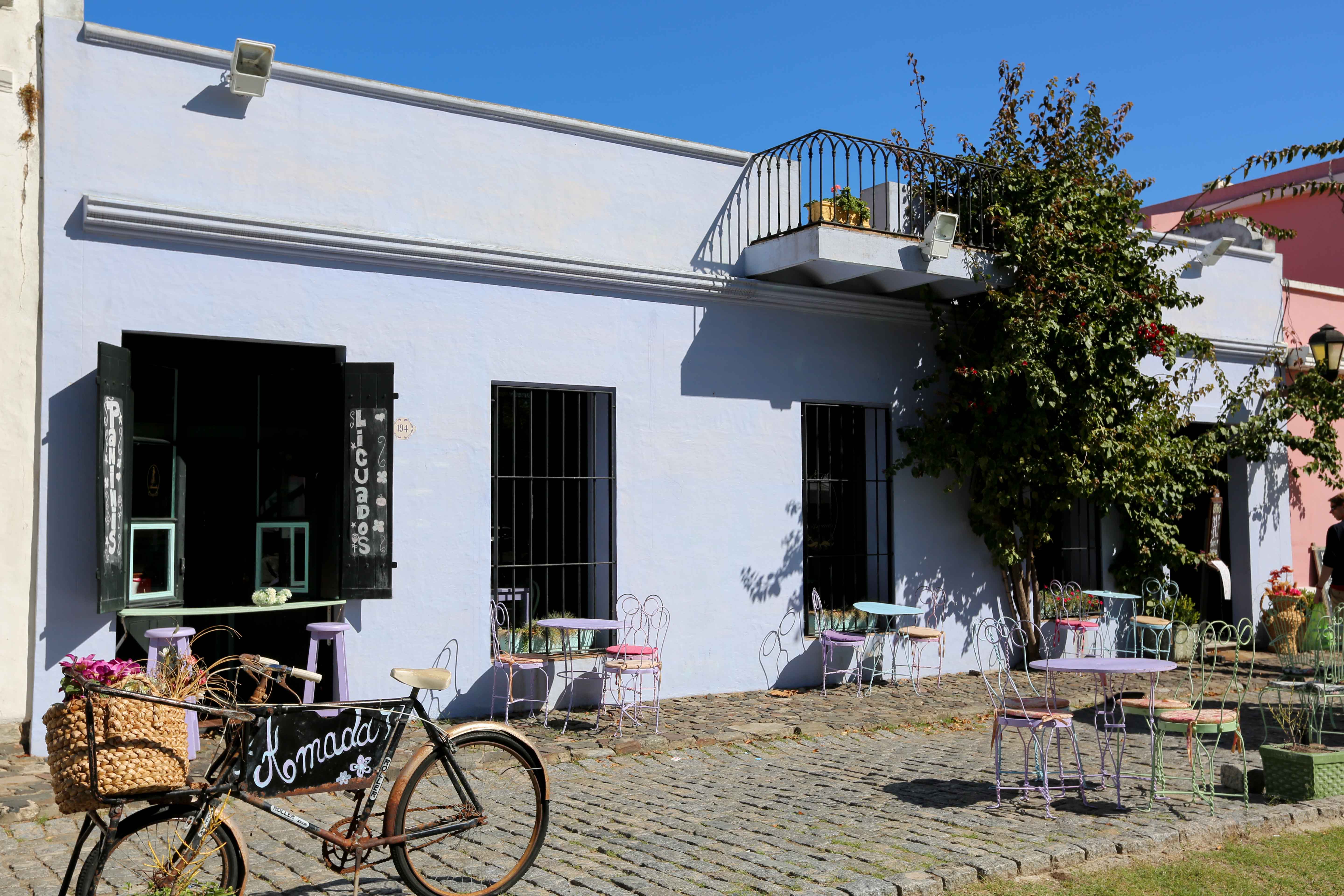
 We finished off our trip to Uruguay with some ice-cream at a local ice-creamery before boarding the ferry back to Buenos Aires.




















 HEREWHEREWEARE